Refn discusses his love of fairy tales, falling through the rabbit hole of streaming, and more.


Refn discusses his love of fairy tales, falling through the rabbit hole of streaming, and more.
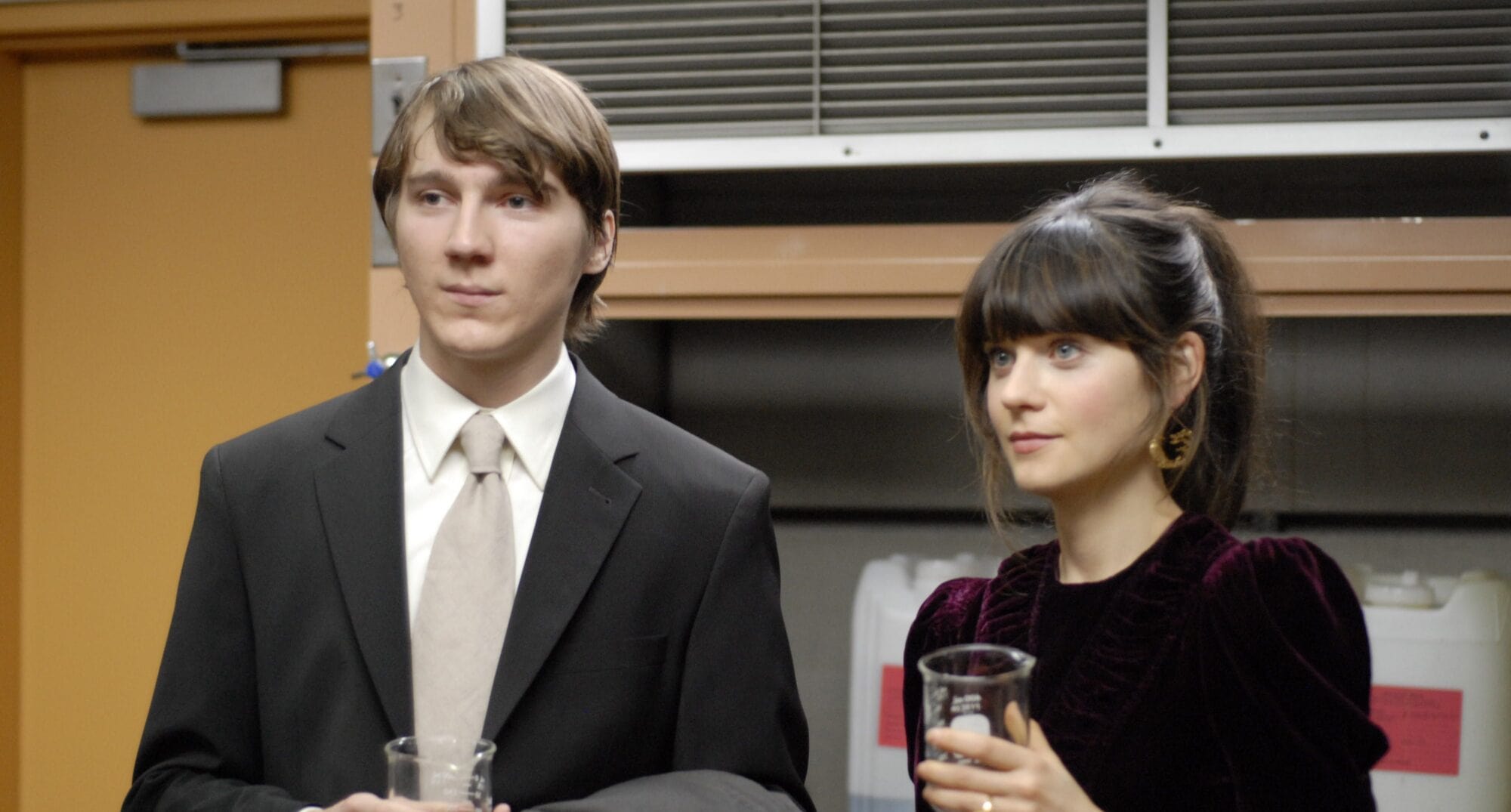
Paul Dano looks weird.

The film suggests what might happen if you threw Moulin Rouge and Amélie into the same high-speed blender.
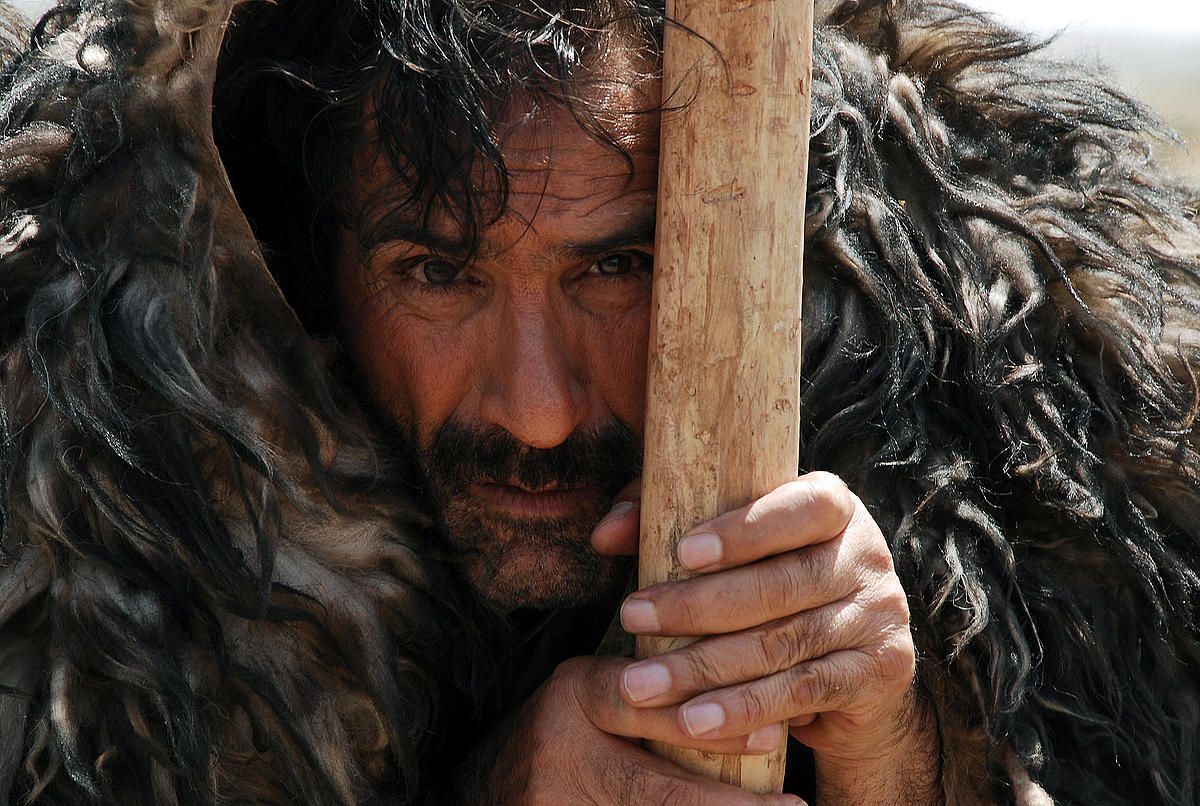
Majid Majidi’s lyrical, gently comic The Song of Sparrows grounds its low-key humor in the realities of poor, semi-rural Iranian life.

Sugar ultimately runs headlong away from the clichés that mar formula sports-related narrative films.
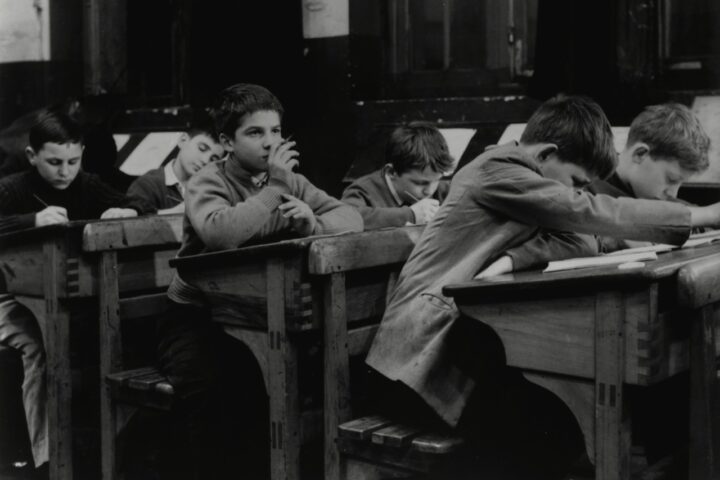
The vitality of 400 Blows comes from the symbiosis between real and reel life.
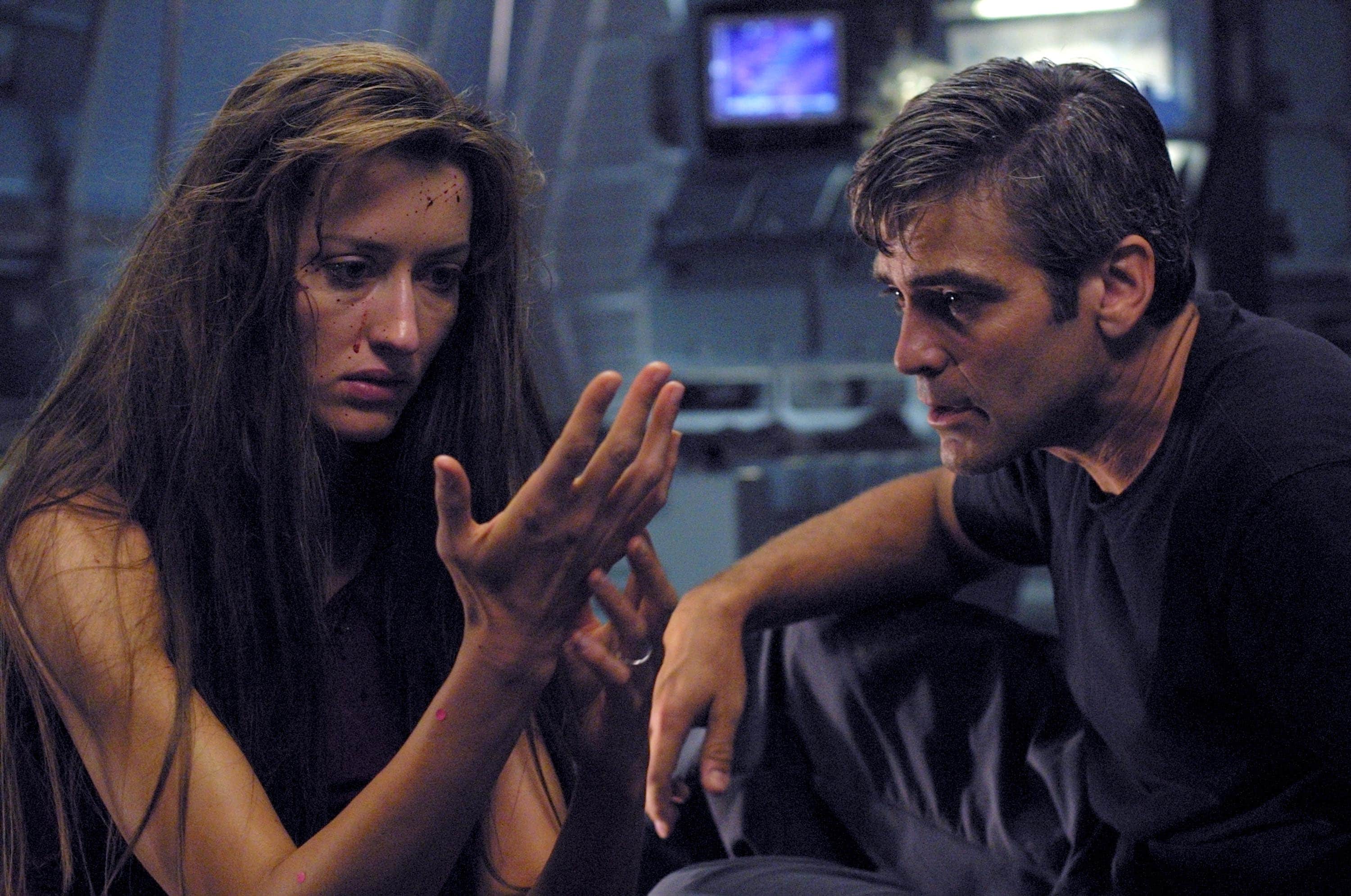
Is Soderbergh’s film better than Tarkovsky’s, or the other way around?

The Haunting of Connecticut clearly spent more time on the satanic markings etched into its undead ghouls’ skin than on its script.

Unmade Beds portrays its seekers as planets aspiring to bubblehood, or at least one tandem leap into the void.
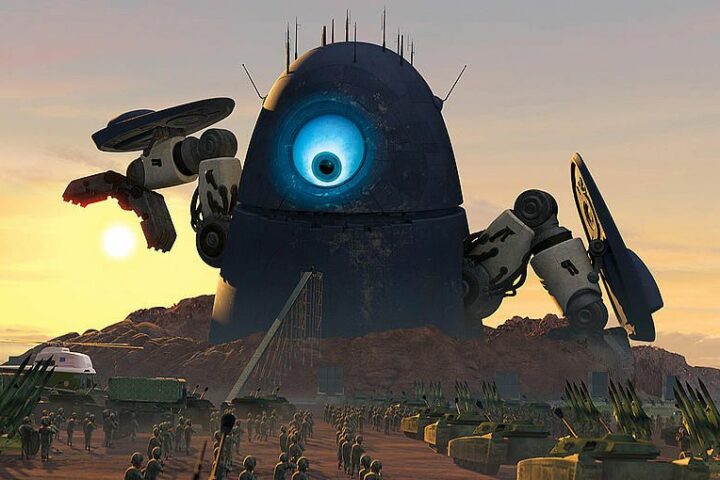
Monsters vs. Aliens races about in search of the next witty zinger and for-adults-only pop-culture reference.

For our third installment of “The Conversations,” we decided to each select a film from the past 10 years that we thought was unfortunately overlooked and/or unfairly maligned.

The 8-year-old boy, Matthew, is clutching his mother’s sleeve tight and holding her hand. He looks very pale.
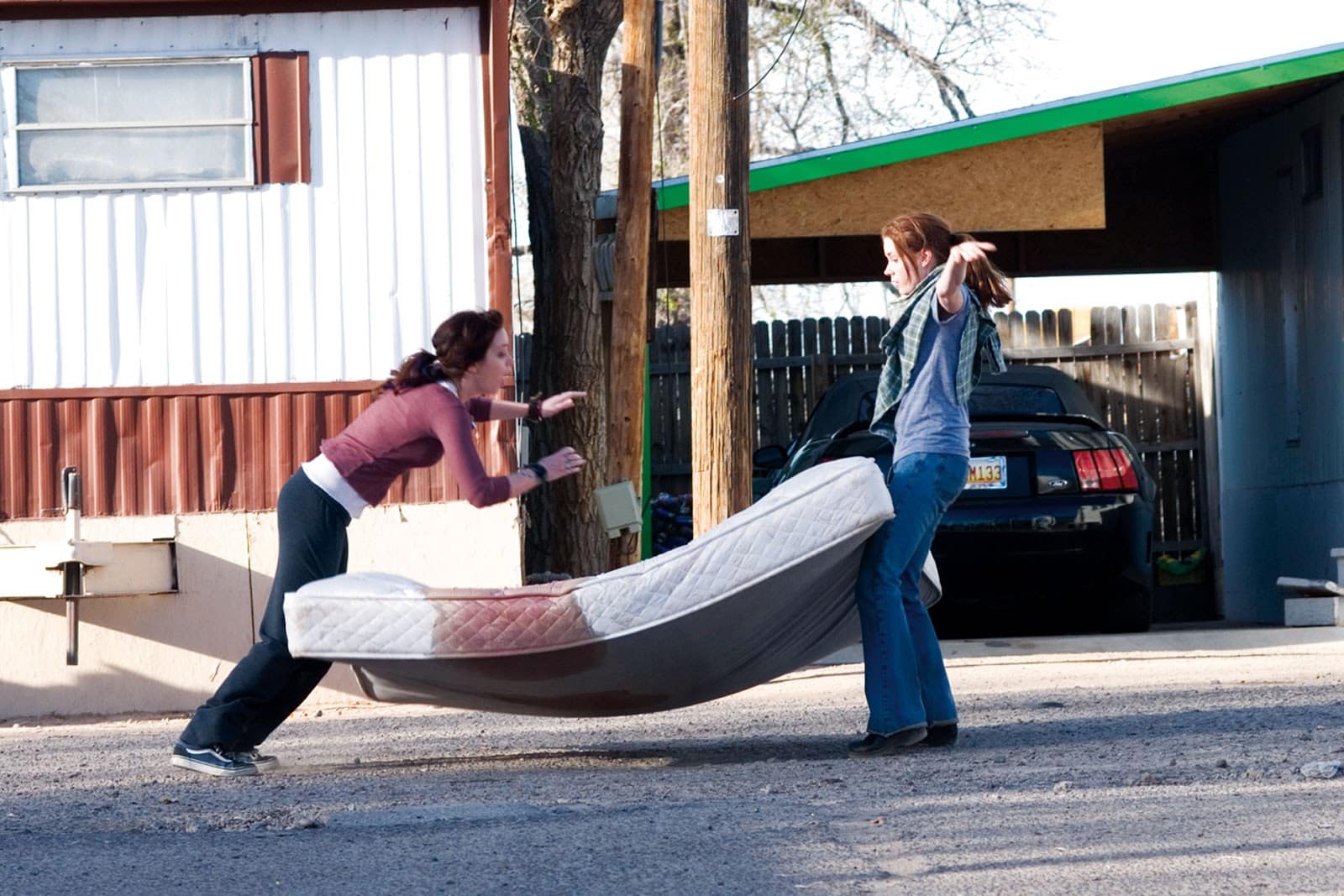
Yes, it has “sunshine” in the title. Yes, it has Alan Arkin as a crusty grandpa. Yes, it has a light colored van.
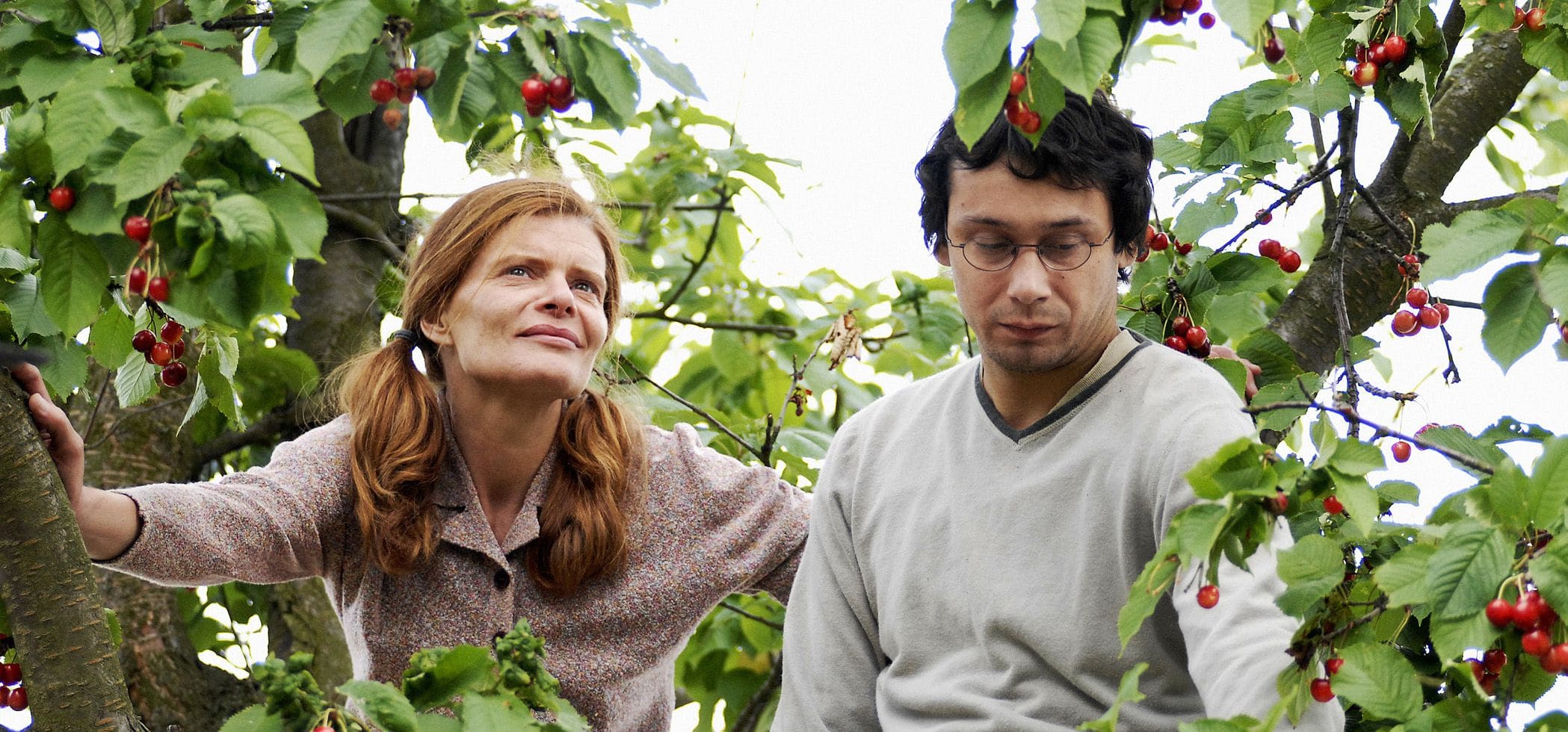
Bohdan Sláma’s direction for The Country Teacher has an assured expressiveness that’s at odds with the story’s bumpy narrative.
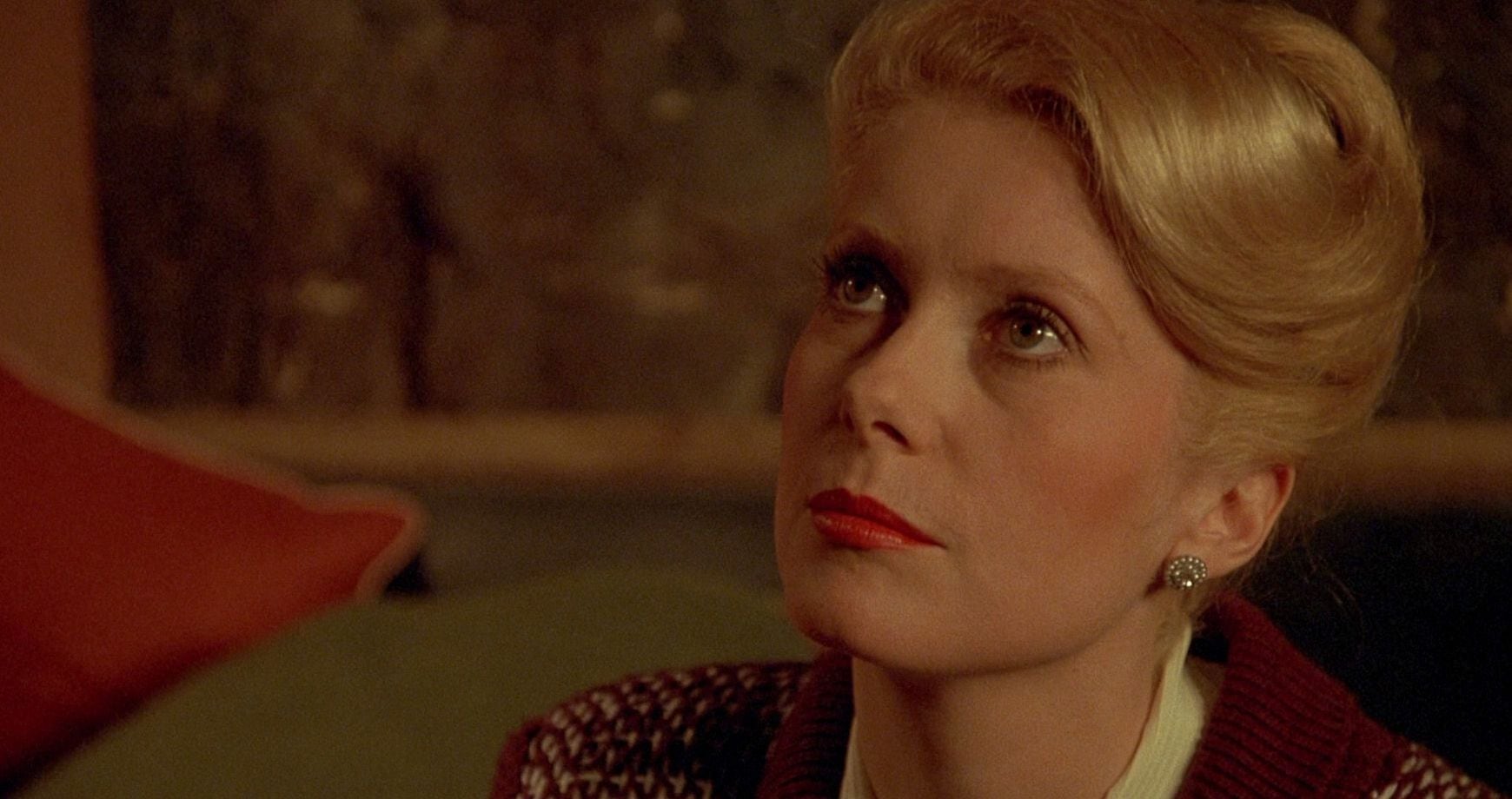
François Truffaut posits theatricality as wartime solidarity and resistance in his late-career hit The Last Metro.

Even when she was just phoning it in for her later movies, Ruth Gordon was phoning it in from Mars, or some kingdom of her own.
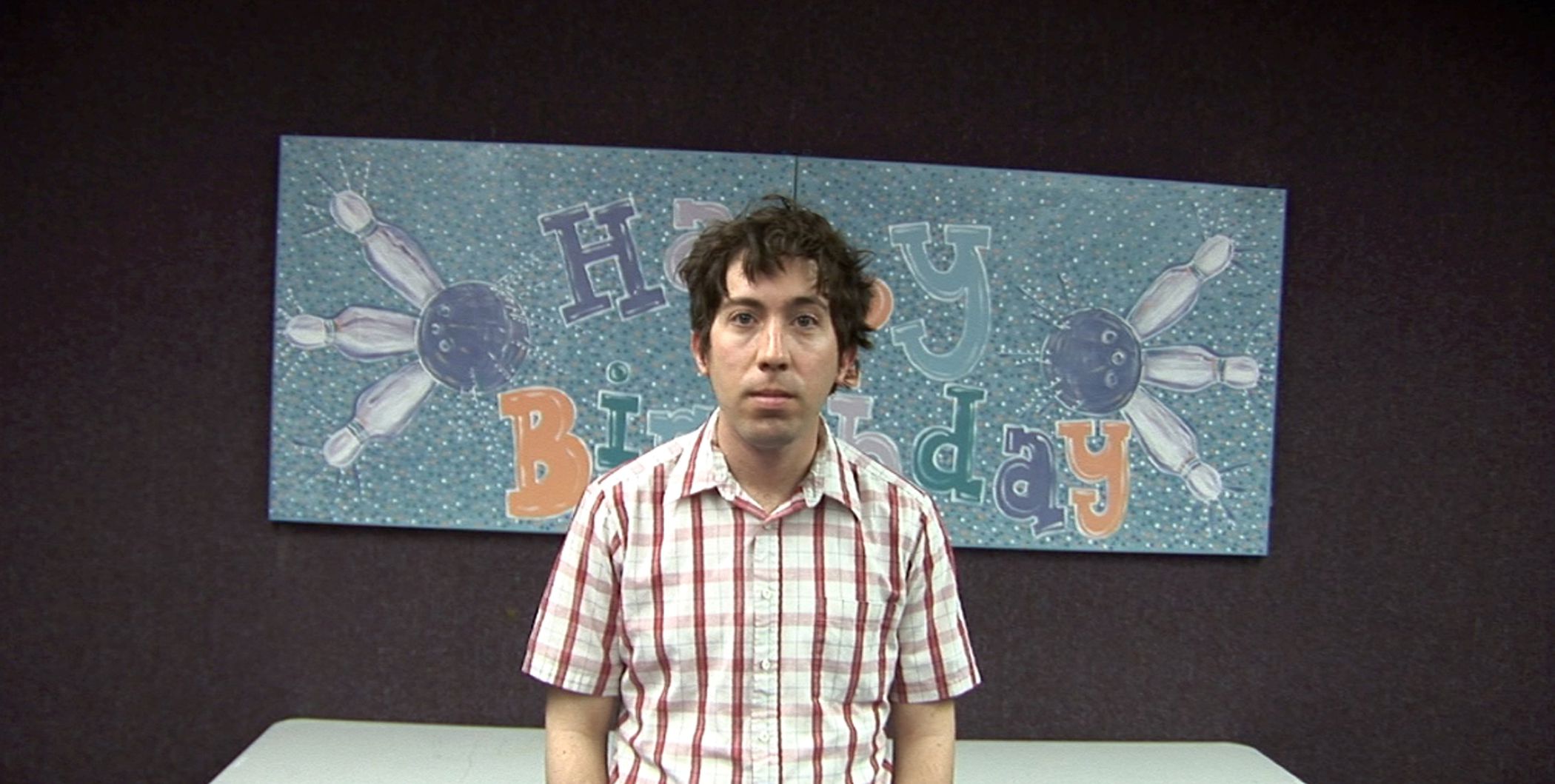
The film’s consistent ability to amuse bolsters what in effect amounts to a cinematic doodle.

Catalina Saavedra’s performance has an unwavering intensity that serves the film well.

Autumn mostly succeeds in illustrating how some art-house clichés never go out of season.
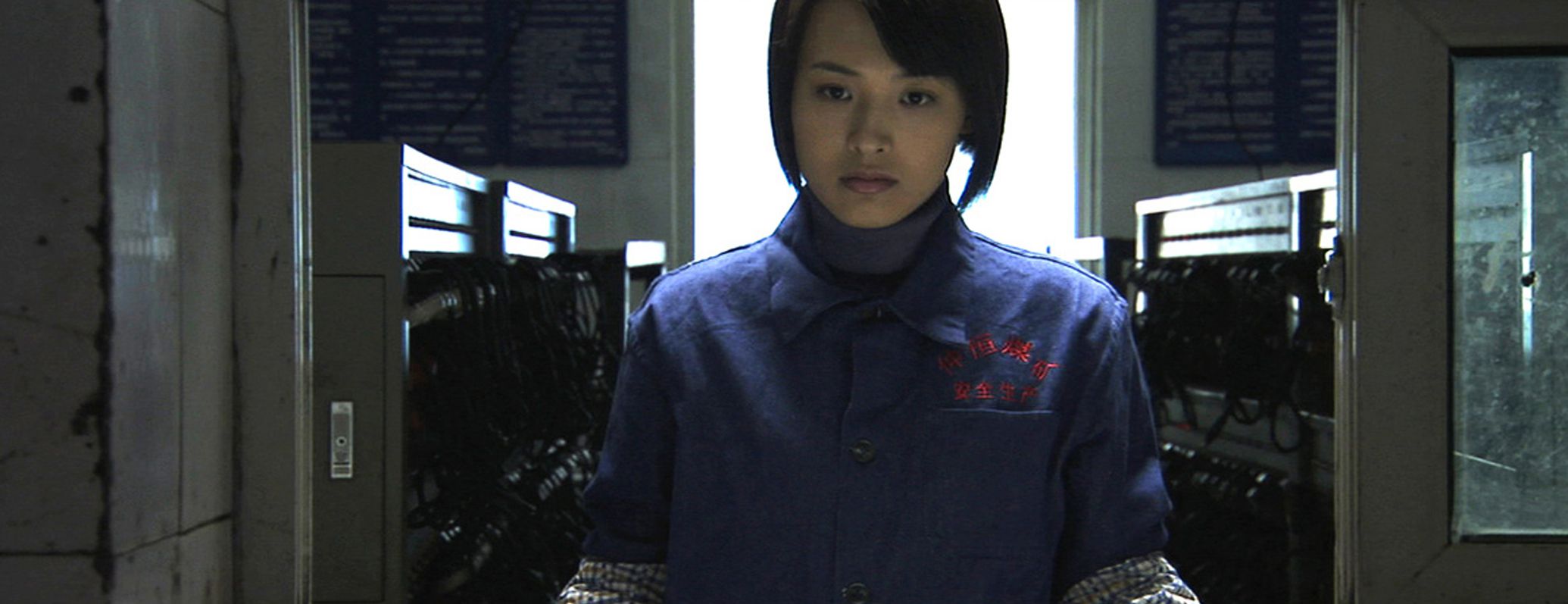
The stark melancholia of The Shaft achieves a rare authenticity.

The film possesses a comfortable feel for both its rural Oklahoma setting and Native American community, but little else.