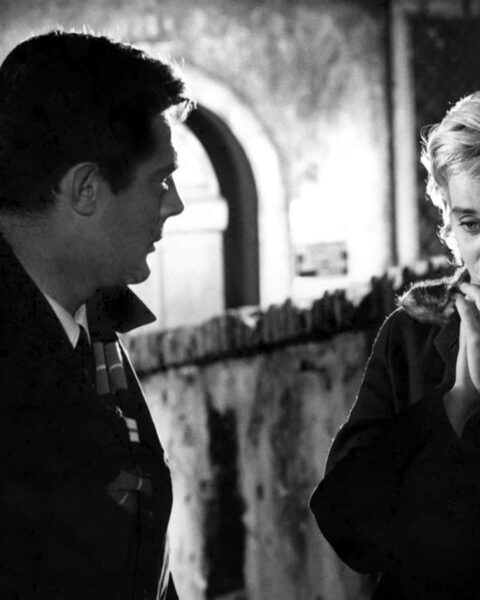
Refn discusses his love of fairy tales, falling through the rabbit hole of streaming, and more.


Refn discusses his love of fairy tales, falling through the rabbit hole of streaming, and more.

It’s largely predicated on the idea of imparting a hyperreal sensuality to a region not often depicted on the big screen.

Whatever political commentary Wim Wenders sought to make here is lost beneath confounding characterizations.

The film sacrifices some of its innate appeal by making ham out of the supposed relics of a less enlightened era.

Brad’s Status resonates because Mike White clearly sees Brad’s faults but refuses to judge him for them.

Michael Roberts’s film is an unabashed exercise in deifying its subject matter with superlatives and hyperbole.

Theo Anthony’s muddled interests have produced a film that unfolds at a wildly sporadic success rate.

Edoardo de Angelis’s coming-of-age portrait is poignant when fixated on the intricacies of a complicated sisterhood.

Capturing the eerie beauty and pathos of abandoned spaces, it’s sometimes reminiscent of Homo Sapiens.
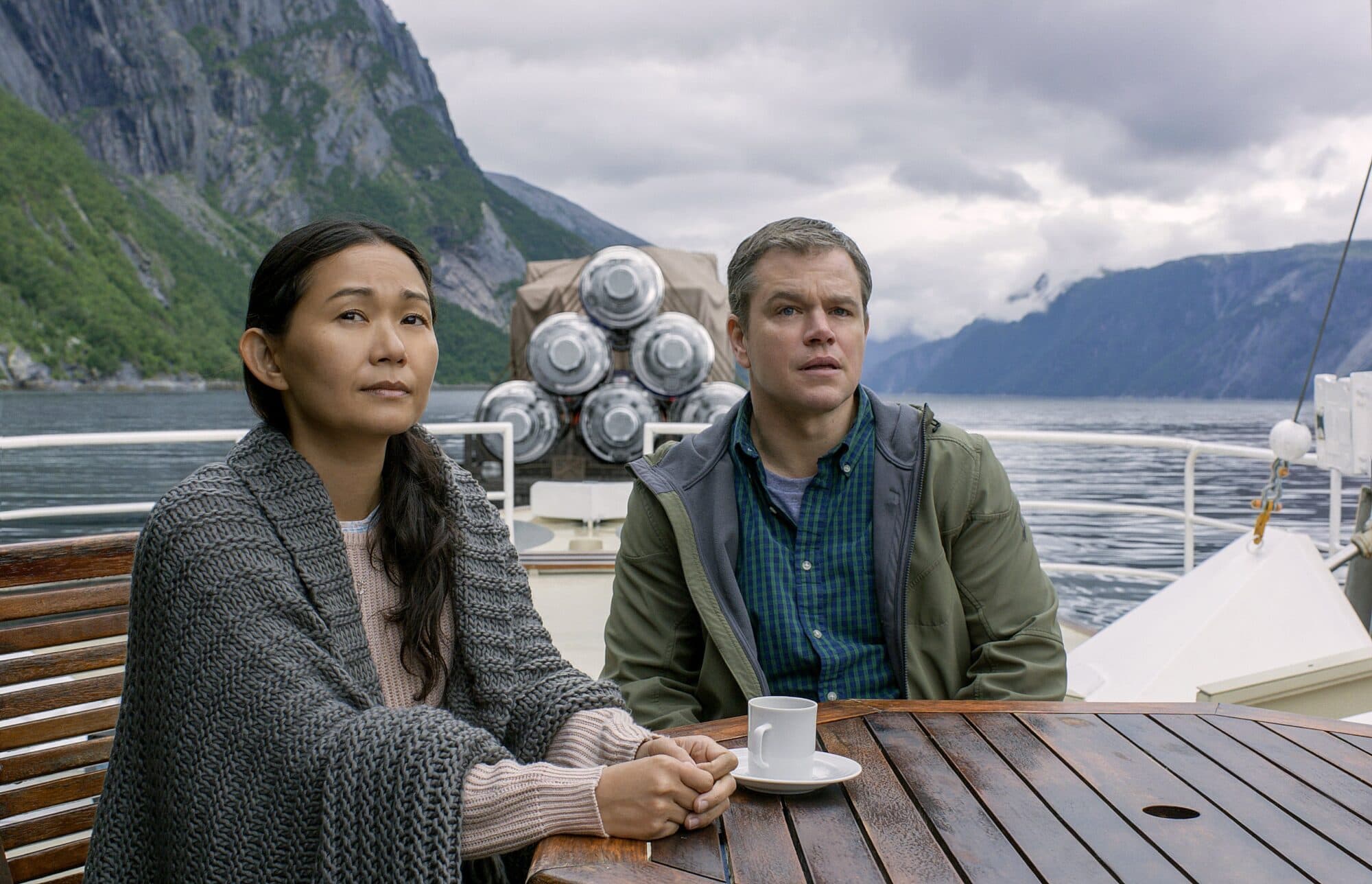
Payne’s defenders might call his often acidic touch Swiftian, though it comes off more toothlessly noncommittal.

Aaron Sorkin deep dives into self-parody from the opening moments of his directorial debut, Molly’s Game.

The film suggests a college course and a guided tour wedded together as a work of prismatic humanist art.

It invests the minutia of the down-and-out lives inside a budget motel with a bittersweet energy and significance.

Spoor blends its mystery with a character study, allowing the genres to uncomfortably cohabitate.
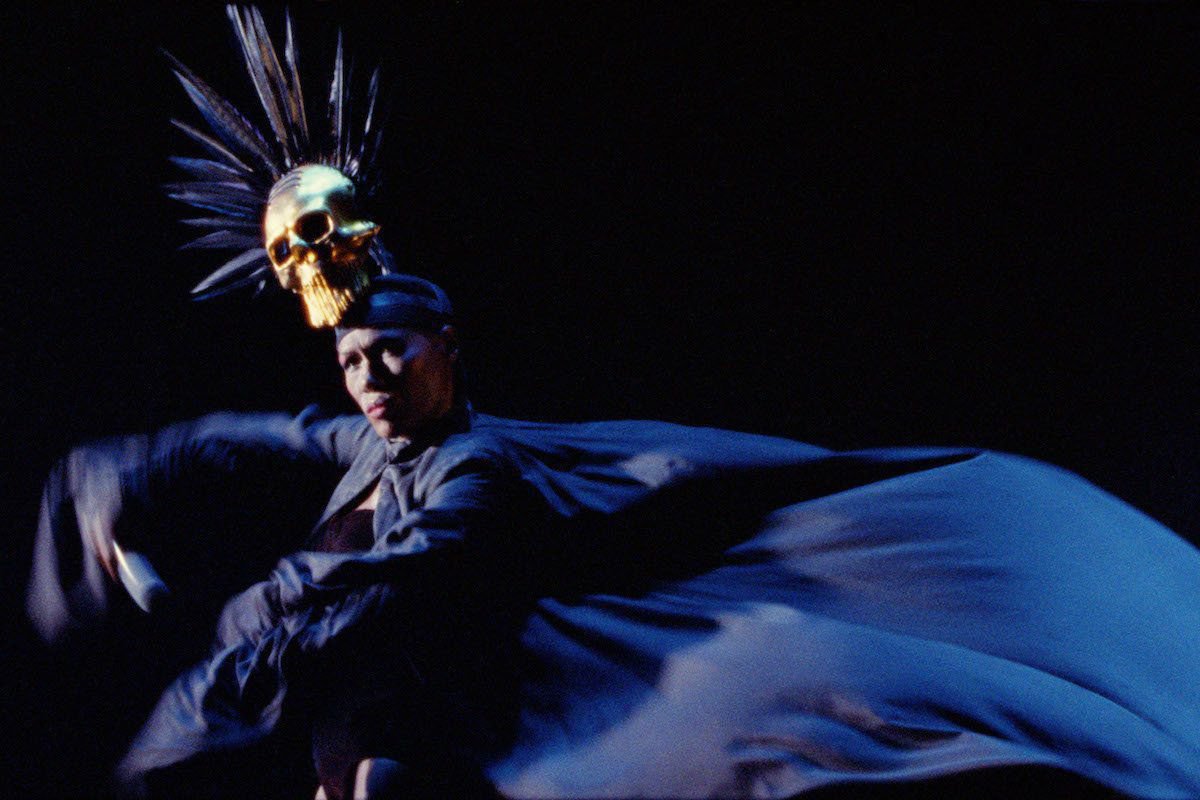
Bloodlight and Bami is a fragmented, purposefully obscure exploration of Grace Jones’s life and art.
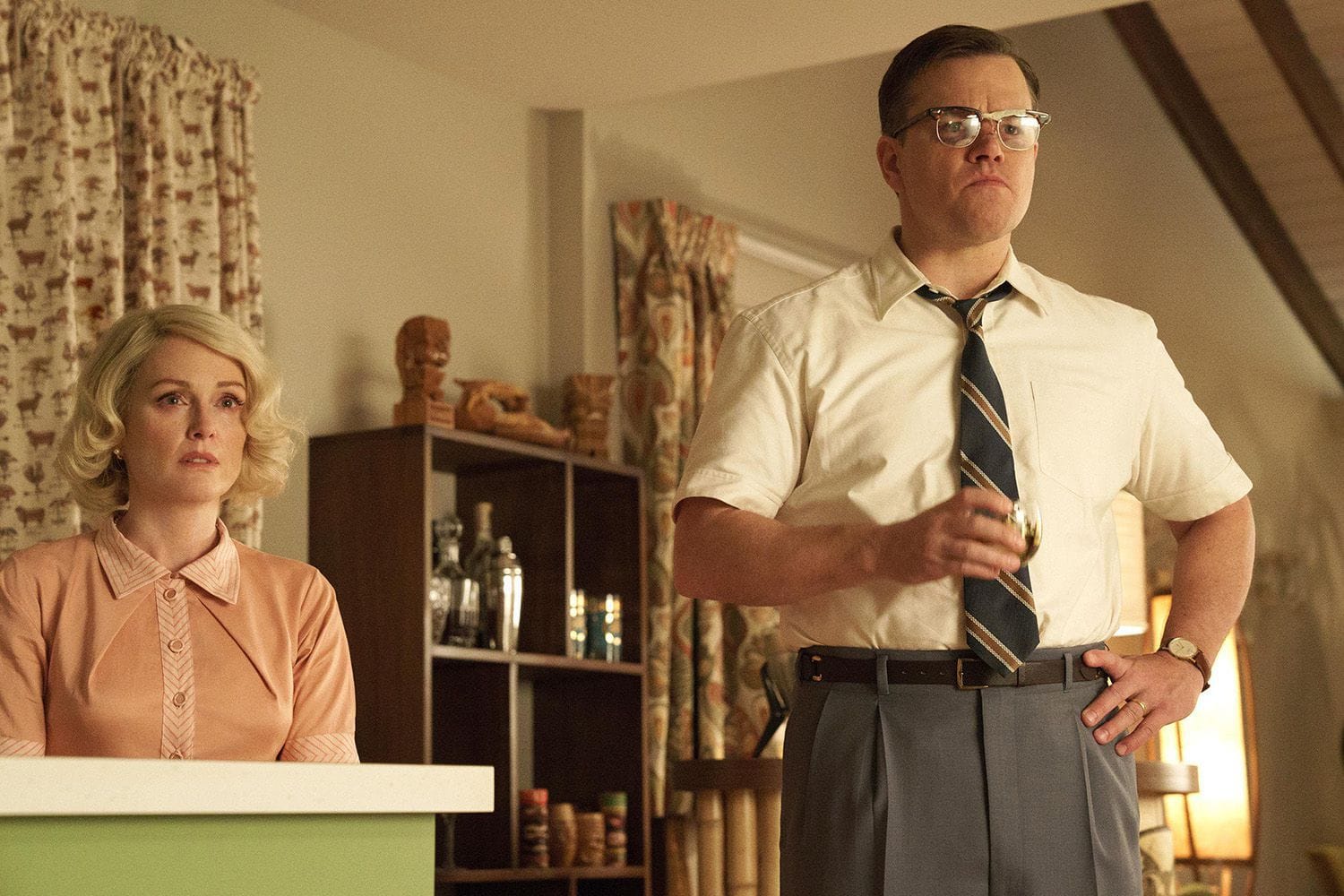
Suburbicon sees a bunch of candidly left-leaning movie stars doing their best to out-awful each other.

Dee Rees’s film scrutinizes how World War II laid bare the unsustainable hypocrisy in America’s bigoted divisions.
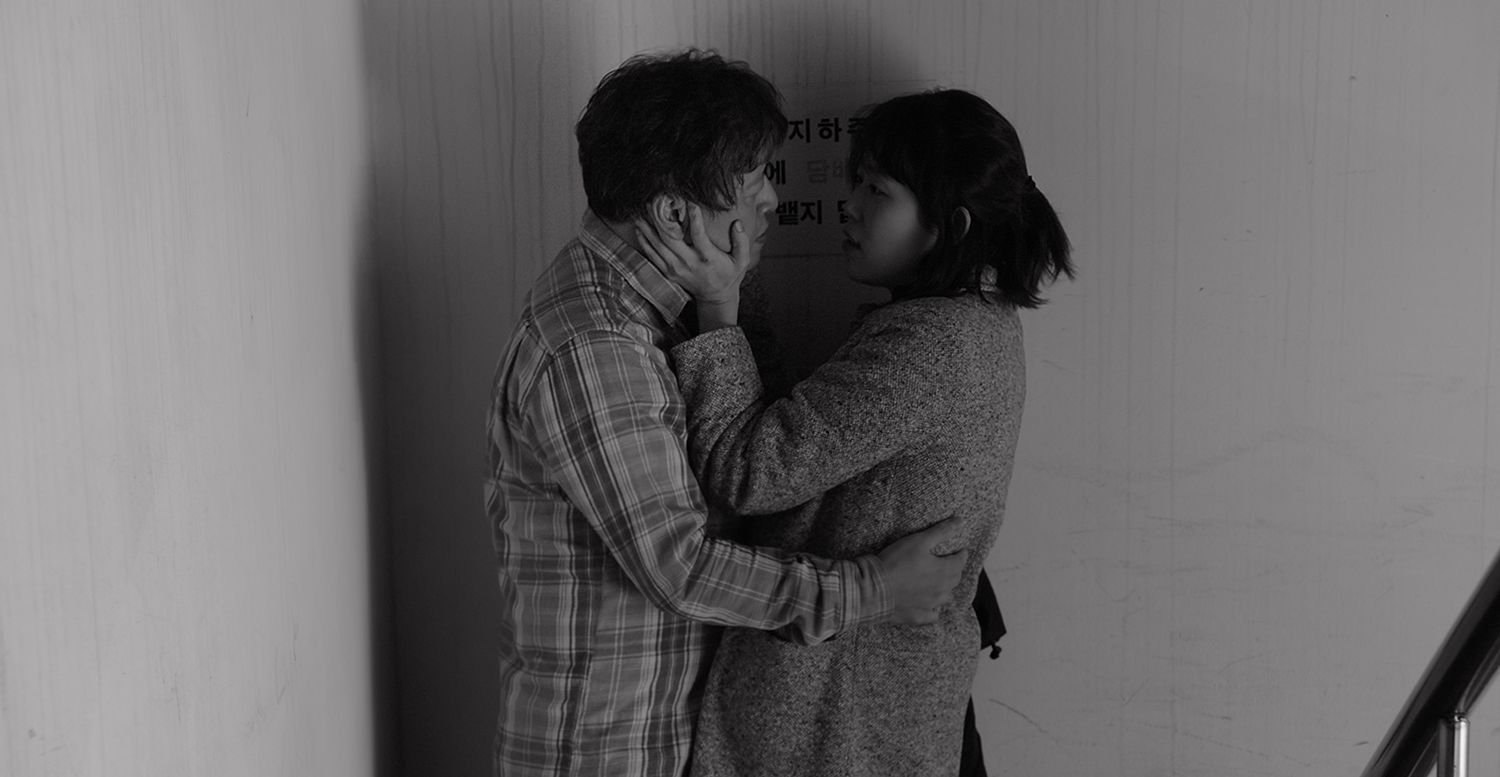
As with most Hong Sang-soo films, it engages in intellectual gamesmanship while courting emotional pathos.

The film ripples with a palpable sense of the sheer distance between the down and out actor at its center and his goals.

Robin Campillo’s film is at its most intimate when observing the exchange of war stories.
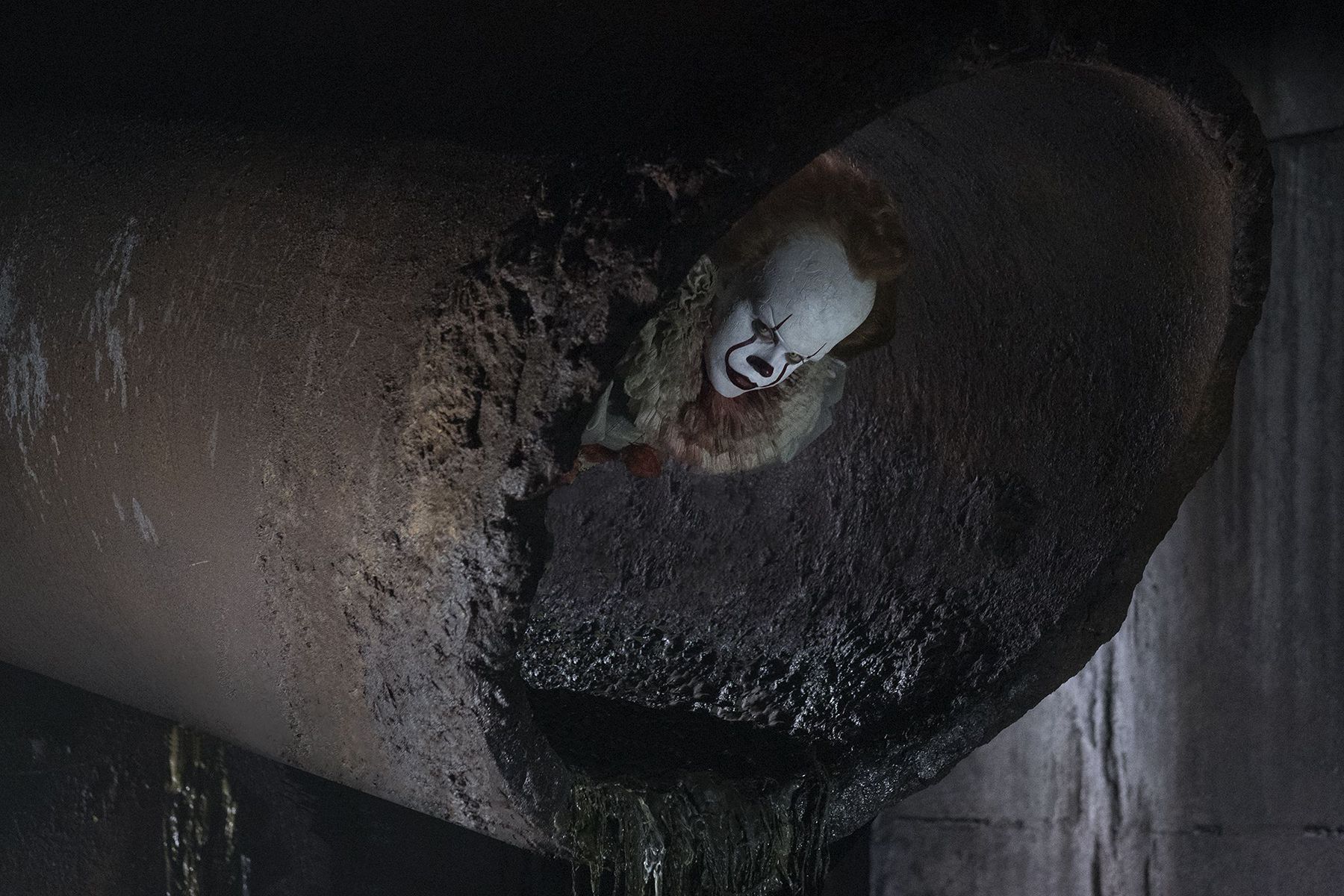
It feels akin to spending 135 minutes being led through an unnervingly well-mounted haunted mansion.