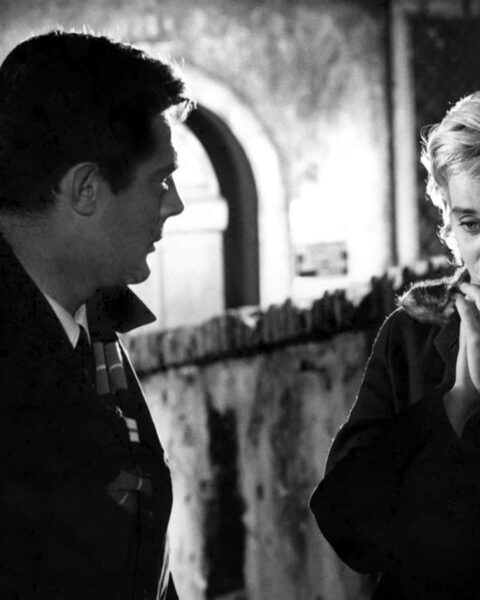
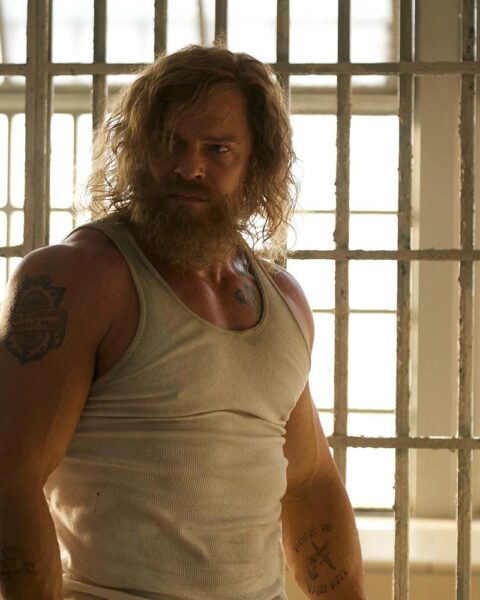
Refn discusses his love of fairy tales, falling through the rabbit hole of streaming, and more.
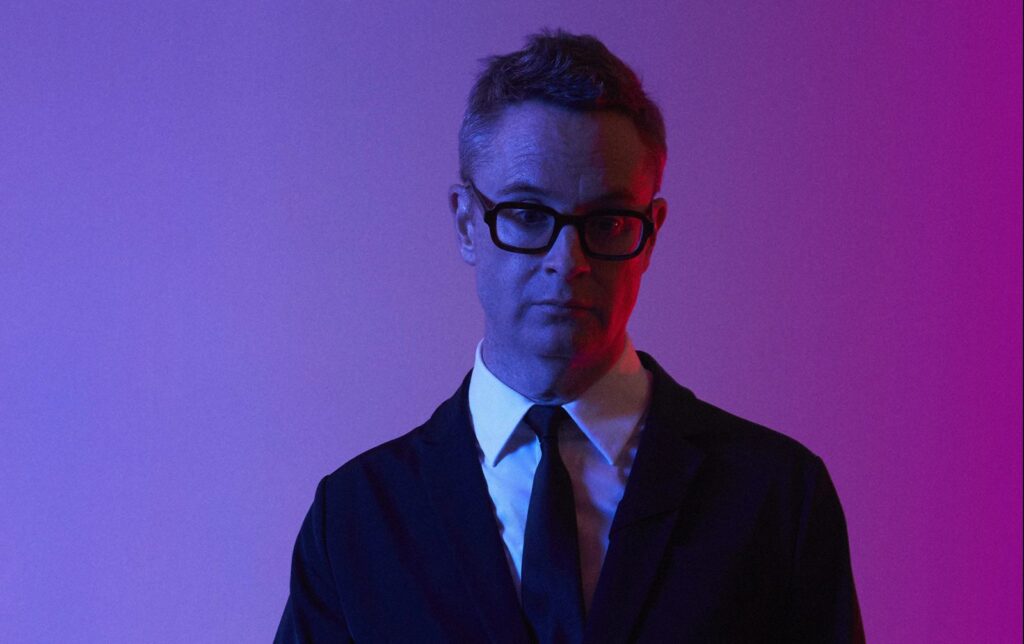

Refn discusses his love of fairy tales, falling through the rabbit hole of streaming, and more.

A parody of a parody, the film is so soulless that it makes its predecessor seem like a classic in retrospect.

Angelina Jolie best expresses psychology through escalating interactions between people and settings.

The film’s unpainterly style reflects an ambivalent attitude toward the story’s capitalistic pro-growth machinations.

Throughout, the film develops into something approaching a manifesto for the possibility of shared happiness.

Harry Dean Stanton was the great supporting actor of American cinema.

By going to uneasy extremes in I Love You, Daddy, Louis C.K. aims to reorient our moral compasses.

Throughout, Christopher Doyle acknowledges that time and reality are often marked by a slippery subjectivity.

Though initially compelling, Peter Nicks’s documentary is fundamentally without a clear perspective on its subject.

Though the film’s overarching narrative travels a well-tread road, it strikes a few potent grace notes along the way.

By privileging the white characters in its narrative, Victoria & Abdul exposes itself as insidiously hypocritical.

Elvira Lind’s film is closer to an advertisement for Bobbi Jene Smith than a film about the contemporary dancer.

Throughout, Nathan Silver fuses the emotional bigness of melodrama with his unique form of quotidian portraiture.

It perfectly communicates the surreal hell of what the original production of The Room must have been like.

A rare bad performance from Denzel Washington sinks writer-director Dan Gilroy’s follow-up to Nightcrawler.

The Shape of Water’s setting yields an inherent coldness that Guillermo del Toro must work to overcome.

The film is a riot of religious symbolism, of-the-moment socio-political valences, and references to Darren Aronofsky’s work.

It’s impossible to take it seriously as anything other than an Abercrombie & Fitch ad posing as a political thriller.
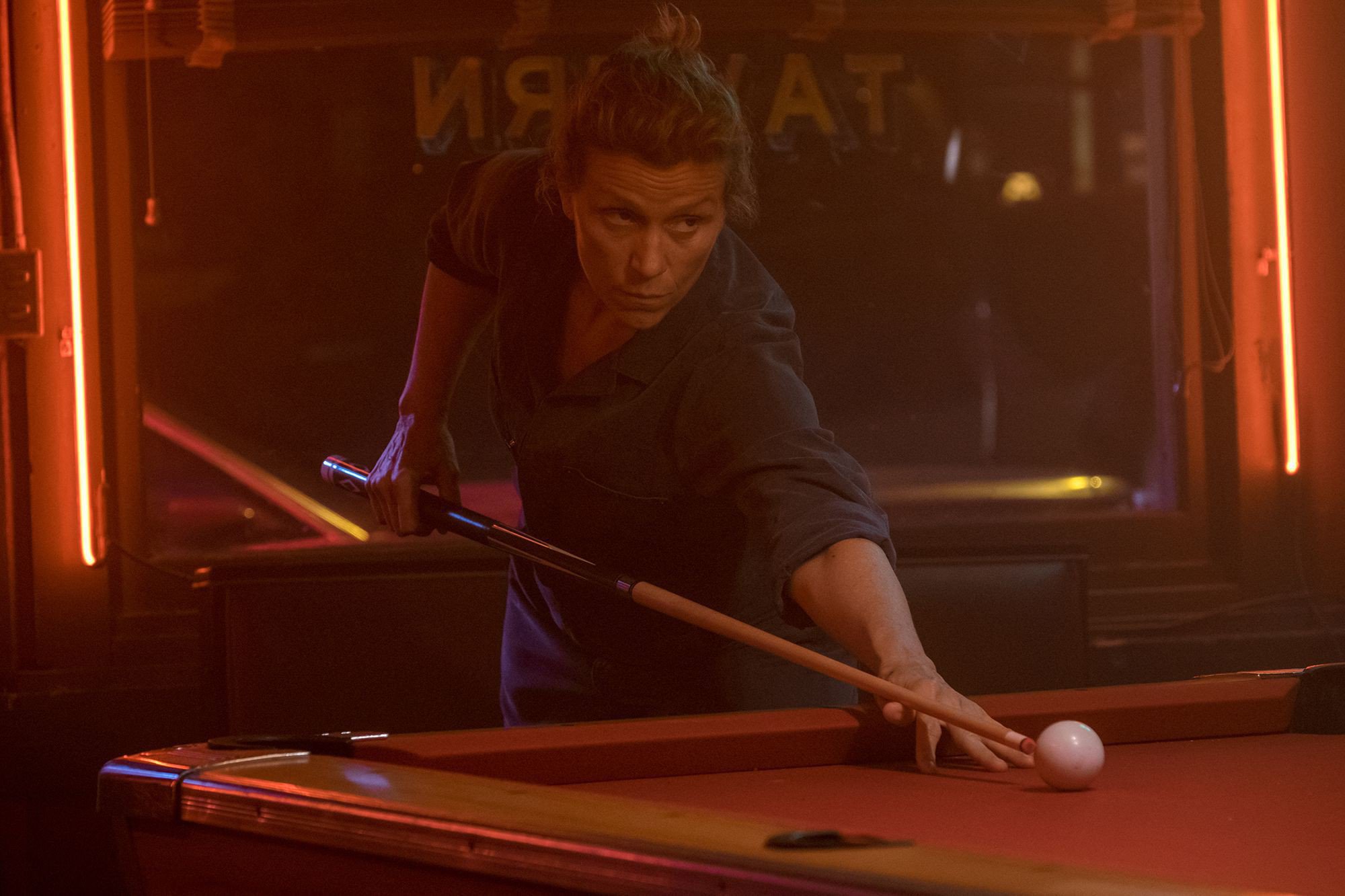
The film is the finest balance yet of Martin McDonagh’s bleak sense of humor and offbeat moral sincerity.

In the film, Hong Sang-soo simultaneously positions filmmaking as the ultimate act of atonement and evasion.

The cinematic touchstone throughout Schrader’s First Reformed is the Danish director Carl Theodor Dreyer.