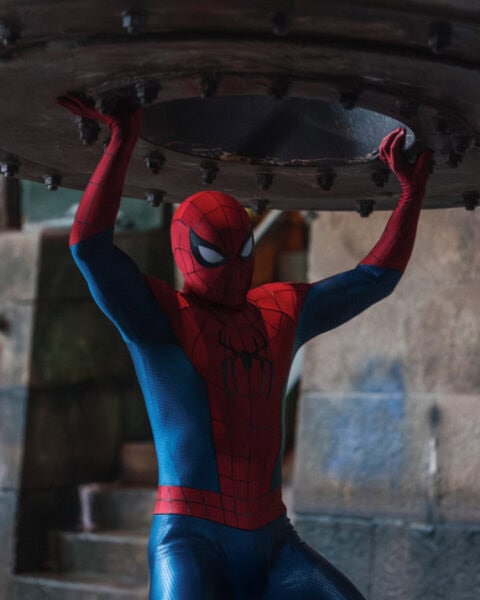
On the occasion of Spider-Man: Brand New Day’s release, we ranked all the films in the MCU.
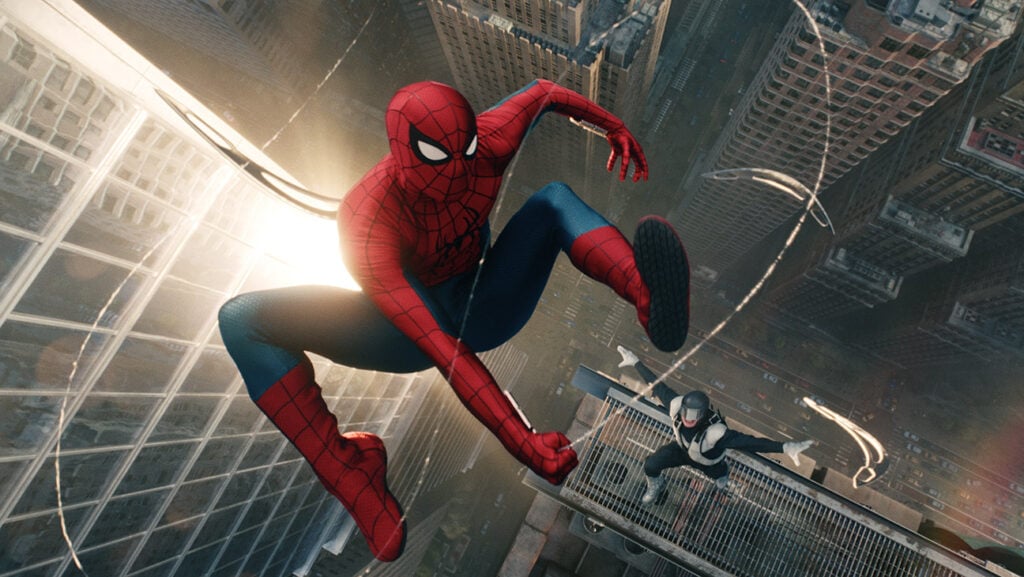

On the occasion of Spider-Man: Brand New Day’s release, we ranked all the films in the MCU.
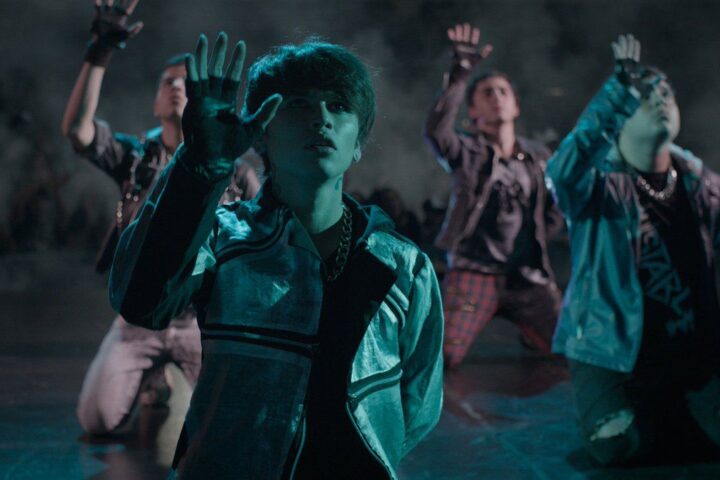
The film is at its best when it yokes its moody sense of atmosphere to the aimlessness of the young characters.

The film is only in the business of supplying the sort of fear that hinges entirely on the shock of the exotic.

The besieged family never wins and is never in danger of winning, and so we’re pummeled with unearned nihilism.
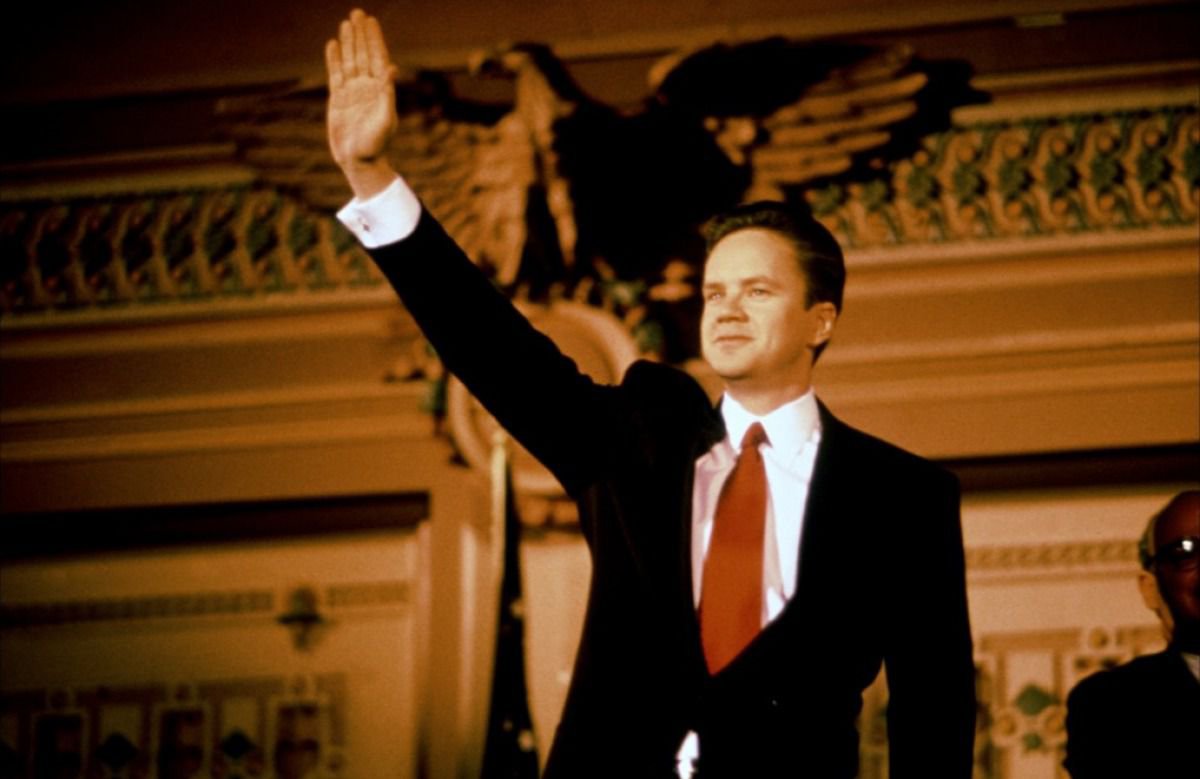
Bob Roberts is a shrewdly drawn portrait of the unsettling intersection of entertainment, business, and politics.

Even its sensitive and gorgeous choreographies can’t fully offer respite from the hollow narrative.
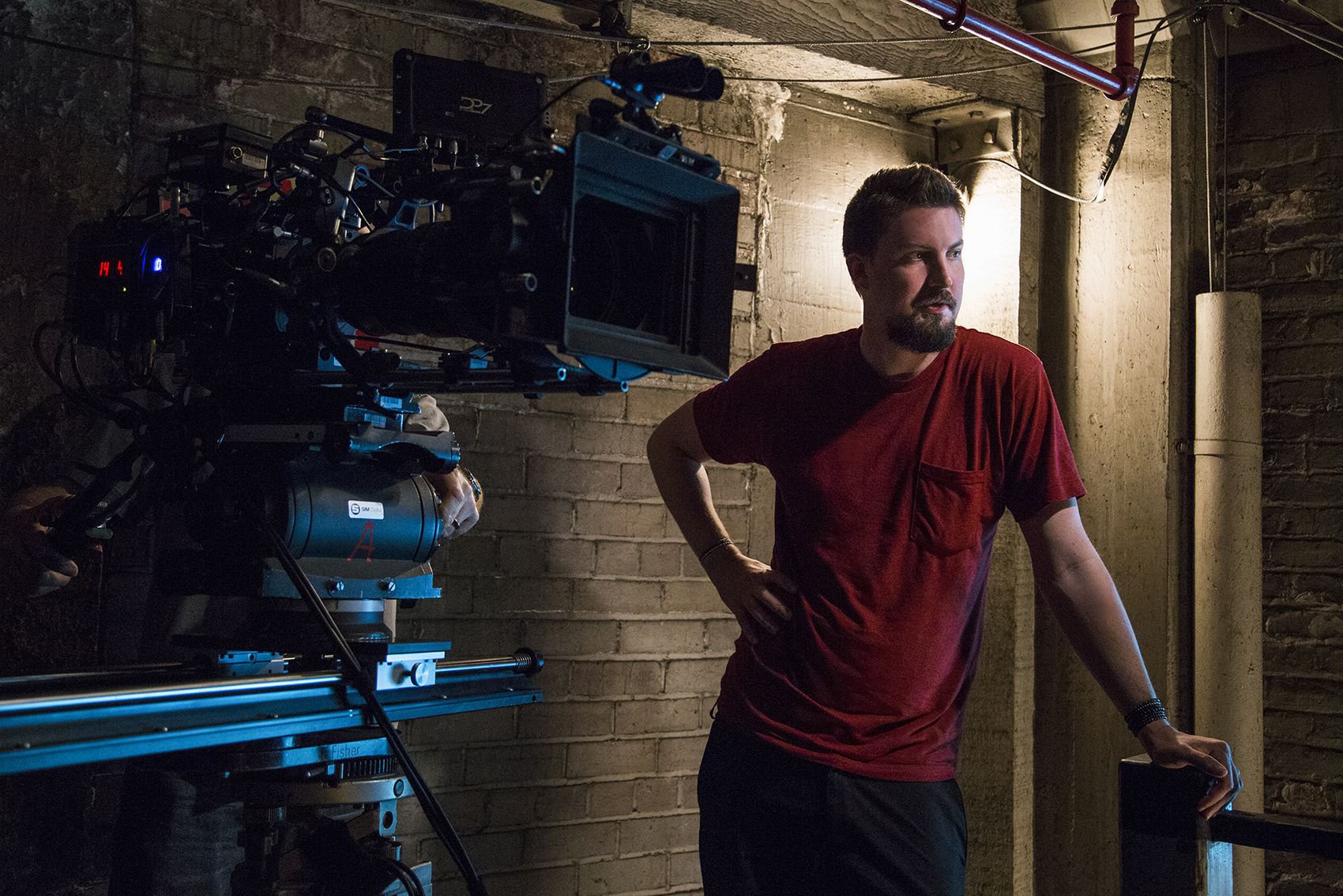
Wingard discusses how Death Note fits into his larger career ambitions.

Cary Murnion and Jonathan Milott’s Bushwick is a genre film with a refreshing sense of political infrastructure.

Twenty-six years after its release, it’s difficult not to watch Terminator 2: Judgment Day through a scrim of irony.

The more grounded scenes from Death Note anchor a startlingly bloody fantasy of power run amok.
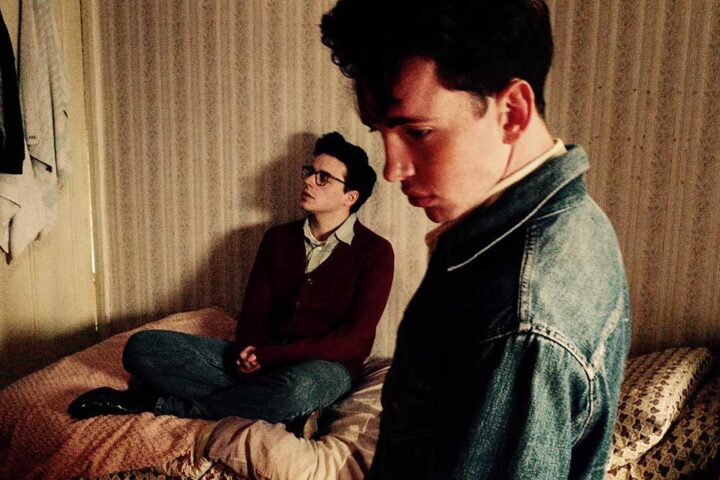
Mark Gill’s film is content to indulge young Steven Patrick Morrissey’s basest, self-flagellating impulses.

In the end, The Villainess doesn’t add up to all that much beyond a slick march toward an act of bloody revenge.

The animation’s careful attention to detail is undermined by an anxious pandering to contemporary sensibilities.

It’s more a glorified, extended episode of Behind the Music than a fully realized portrait of a superstar’s supernova.

Stanfield discusses why acting in Get Out was an out-of-body experience, how the internet nurtures creativity, and more.

The Oscar-winner discusses her activism and the liberations of shooting a complex film quickly.
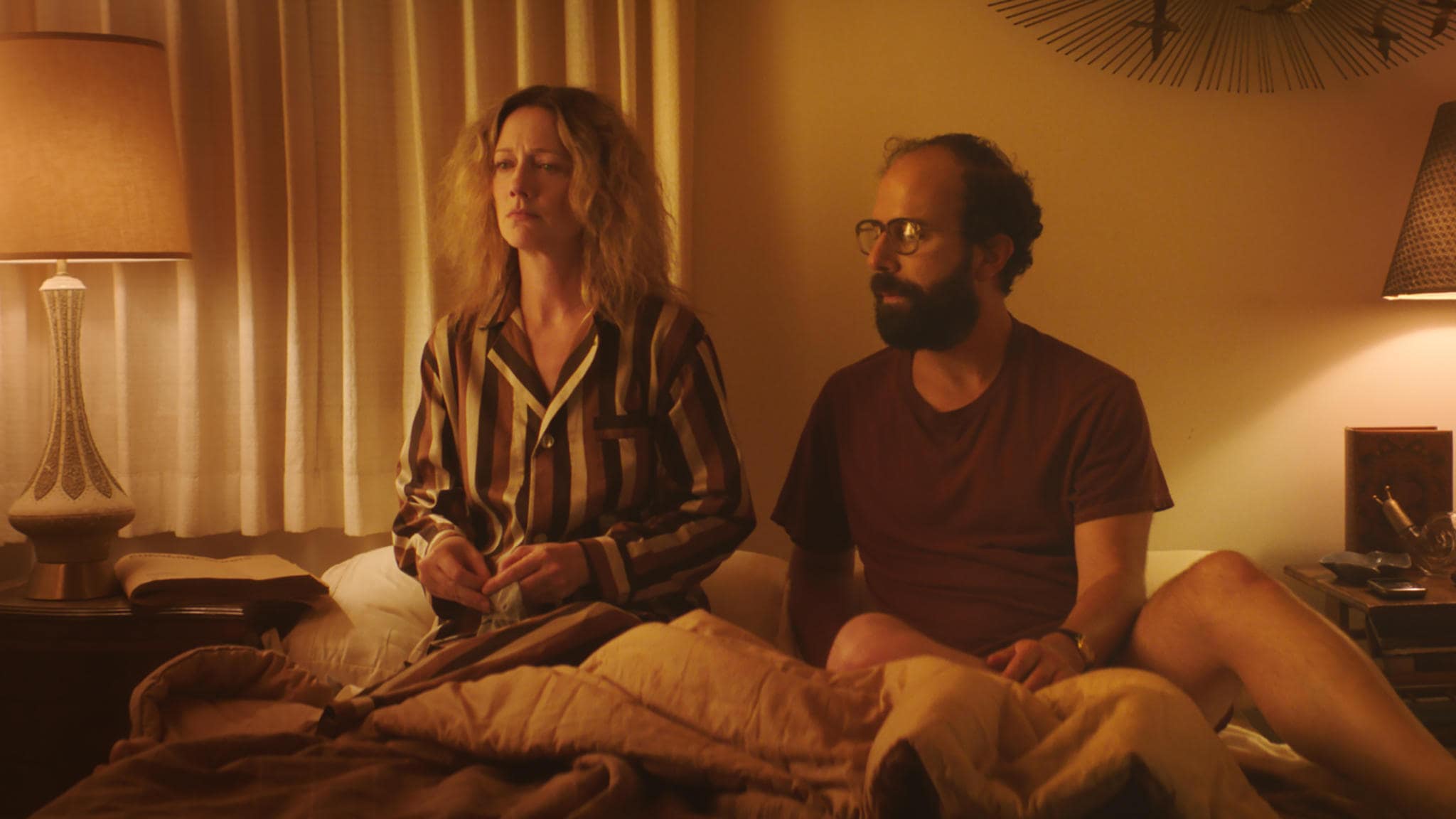
Self-absorption is director Bravo’s focus, though it’s a topic that’s less examined than indulged.

Steven Soderbergh’s Logan Lucky is an ensemble comedy that’s simultaneously effervescent and cerebral.

It was a shame that no special anniversary prize was created and bestowed on The Wandering Soap Opera.

Ultimately, the film most disappoints for its unwillingness to consistently poke fun of its inherent absurdity.
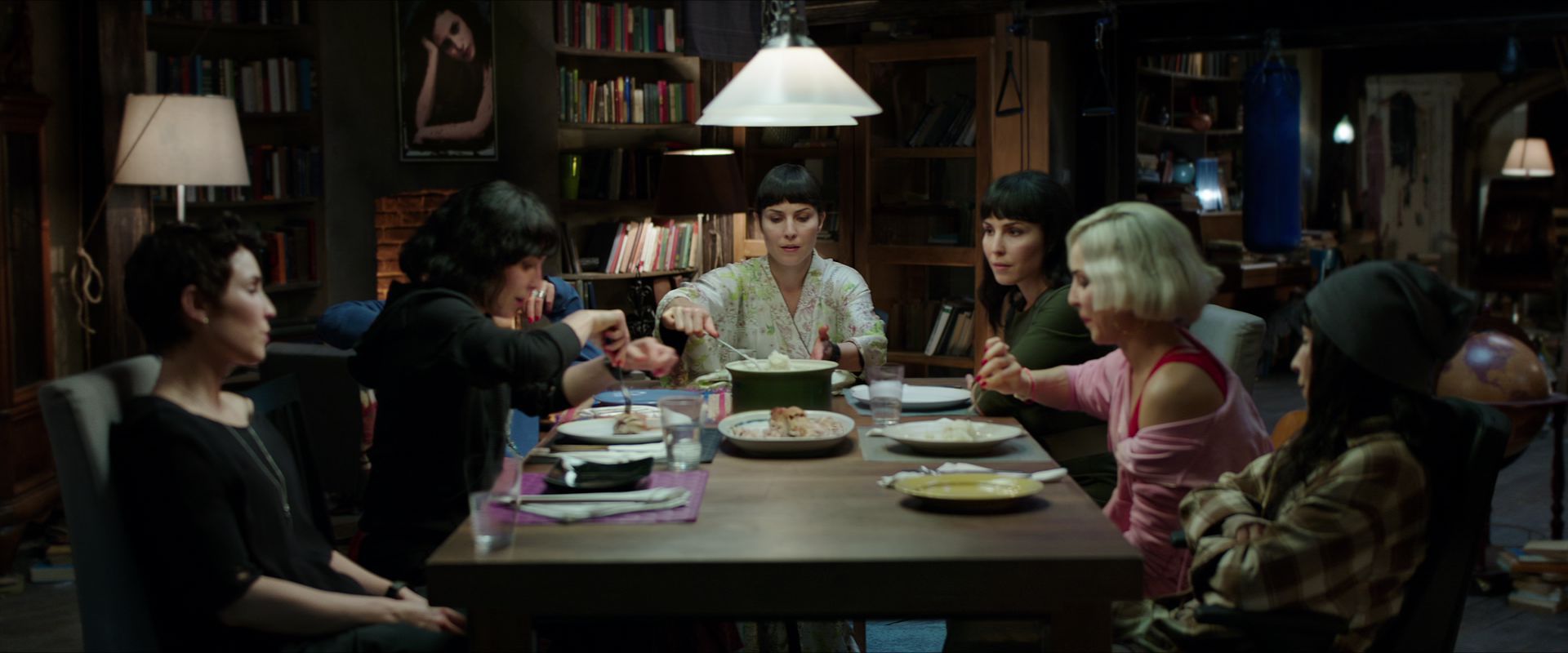
Tommy Wirkola’s film squanders an evocative premise in favor of rote gun-fu carnage.