Refn discusses his love of fairy tales, falling through the rabbit hole of streaming, and more.
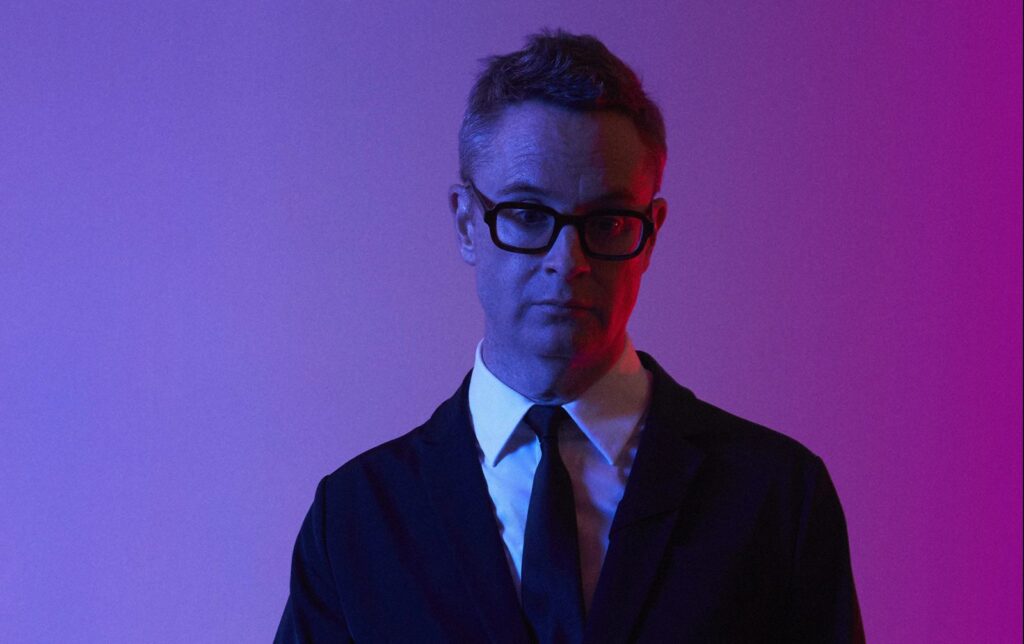

Refn discusses his love of fairy tales, falling through the rabbit hole of streaming, and more.

The film homes in on the ways Nadia Murad’s fragility and self-doubt arise as collateral damage from her fame and steadfast activism.
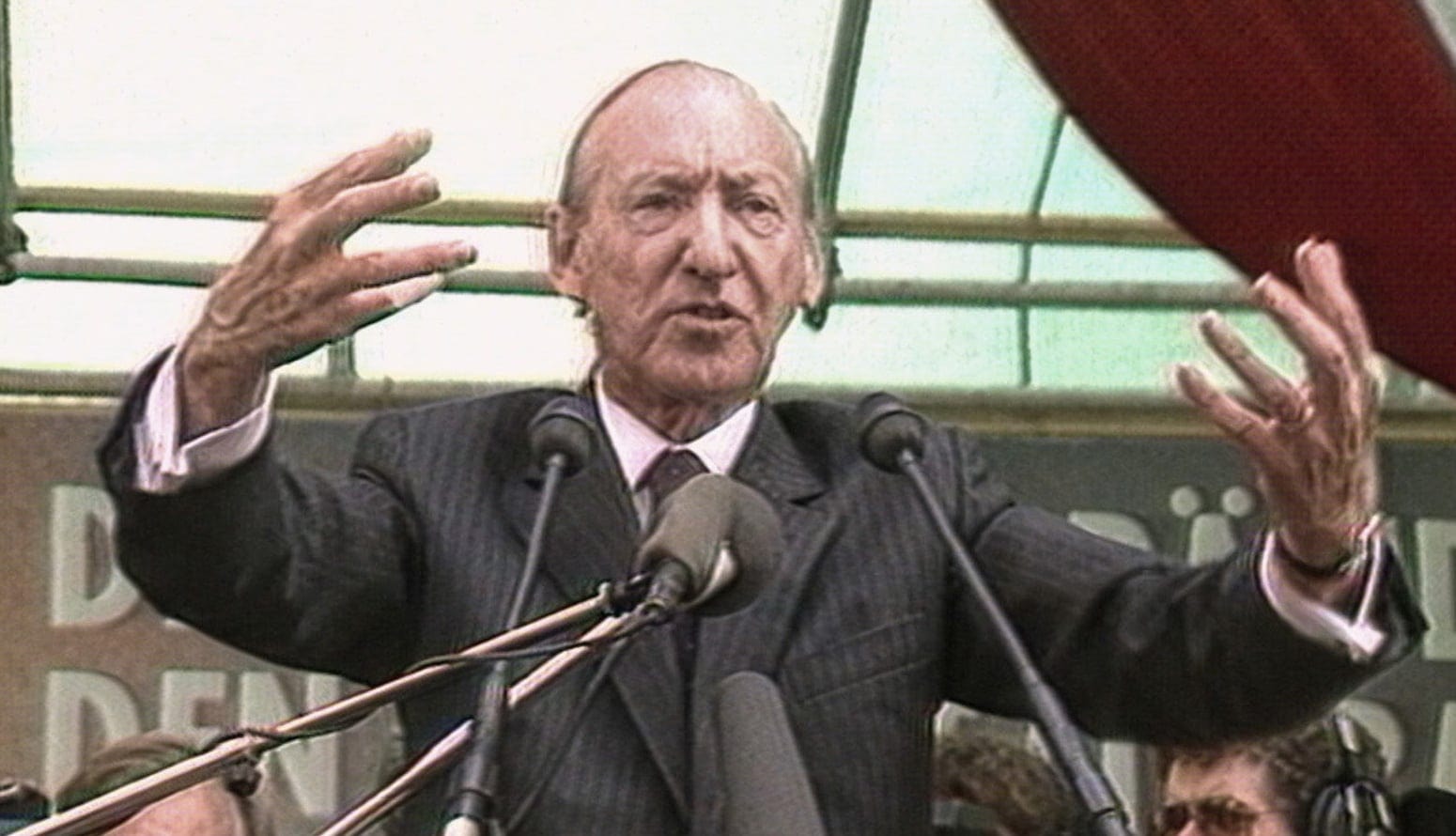
The film gradually builds outrage at the subterranean persistence of fascism in postwar politics.
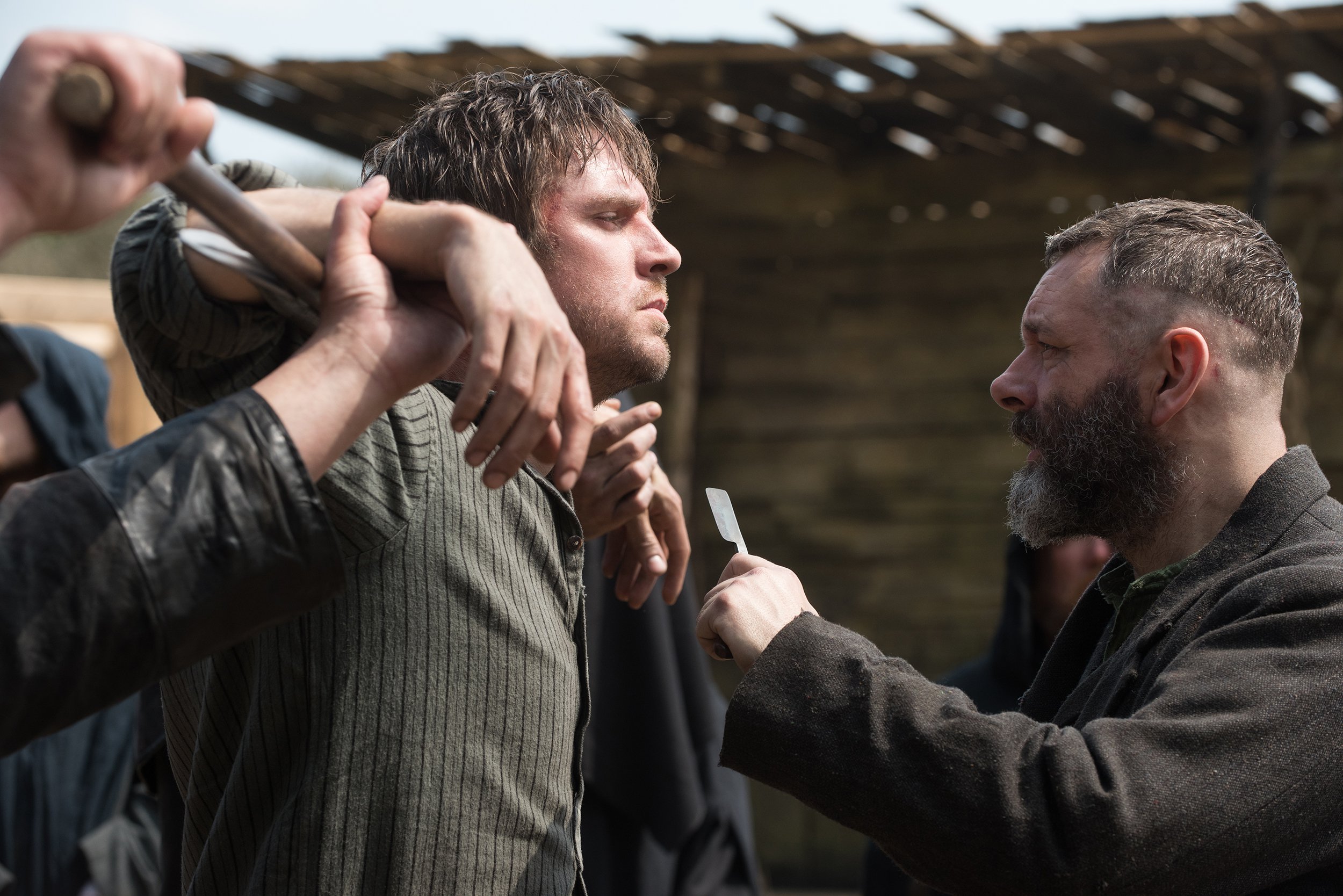
The film’s victims are pawns in a super-gory bacchanal, which is aesthetically striking but emotionally dull.

Elan and Jonathan Bogarín’s film blends various tones and visual styles with confidence and infectious exuberance.

Hosking’s film is one of those absurdist boutique comedies that pushes against the definition of a punchline.
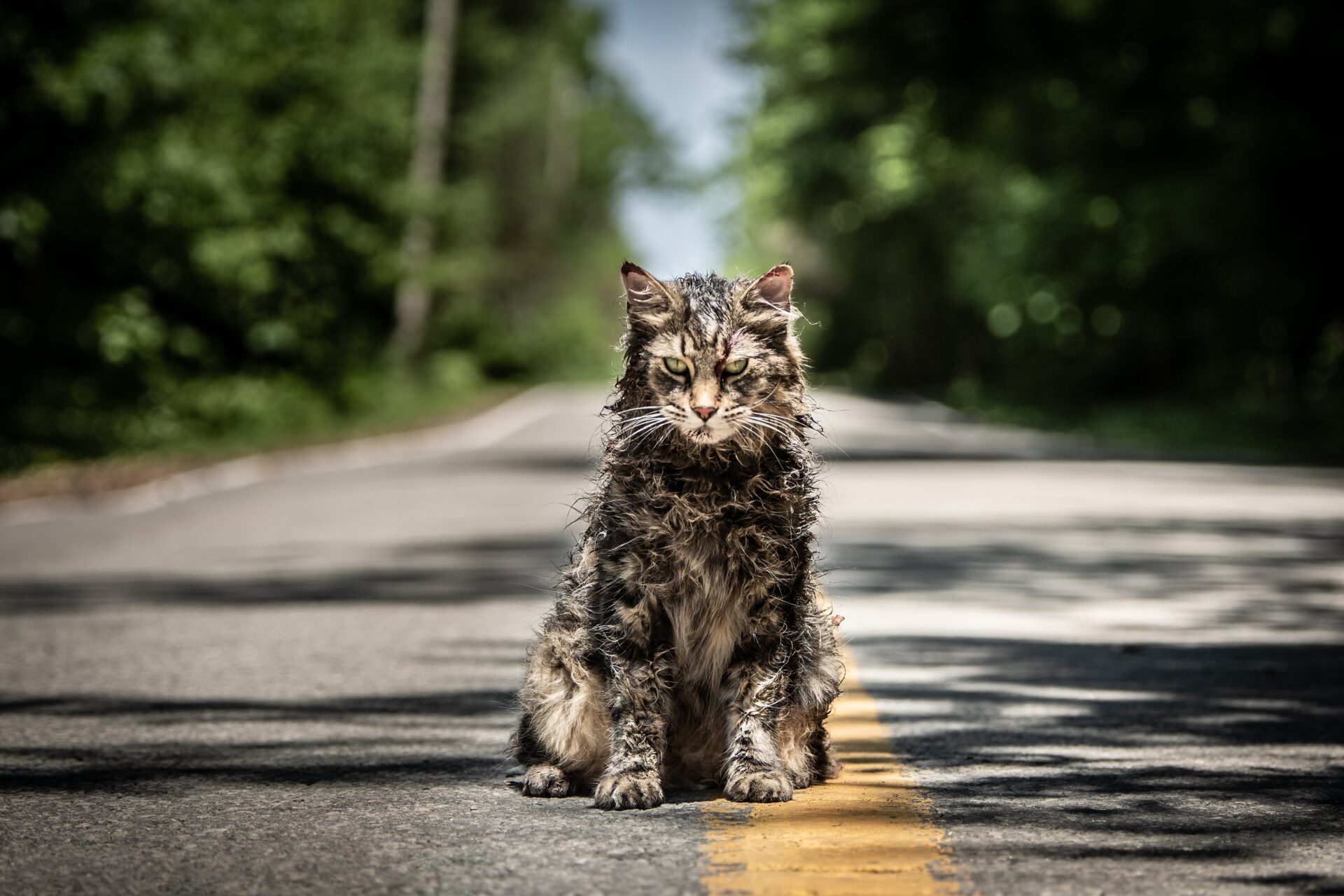
The original film hasn’t aged very well, so it will come as a surprise to no one that a remake is on the horizon.

Everett discusses his passion for Wilde and bringing his labor of love to the screen.

Rudy Valdez has no distance from the material, which works simultaneously in the film’s favor and, largely, its disfavor.

The satirical film tells the story of how a progressive grad student becomes an accidental battle rapper and whose success breeds outrage.
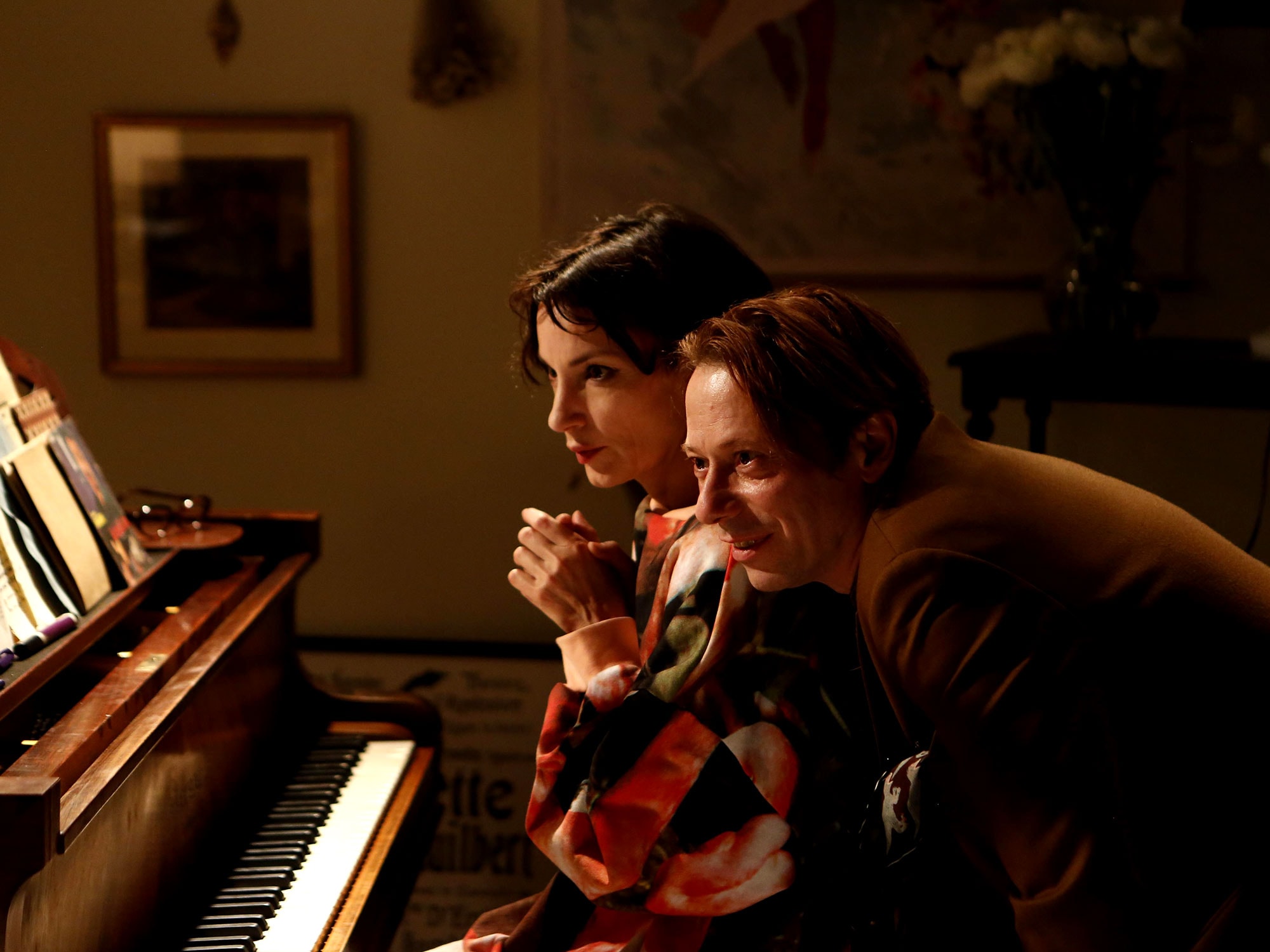
In Barbara, the process of filmmaking is shown to be a nesting series of shells that allow one to be simultaneously freed and lost.

Writer-director Megan Griffiths’s film remains a clear-eyed portrait of maternal love and teenage turmoil.

The Ballad of Buster Scruggs is a silly, mood-shifting shaggy-dog anthology that feels at once structurally ambitious and almost perfunctory.
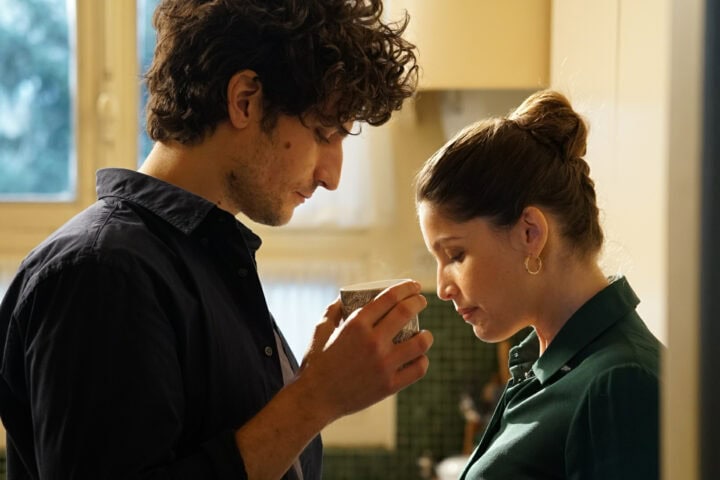
It reveals itself as neither committed Nouvelle Vague subversion nor skillful homage, but rather a weak and uninspired imitation.
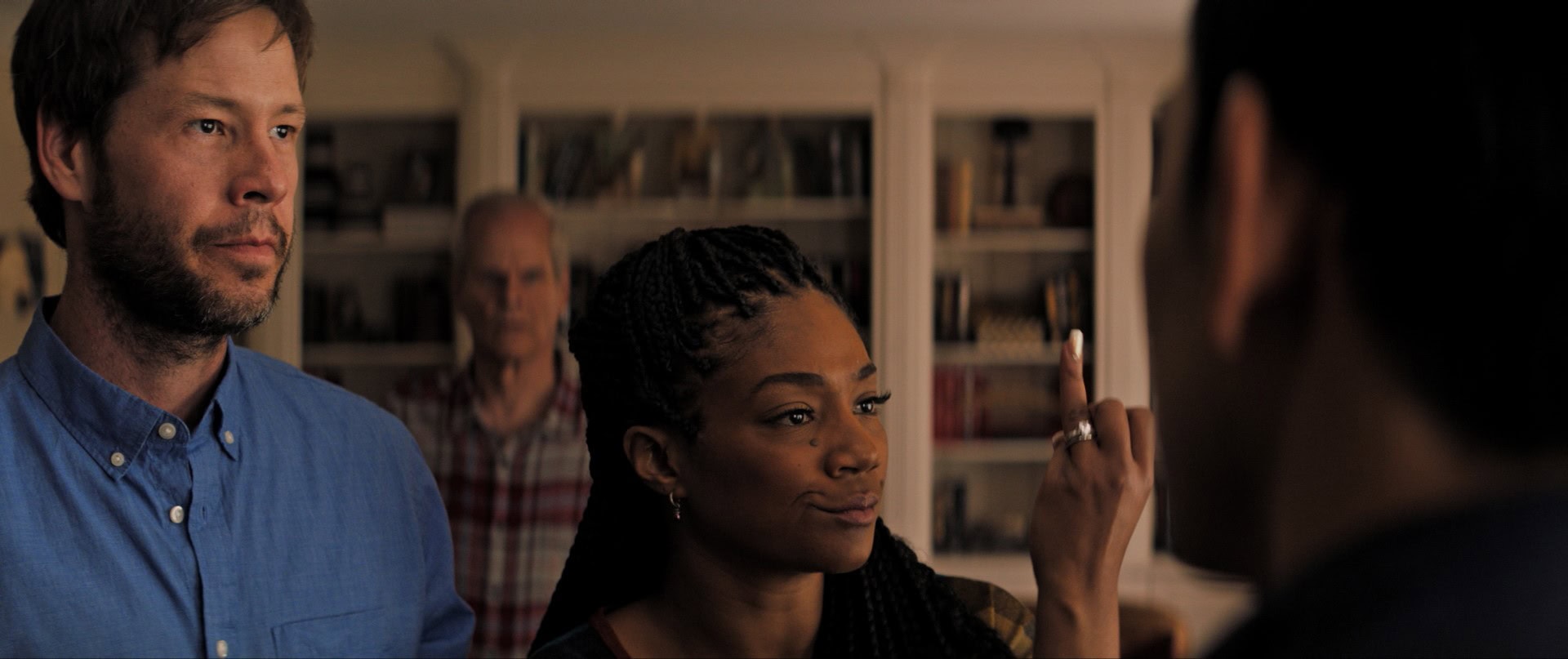
The Oath seems to say that the worst part of a full-fledged American dystopia would be the ruined holiday dinners.
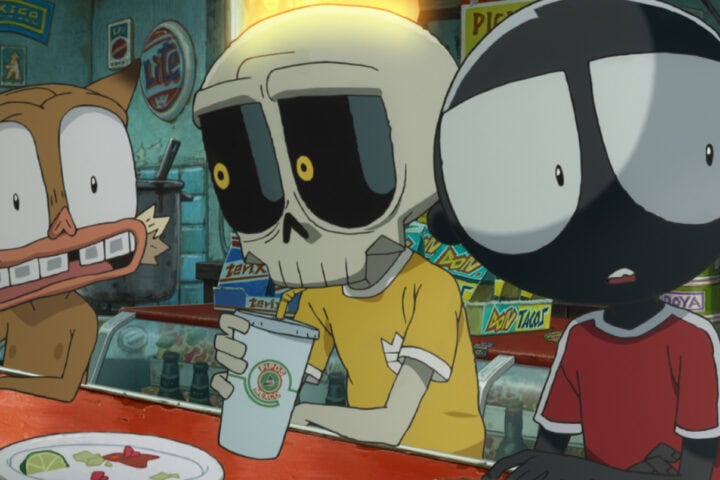
The bulk of MFKZ is composed of chases and shoot-outs that drive the plot forward at a plodding pace.

That a drop from the Jaws score wouldn’t be out of place on 22 July’s soundtrack shows how tactlessly Paul Greengrass milks tragedy for titillation.
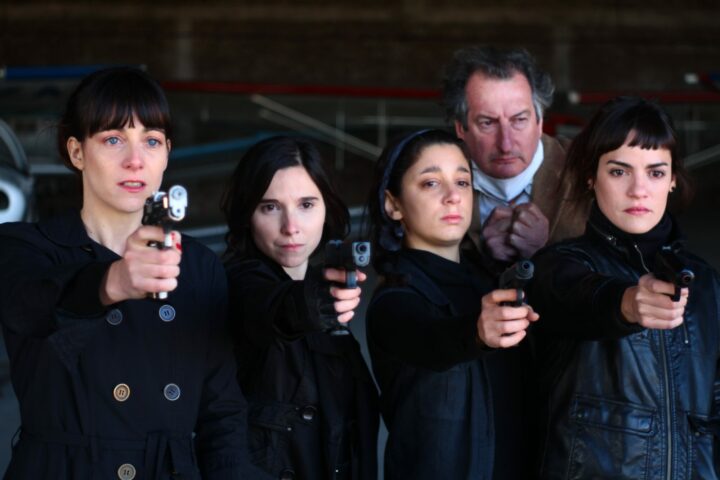
The arc of La Flor’s first three episodes, in particular, suggests someone continually working and reworking the film of their dreams.

By the end, Venom’s full-tilt embrace of action effectively undermines Tom Hardy’s flashes of actorly idiosyncrasy.
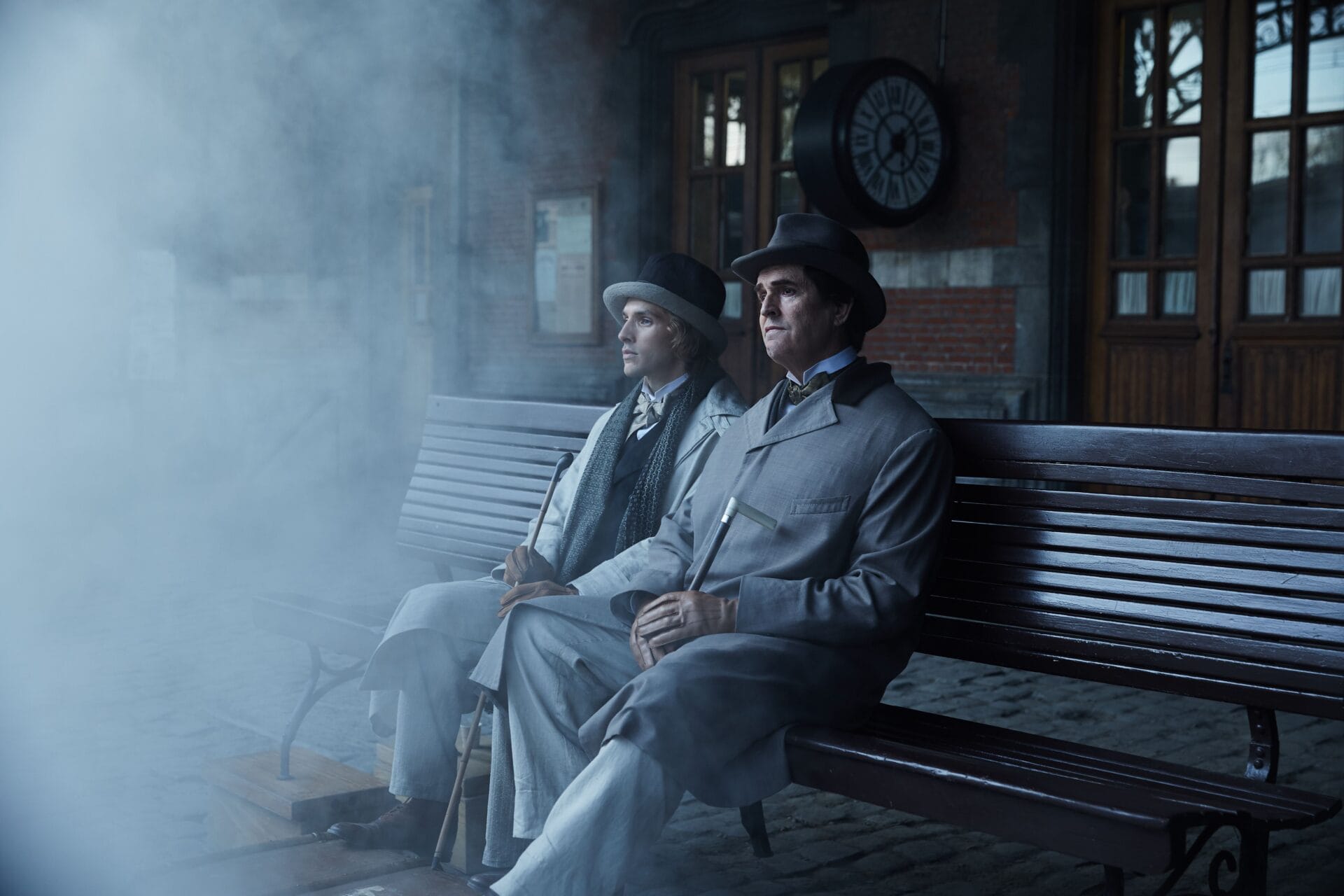
Rupert Everett is interested in offering a phantasmagoria that expresses Oscar Wilde’s bitter, deteriorating psyche.

Three years after he hit paydirt and a bonanza of critical acclaim for The Big Short, Adam McKay is back with Vice.