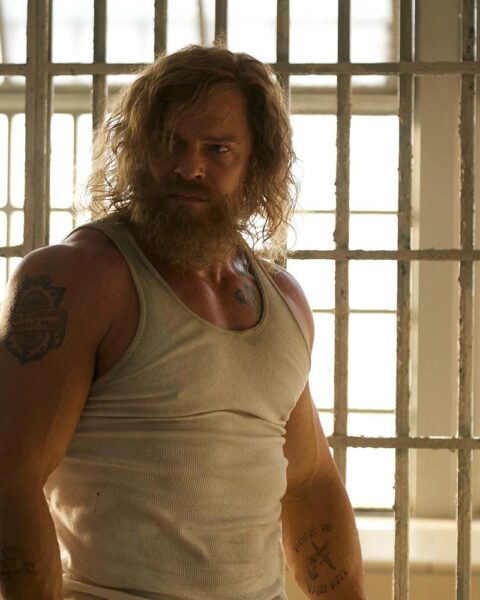
Refn discusses his love of fairy tales, falling through the rabbit hole of streaming, and more.


Refn discusses his love of fairy tales, falling through the rabbit hole of streaming, and more.

The documentary nurtures our sympathy for Steve Rubell and Ian Schrager without shortchanging their hypocrisies.

The film suggests that metal, as a rebellious lifestyle, can be an outlet for the marginalized and unfulfilled.
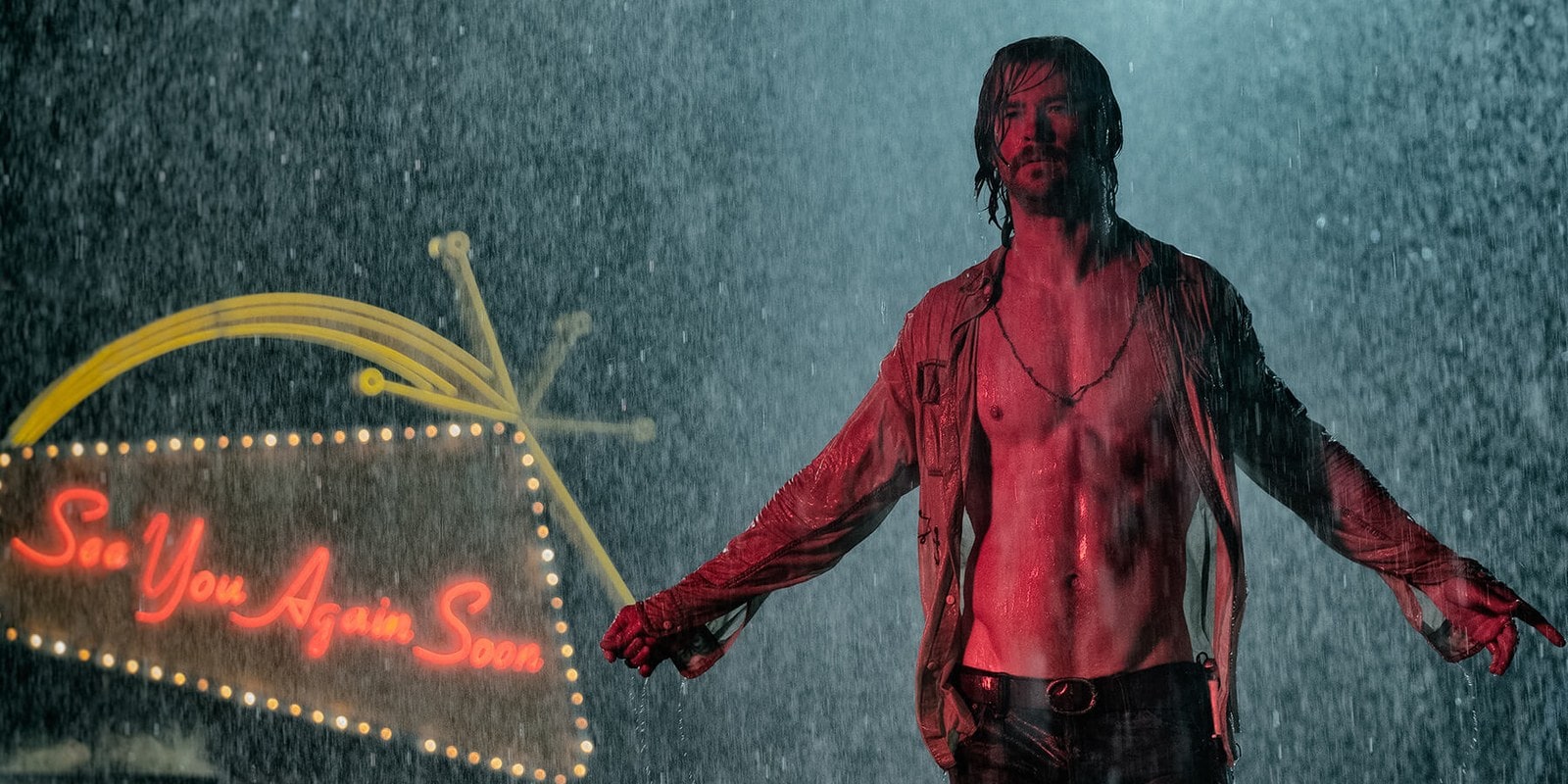
Bad Times at the El Royale begins as a cheeky chamber drama before morphing into an expectation-busting blend of noir and pitch-black comedy.

Ying Liang’s film is righteously and vigorously angry about injustices committed by the Chinese government.

The Hate U Give has taken the recent Black Lives Matter movement—with all its passion, fury, and hunger for justice—and turned it into a lesson plan.

Over the Limit is composed of minutely observed moments that Marta Prus has assembled into an affecting narrative.
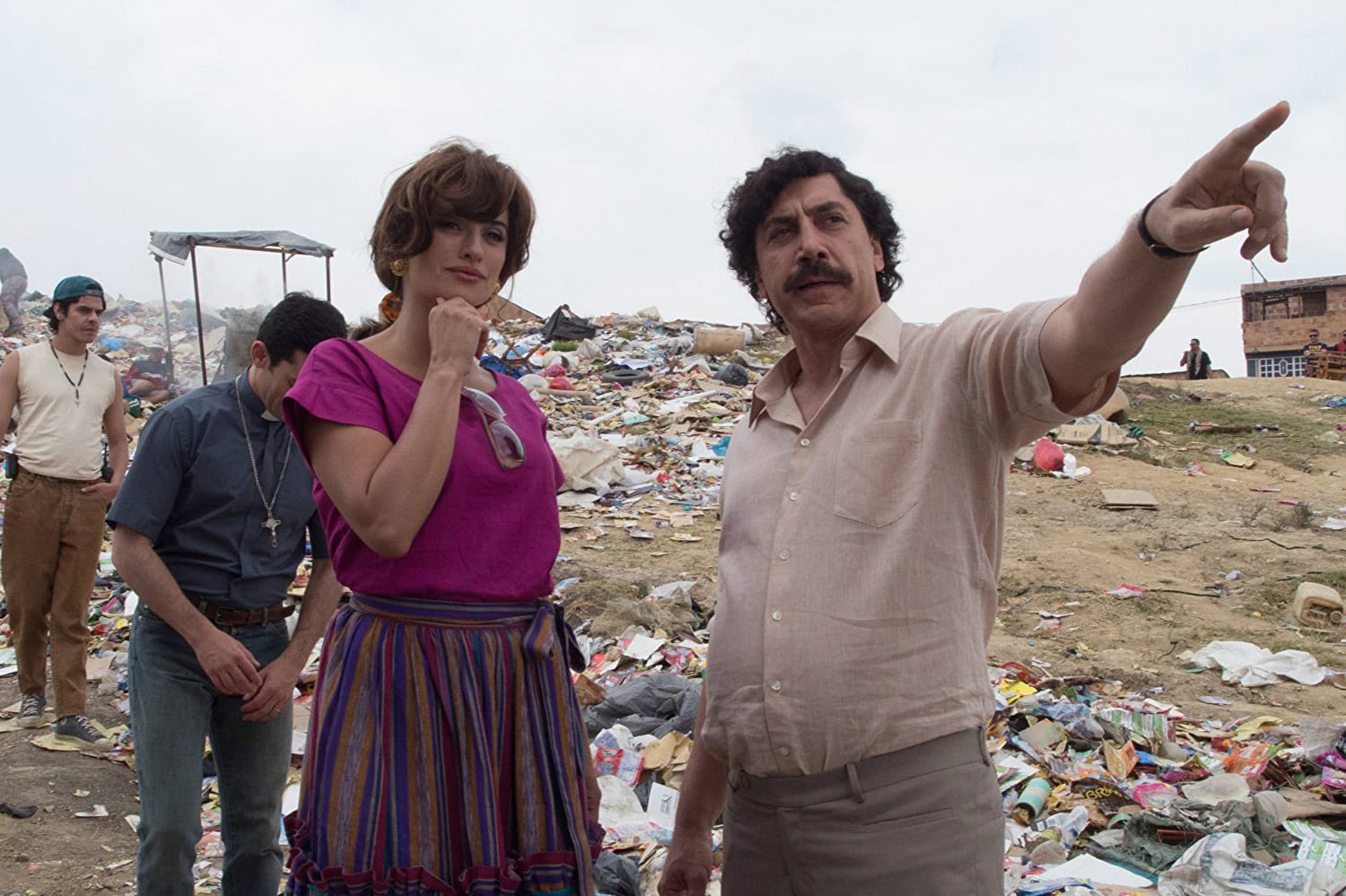
The film dwells in a murky middle ground where everything is overblown but meant to be taken at face value.

Benicio Del Toro and Josh Brolin, producer Molly Smith, and director Stefano Sollima discuss the film’s function as a spinoff of Sicario.

This year’s main slate, the most geographically far-flung in recent memory, features 30 films from 22 different countries.

The film’s ludicrous seriousness comes to feel like a mask for what’s essentially a genre story of murder and mayhem.

Tamara Jenkins never musters the effort to expand the scope of her narrative, opting to make a film strikingly similar to The Savages.

Chemistry counts for something, and Robert Redford and Sissy Spacek have it in spades in The Old Man & the Gun.

A story of filth and fury and, eventually, of placidity and peace, Her Smell is Alex Ross Perry’s most chaotic and unmuffled film—until it isn’t.

Somehow, Bi Gan’s film is self-aware and fluid as its own viewing experience, yet inextricable from its loud-and-clear influences.

Like many films tackling socially inflammatory material, Monsters and Men is constrained by its politics.

If Beale Street Could Talk is at its most potent in the scenes where human frailty and the specter of injustice come more elliptically to the surface.

At Eternity’s Gate is both a fitting tribute to an artist who rebuffed conventional painting techniques, and a disappointingly self-indulgent exercise.

The film carelessly affirms the idea that all women should be able to fight back at will, and if they don’t, it’s on them.

The film often struggles to extract deeper thoughts from its subject about her wild career as a pioneering rock feminist.

Smallfoot is ballsy for pushing young viewers to question culturally coded notions of good and evil.