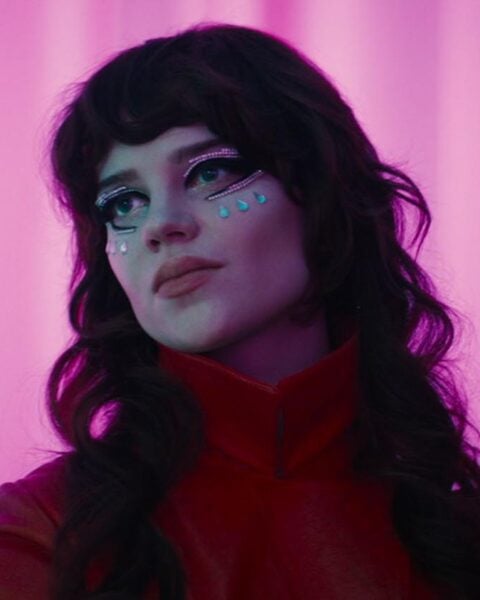
Refn discusses his love of fairy tales, falling through the rabbit hole of streaming, and more.


Refn discusses his love of fairy tales, falling through the rabbit hole of streaming, and more.
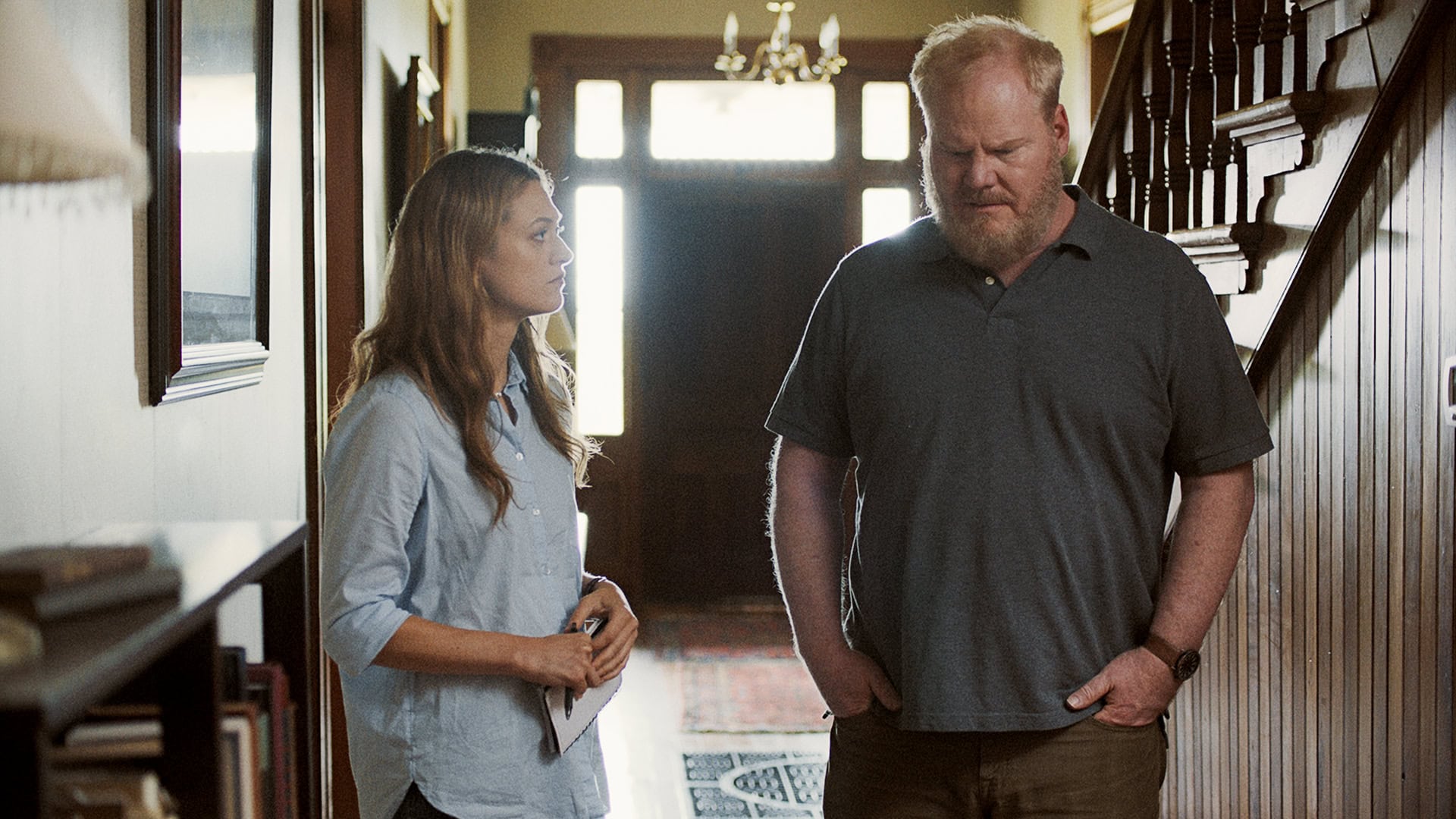
Only in focusing so thoroughly on the normal does Paul Harrill’s film stumble upon the paranormal.

Richter discusses how he connects his classical schooling to one of his other early passions: outer space.
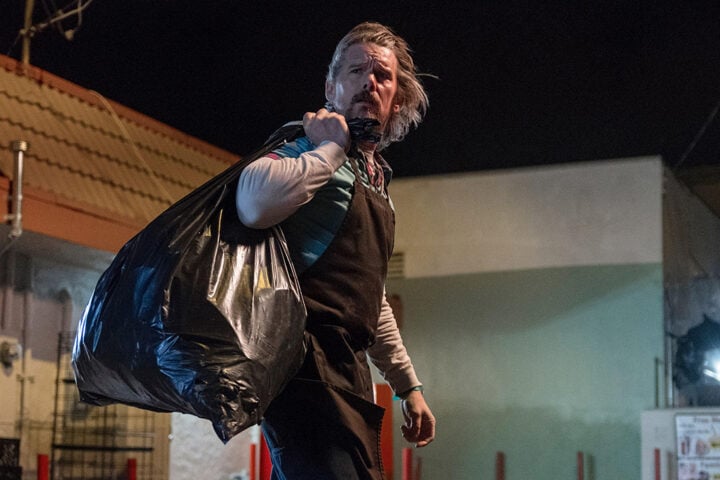
Viewed charitably, its sketchy protagonist and vague atmosphere are meant to achieve the effect of a parable.

Graham Swon undermines our expectations of horror-movie conceits, attempting to tap the primordial manna of oral storytelling.
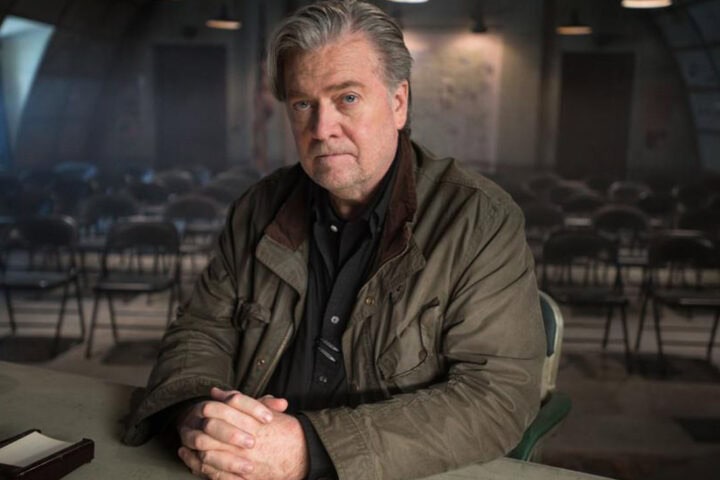
The film feels rather like listening to the arsonist calmly explain why he set the fire as we continue to watch it rage.

The film image opens a space for both a reckoning with the old and the creation of the new.

If there’s an ethos that Justin Dec’s film believes in, it’s only that “death sucks.”
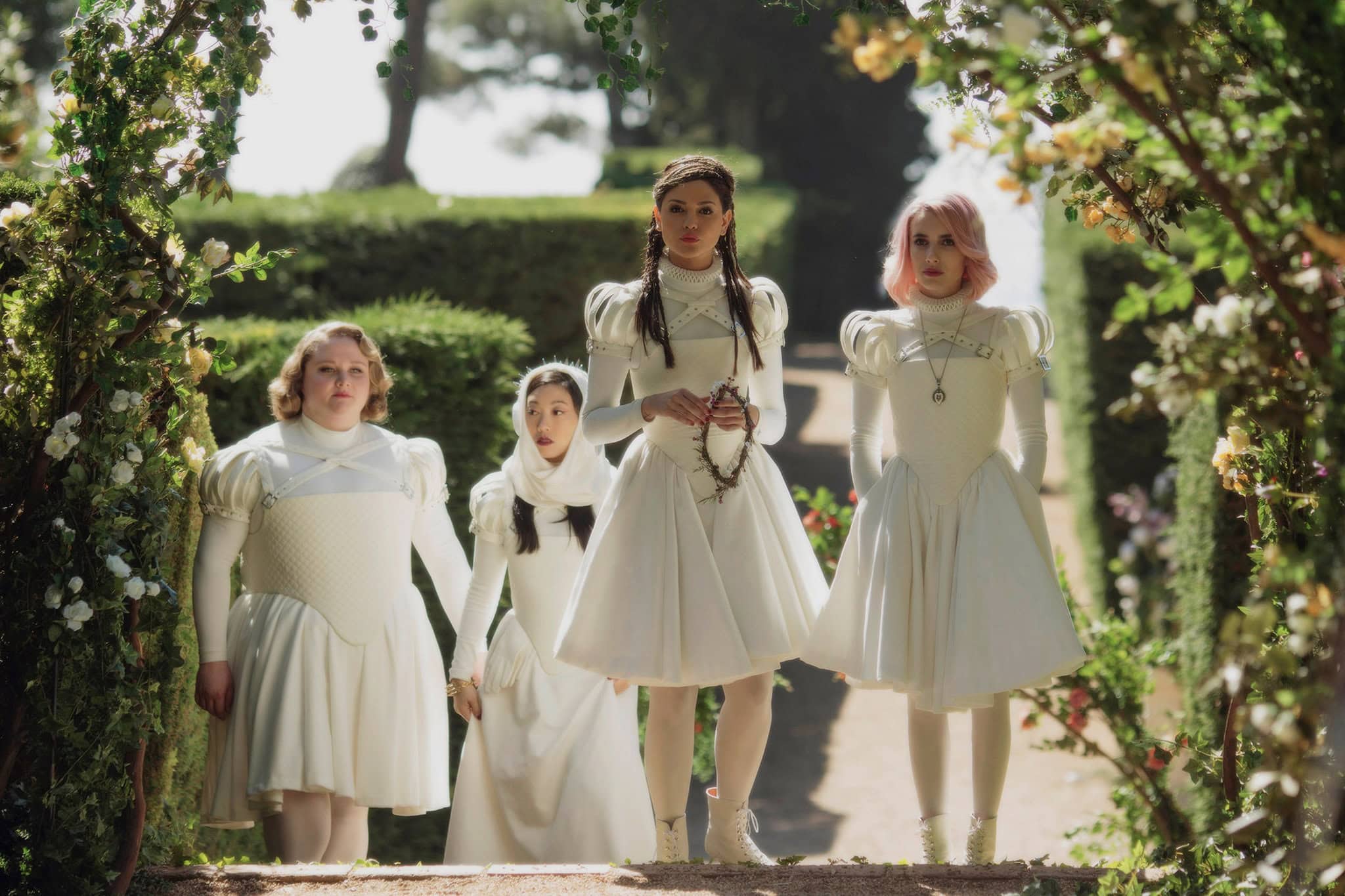
Alice Waddington’s sci-fi fantasy never finds a cohesive story wrapper for its themes.

Only Marisa Tomei’s face can compete with Huppert’s ability to turn even the sappiest of scenarios into a nuanced tour de force.
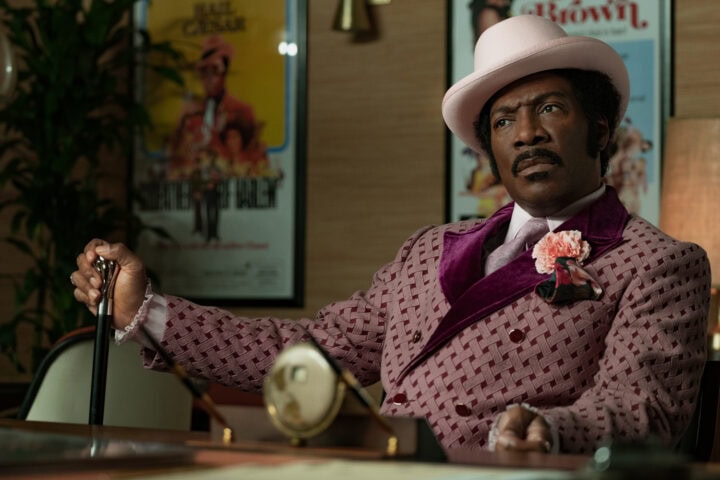
After its promising first act, Craig Brewer’s film becomes a series of fleeting bits, allowing questions to pile up.

The film is good enough to redeem the bad taste that lingered from its predecessors but too uninspired to make one want more.
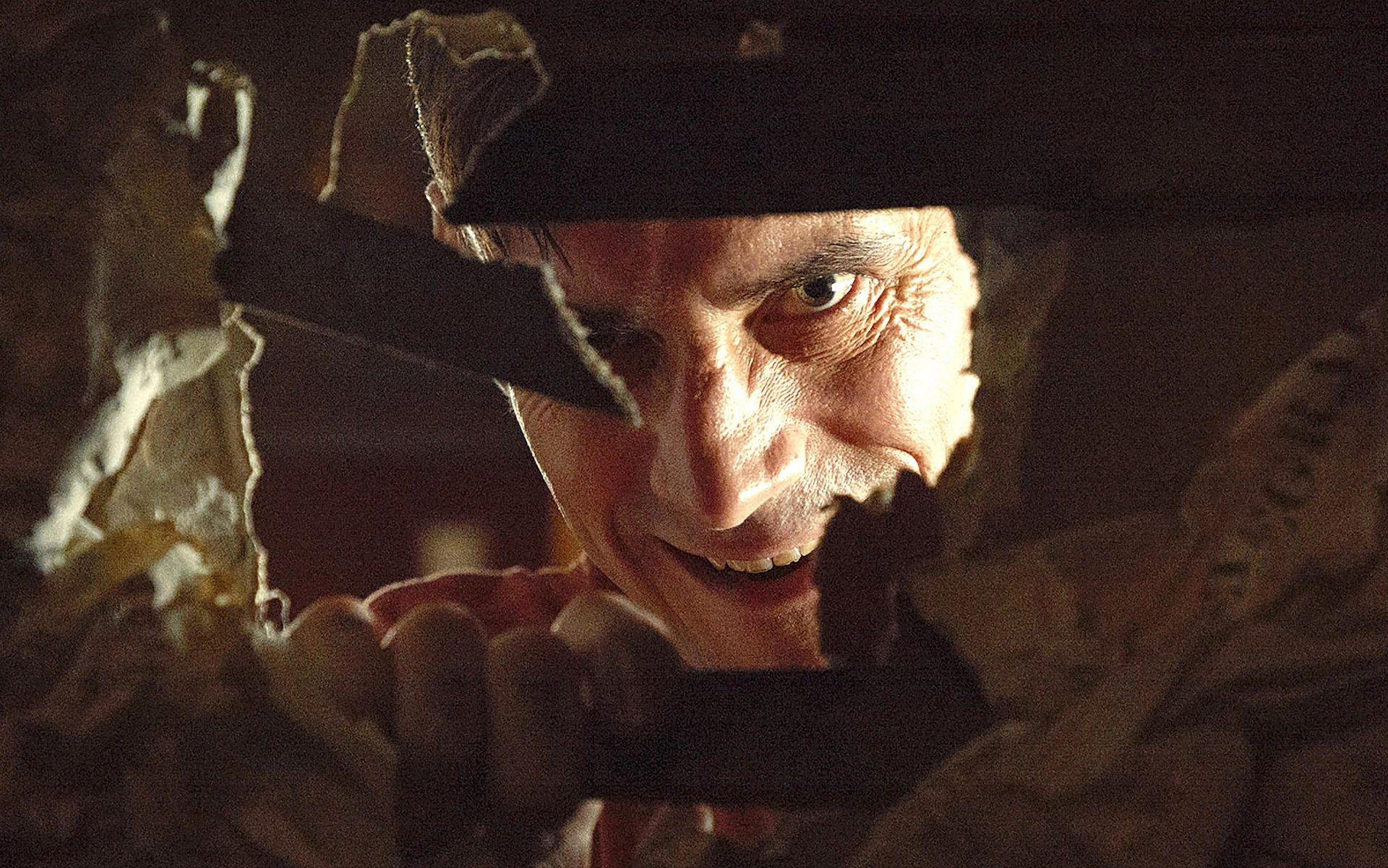
The film is loud and obvious about declaring its themes, as if to distract from their ultimate shallowness.
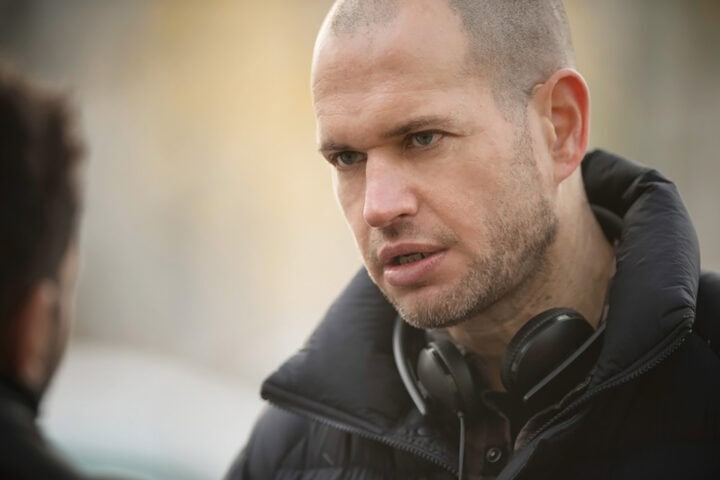
Lapid discusses how he sought to confront audiences with questions about belonging, nationalism, and identity.

This time capsule of bohemian New York distorts its representation of the city for reasons more loving than lazy.

This battlefront thriller has a clearer moral sense than other cinematic attempts to cope with the War on Terror.
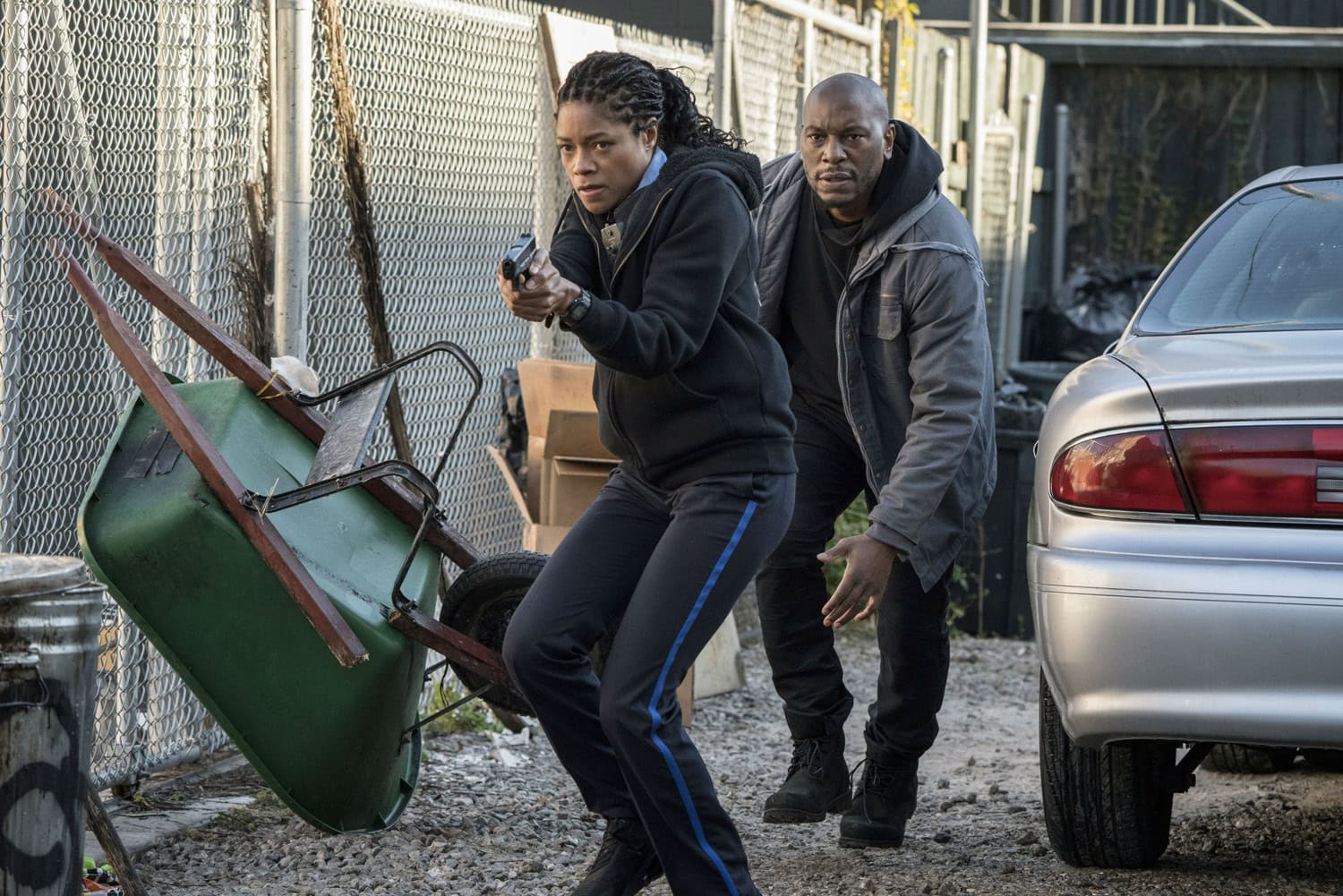
The film’s command of action defuses concerns about whether it offers a thorough social critique.
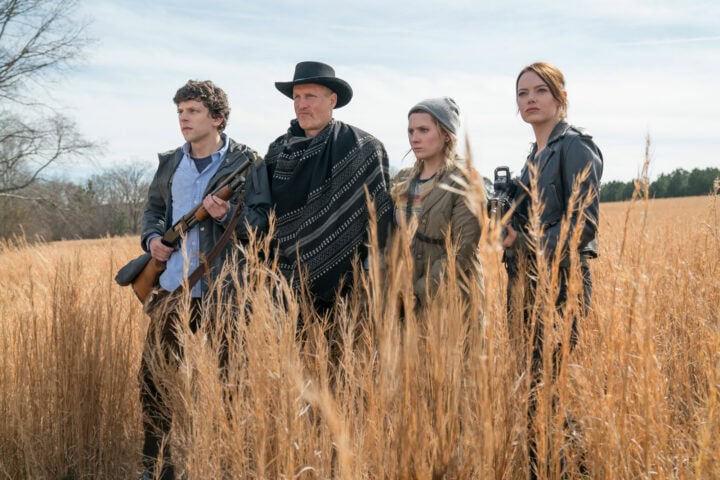
Behind the film’s self-awareness and irony is a hollow emotional core.

In transforming folk metaphors into utilitarian attributes of an action hero, Disney exposes the emptiness of their product.
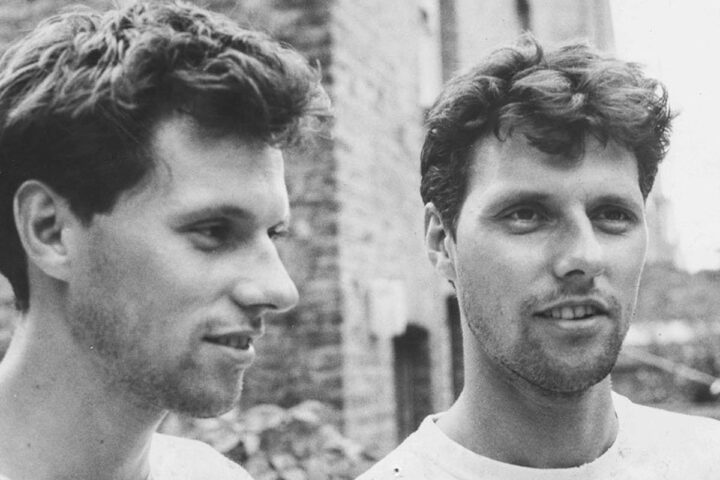
By focusing so narrowly on the Lewis brothers’ relationship with their mother, the film inadvertently minimizes the scope of their abuse.
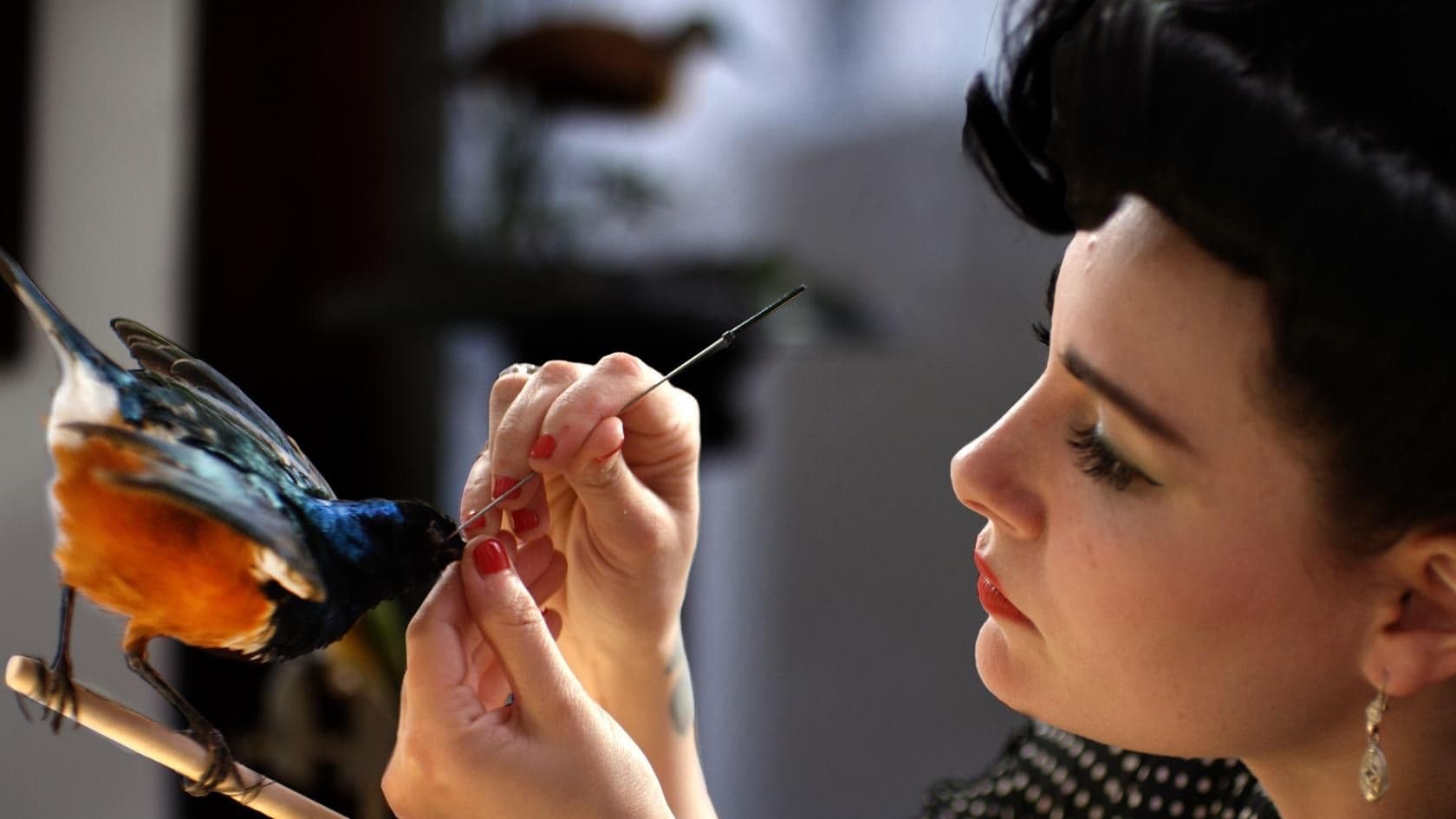
Erin Derham’s unadventurous aesthetic inoculates her from taxidermy’s subversive spirit.