Refn discusses his love of fairy tales, falling through the rabbit hole of streaming, and more.


Refn discusses his love of fairy tales, falling through the rabbit hole of streaming, and more.

The film never veers into wink-wink self-consciousness that its opening might have suggested.
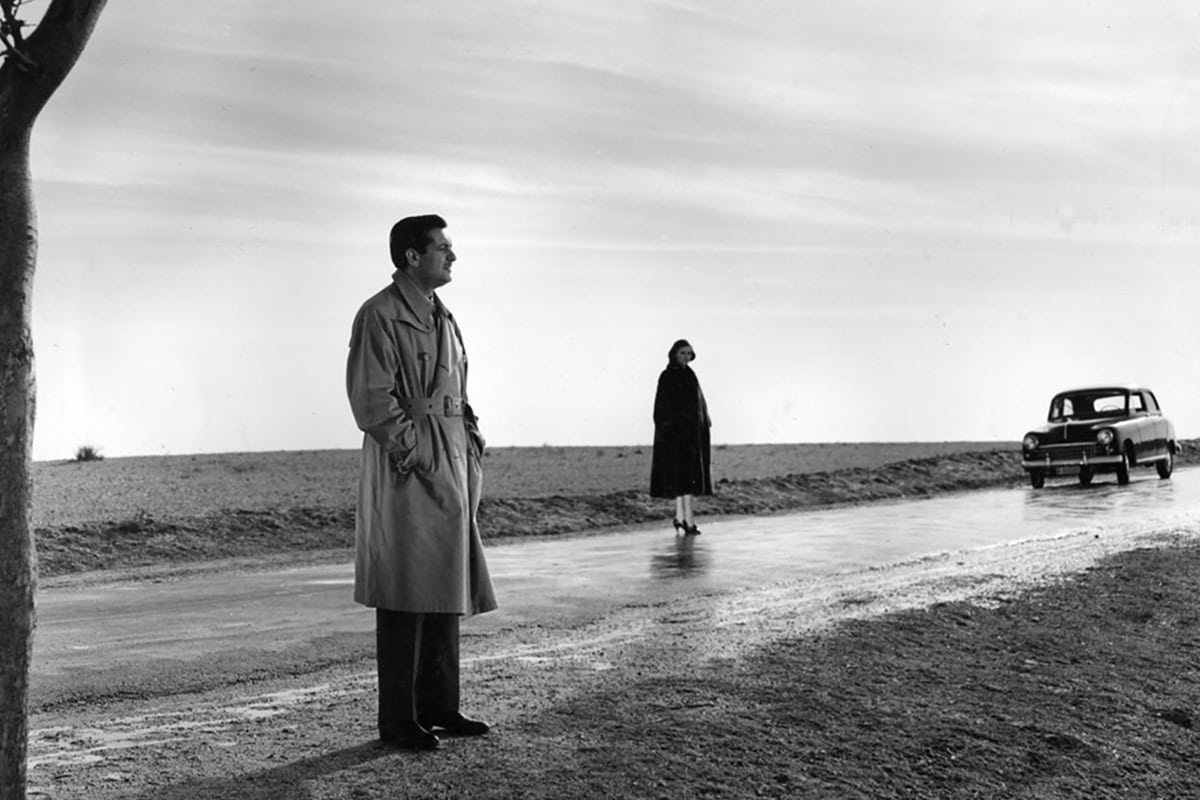
It’s worth taking a dive into the channel’s obscure but vibrant depths.

In Deerskin, Quentin Dupieux mines the absurdism that is his signature with newfound forcefulness.
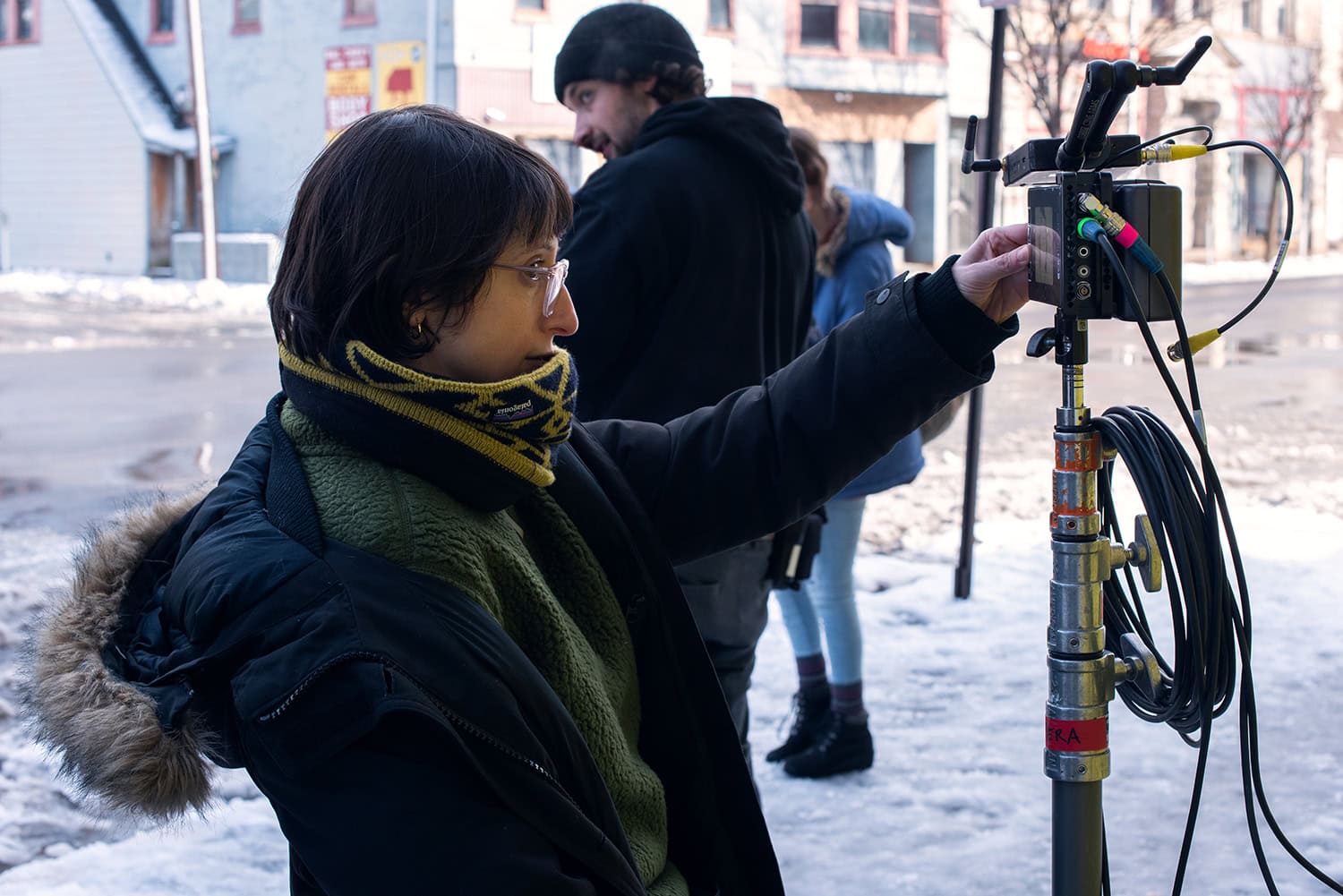
Never Rarely Sometimes Always breaks new ground for Hittman as a filmmaker.

In our wide-ranging conversation, we covered the hazy distinctions between past, present, and future in both Brazil and the United States.

Given its hero’s imperviousness, the film’s chaotically edited action sequences tend to be devoid of suspense.

The film was almost canceled for being too partisan, so it’s ironic to discover that it’s practically apolitical.

Thomas Heise’s documentary seeks to excavate real human thought and feeling beneath the haze of larger political structures.

It comes across like yet another casualty in the long line of stories about men having their eyes opened by their angelic girlfriends.

The film is suitably direct, clear-eyed, and exhaustive in documenting the massive impacts that gerrymandering has.

The fallout of the main characters’ actions feels perfunctory and tossed-off in the rush to an ending.

O’Connor discusses the challenge of rendering a performance with a smaller delta between actor and character

David France’s most remarkable accomplishment emerges from an aesthetic commitment of a very particular kind.
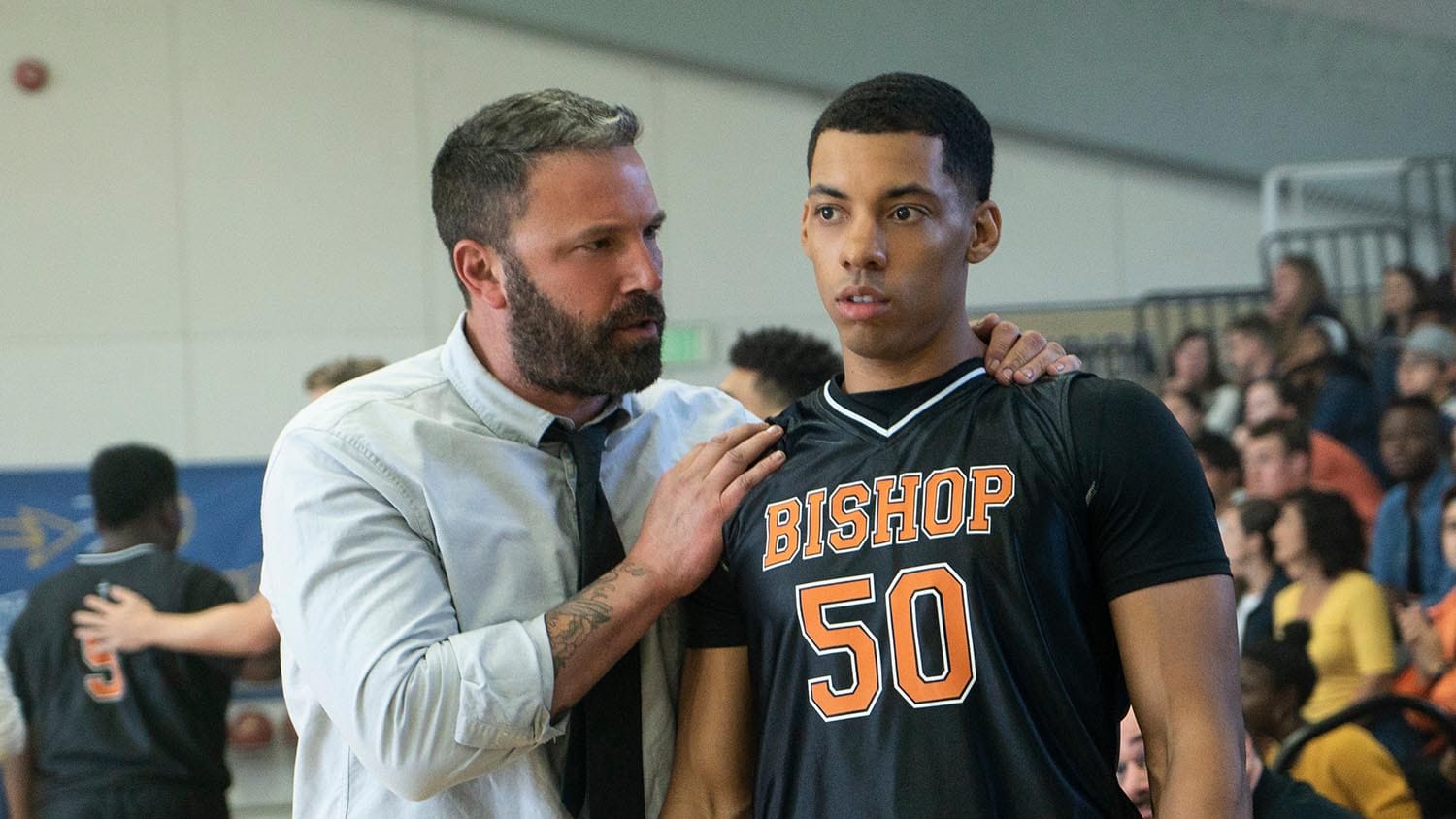
The film makes the path to basketball glory and the road to personal redemption seem oddly effortless.

Its portrait of Hong Kong bears more than a passing resemblance to Wong Kar-wai and Christopher Doyle’s early work.

So many grandiose tactics portend a grander revelation than the film’s otherwise low-key three-hander delivers.
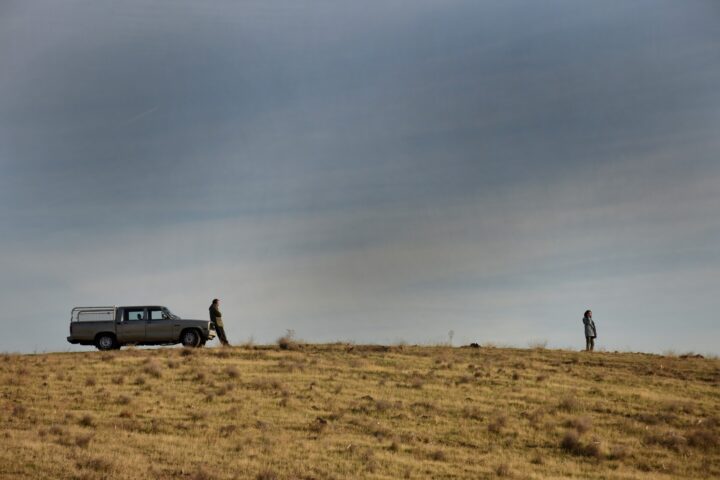
The film grapples with the various shapes that guilt and honor (or lack thereof) might take in a context of state-sanctioned death.

The film allows that we are complicit in privilege for our fascination and envy.

Driven by the potency of its social intentions, Eliza Hittman’s film is so authentically felt that it becomes hyper-real.

It’s difficult to imagine a more socially engaged or powerful condemnation of the exploitative gig economy than Ken Loach’s latest.