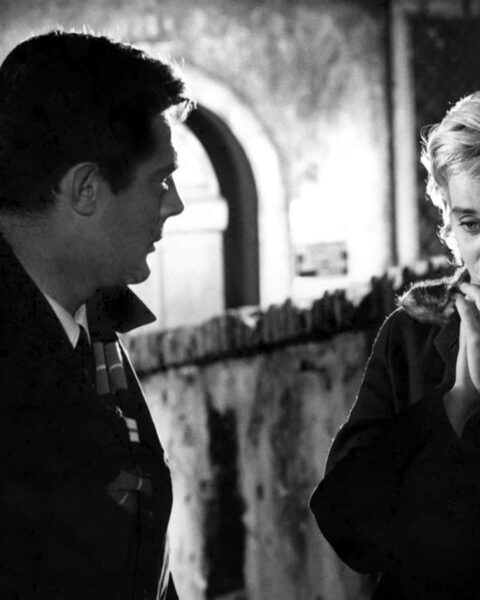
Refn discusses his love of fairy tales, falling through the rabbit hole of streaming, and more.


Refn discusses his love of fairy tales, falling through the rabbit hole of streaming, and more.

The film strikingly punctuates the detachment of realist drama with the expressionism of psychological horror.
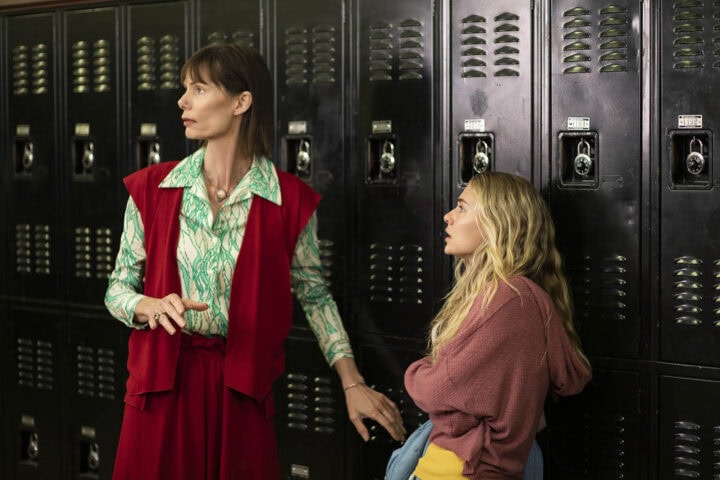
The film portrays mental illness with all the nuance and insight of Jared Leto in Suicide Squad.

Best exemplified by its fixation on culottes, the film never feels like more than a half-formed in-joke between close friends.

A number of notable films at IFFR this year are concerned with our digital lives and people trying to survive in a fractured world.
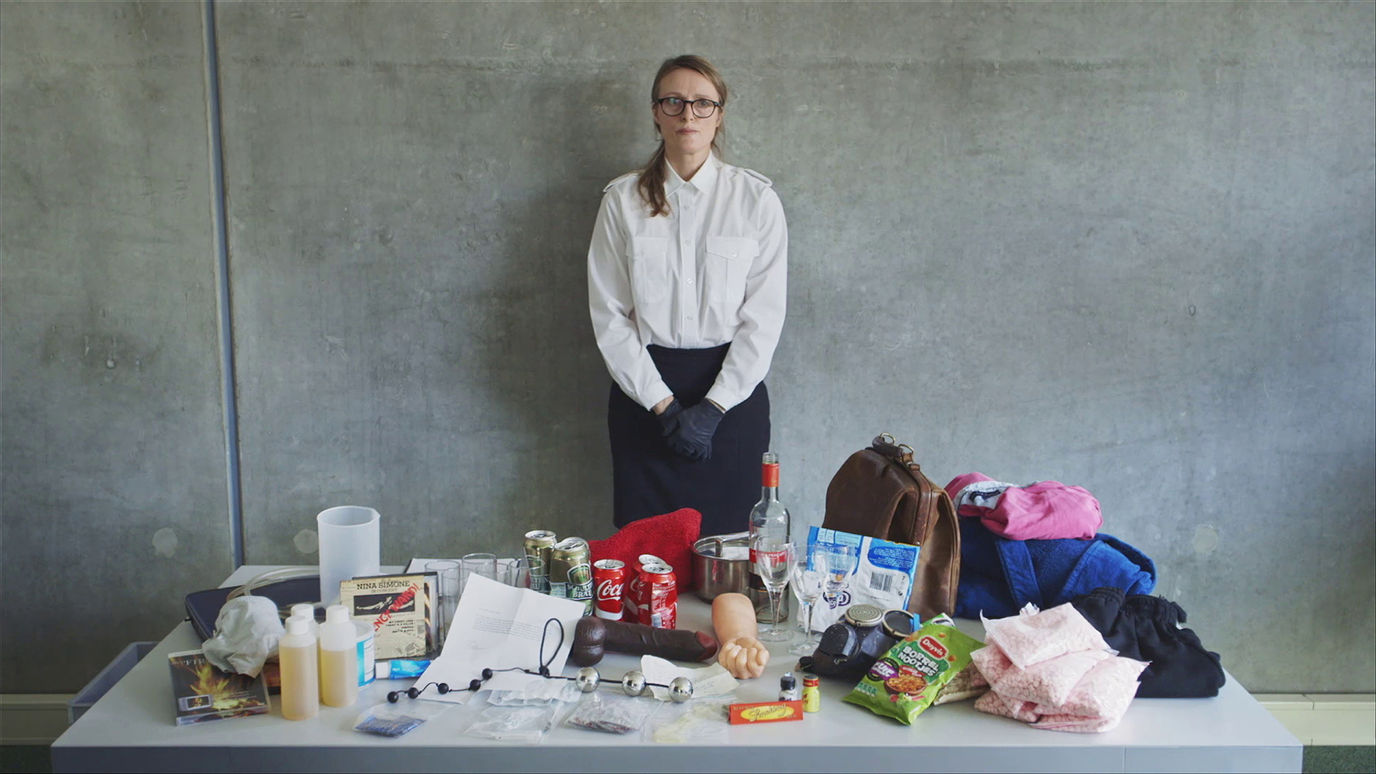
Both films, part of the festival’s Tiger Competition, bask in philosophical and erotic consequences of illness.

The film is at its most moving in those rare moments when it’s capturing the nourishing bonding ritual among a deaf family.
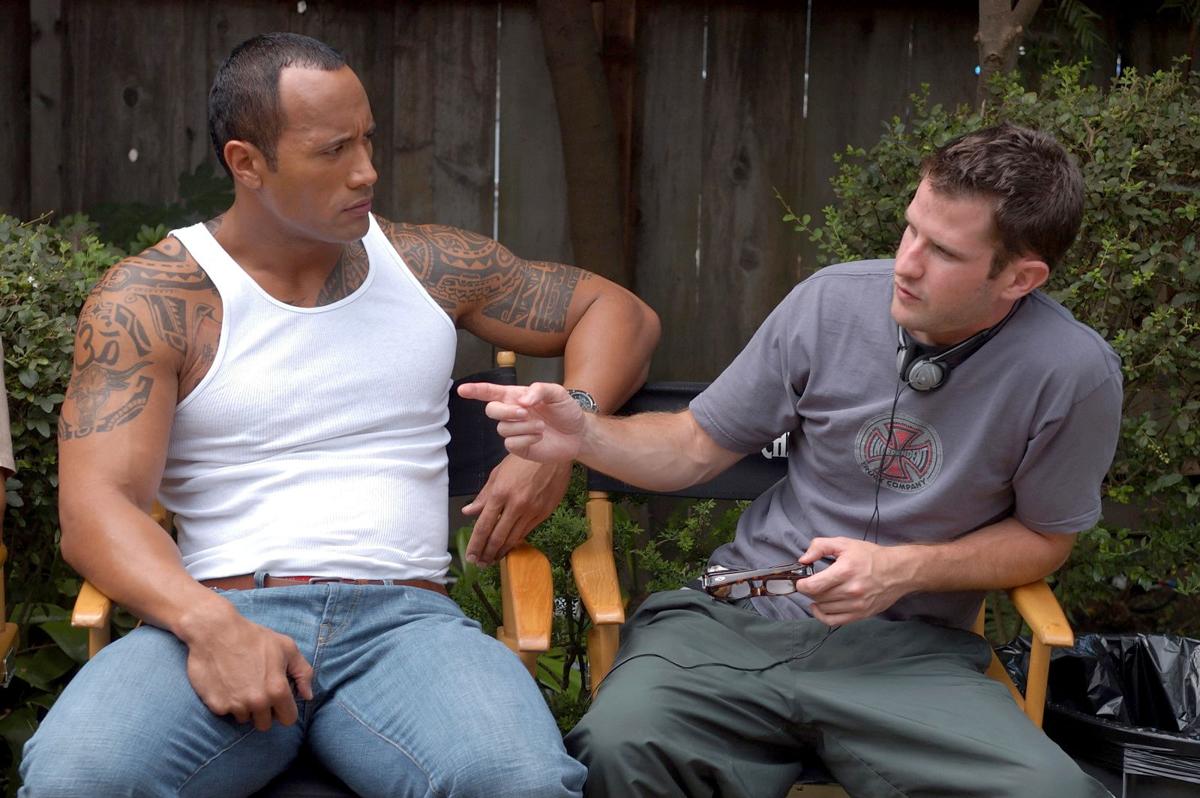
Kelly discusses the so-called “Cannes cut” of Southland Tales and his desire to incorporate new material into the film.
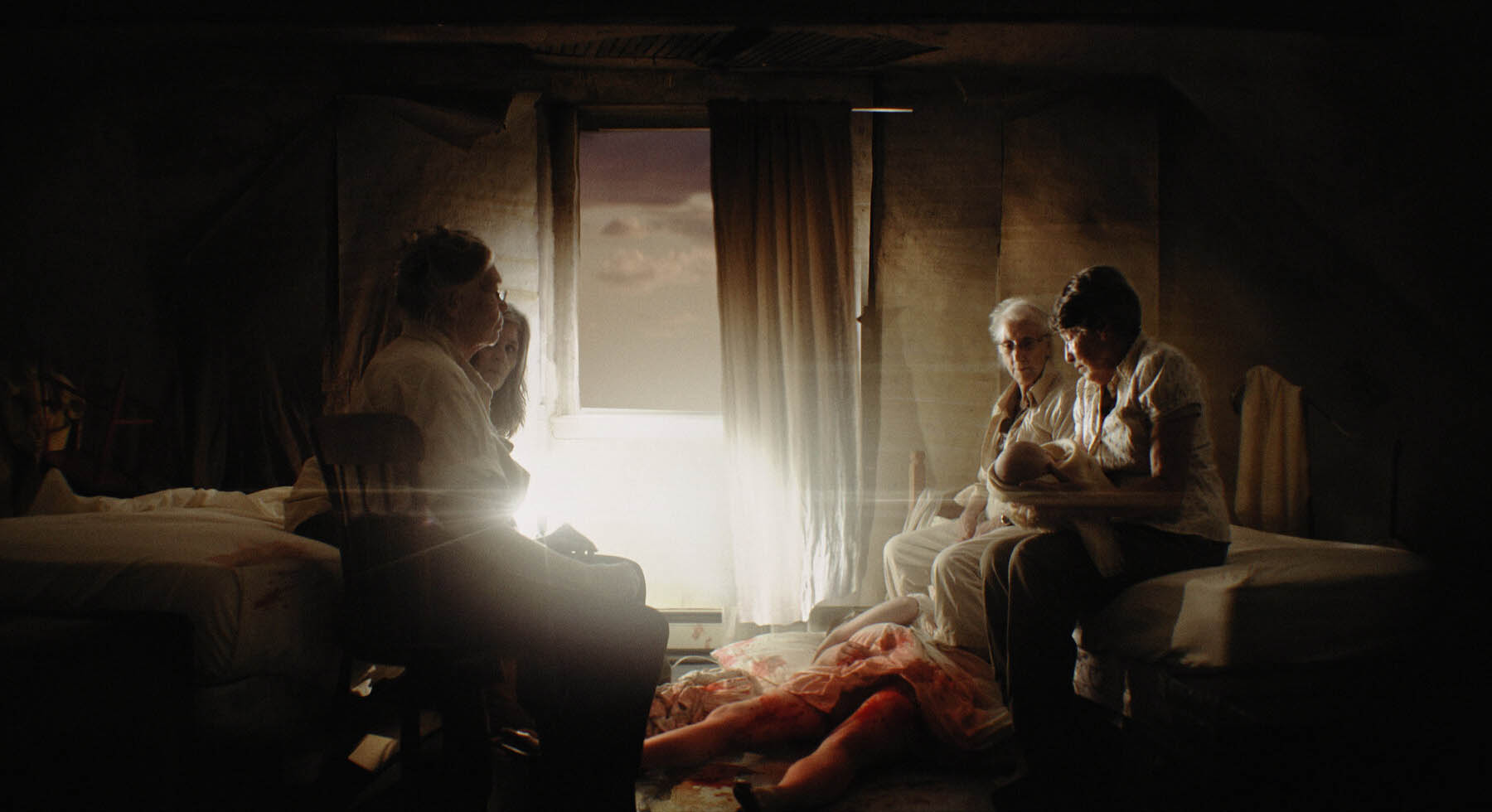
The film uses a fictional place, digitally made, to get at a real, painful truth about being stuck in a place you didn’t choose.

At its best, the documentary’s aura of desolation suggests a verité version of Peter Bogdanovich’s The Last Picture Show.

The film’s overtly non-specific title mostly just reflects the story’s lack of definable character.
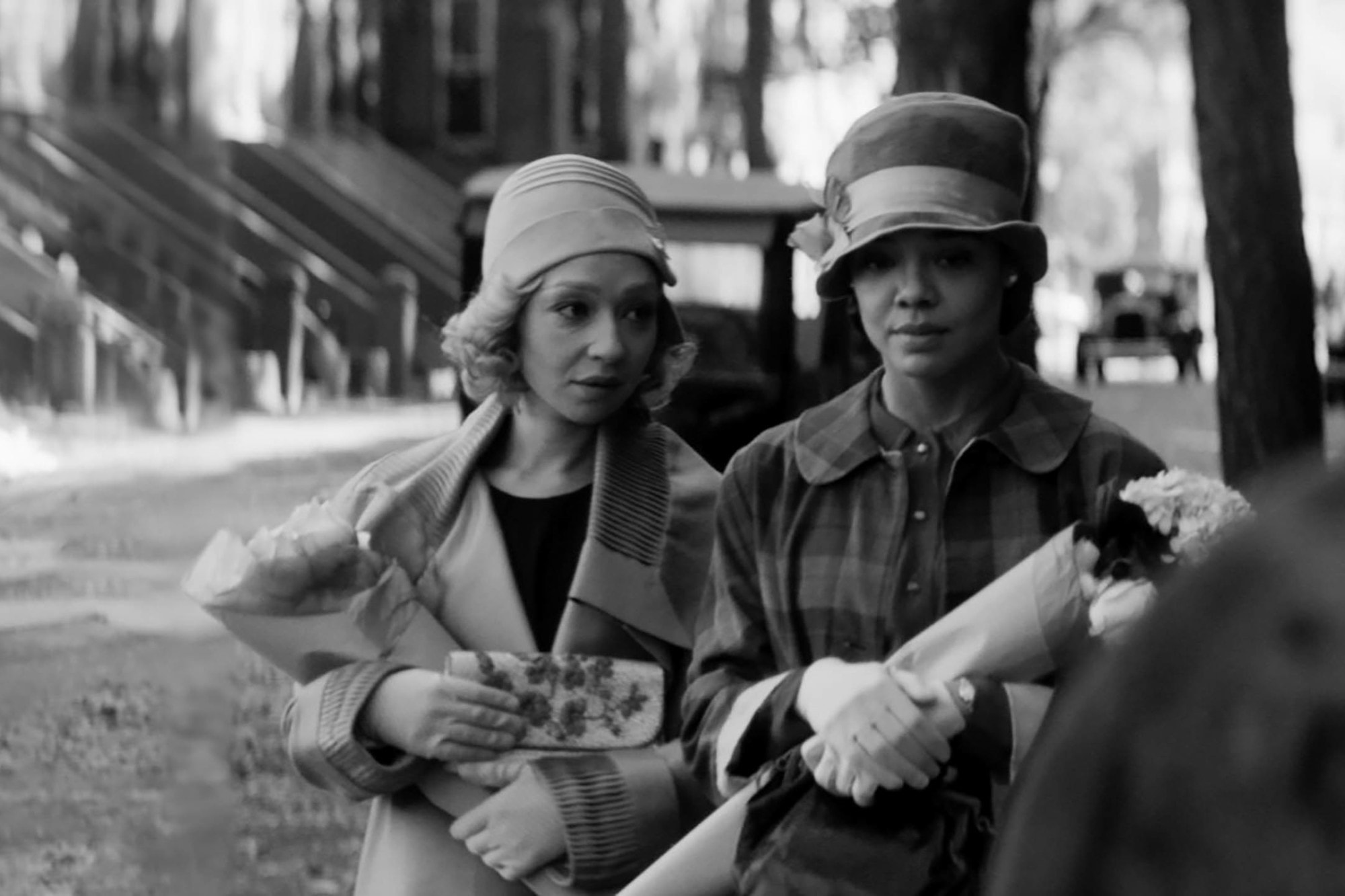
A sickened rage and psychological nuance courses through every meticulously arranged frame of the film.

The film is a profound disappointment in part because it feels so overdetermined to live up to Sono and Cage’s respective brands.

Censor unfortunately pulls back from its social interrogation just when it’s working up a head of steam.

Shaka King’s film, anchored by two sterling lead performances, complicates the expected narrative of martyrdom.
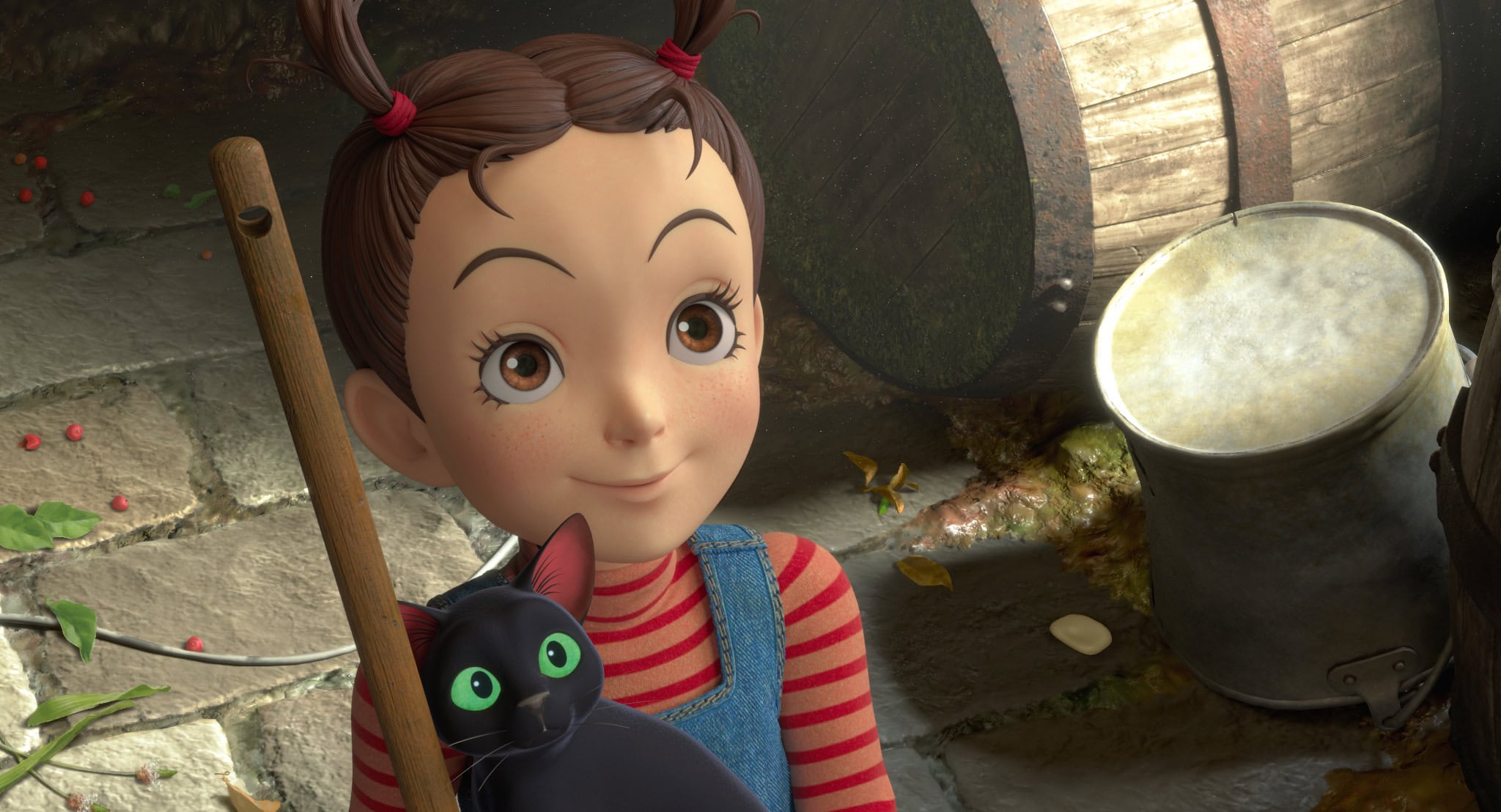
The film mostly casts doubt on Gorō Miyazaki’s basic ability to tell a story.
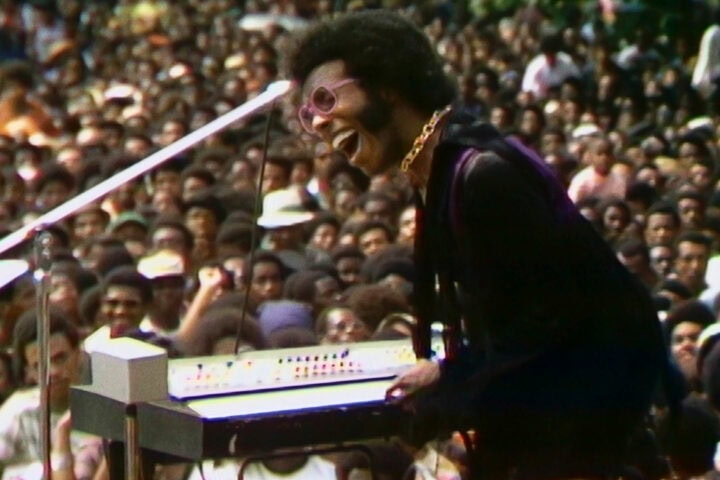
Questlove’s Summer of Soul is as much an essential music documentary as it is a public service.
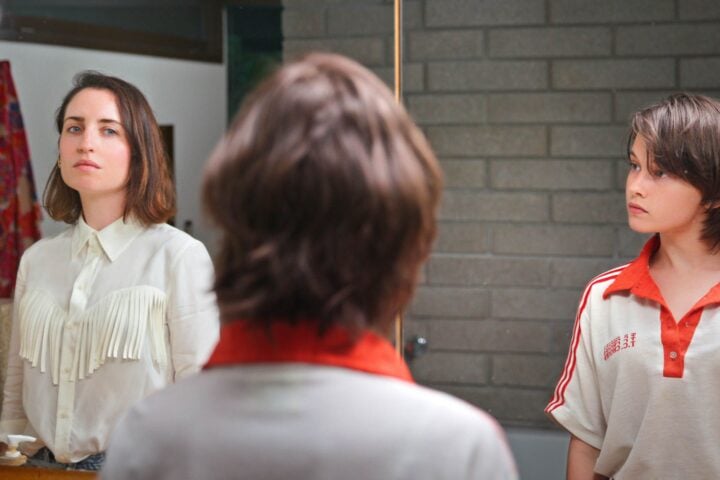
The film is so economical in its momentum, and its tone of comic wistfulness so uniform, that its string of tableaux rarely feels jerky.
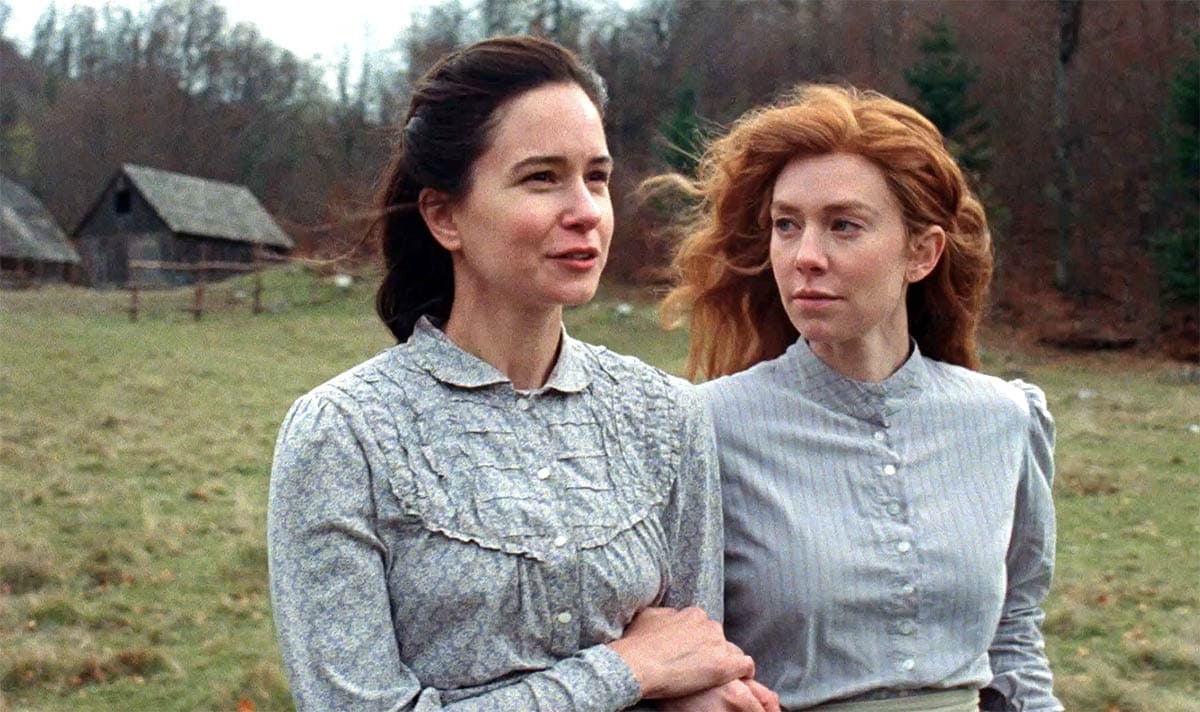
At its best, the film’s romance comes alive through some well-wrought dialogue that rarely ventures into faux-period eloquence.
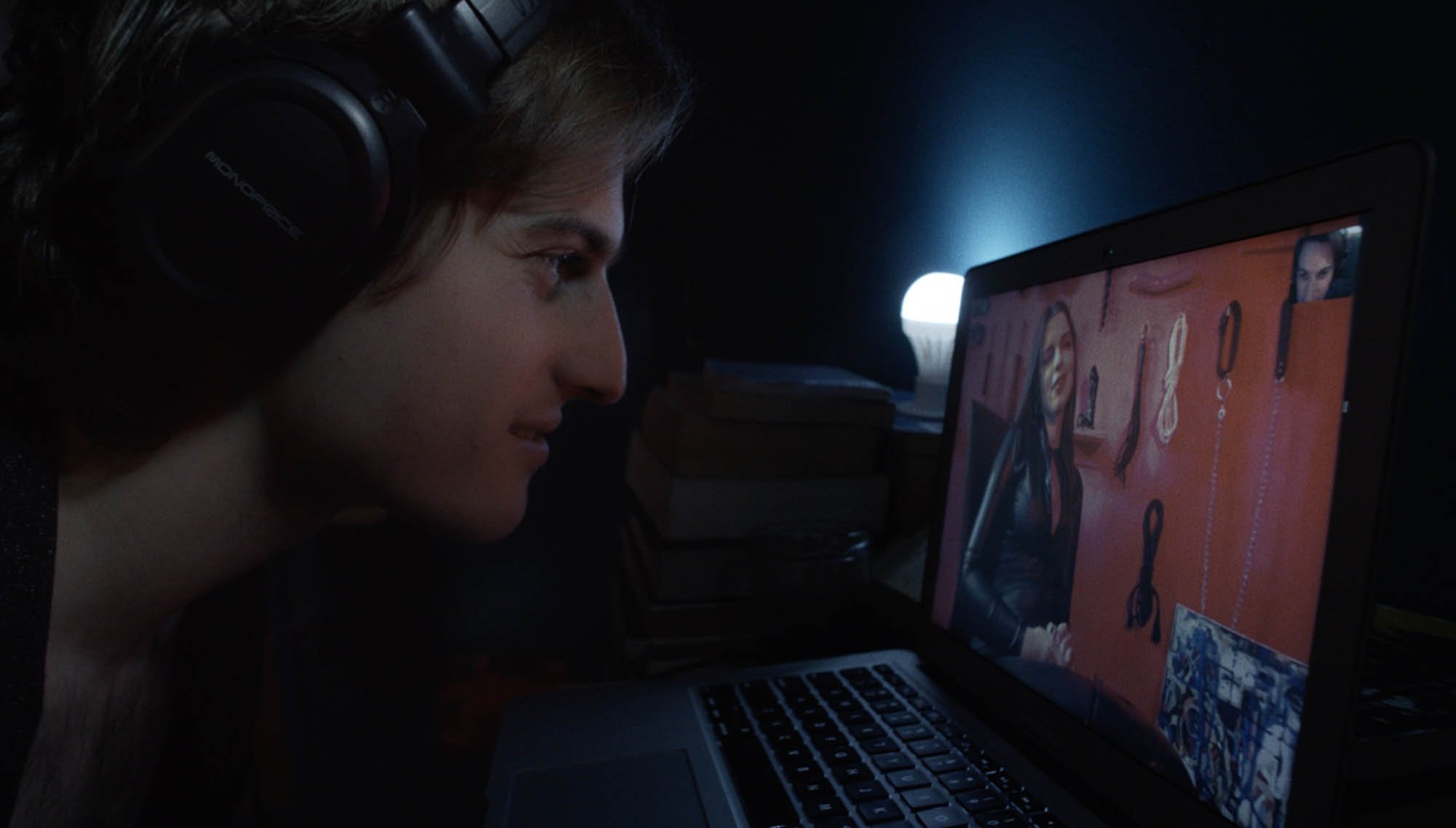
Ben Hozie’s wry, observational film positions a young man’s repressed sexual paranoia as a reflection of a more general social malaise.

The film gets at the profound truth that our relationship with another person is, at its core, a collection of shared memories.