Refn discusses his love of fairy tales, falling through the rabbit hole of streaming, and more.


Refn discusses his love of fairy tales, falling through the rabbit hole of streaming, and more.

The film could be taken as an intentional travesty of the superhero genre, if only it weren’t so tortuously tedious.

Dominic Cooke’s film is content to regurgitate some of the more tired artistic tropes about the Cold War.
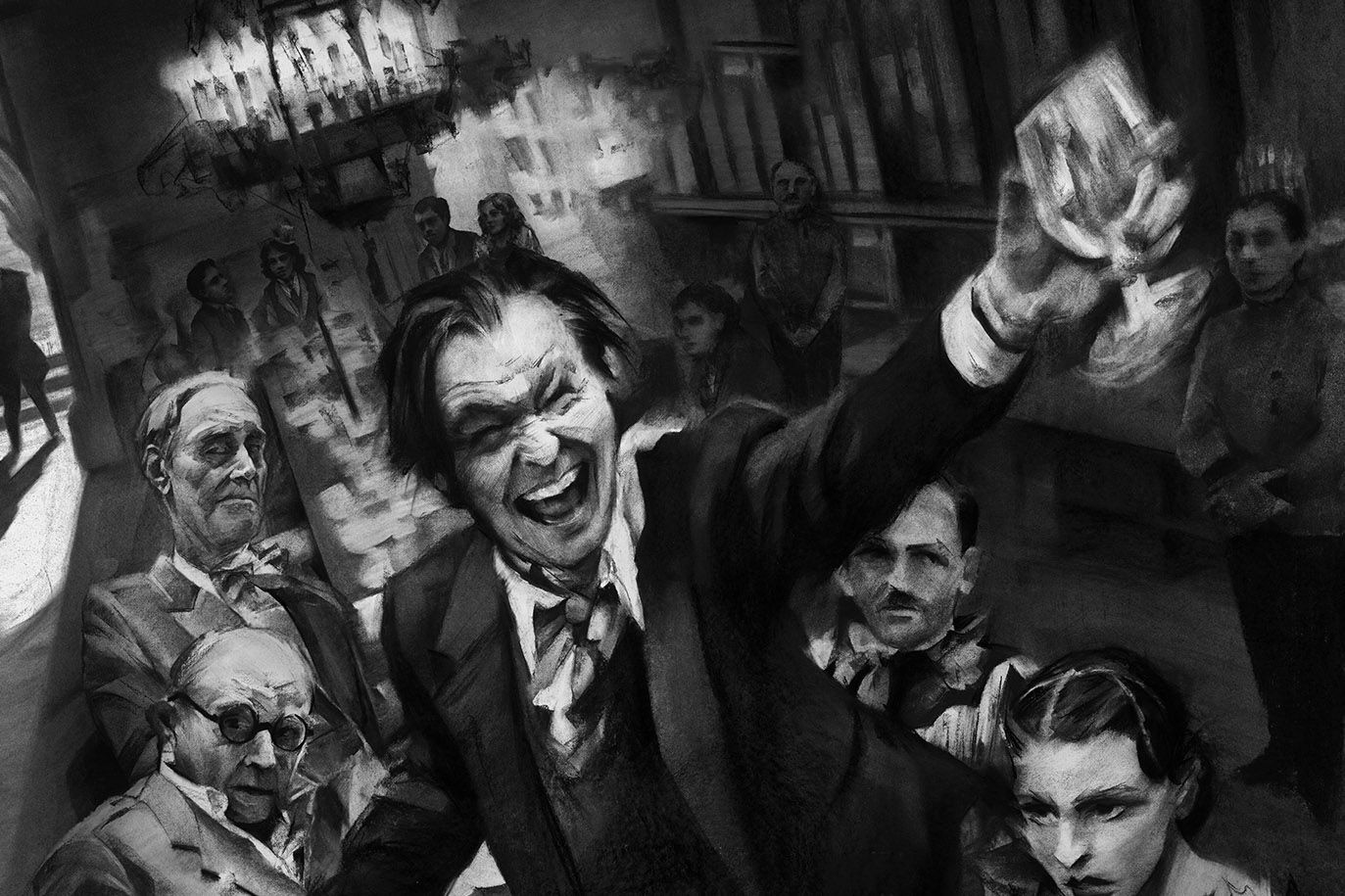
David Fincher’s Mank far and away led the nomination count.

In the film, Manaus is a place of irreconcilable tension between the lush natural world and the cold, metallic world of industrial modernity.
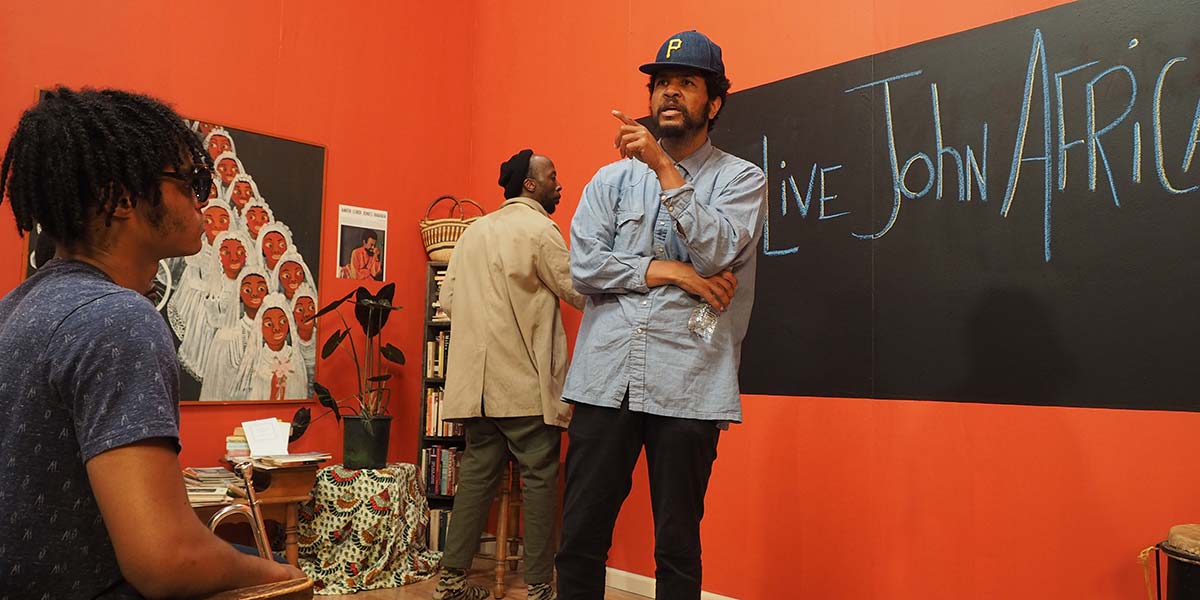
Asili discusses why he strives for an equality of images and what his film means now in a new age of racial reckoning.

Twenty-twenty was by no measure a business-as-usual year, so don’t expect our gripes to be either.
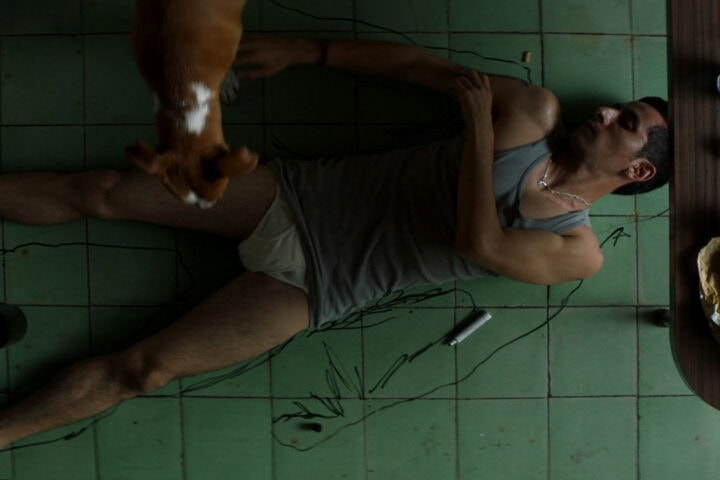
A Cop Movie is a galvanizing experience, suggesting that police are also susceptible to victimization.

Come True offers a glimpse of a world where screens are pores in the boundary between dreams and waking life.

Every story beat is unimaginatively cribbed from better films and every tepid exchange of dialogue is unconvincingly performed.
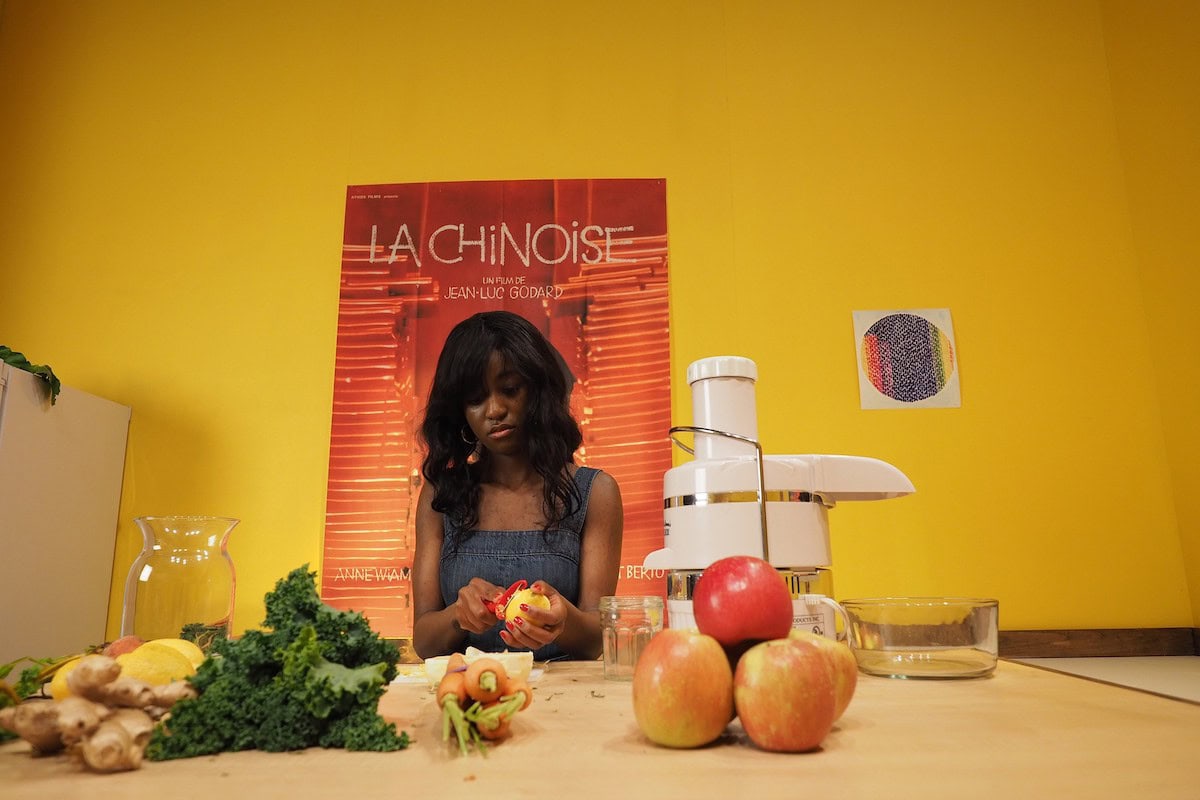
The film’s throwback nature is in sync with Ephraim Asili’s interest in wanting to keep the legacy of black activism alive.

In a way, the film feels like a true heir to the petulant, low-budget horror cinema of the ’70s and ’80s.
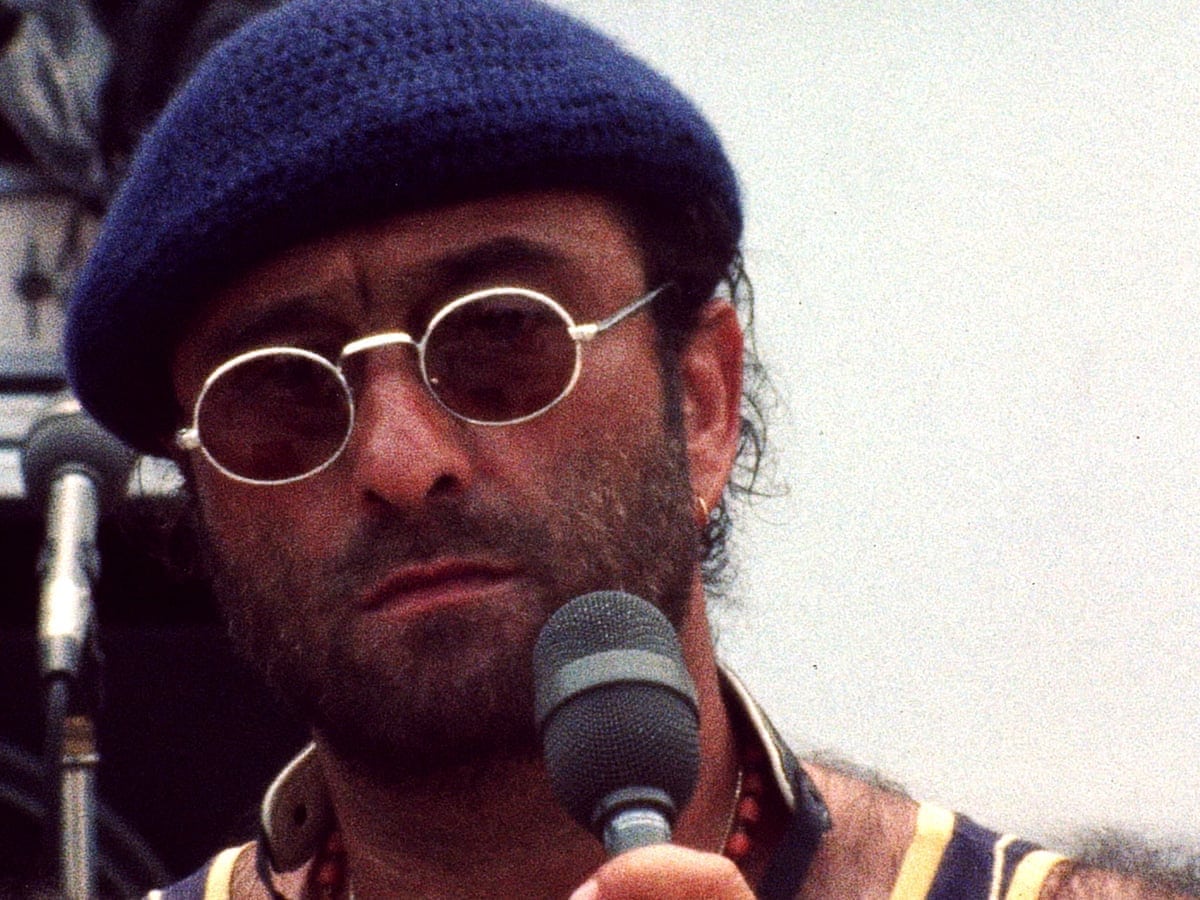
Pietro Marcello’s film is a portrait of an artist by way of the society that made him and against which he rebelled.
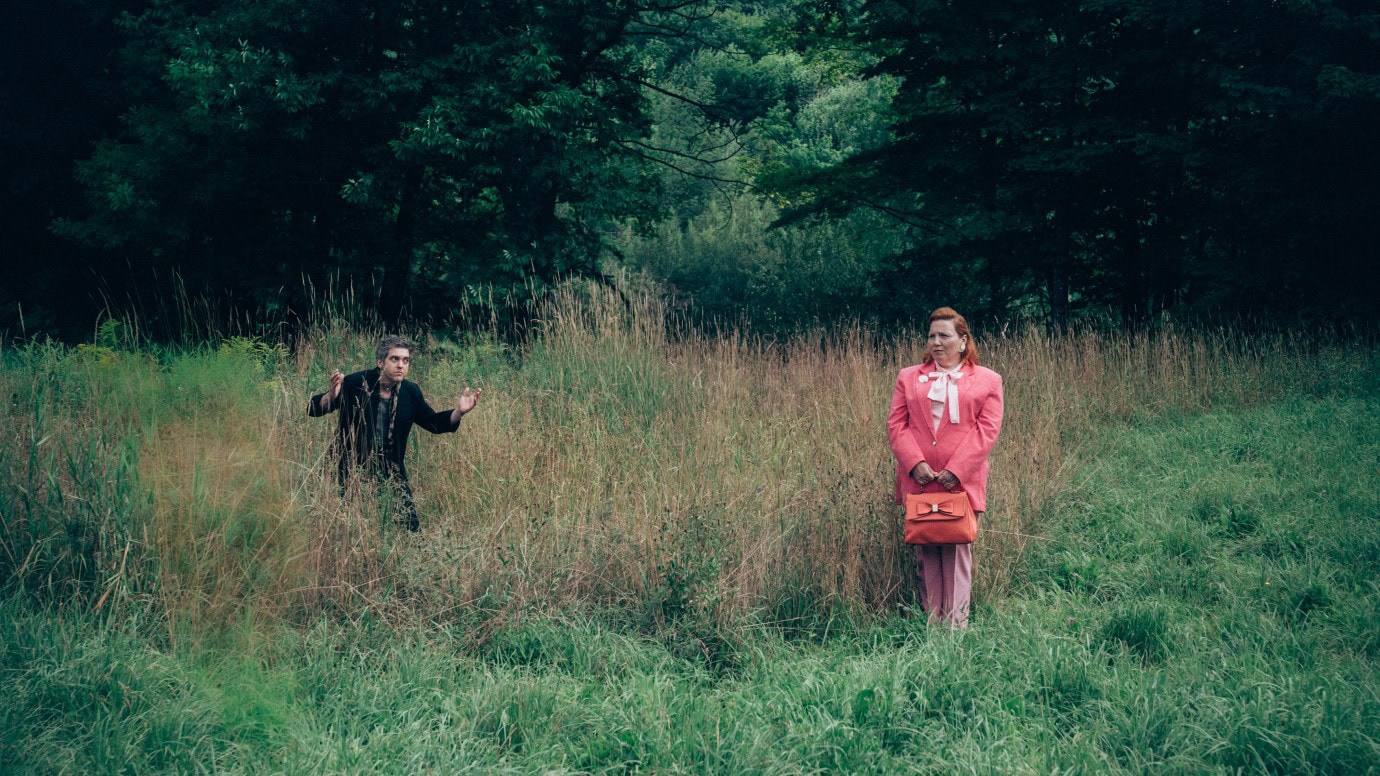
Compellingly and surprisingly, the film doesn’t propose an entirely celebratory view of our accountability-seeking present.

Even by the woeful standards of decades-too-late comedy sequels, Coming 2 America is desperate, belabored, and thin.

Hamaguchi Ryûsuke’s film is an alternately scathing, erotic, terrifying, and affirming fable of the primordial power of storytelling.

The film’s characters hardly possess a sense of a history or an interior life to adequately convey racism’s psychic toll.

Maria Schrader has a solution for the rom-com’s revitalization: embrace its constructs.

Beneath its perfectly entertaining surface, the film is a mess of contradictions that fails to live up to its own potential.

The film evinces Céline Sciamma’s profound knack for visual economy, communicating much with silent looks and structured absences.

Adolescence is a fertile metaphor for the strangeness and insecurity inherent in the transition from one world to another.