Two noteworthy films at this year’s Berlinale examine the lives of migrants from the Near East living in the West from the perspective of young people. In Memory Box, among the films competing for the Golden Bear, and Any Day Now, included with other films from new filmmakers in the Generations lineup, adolescence proves a fertile metaphor for the strangeness and insecurity inherent in the transition from one world to another.
Teens who live between two cultures turns out to be a recurring theme at this year’s festival. Also superimposing political strife onto the fading innocence of childhood is Kurdish director Ferit Karahan’s Brother’s Keeper, from the festival’s Panorama section. While set entirely in Turkey (in fact, the action never leaves a snowed-in boarding school in Eastern Anatolia), the film concerns, in part, the paradox of a country’s internal national differences—namely, that between a Kurdish rural class and the Turk-dominated state apparatus.
In its use of an all-male boarding school milieu as a synecdoche for social discipline more broadly, Karahan’s film partakes in a distinct cinematic lineage. Even the prominent part played by the school’s reaction to a snowfall recalls Jean Vigo’s 1933 featurette Zero for Conduct. But while snow in Vigo’s landmark film provides an opportunity for boys to stray from their rigidly ordered lives, here a snowstorm presents a crisis with which a state-run institution proves unable to cope. And while other films set at boarding schools tend to see such institutions simply as an oppressive other in relation to the individual students, Brother’s Keeper puts more emphasis on the way the students have internalized the ethics of surveillance and punishment under which they live, exercising the same arbitrary aggressions against each other that their wardens exercise upon them.
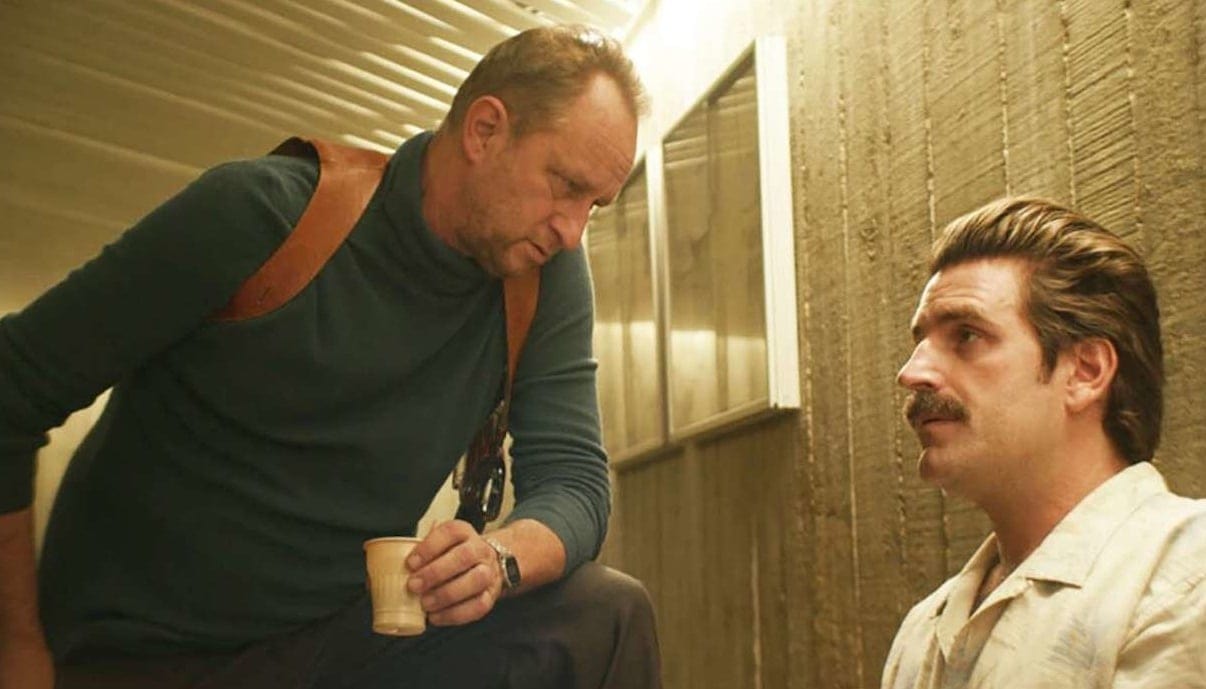
A student, Yusuf (Samet Yildiz), wakes up to find his best friend, Mehmet (Nurullah Alaca), so ill that he’s nearly unresponsive. As the boy attempts to convince an intransigent and endemically distrustful institution that his friend needs immediate medical help (and not just an aspirin and some time in the makeshift sick room), we observe how a system of corporal punishment and authoritarian power structure has produced nothing but disorder. The teachers and administration devolve into mutual recriminations and opportunistic scapegoating as soon as a crisis arises that can’t be solved with a swift slap to the face.
If the situation weren’t so dire, the film could almost be a satire of systemic petty corruption, like Milos Foreman’s The Fireman’s Ball: Every authority figure who enters the sick room, feeling Mehmet’s head as he lies in the glorified shed that serves as an infirmary, articulates the same unhelpful phrase (“But he doesn’t have a fever”), and those who enter said shed repeatedly slip on an icy patch in front of the threshold, which nobody thinks to address until somebody is injured off screen. But such touches aren’t merely comic, as they become signifiers of the administration’s stasis as a child’s life hangs in the balance. It’s not hard to find resonances with any number of current socio-political crisis in this portrait of a crudely hierarchal institution failing to adequately address an emergency situation.
The oppressive effects of even a relatively competent bureaucracy come under focus in Hamy Ramezan’s Any Day Now, in which we meet an Iranian family living in a state facility in Finland while they await a decision on their asylum application. It’s unclear how long they’ve been waiting, but it’s long enough that their oldest child, the preteen Ramin (Aran-Sina Keshvari), has become proficient in Finnish and made friends at the local school. We perceive his family’s agonizingly slow-burn crisis mostly through his eyes, as he simultaneously moves from the more childish world of primary school into junior high school.
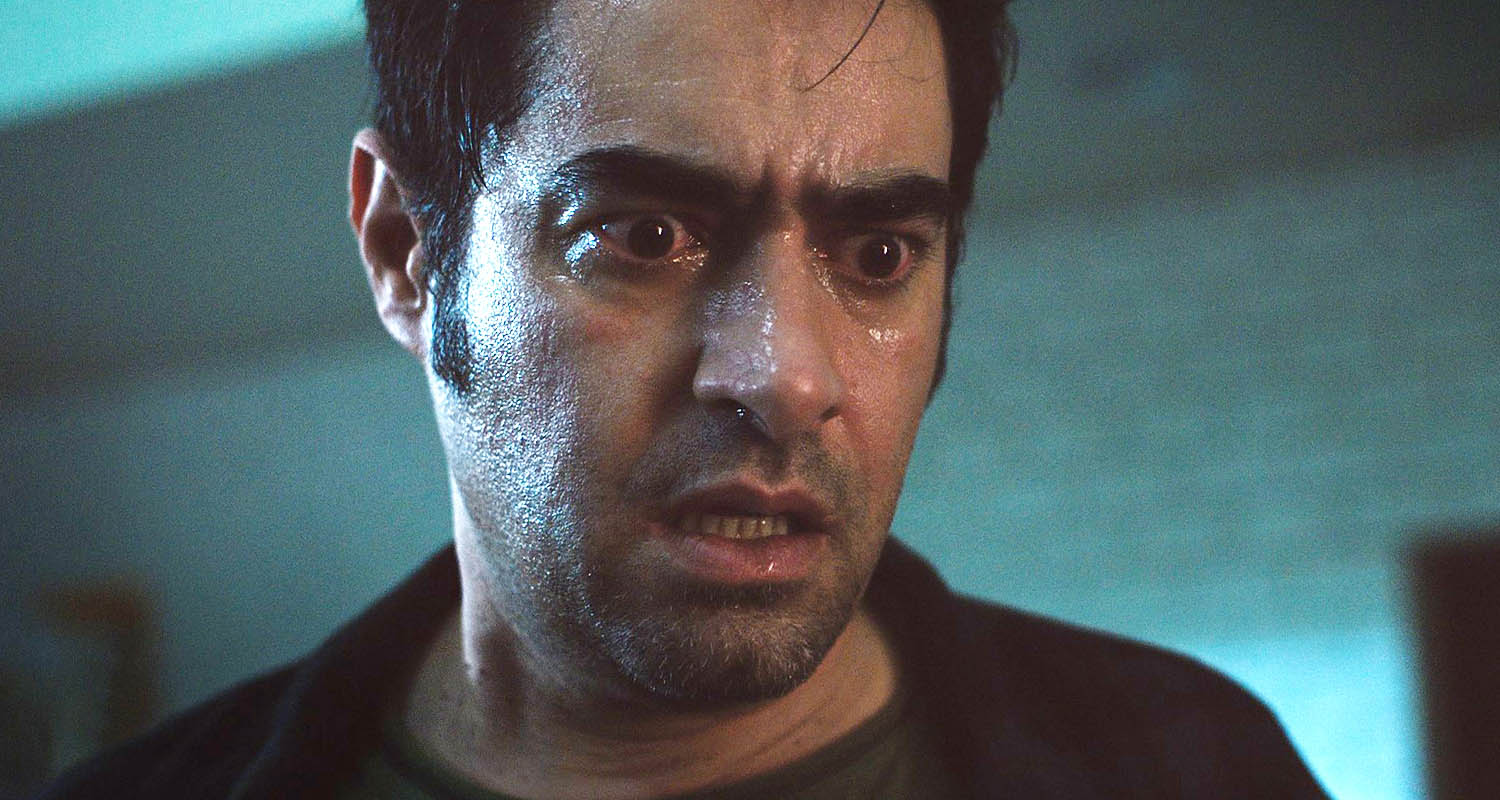
Aspects of Ramin’s coming-of-age story are a bit flavorless, from the girl who he admires from afar not being given any real defining characteristics, to cinematographer Arsen Sarkisiants’s sober camerawork, which isn’t always in lockstep with the giddiness that one senses that Ramin’s hijinks with his Finnish friend, Jigi (Vilho Rónkkónnen), are meant to convey. Instead, what Any Day Now captures with stirring detail are the routines that arise from a family’s single-room life in a refugee center. Every morning, Ramin’s mother, Mahtab (Shabnam Ghorbani), shakes the family awake, one by one, and starts the kettle, while his father, Bahman (Shahab Hosseini), takes Ramin’s little sister, Donya (Kimiya Eskandari), into his arms and they rapidly brush their teeth in a “race” against each other. The family’s unspoken dedication to maintaining regularity and domesticity in the most uncomfortable scenarios—making their confined family cell into a home—is Any Day Now’s most affecting attribute.
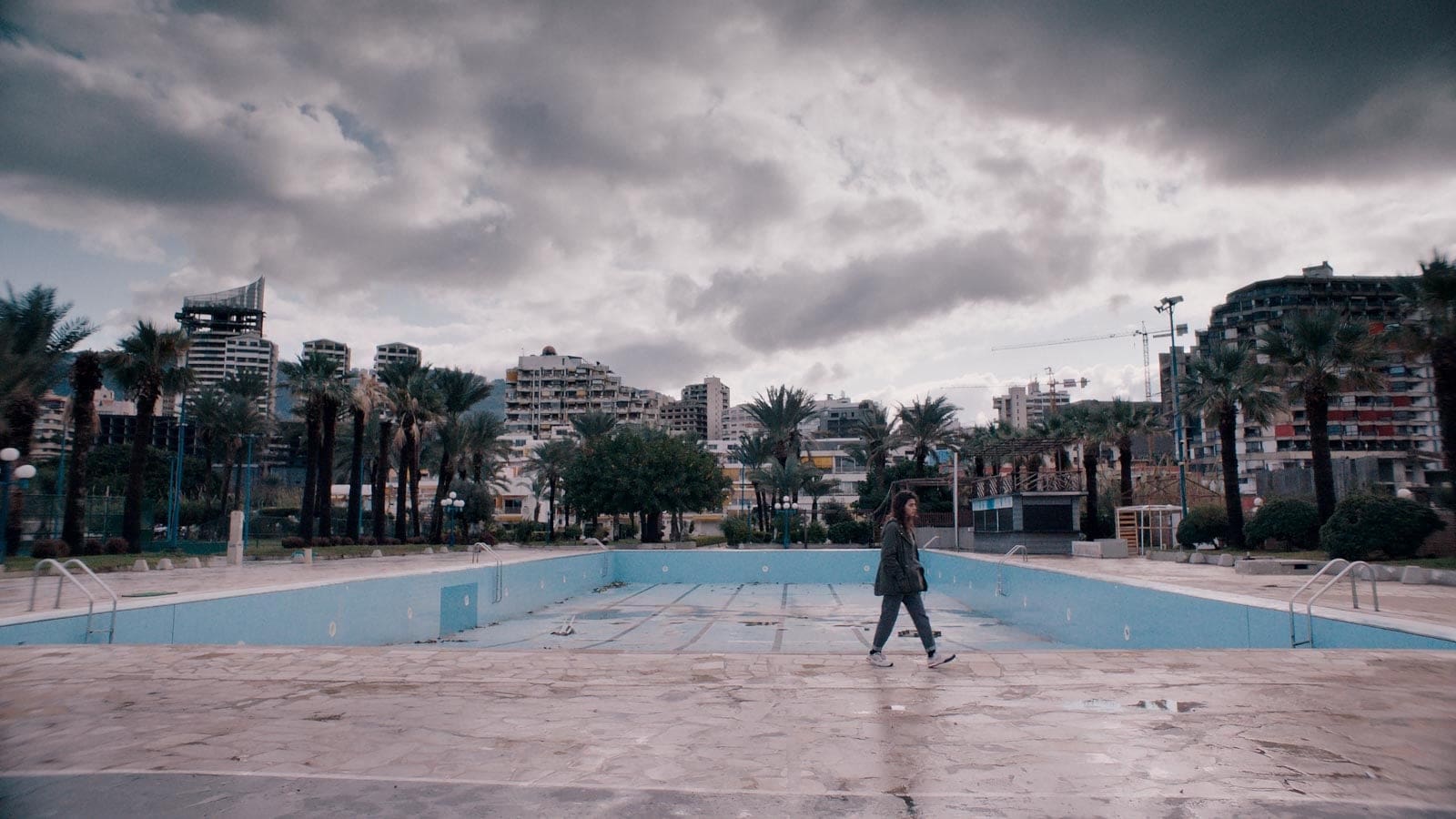
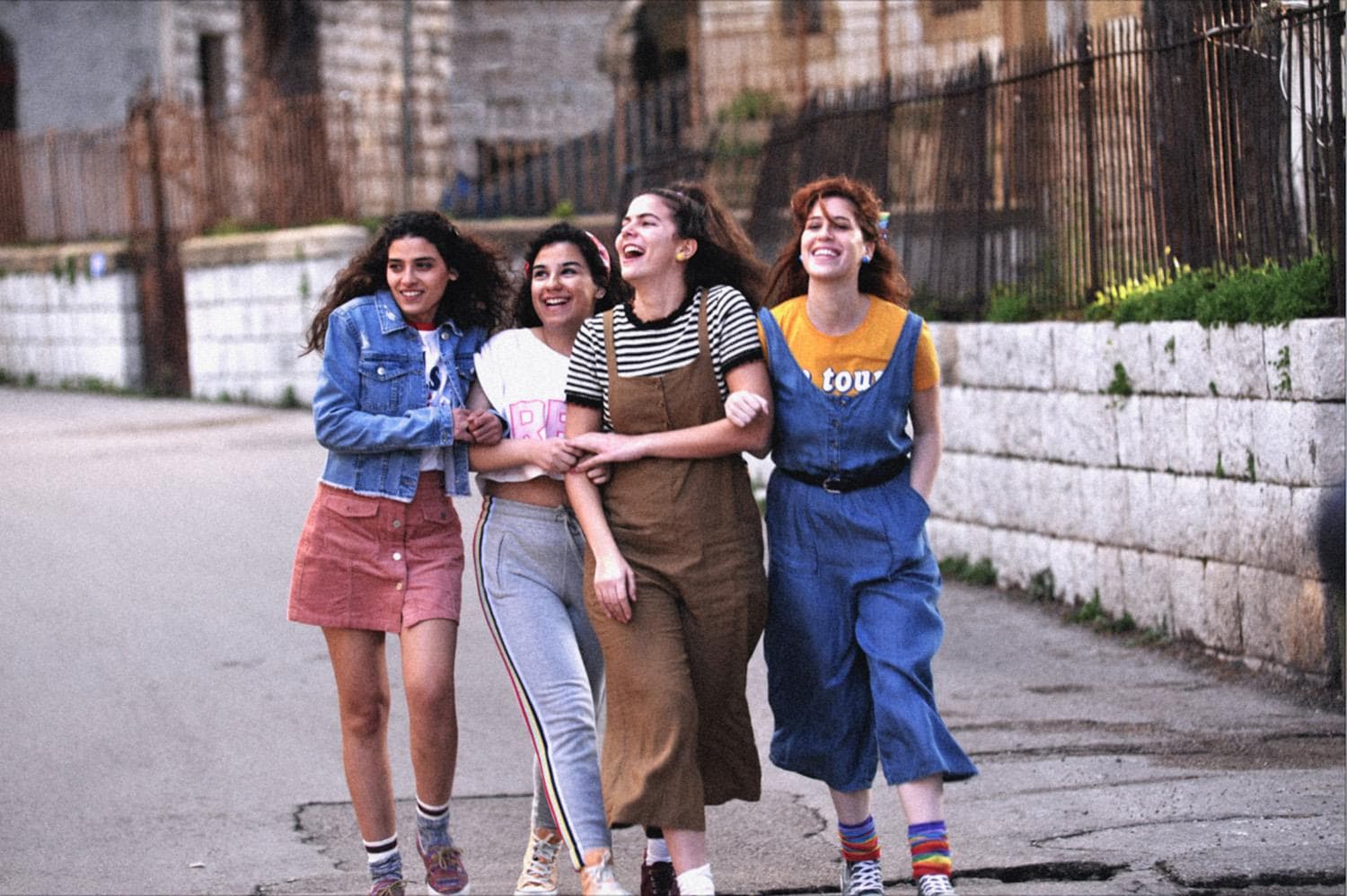
Memory Box compounds the generational experience of migration by framing its story of a young woman’s final year in Lebanon through the eyes of her daughter in present-day Montreal. In the year before fleeing her native country’s civil war in 1988, the teenaged Maia (played by Rim Turki as a middle-aged woman and Manal Issa as a teen), daughter of a secular- and apolitical-minded teacher, has her first serious romance with a member of a leftist militia, Raja (Hassan Akil). Directed by Khalil Joreige and Joana Hadjithomas, whose own journals from 1982 to 1988 served as the basis for the screenplay, Memory Box takes the arrival of a package at Maia’s house in 2020s Montreal that contains letters, scrapbooks, and audio tapes she sent to a friend living in France as the catalyst for the exploration of this personal history.
Maia’s own teen daughter, Alex (Paloma Vauthier), answers the door when the box is delivered, and begins going through its contents, eventually growing resentful about how much her mother seems to have withheld from her. While this framing drama has a sketchiness that deadens its emotional impact (an over-earnest coda involving the sun rising symbolically over Beirut is also cringingly ironic in the wake of the city’s 2020 Beirut explosion), but the flashbacks are piercing evocations of fleeting time and the hidden worlds of the past.
We’re transported back to 1980s Beirut by Alex’s archivist-like attempts to reconstruct her mother’s previous life, the collation of words, images, and even a “mood graph” that her teenaged mother kept bringing us with Alex into a tenuous identification with her mother. When placed side by side, photos, frozen moments excised from their context, begin to resemble fully embodied moments—cinematic segments—and Joreige and Hadjithomas use digital animation and compositing to reanimate a lost moment in time. These graphic reconstructions cede space to more conventional flashbacks, but the problem of memory and perspective returns in artificial, poetic imagery and problematized points of view. In its best passages, Memory Box reminds us that history and even memory itself are always subject to a medium—whether that’s a journal, a Polaroid, or a mother’s voice.
Berlinale runs from March 1—5.
Since 2001, we've brought you uncompromising, candid takes on the world of film, music, television, video games, theater, and more. Independently owned and operated publications like Slant have been hit hard in recent years, but we’re committed to keeping our content free and accessible—meaning no paywalls or fees.
If you like what we do, please consider subscribing to our Patreon or making a donation.