Writer-director Ely Dagher’s The Sea Ahead is an enigmatic drama that recalls Michaelangelo Antonioni’s ’60s explorations of modern anomie. Like the characters in L’Eclisse and Red Desert, Jana (Manal Issa) suffers from a melancholy that she can’t or is unable explain but is clearly tied to an urban landscape that’s become unrecognizable to her. Methodically slow and sometimes seeming as lost as its protagonist, The Sea Ahead engrosses and alienates in turn, its mournfully beautiful portrait of Beirut as a gray and moribund city driven by a story that’s sometimes needlessly impenetrable.
Contrary to the film’s title, the sea lies behind Jana, at least temporally speaking, for much of the running time. In the first scene, which is preceded by languorous nighttime shots of the open Mediterranean outside Beirut’s harbor, the young woman has just arrived back in Lebanon after years in France. Jana’s father, Wissam (Rabih El Zaher), and mother, Mona (Yara Abou Haidar), are surprised at her decision to come back so soon after completing her studies at a prestigious art school in Paris, and when they press their daughter for an explanation for her return, and why she’s so glum, she clams up, acting the surly young adult.
Jana appears to feel displaced wherever she happens to be. If she’s returned to Lebanon because she missed being at home, it’s indicated that she doesn’t find it there. “You can barely see the harbor anymore,” she listlessly observes to her mother, pointing out all the new buildings that have gone up since she’s been gone. Dagher returns on a few occasions to the view from the family’s balcony, from which, between buildings and occluded by ocean mist, one can just barely make out ships passing by the city’s historic port.
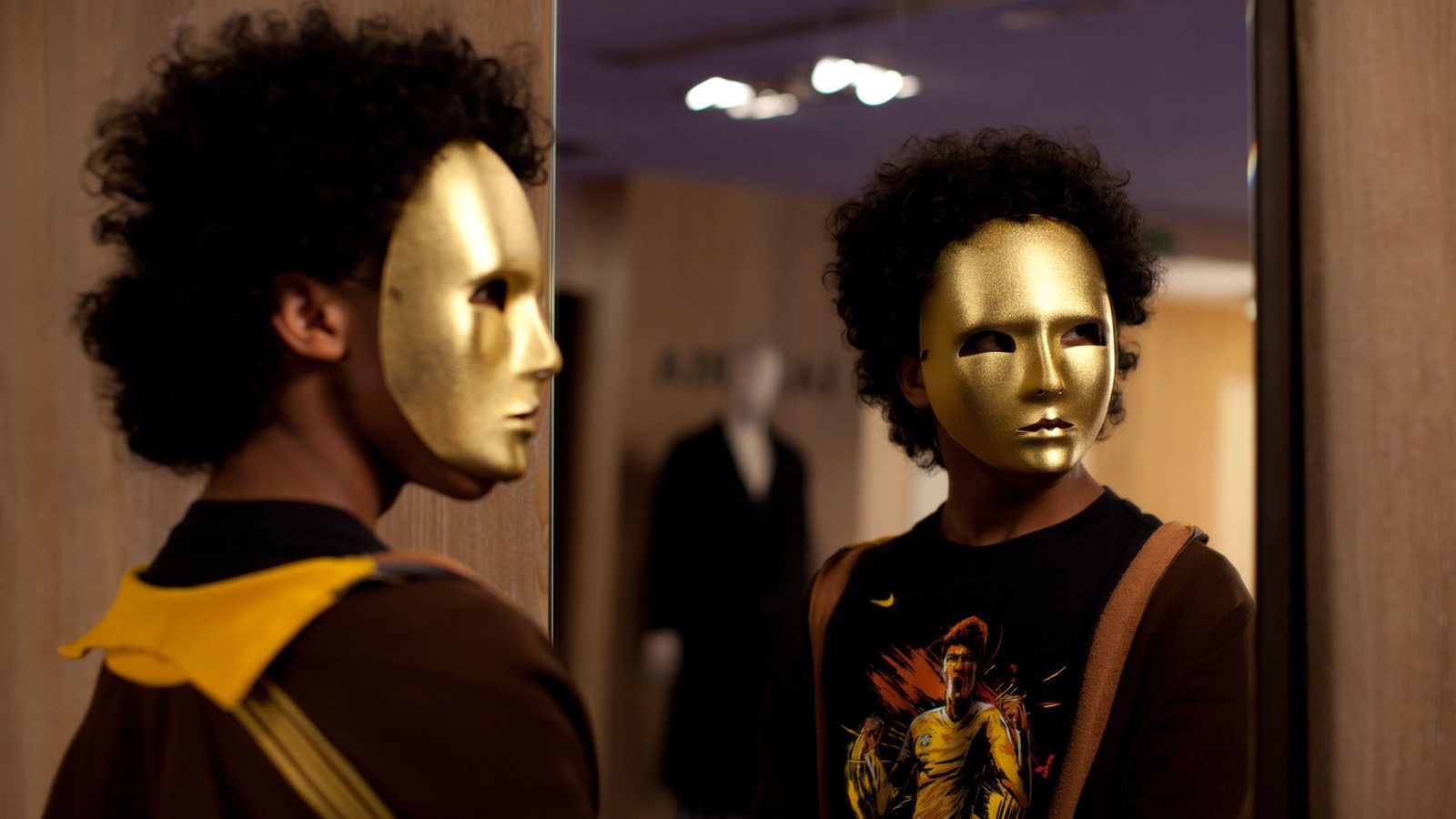
The Sea Ahead, Dagher’s feature-length directorial debut, was filmed before the explosion at Beirut’s harbor that heightened pessimism about the country’s governance, but one senses the anxieties about corruption that the tragic event released into the open around the margins of the frame. The film’s views of the city’s unfeeling architecture point to a deep disillusionment, a kind of indifference that the camera seems to be mirroring back to the city. Jana also wears a mask of indifference, even as she reconnects with the boyfriend, Adam (Roger Azar), whom she left behind years ago to seek a more promising future in Paris and at least finds a way to occupy her time by reconnecting with Beirut’s nightlife.
In the end, the mystery of Jana’s abrupt return only carries The Sea Ahead so far. Indeed, at certain points in the film her parents’ repeated pleas for her to fess up about what’s going on with her tend toward the monotonous, and an eruption of violence in the second half strikes a discordant, somewhat arbitrary note, given that it doesn’t seem like what Jana’s been repressing is aggression. As is often the case with even classic iterations of the cinema of disaffection, you may feel as if you’ve gotten the message well before the credits roll.
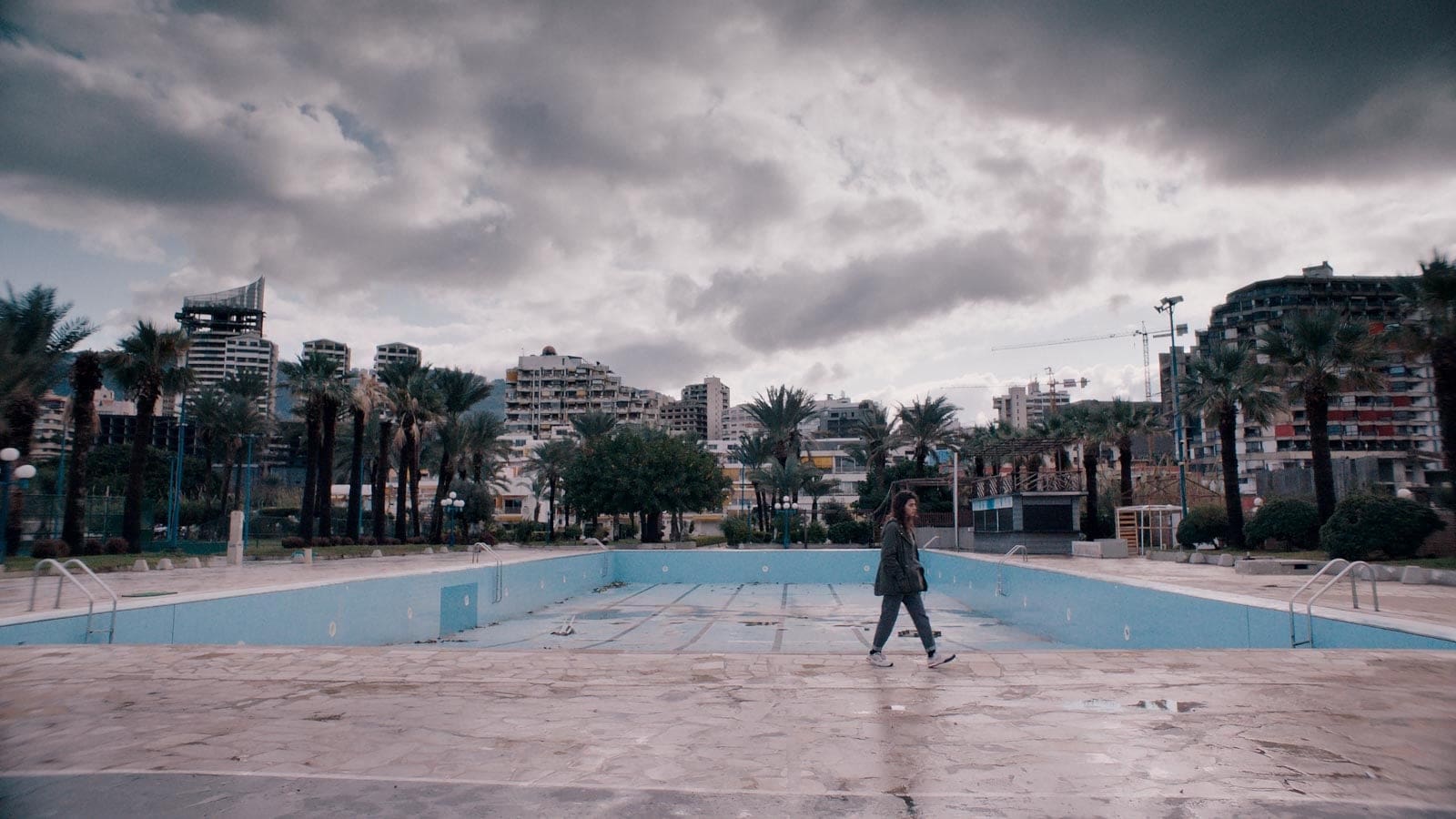
The Sea Ahead is at its best when it waxes symphonic about Beirut, taking us on tours of the city tinged with Jana’s unplaceable, implacable unhappiness. A particularly striking shot that comes late in the film, framing Jana standing at the edge of an empty pool with seemingly the entire city in its drab immensity splayed out in the distant background, encapsulates the overwhelming hollowness that this young woman, in her unshakeable depression, seems to perceive everywhere. A dreadfully beautiful but somewhat trying work, The Sea Ahead lyrically explores the numbing effects of feeling utterly disconnected to your port of origin.
Since 2001, we've brought you uncompromising, candid takes on the world of film, music, television, video games, theater, and more. Independently owned and operated publications like Slant have been hit hard in recent years, but we’re committed to keeping our content free and accessible—meaning no paywalls or fees.
If you like what we do, please consider subscribing to our Patreon or making a donation.