The album is a middle-of-the-road mix of restrained pop ballads and club-friendly house anthems.


Sal Cinquemani is the co-founder and co-editor of Slant Magazine. His writing has appeared in Rolling Stone, Billboard, The Village Voice, and others. He is also an award-winning screenwriter/director and festival programmer.
The album is a middle-of-the-road mix of restrained pop ballads and club-friendly house anthems.

Robert Zemeckis’s live-action/cartoon feature is both enduring and endearing.

Watley’s sultry, smoky voice is a perfect match for the housey beats of a few tracks here.
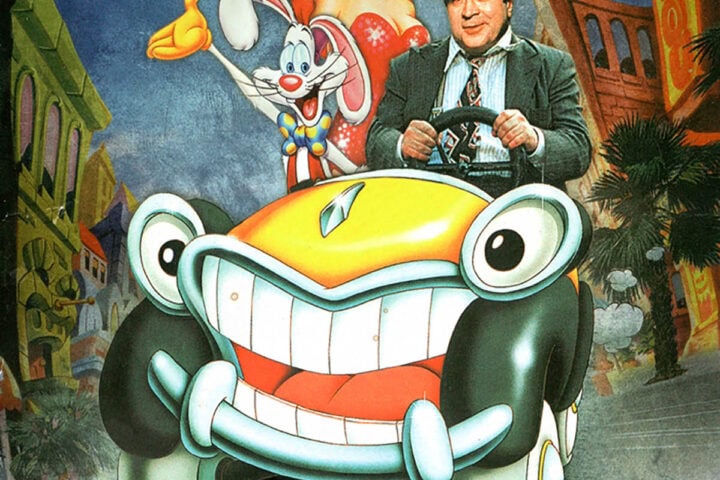
There’s enough on this double-disc set to make the edition a keeper.

Tracks like “Mercury” and “Pretty or Not” explode into their respective choruses while others are simply noisy and boorish.

702 are all grown-up and have regrouped for their third album.
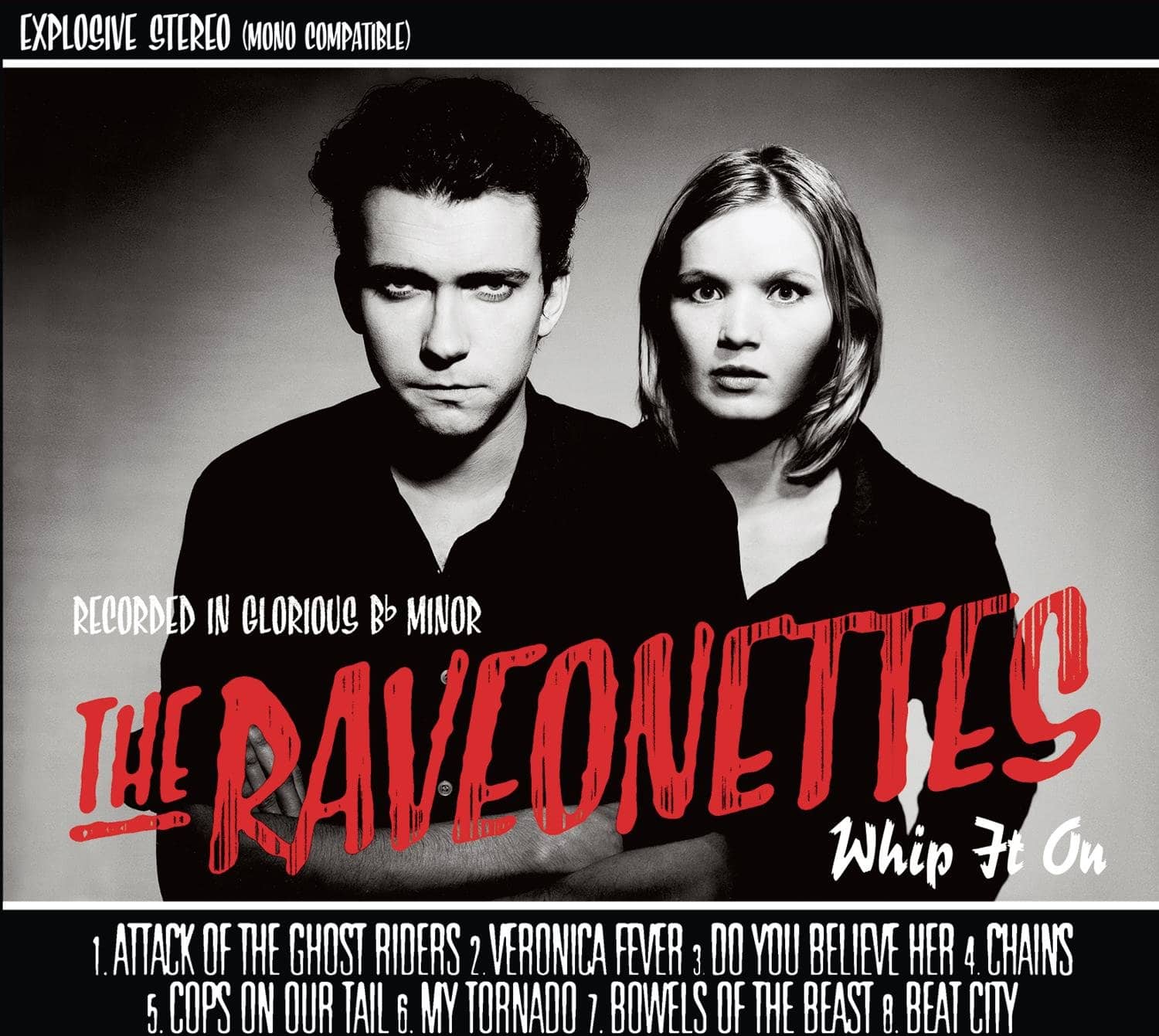
Copenhagen’s the Raveonettes have delivered a deeply fertile debut.

Not only is it DiFranco’s most cohesive studio release to date, it might also be one of the most emotionally powerful albums of all time.
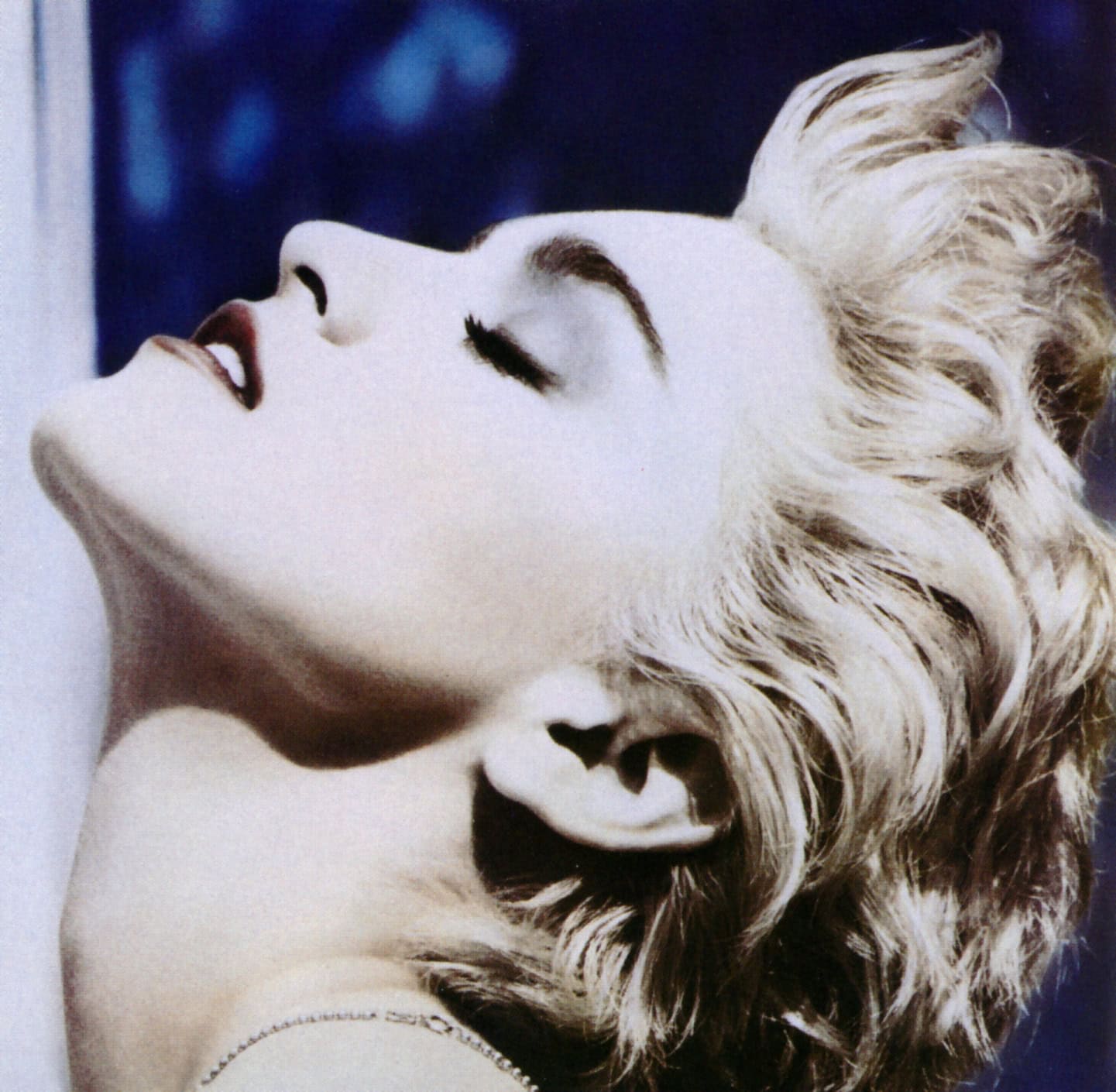
With four extremely varied #1 singles, Madonna’s third album was the supreme archetype for late ’80s and early ’90s pop music.
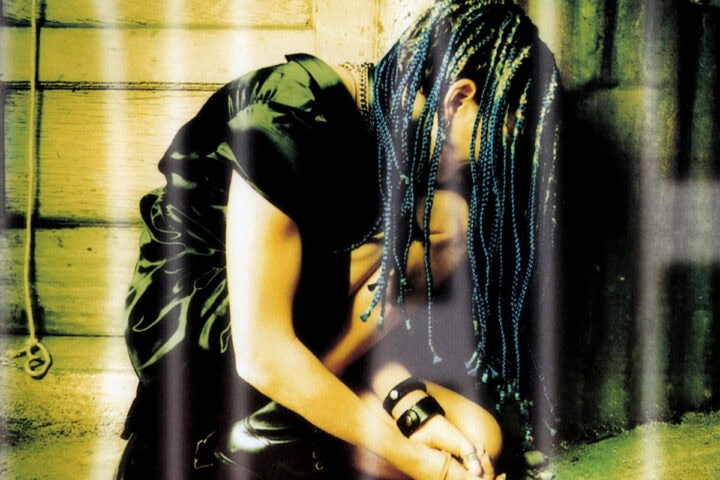
The album finds the folksinger pushing the limits of a genre she can’t even define.
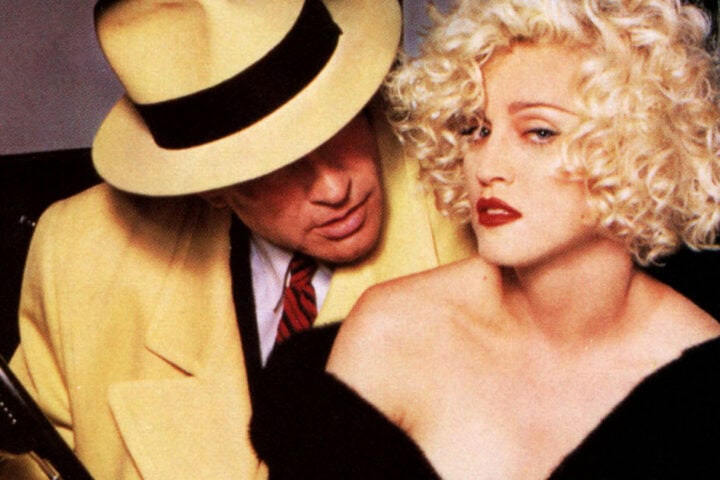
“Vogue,” given its homage to old Hollywood, is ultimately a more than fitting finale to a daringly nostalgic album.

Little Plastic Castle was a fishbowl concept album, with DiFranco performing her own self-examination under public scrutiny.
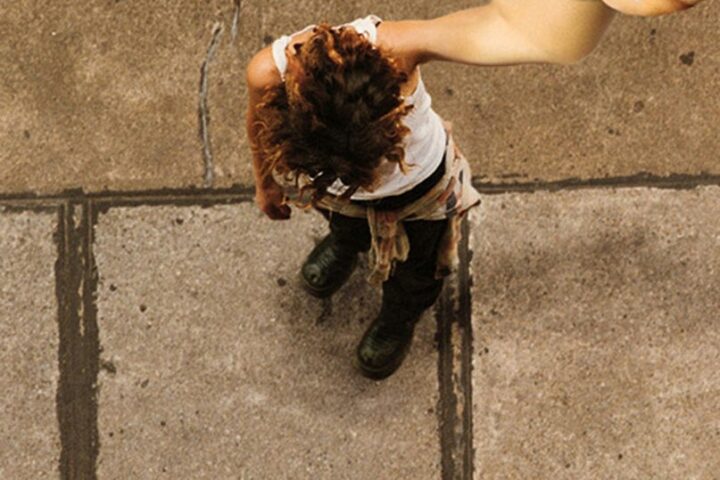
The album is a relatively understated answer to the public response of Little Plastic Castle.
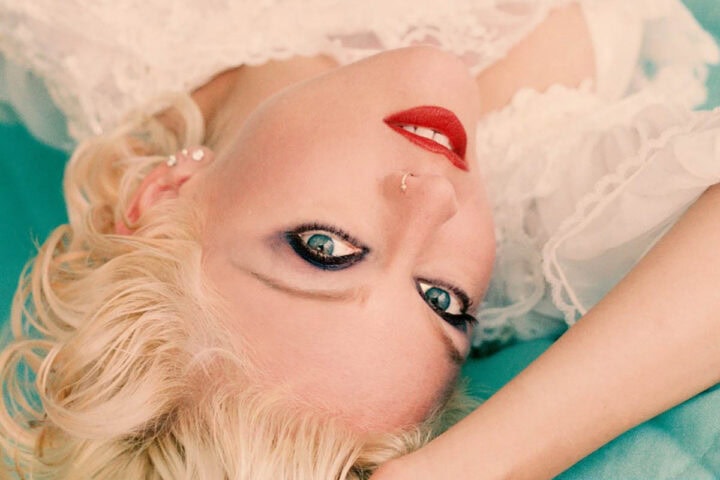
The singer never sounded as vulnerable or cerebrally plugged in as she does here.

The lil’-folksinger-who-could took on a twangier twist on Puddle Dive, her fourth album in as many years.
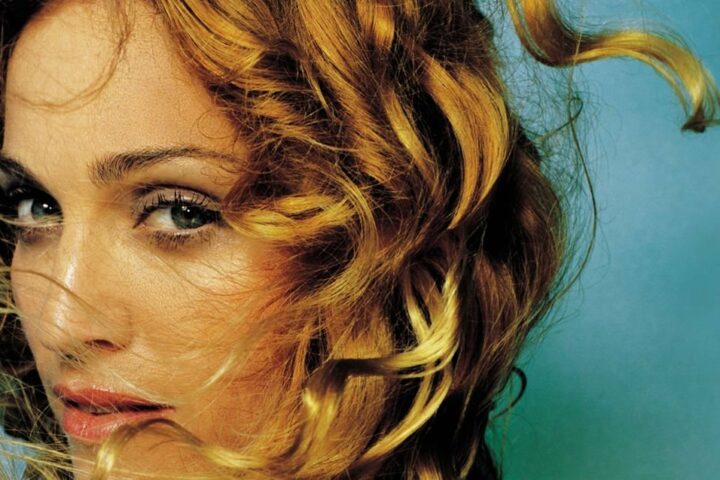
The album is the sound of a queen, sitting on her throne, taking inventory of her icy, empty fortress.
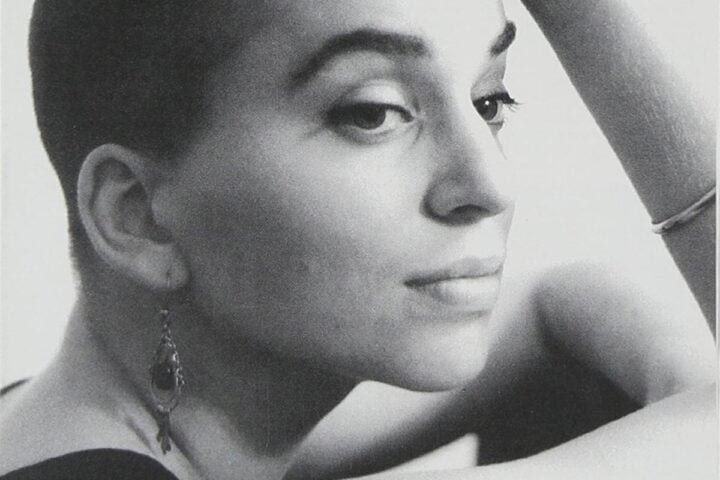
DiFranco’s eponymous debut begins with the now-classic “Both Hands,” the unmistakable first chords of which sparked a folk revolution.

Less than a year after her debut, DiFranco emerged quirkier and more caffeinated than ever on Not So Soft.
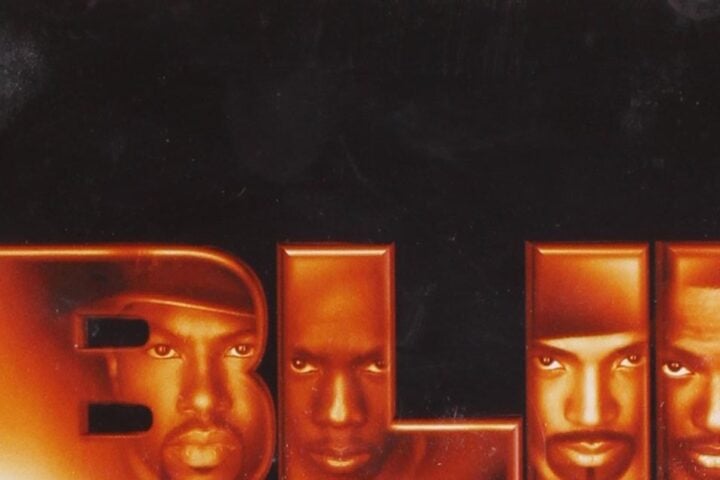
A vain attempt at recapturing the chart magic of 1996’s Another Level.

With her third studio release, DiFranco had begun to perfect her craft.