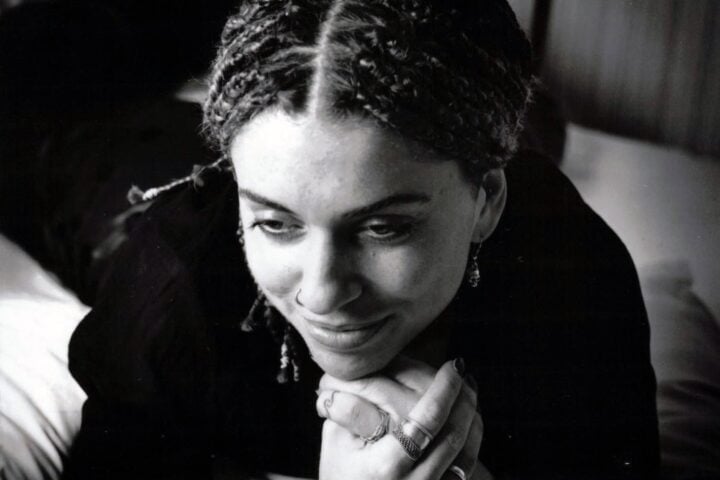
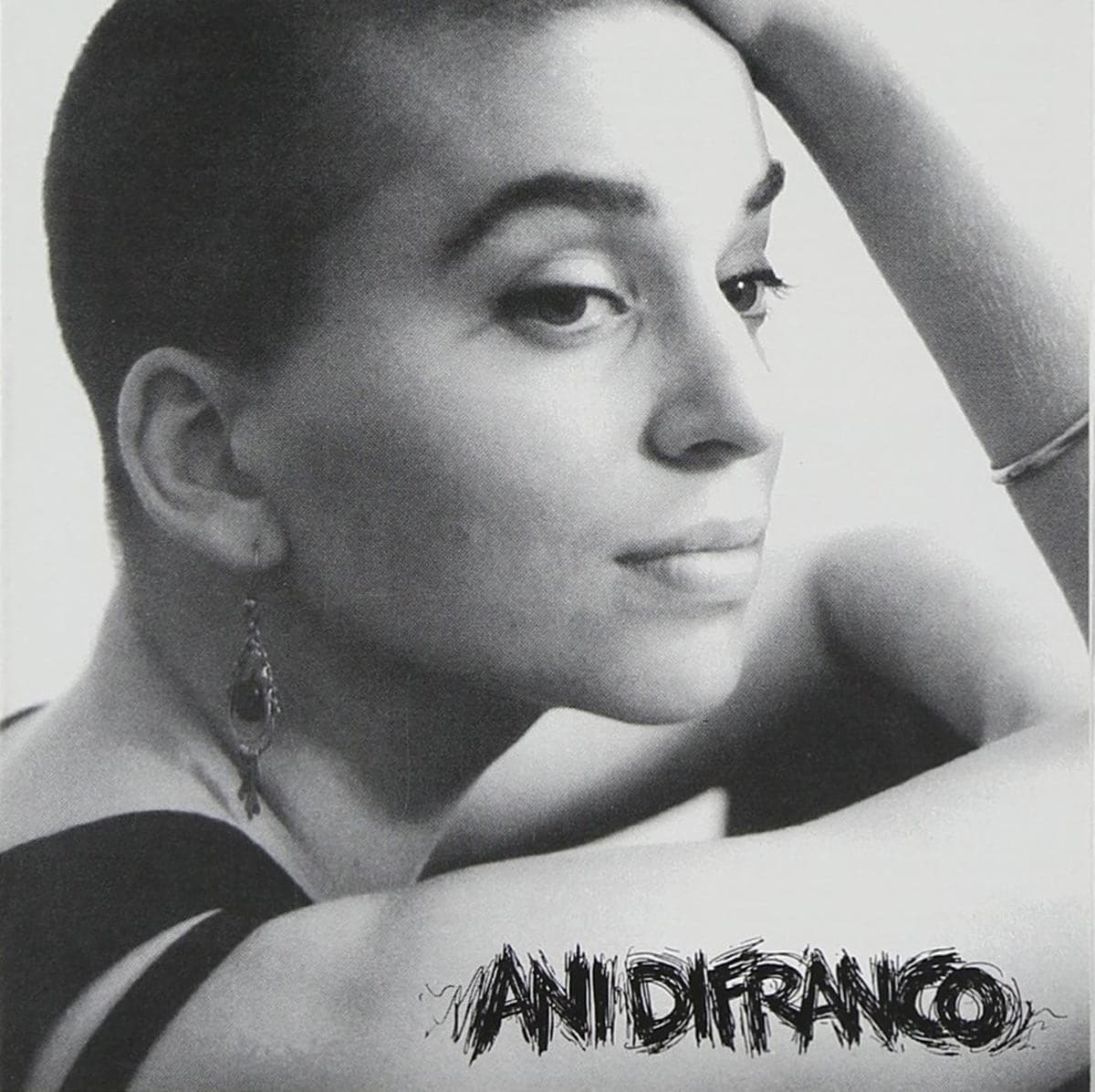
 Ani DiFranco’s eponymous debut begins with the now-classic “Both Hands,” the unmistakable first chords of which sparked a folk mini-revolution in the early ’90s. The song was the first of many to mix human sensuality and sexual politics in what would become typical DiFranco fashion. The folksinger targets sexism and racism on the ominous “Work Your Way Out,” all the while pining poetically for an intentionally ambiguous love interest: “I wonder what you look like under your T-shirt/I wonder what you sound like when you’re not wearing words.” Similarly, tracks like “Rush Hour” helped blur DiFranco’s sexuality. The then-19-year-old tackles the complexities of abortion with stunning dexterity, referring to “the sterile battlefield that sees only casualties, never heroes” on “Lost Woman Song,” and lashes out against American complacency long before 9/11 on “Dog Coffee”: “Freedom and democracy/That’s the word from Washington every day/Put America to sleep with warm milk and a cliché.” DiFranco also brought a warm vulnerability to her seemingly militant feminism on “The Story”: “I am up against the skin of my guitar/In the window of my life/Looking out through the bars/I am sounding out the silence/Avoiding all the words/I’m afraid I’ve said too much…I’m afraid no one has heard me.”
Since 2001, we've brought you uncompromising, candid takes on the world of film, music, television, video games, theater, and more. Independently owned and operated publications like Slant have been hit hard in recent years, but we’re committed to keeping our content free and accessible—meaning no paywalls or fees.
If you like what we do, please consider subscribing to our Patreon or making a donation.