Admirably, Yaron Zilberman’s film focuses on the cyclical nature of violence in a decades-old conflict.



Pat Brown teaches Film Studies and American Studies in Germany. His writing on film and media has appeared in various scholarly journals and critical anthologies.
Admirably, Yaron Zilberman’s film focuses on the cyclical nature of violence in a decades-old conflict.

The film remains a hypnotic yet foreboding look at how the proliferation of images and media technology affect the mind.

Criterion’s release of Beineix’s epic erotic drama recovers the sumptuousness and precision of its images.

Throughout, the filmmakers occlude the most fascinating and potentially powerful elements of Jean Seberg’s history.
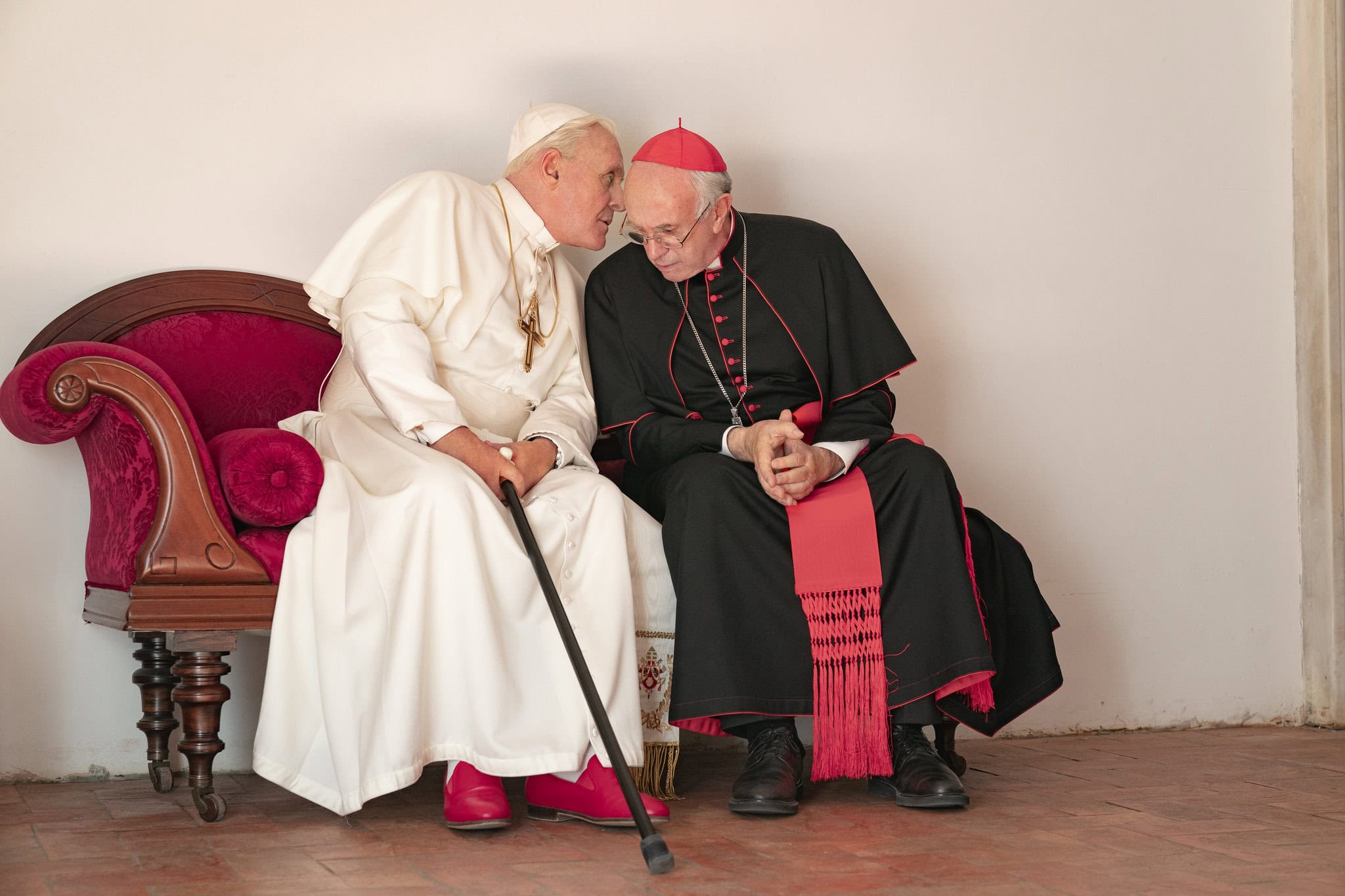
There isn’t anything in the bleeding-heart positions espoused by Jorge Bergoglio that complicates Pope Francis’s public persona.

Its performatively extreme imagery thinly masks a rather banal view of male subjectivity and inner conflict.
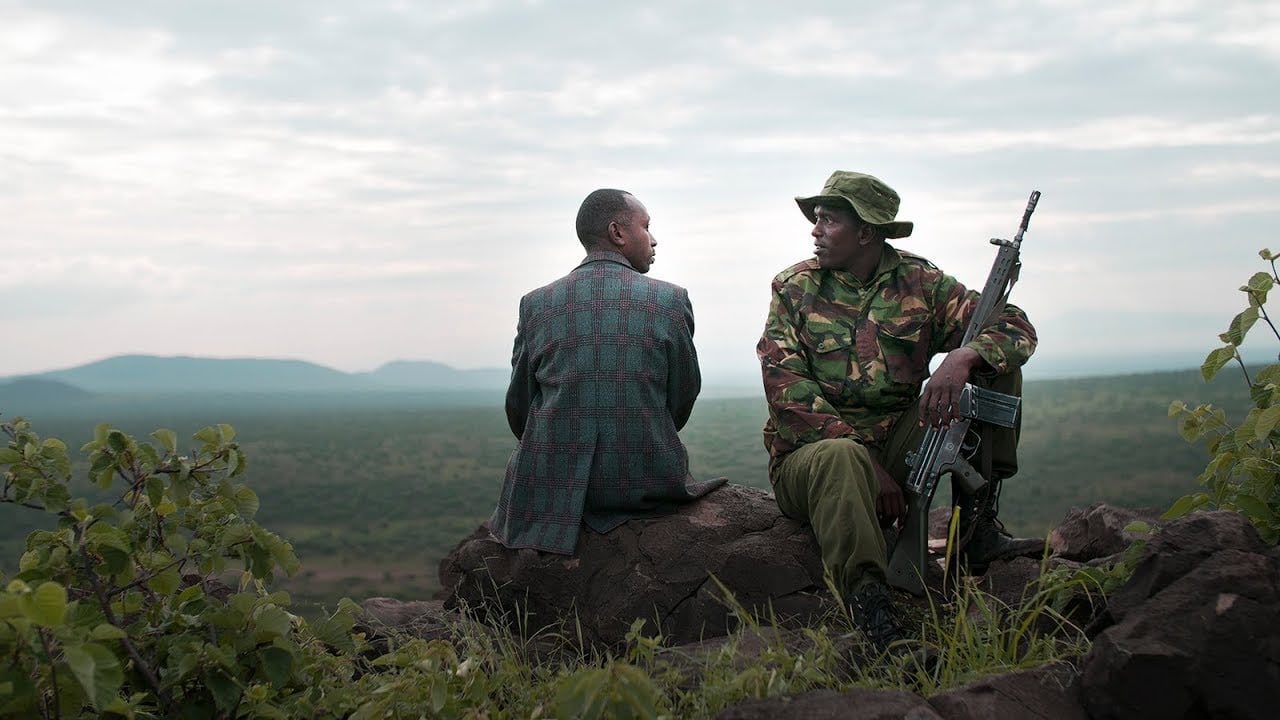
Think Michael Mann’s Heat but in East Africa and with real-world stakes.

Criterion’s release captures the icy-hot intensity and meticulous beauty of Pawlikowski’s shamelessly grandiose romance.

Woke Disney, trying to navigate a tricky representational path, steps all over itself throughout.

An airport novel of a movie, Bill Condon’s The Good Liar is efficient and consumable, if a bit hollow.
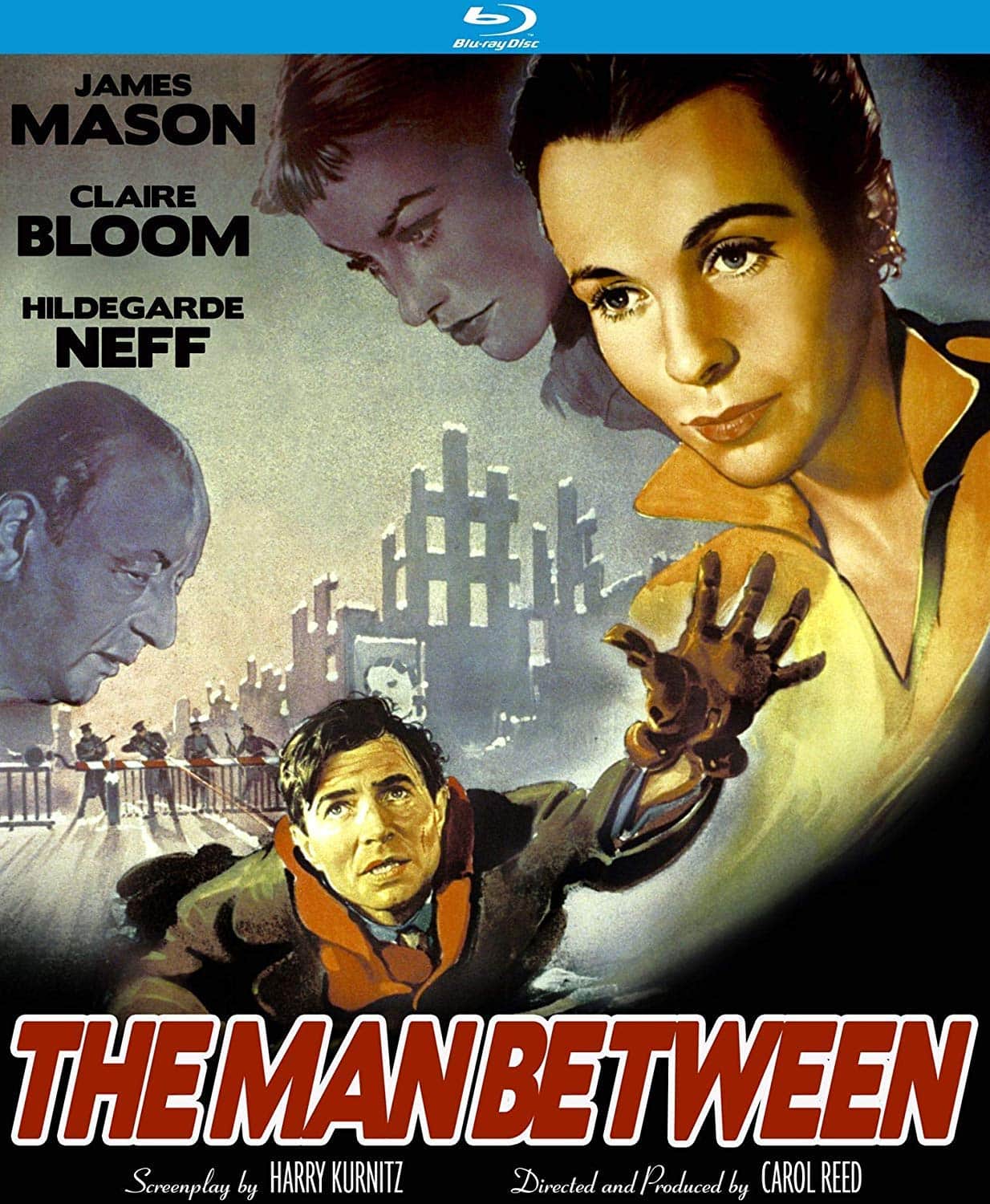
This stylish and visually intelligent thriller has been preserved beautifully by Kino Lorber.

There’s a lack of concreteness about the story and characters that render its reiteration of Christmas lessons utterly toothless.

Matthew Barney re-instills nature with some of the mystic aura that modernity has robbed it of.

Like a traumatized psyche, it remains uncomfortably stuck in the past, replaying familiar events in an effort to empty them of terror.
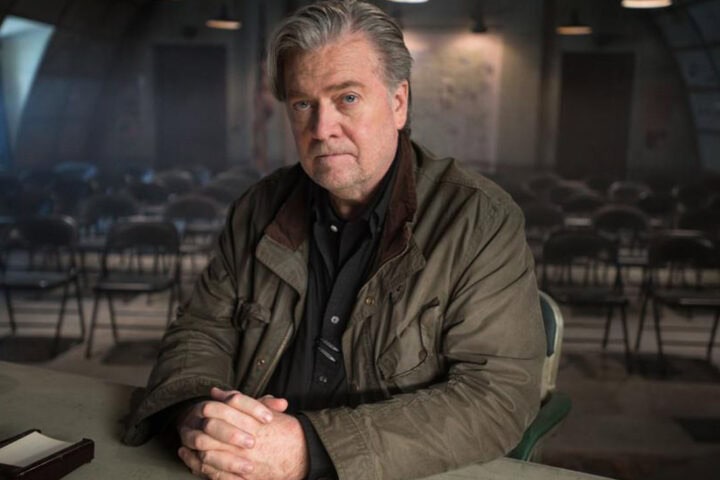
The film feels rather like listening to the arsonist calmly explain why he set the fire as we continue to watch it rage.

The film image opens a space for both a reckoning with the old and the creation of the new.

This battlefront thriller has a clearer moral sense than other cinematic attempts to cope with the War on Terror.
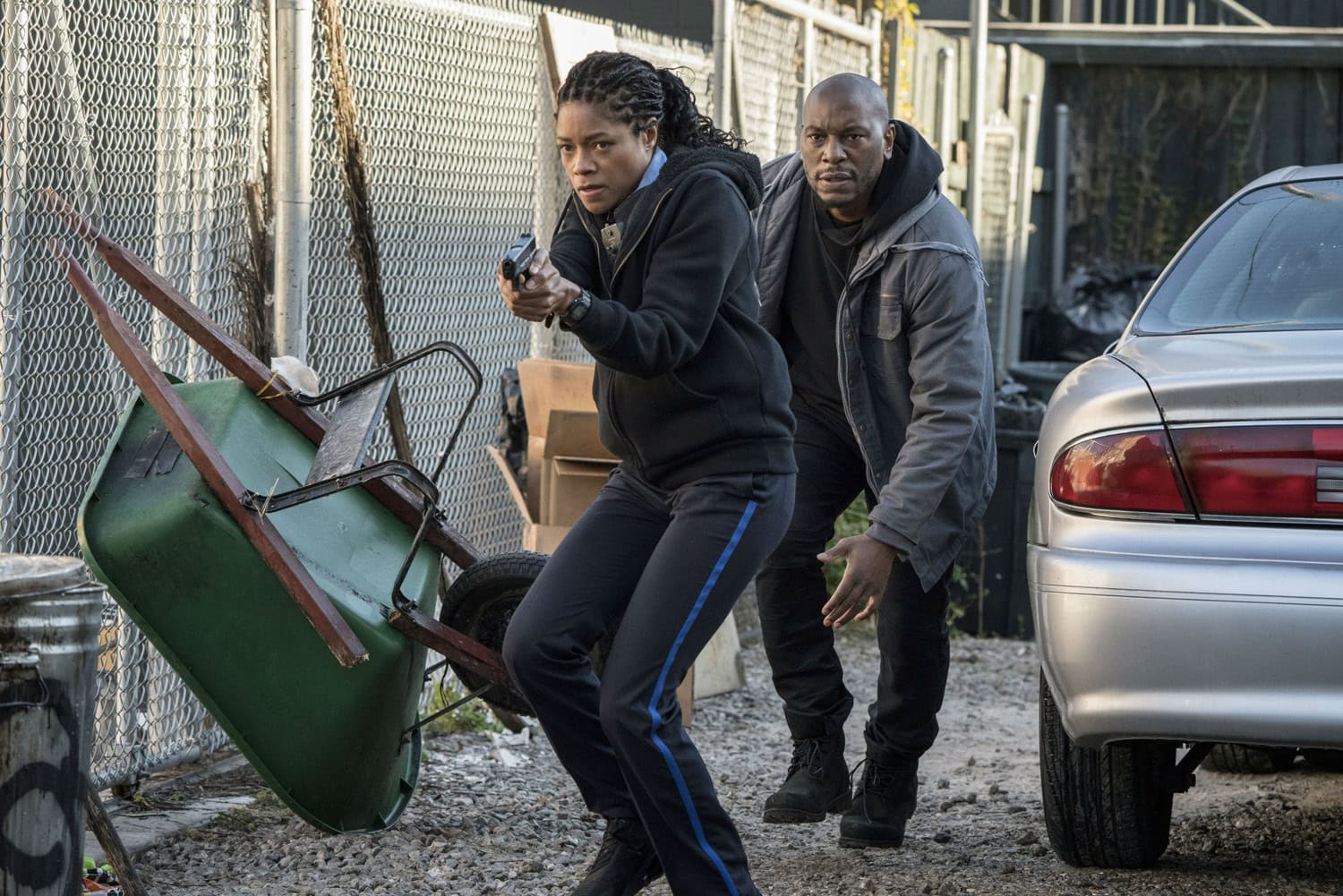
The film’s command of action defuses concerns about whether it offers a thorough social critique.

In transforming folk metaphors into utilitarian attributes of an action hero, Disney exposes the emptiness of their product.

Pixar’s superfluous but characteristically touching epilogue for its flagship franchise gets an equally fond send-off on home video.