The film presents its scattershot cop-movie tropes in earnest, as if, like hurricanes, they were natural, unavoidable phenomena.



Pat Brown teaches Film Studies and American Studies in Germany. His writing on film and media has appeared in various scholarly journals and critical anthologies.
The film presents its scattershot cop-movie tropes in earnest, as if, like hurricanes, they were natural, unavoidable phenomena.

Klimov’s unbelievable vision of the agonizing hell of war is preserved in all its nightmarish beauty on this release.

With great clarity, the film conveys how discipline can be directed both inward and outward.

Holland’s film is also a tribute to those who see the world for what it is.

Convenient plot twists undermine its early pretense that it’s aiming for something other than to exploit our deepest, most regressive fears.

Social ills become frivolous punchlines in this dire slice of Hollywood escapism.

On the Record implicates nothing less than the entirety of American culture in hip-hop’s sins.

It ends as a sincere story about a young woman’s emotional reconciliation with her alien, perpetually troubled place of origin.

Around his main character, writer-director César Díaz builds a complex but unpretentious interrogation of national belonging.
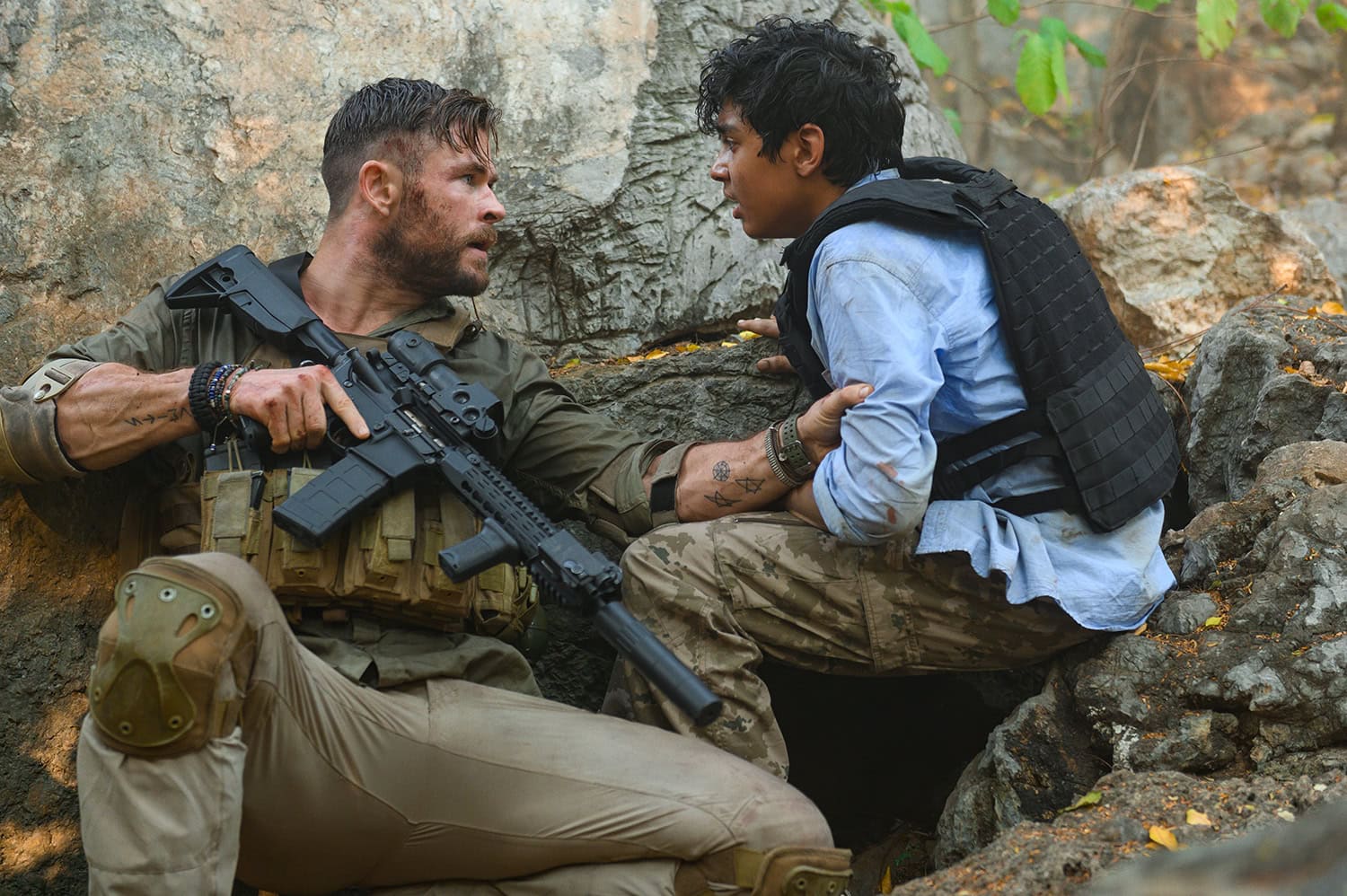
Chris Hemsworth’s hyperbolically skilled soldier is borne of childish fantasies about the order of the world.

In more than one sense, Justin Kurzel’s aggressively strange film queers the myth of the oft-lionized Ned Kelly.

At its best, the film doesn’t just privilege altered states of consciousness, it is an altered state of consciousness.
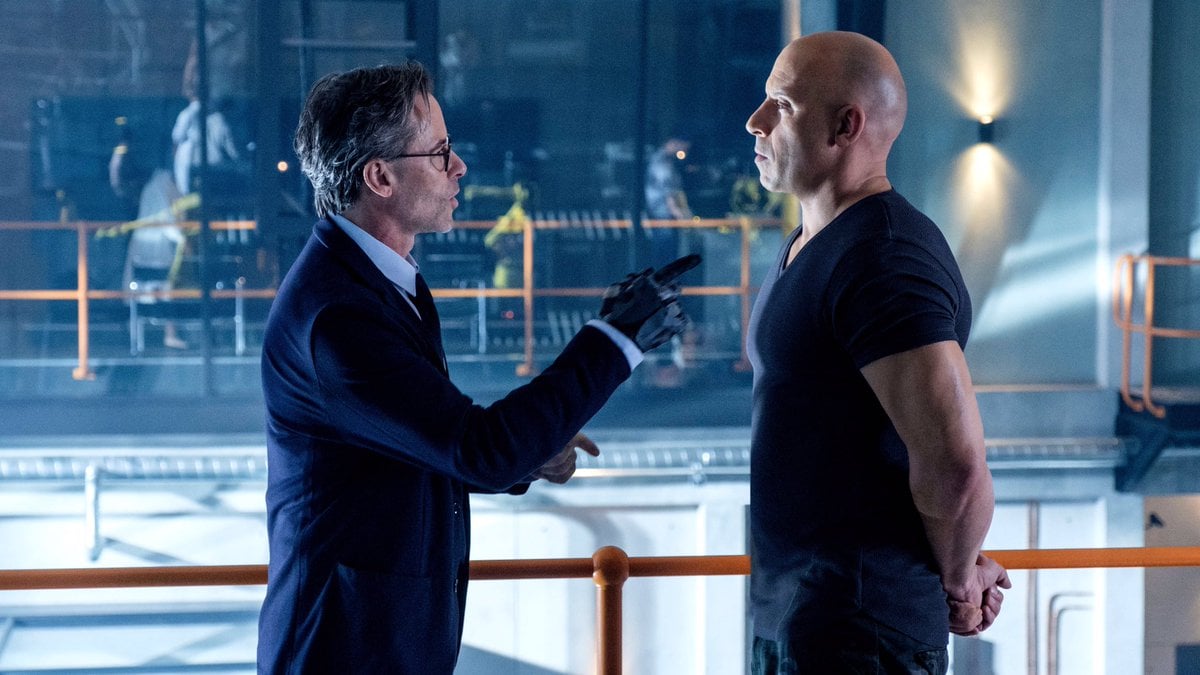
Given its hero’s imperviousness, the film’s chaotically edited action sequences tend to be devoid of suspense.
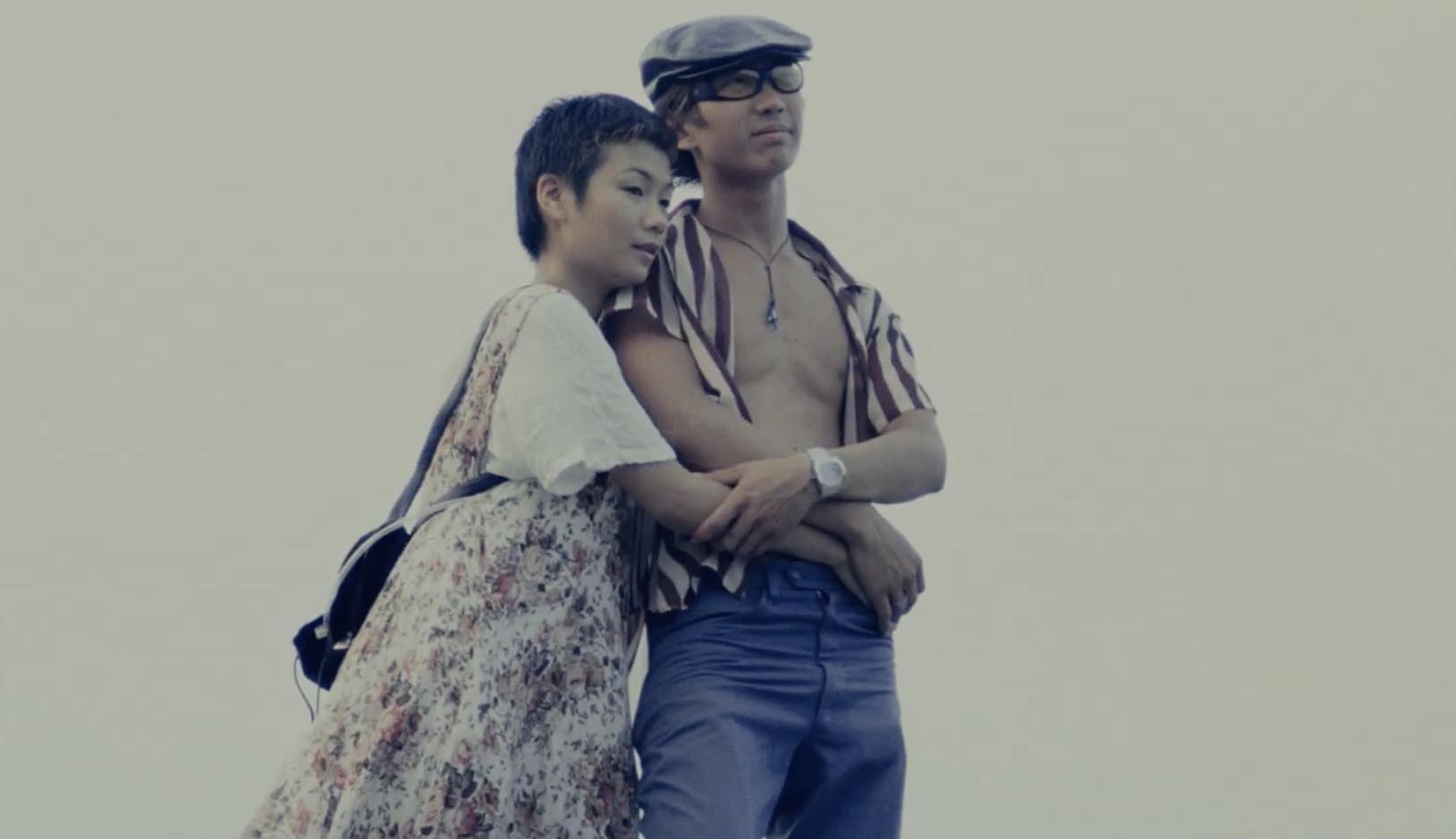
Its portrait of Hong Kong bears more than a passing resemblance to Wong Kar-wai and Christopher Doyle’s early work.

It’s difficult to imagine a more socially engaged or powerful condemnation of the exploitative gig economy than Ken Loach’s latest.

This lively adaptation plays up the novel’s more farcical elements, granting it a snappy, rhythmic pace.

It has almost enough genuine charm and heart to compensate for the moments that feel forced.

It suggests that a war’s horrors were the ultimate unassimilable experience of the shadowy depths of the human mind.

The filmmaker discusses her elliptical approach to filmmaking and how she compels our active spectatorship.

The film, as Arrow’s excellent assemblage of features proves, is rewarded by post-viewing conversation.