Ari Aster is interested in extremities, and knows just when to deploy one to enhance another.



Pat Brown teaches Film Studies and American Studies in Germany. His writing on film and media has appeared in various scholarly journals and critical anthologies.
Ari Aster is interested in extremities, and knows just when to deploy one to enhance another.
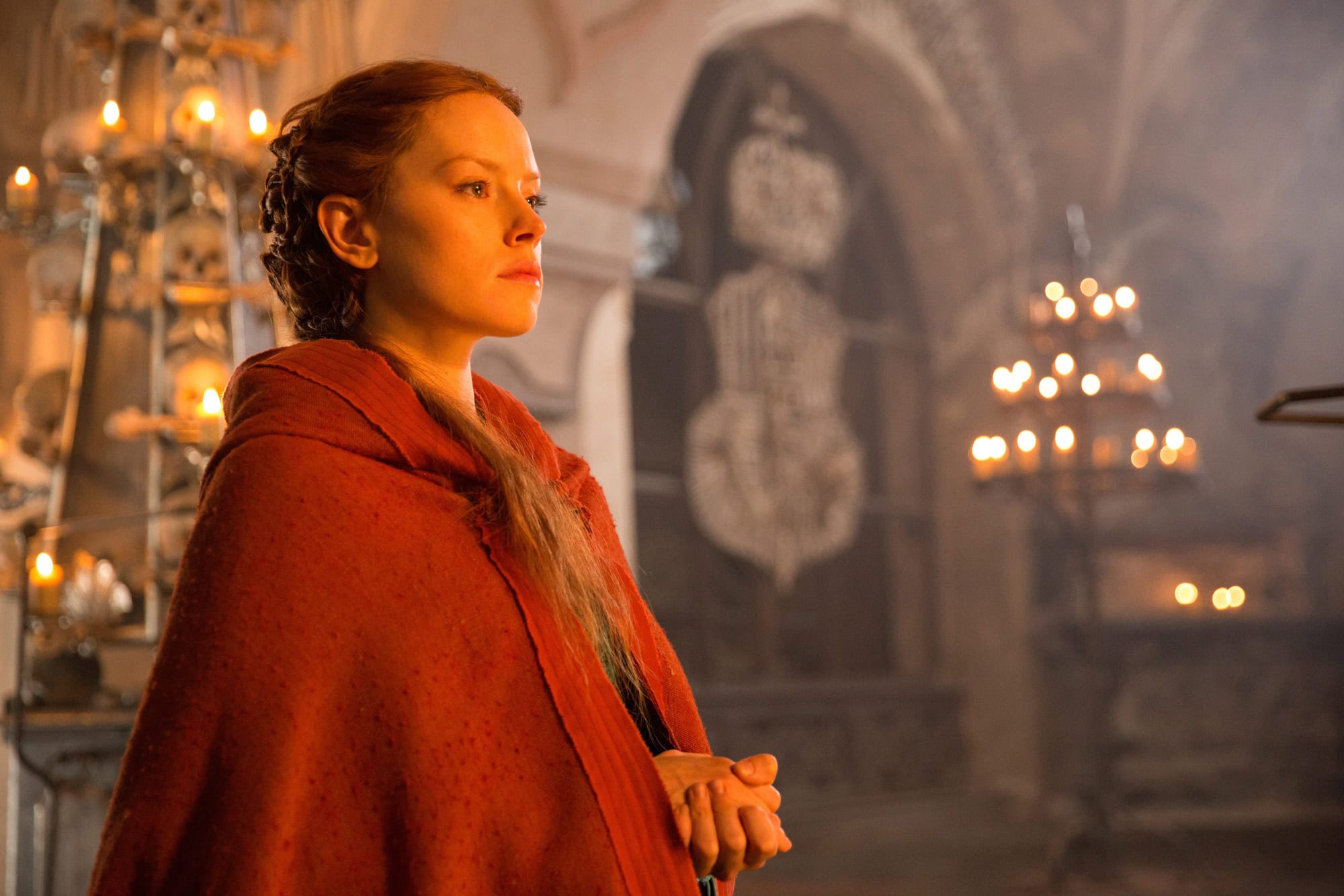
Transforming Ophelia’s abuser into a helpful co-conspirator hardly seems like the most daring feminist reading of Hamlet.
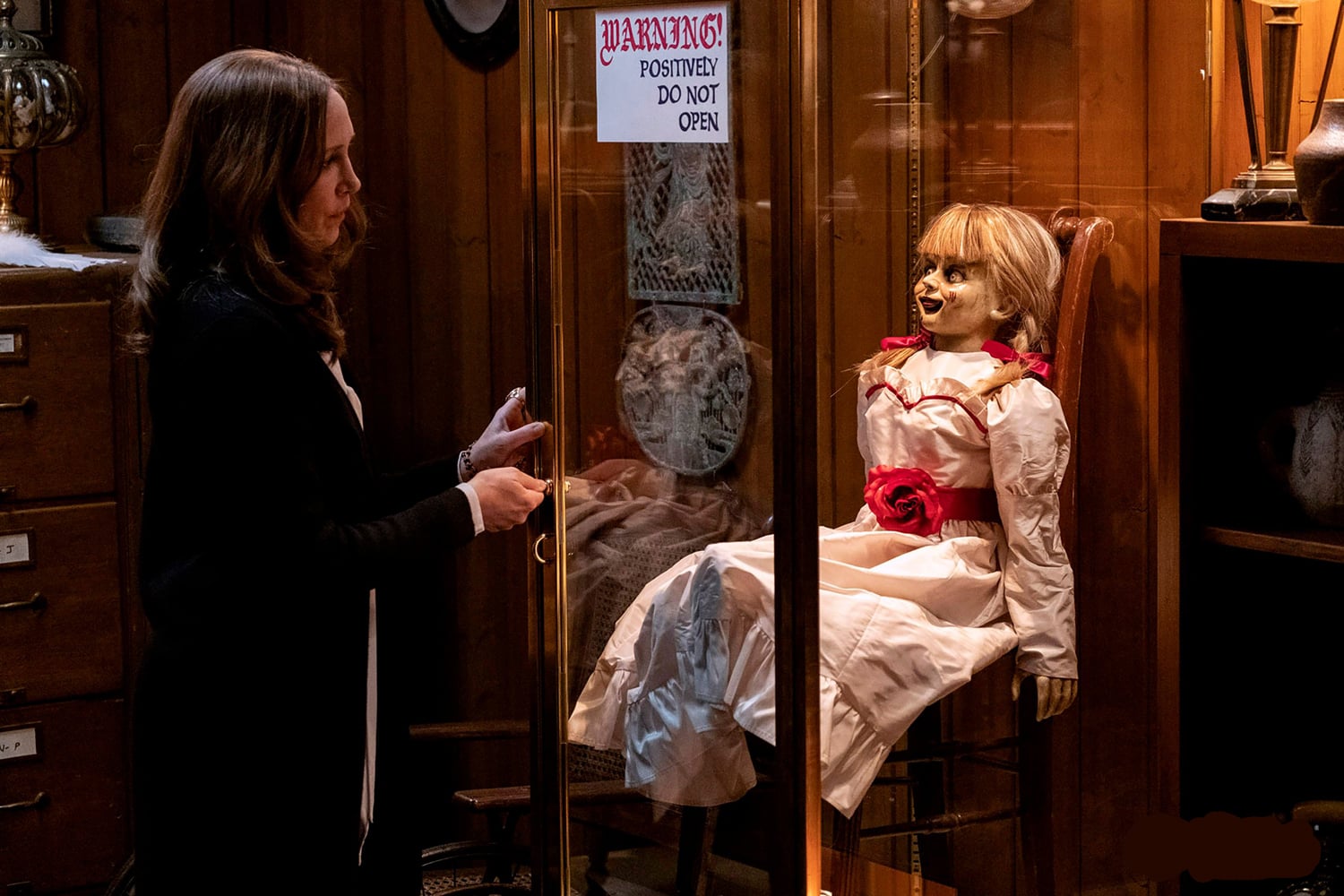
The film is at least as likely to elicit laughs as shrieks, and certainly unlikely to leave a lasting impression.

This Blu-ray release of two of Keaton’s greatest films does justice to the silent comedian’s visual genius.

In verbally recounting her history, Morrison proves almost as engaging as she in print, a wise and sensitive voice.
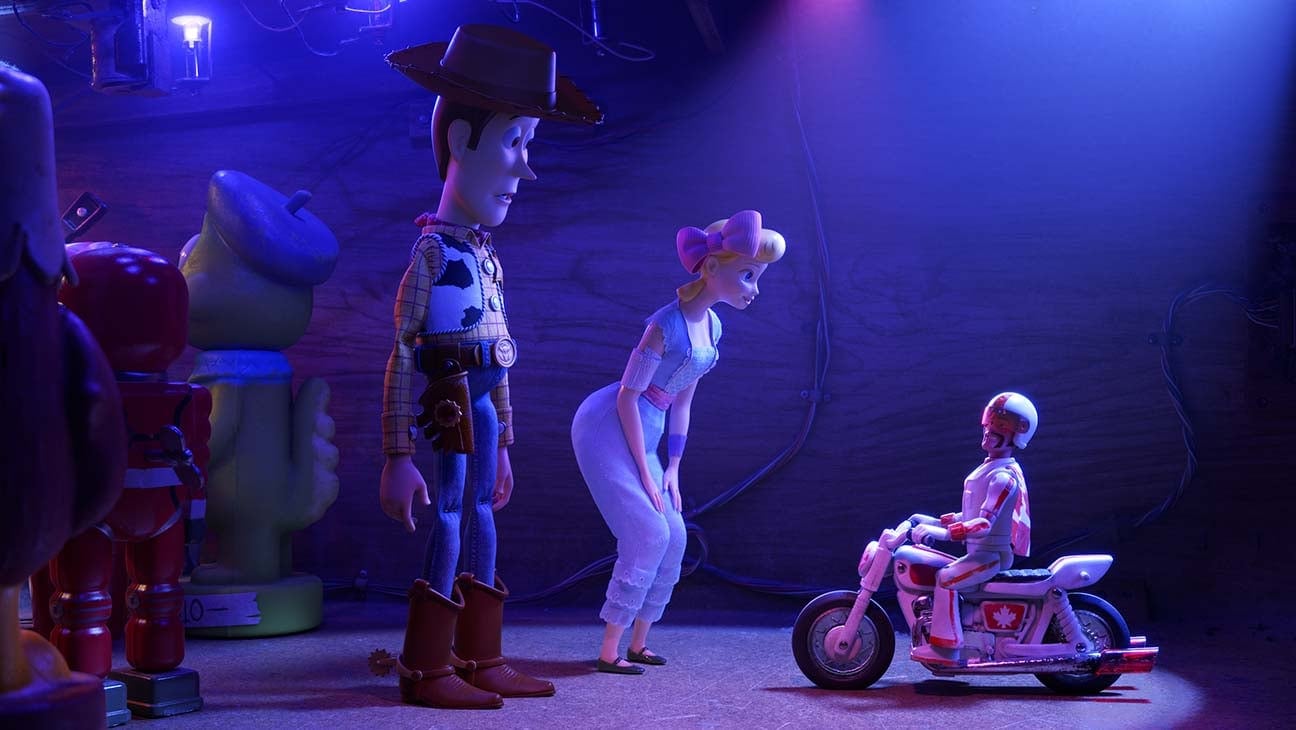
The film seamlessly interweaves fun escapades and earnest emotions, but it lacks the visual power of its predecessor.

The film wastes its charismatic leads in a parade of wacky CG creations whose occasional novelty is drowned out by its incessance.

The series transforms a story that captured something of the experience of war into a familiar melodrama.
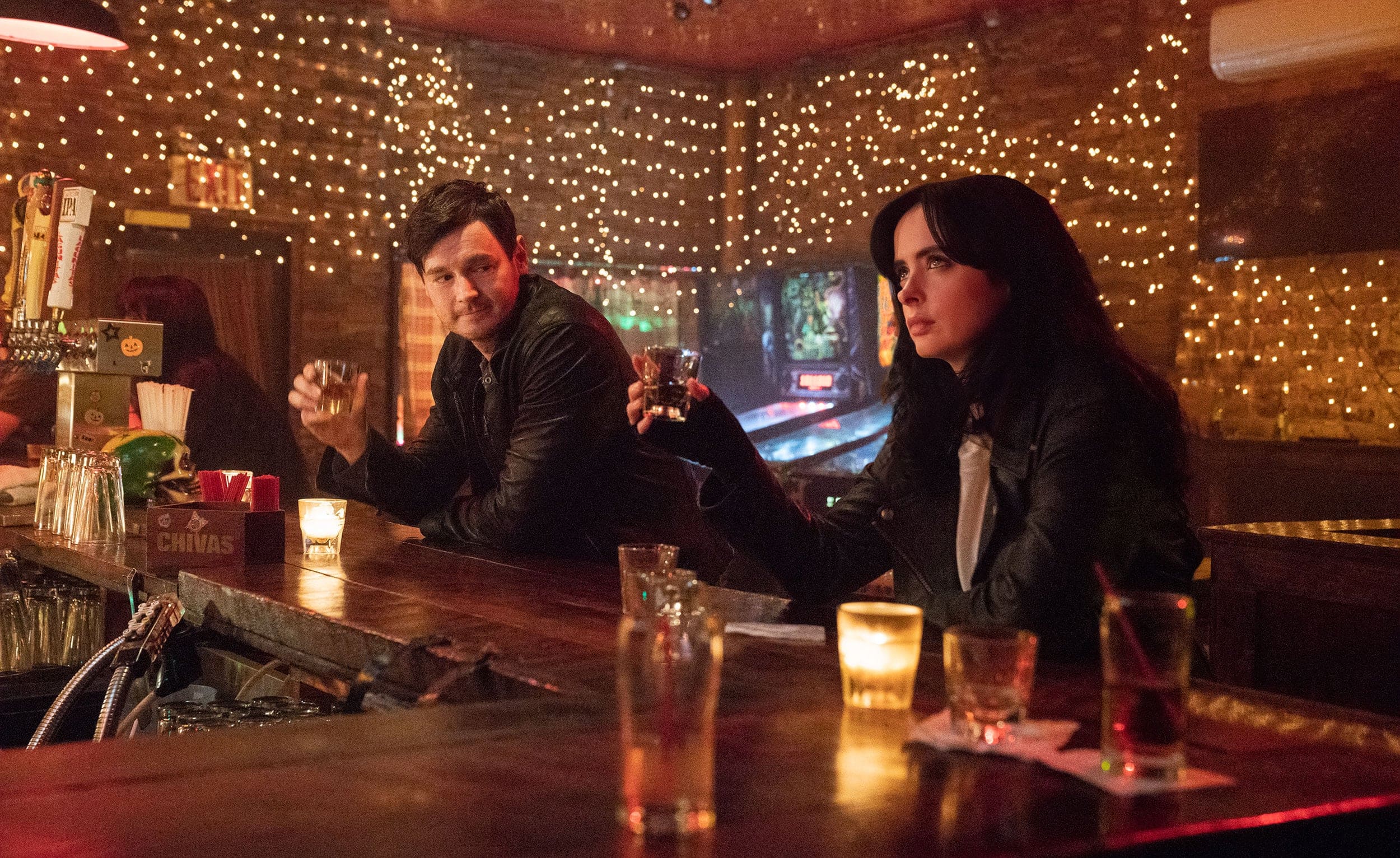
As it nears the end of its run, the series doesn’t seem to have much more to say about trauma.

The film is more interested in how people respond to extreme emotional crises than to everyday life.

There’s a surprising sense of communal exchange between the male strippers and their fans in Gene Graham’s documentary.
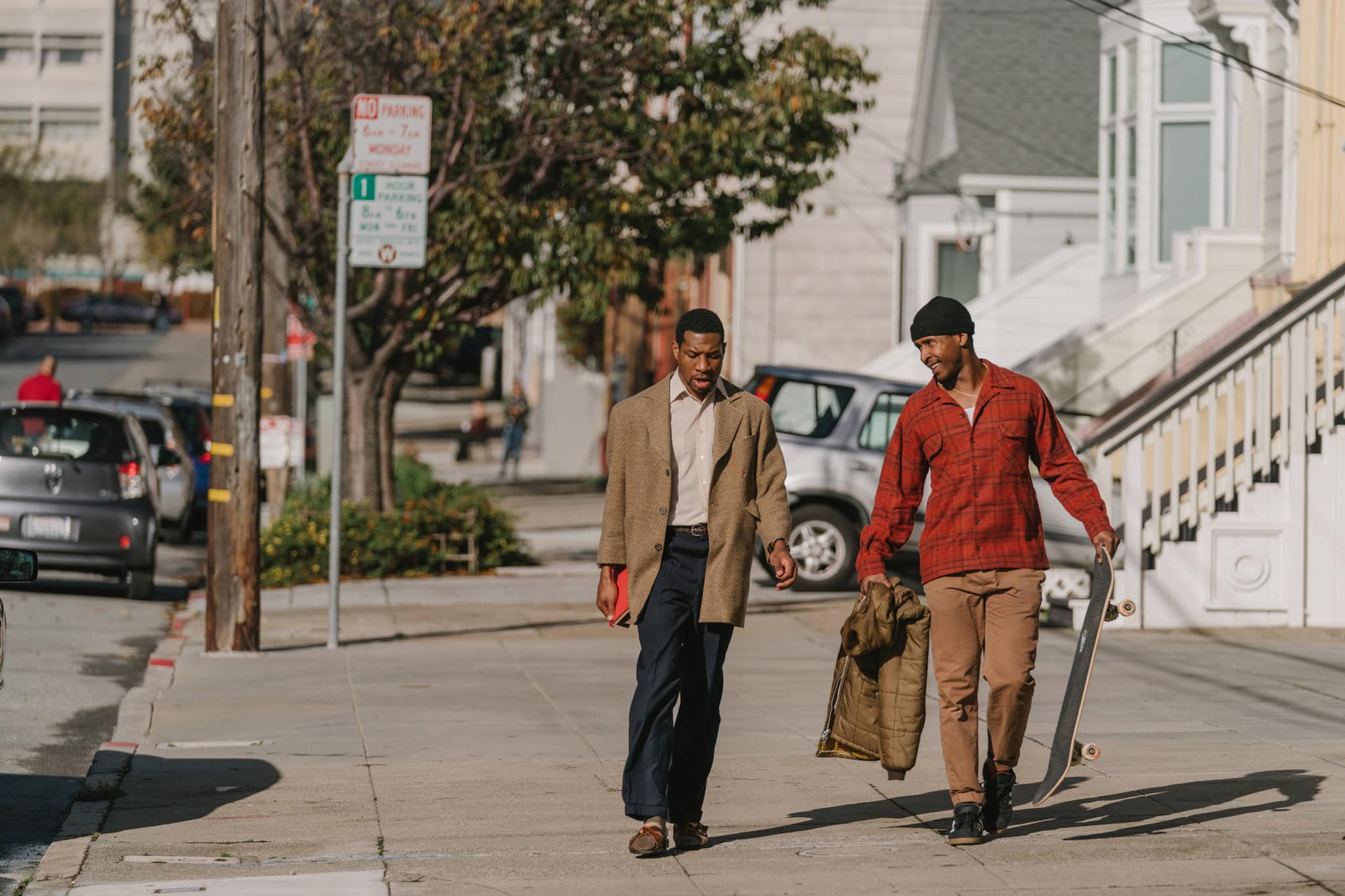
Joe Talbot’s film is a melancholic reflection on gentrification and urban black experience.
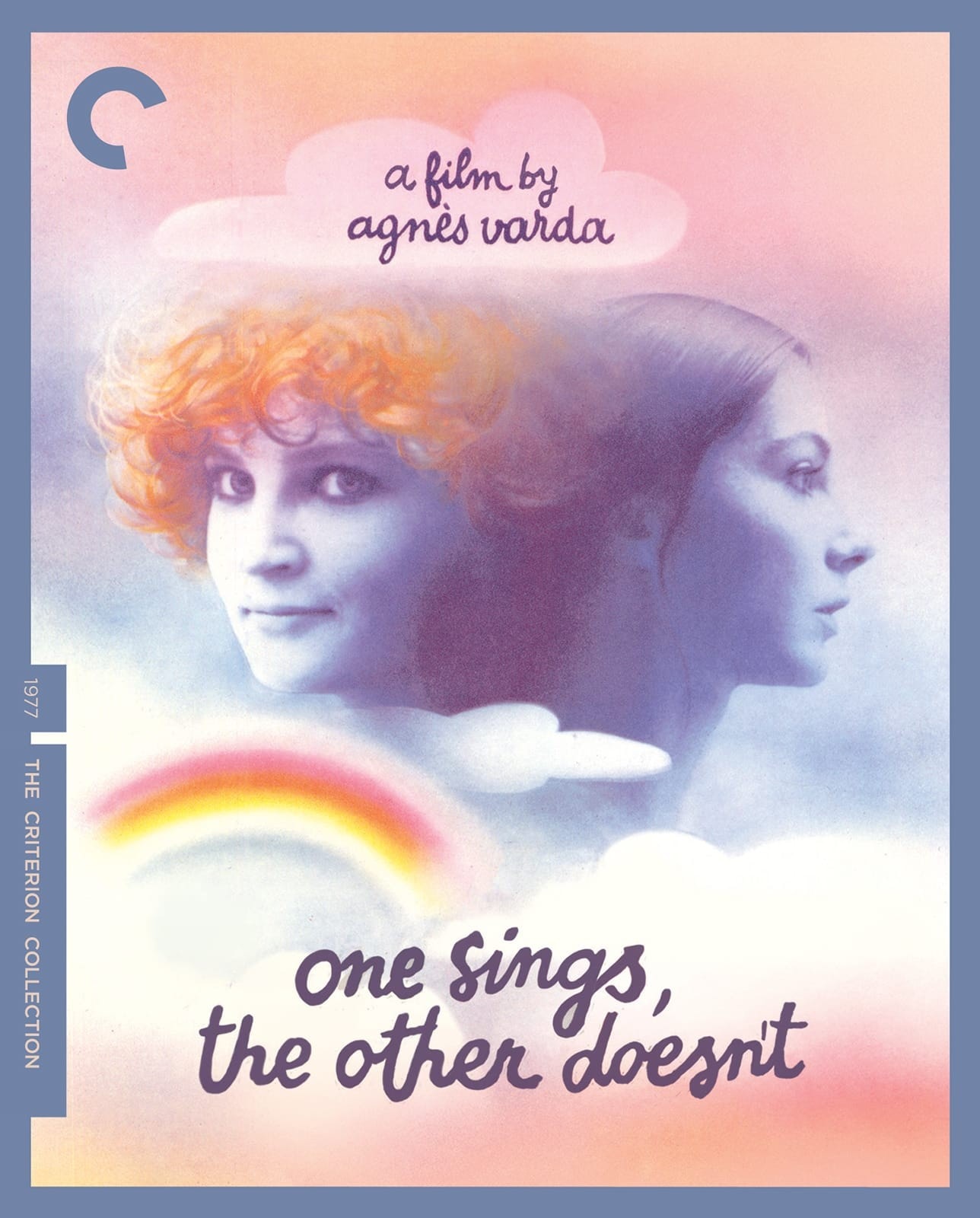
An optimistic celebration of women and their ongoing liberation, the film remains moving, inspirational, and perhaps a shade too relevant.
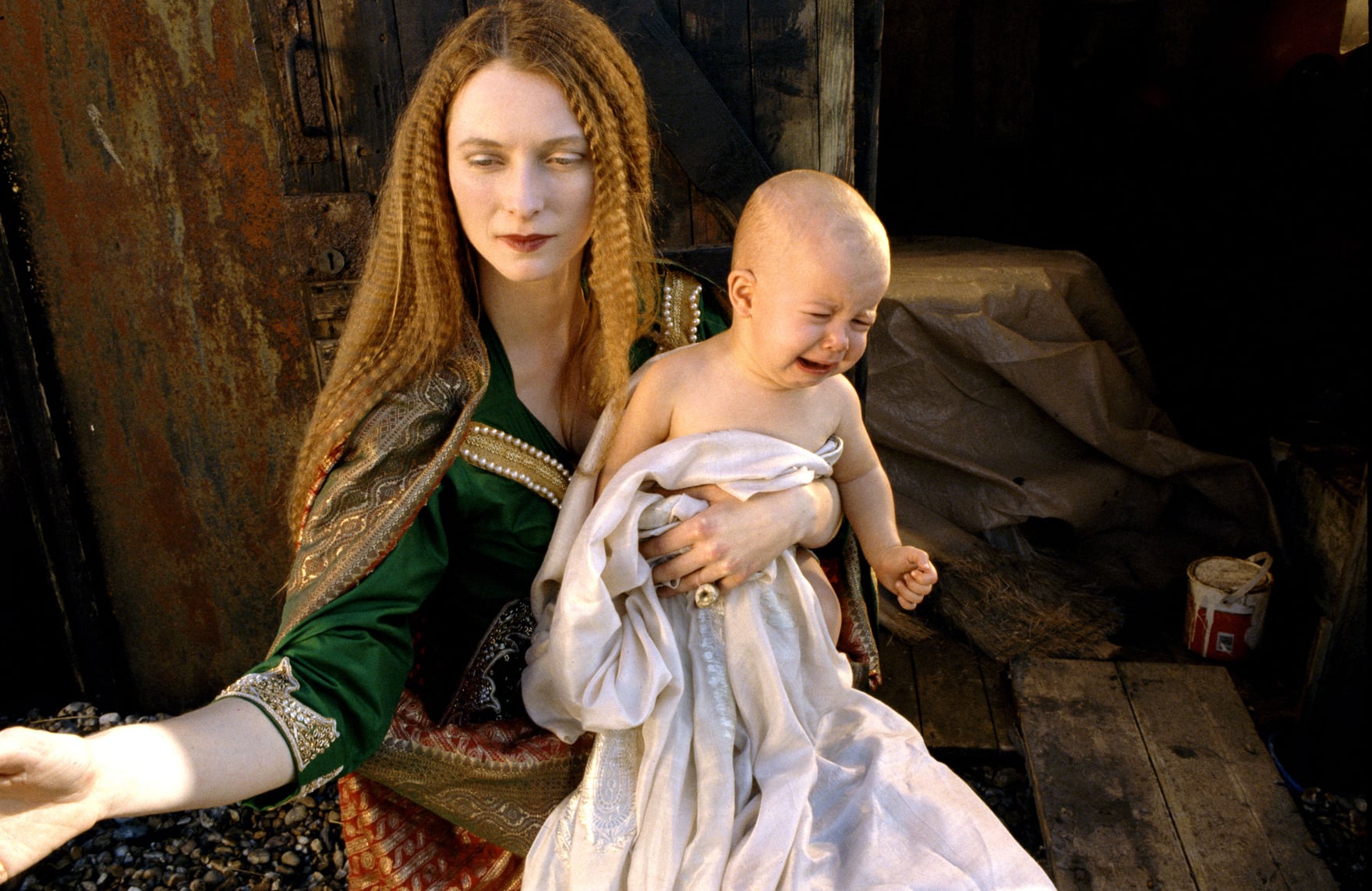
Derek Jarman’s 1990 film isn’t without hope that we can regrow a paradise.
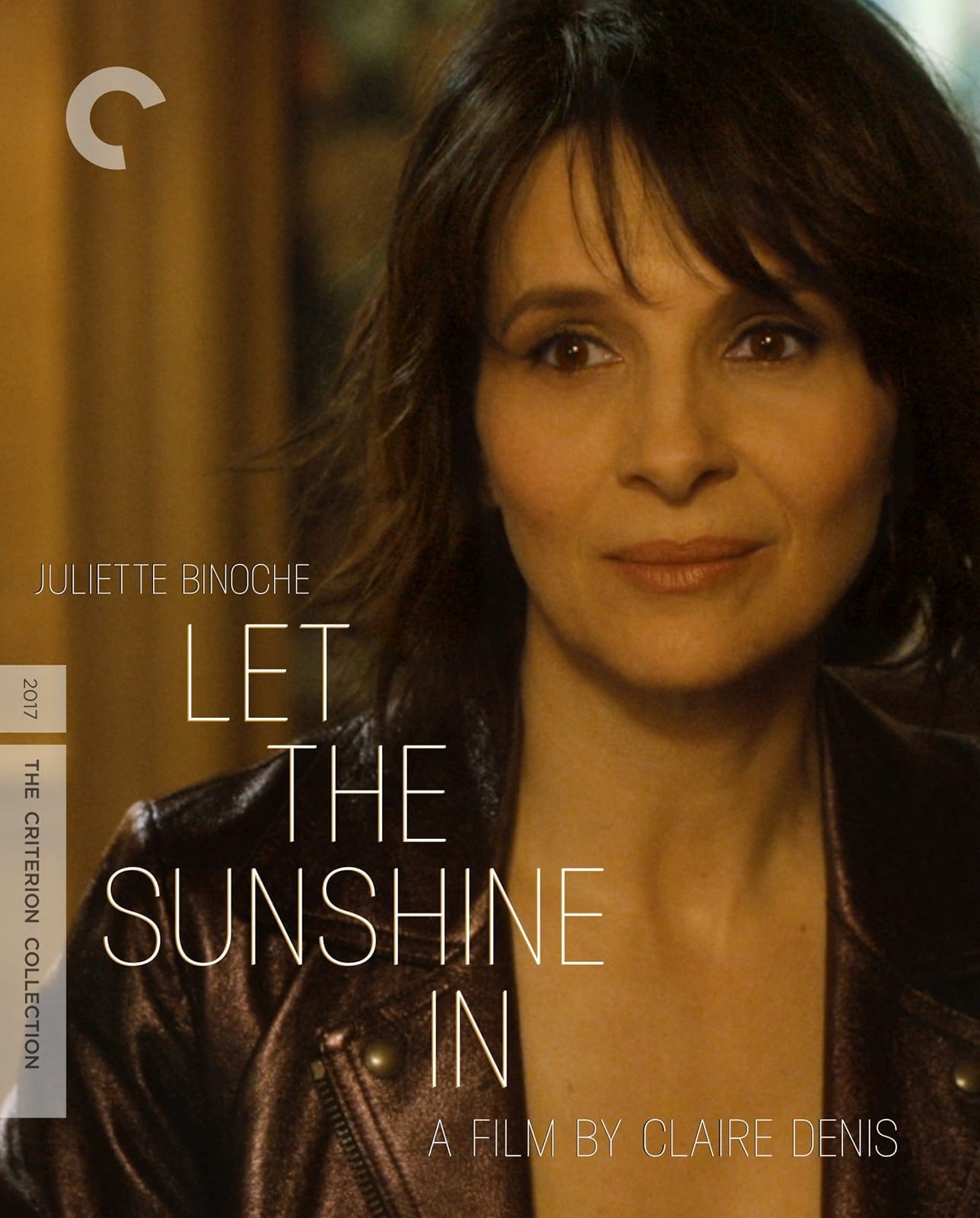
Criterion gives one of last year’s most deeply felt and beautifully shot films a rich transfer and a respectable set of extras.

It’s an R-rated teen comedy that proves that you can center girls’ experiences without sacrificing grossness.

As a musical, Dexter Fletcher’s film is just fun enough to (mostly) distract us from its superficiality.

Featuring a searing performance from Anna Karina, the film much more than the scandal that made it famous in France.

In pushing so many seemingly crucial moments off screen, the film transforms its main characters into blank slates.

Zwick uses a popular artistic mode to stake out a moral and political stance that, if not radical, is at least forceful.