At the very least, Ryan Reynolds’s casting perfectly splits the difference between the adorable and the absurd.



Pat Brown teaches Film Studies and American Studies in Germany. His writing on film and media has appeared in various scholarly journals and critical anthologies.
At the very least, Ryan Reynolds’s casting perfectly splits the difference between the adorable and the absurd.

The film’s relatively static approach to narrative works in scenes where the material is funny or elevated by a certain performance.

Below are some of the films, collections, and series that have already made the channel a vital service.

As it proceeds toward its telegraphed rom-com ending, the film becomes just more empty rhetoric, an ineffectual reiteration.

Rachel Lears’s film is a rebuttal to the position that Ocasio Cortez’s election victory was an incidental event in American politics.
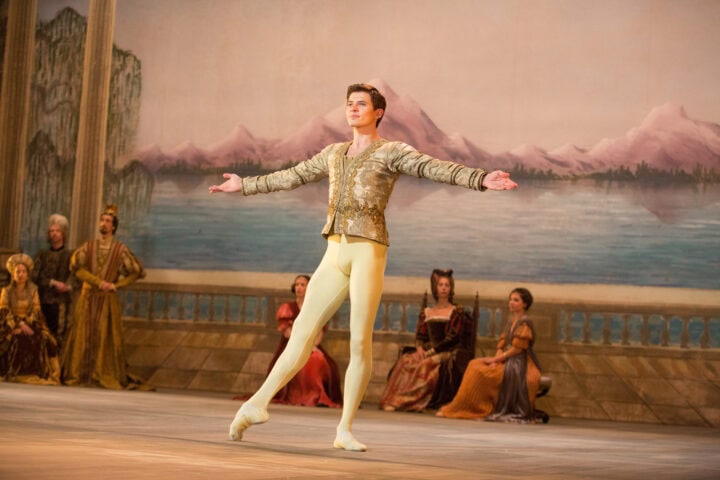
Ralph Fiennes’s film too conspicuously avoids an overt political perspective.

Its major contribution, as one museum curator suggests, may be to bring the works of Moshe Rynecki back into prominence.

The audacity of the film’s assertion of a queer African identity shouldn’t be overlooked.
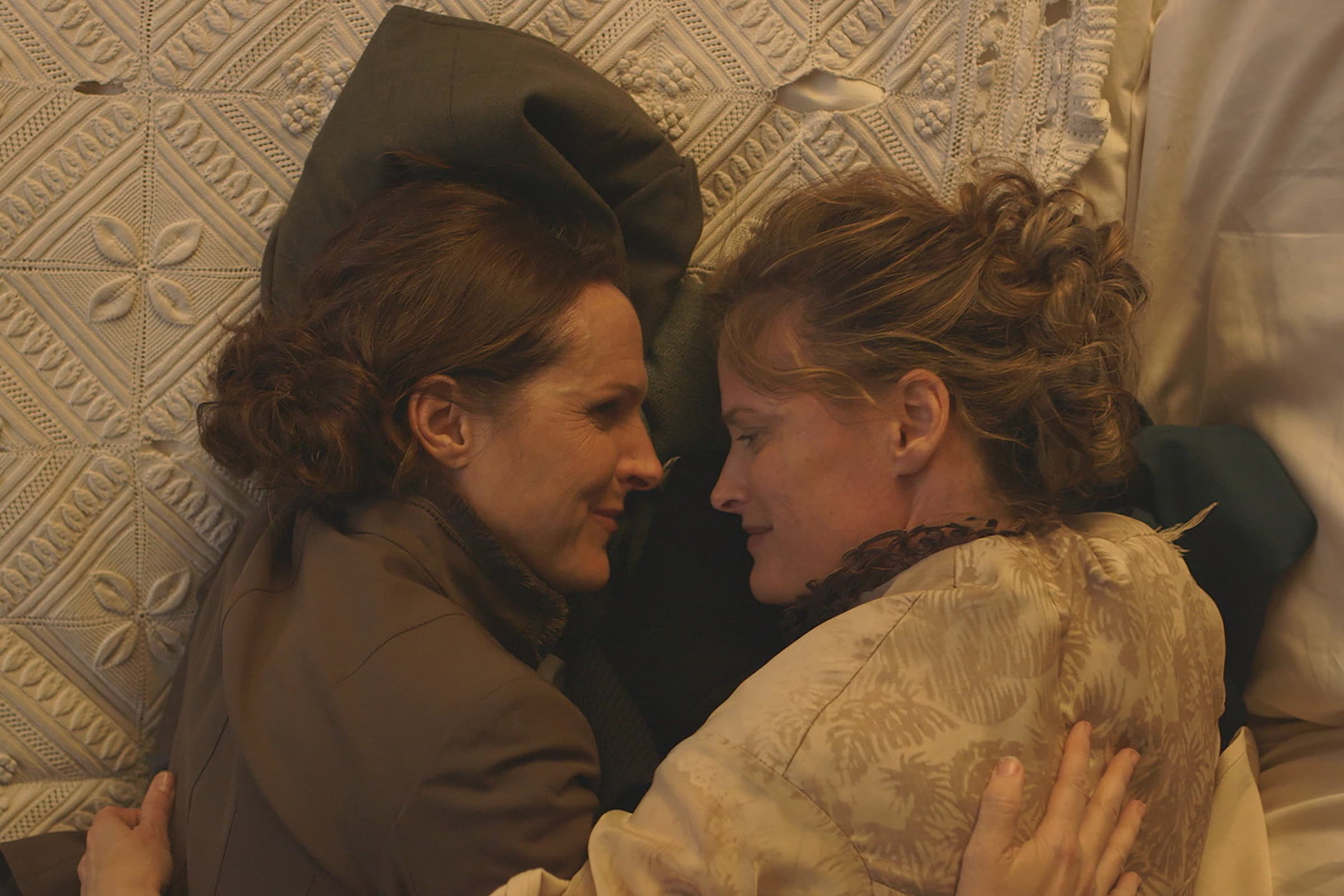
Its playful tone is a corrective to a century of scholarship that insisted on projecting the image of a moody spinster onto the poet.
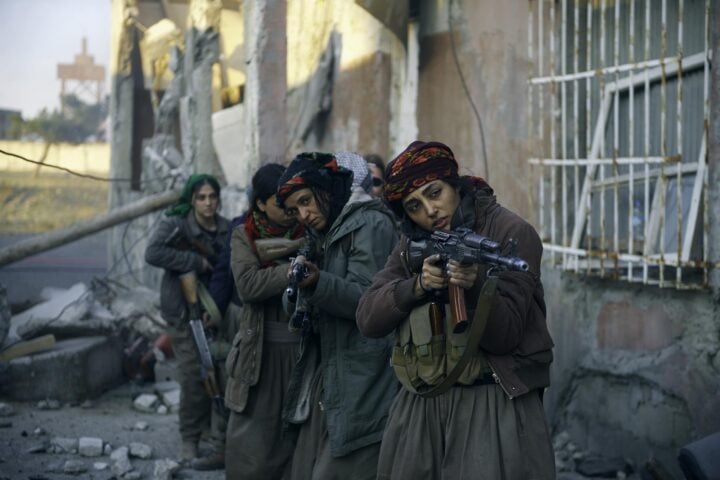
With its naked celebration of self-sacrificial combat, the film strikes a tone redolent of old-school war propaganda.
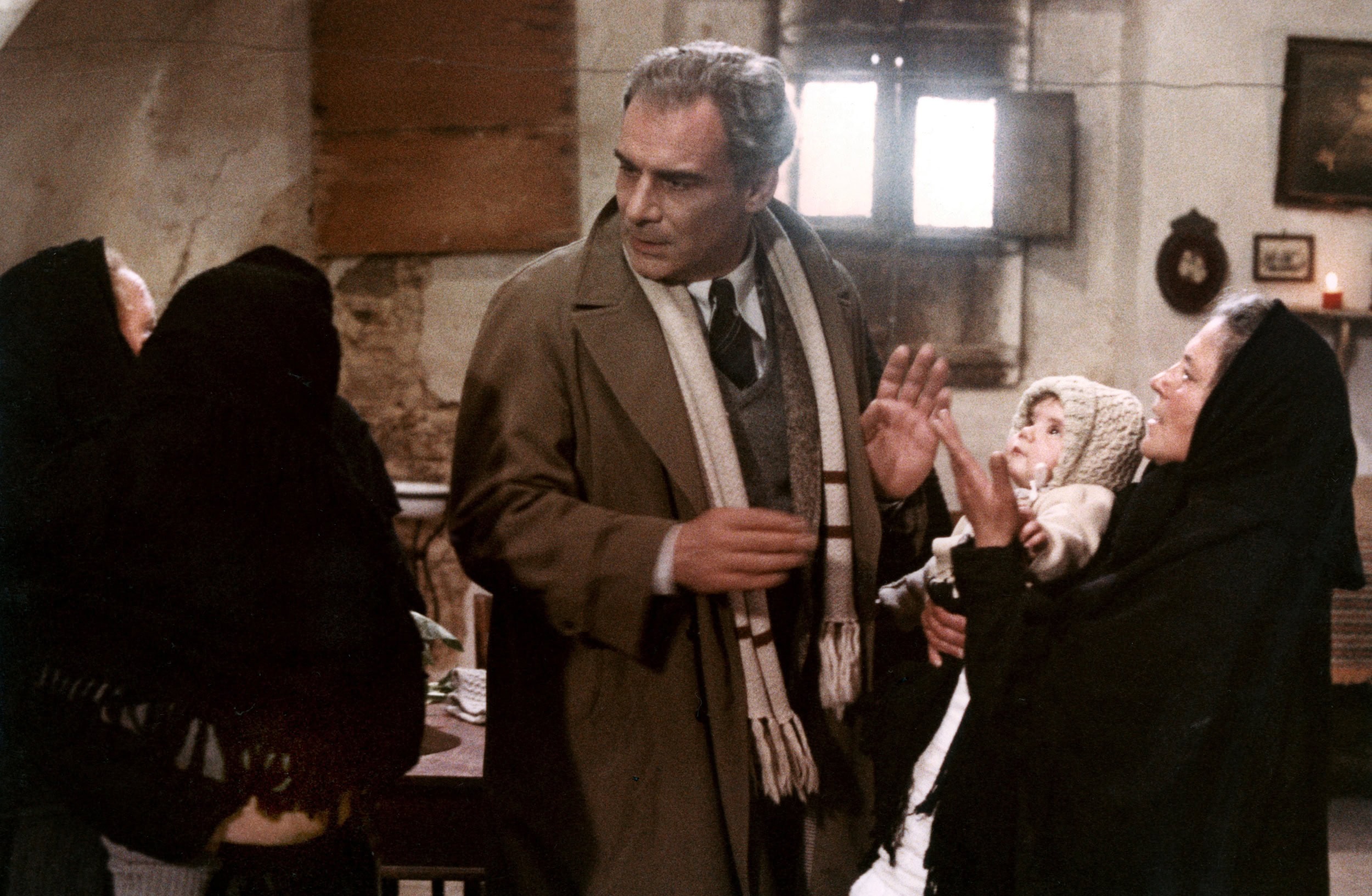
The film is humanistic exploration of Italy’s “southern problem” and a thorough indictment of nationalist and imperialist agendas.

Michal Aviad’s film forcefully brings home a reality that many of us have been aware of only intellectually.

The film might have better performed if it consisted of more than a smattering of good but relatively isolated ideas.

Throughout, the film can’t decide what attitude to strike toward its characters’ evident greed.
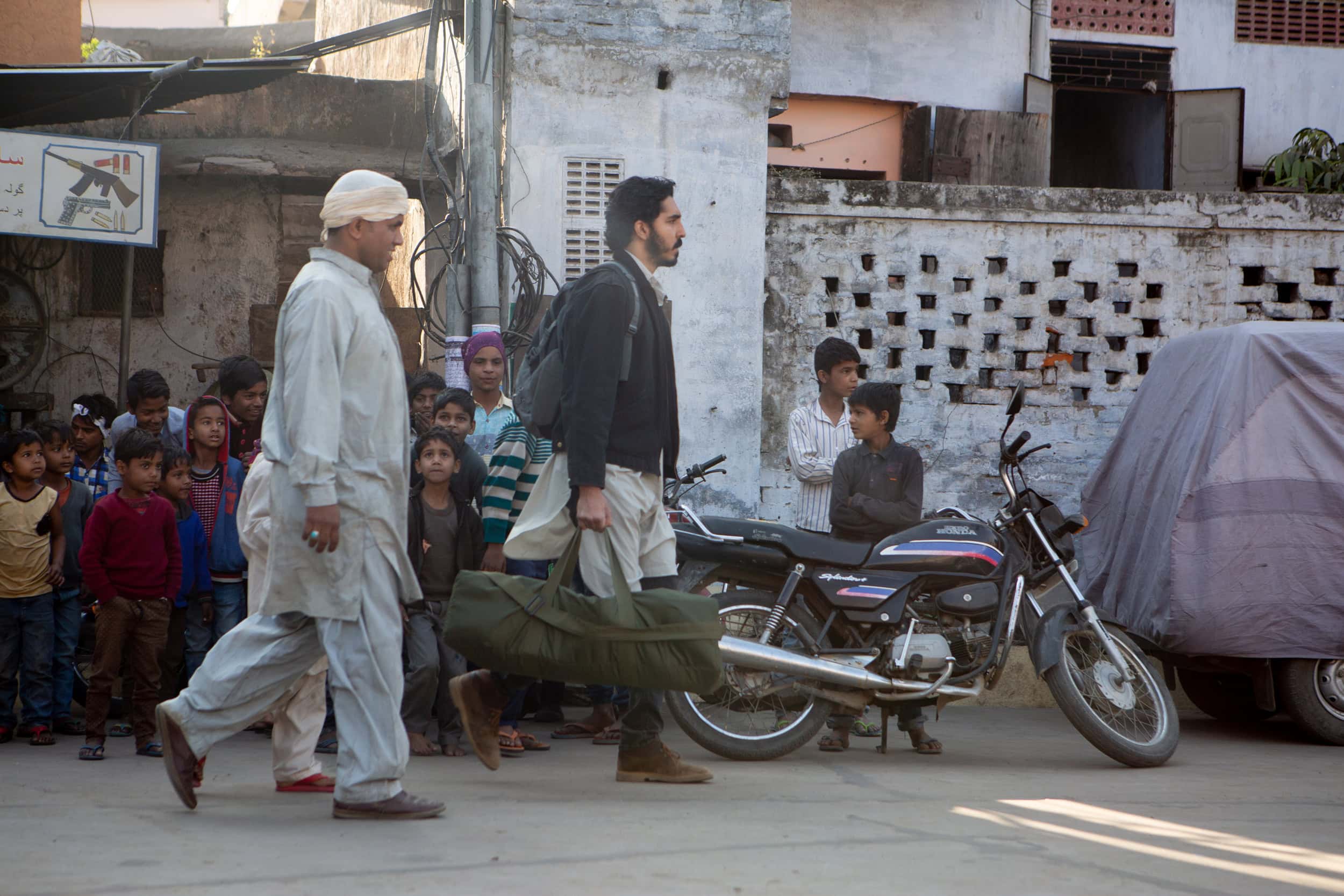
Michael Winterbottom’s film succeeds in translating the problematics of intercultural conflict into thriller fodder.

Director Ty Roberts’s film is unable to realize that its subject matter is that of a horror story.
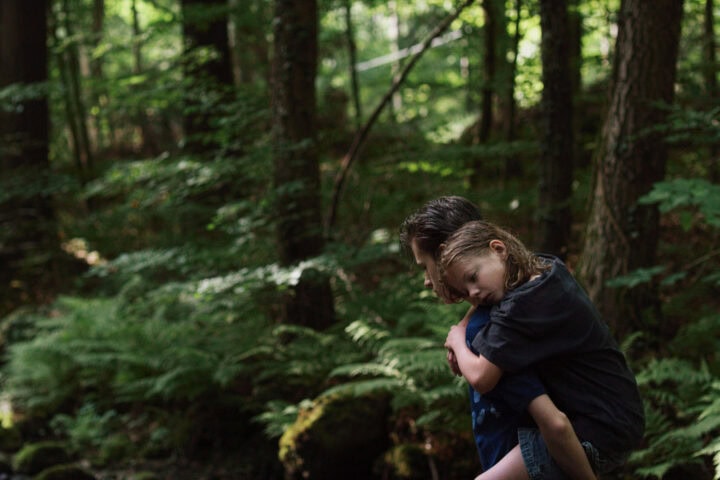
These films depict in distinctive ways the process of coping with and even accepting the dead’s presence in our lives.
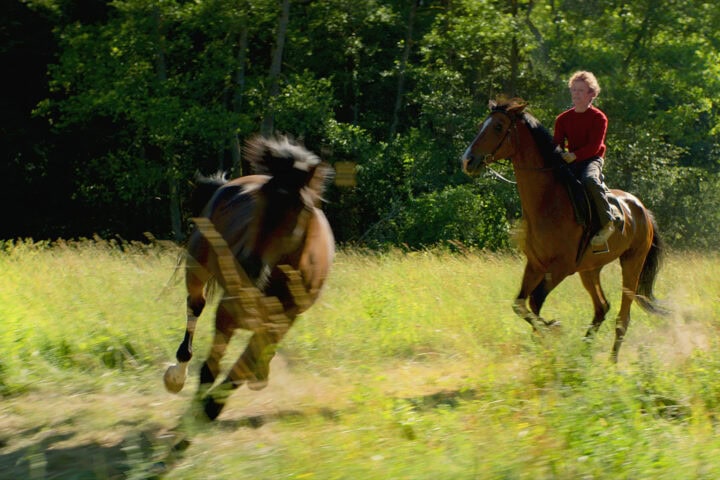
These films suggest the cinema as another place where we can simulate and reflect on life within and surrounded by natural landscapes.

Nadav Lapid’s film feels constantly like it’s not telling the audience something it needs to know.

The film is, essentially, a lecture, with Varda’s talks from multiple events threading together highlights from her oeuvre.