Jesse Peretz’s film is loaded with inconsequential detours and questionable character psychology.



Derek Smith’s writing has appeared in Tiny Mix Tapes, Apollo Guide, and Cinematic Reflections.
Jesse Peretz’s film is loaded with inconsequential detours and questionable character psychology.

The filmmakers mine a good deal of satirical humor from their characters’ thirst for extravagance.

Dog Days remains committed to coloring within the lines of established tropes in the animal-centric family film.

The film suddenly and unfortunately morphs into a generic and manipulative missing-person thriller.
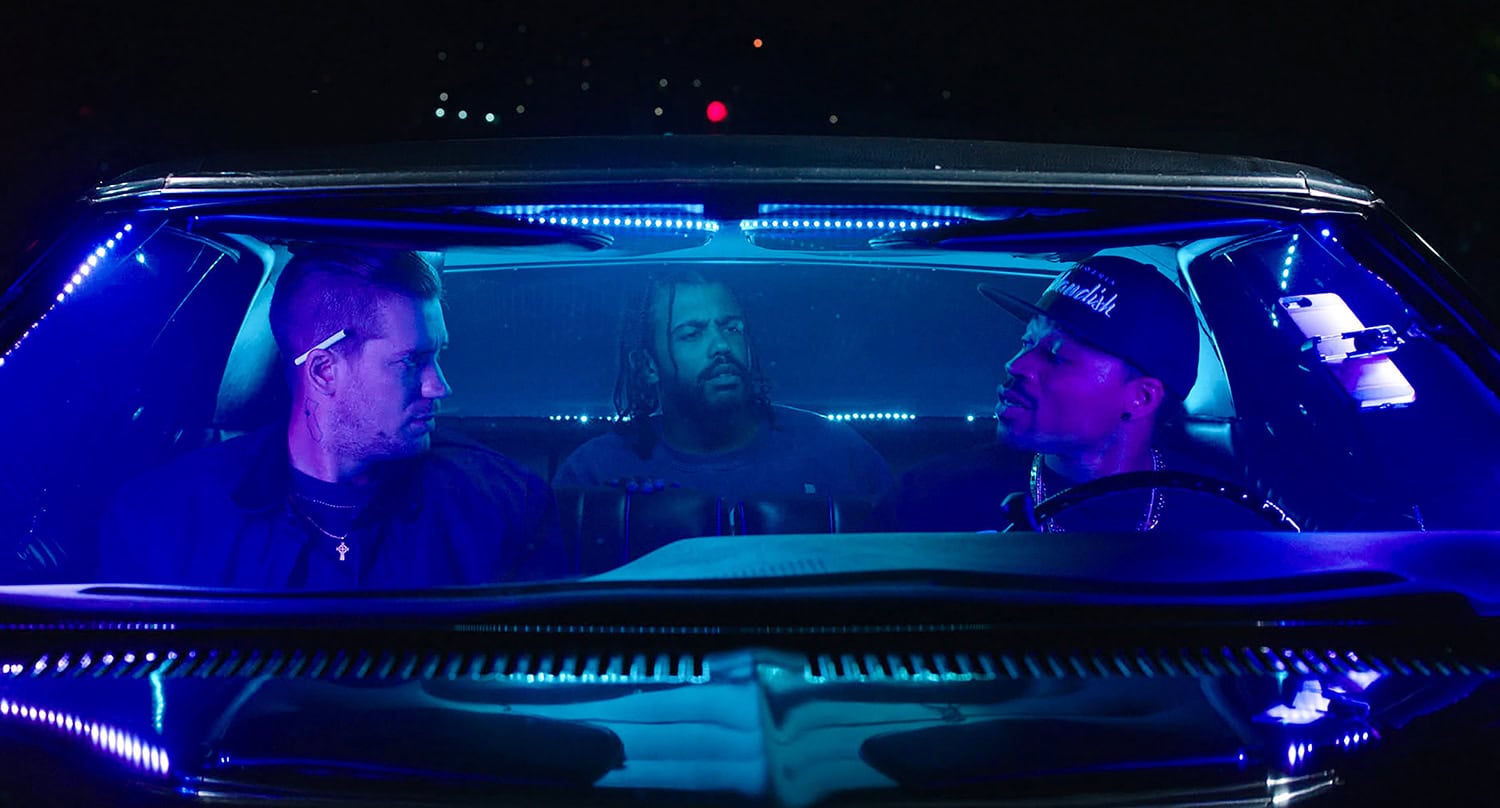
It takes aim at myriad targets and bluntly satirizing them in disparate styles that never mesh into a cohesive whole.

Daniel Zelik Berk’s film trots out murky plot twists that leave crucial details needlessly shrouded in mystery.

By the end of the film, it’s clear that the most merciful act for the series may be a stake through the heart.

Rob Reiner’s film rests on broad, sweeping proclamations about the importance of factual reporting.

The film flirts with miserablism, but it counterbalances the direness of Nisha’s situation with moments of levity.

The film’s time-travel device mostly just exists to complicate what is, at heart, a trite and sexist love story.

Though the film is ostensibly a political thriller, it more often plays like an adaptation of a trashy romance novel.

Part of the pleasure of Gary Ross’s film lies in watching it turn a typically male-dominated genre on its head.

It unpacks the seemingly simple yet surprisingly radical methodology employed by Fred Rogers throughout his career.

Upgrade serves up its cautionary tale with a schlocky blend of dark humor, breakneck action, and unsettling body horror.

It rarely pushes past pleasant, liberal-minded platitudes to explore the man beneath the cassock.

The film seems far more interested in celebrating a short-lived era of artistic invention than interrogating it.

Throughout the film, director Masaaki Yuasa’s imagination runs so wild that it becomes impossible to resist.

All of the broad physical humor in the world can’t distract from the fact that the film is an endorsement of psychological exploitation.

There’s a newfound depth to the way Diablo Cody conveys the myriad pressures that plague her protagonist.

One may wonder whether Per Fly would have been better served by making a documentary about the oil-for-food scandal.