The film’s tendency to break the “show, don’t tell” directive becomes especially irksome in its homestretch.



Derek Smith’s writing has appeared in Tiny Mix Tapes, Apollo Guide, and Cinematic Reflections.
The film’s tendency to break the “show, don’t tell” directive becomes especially irksome in its homestretch.
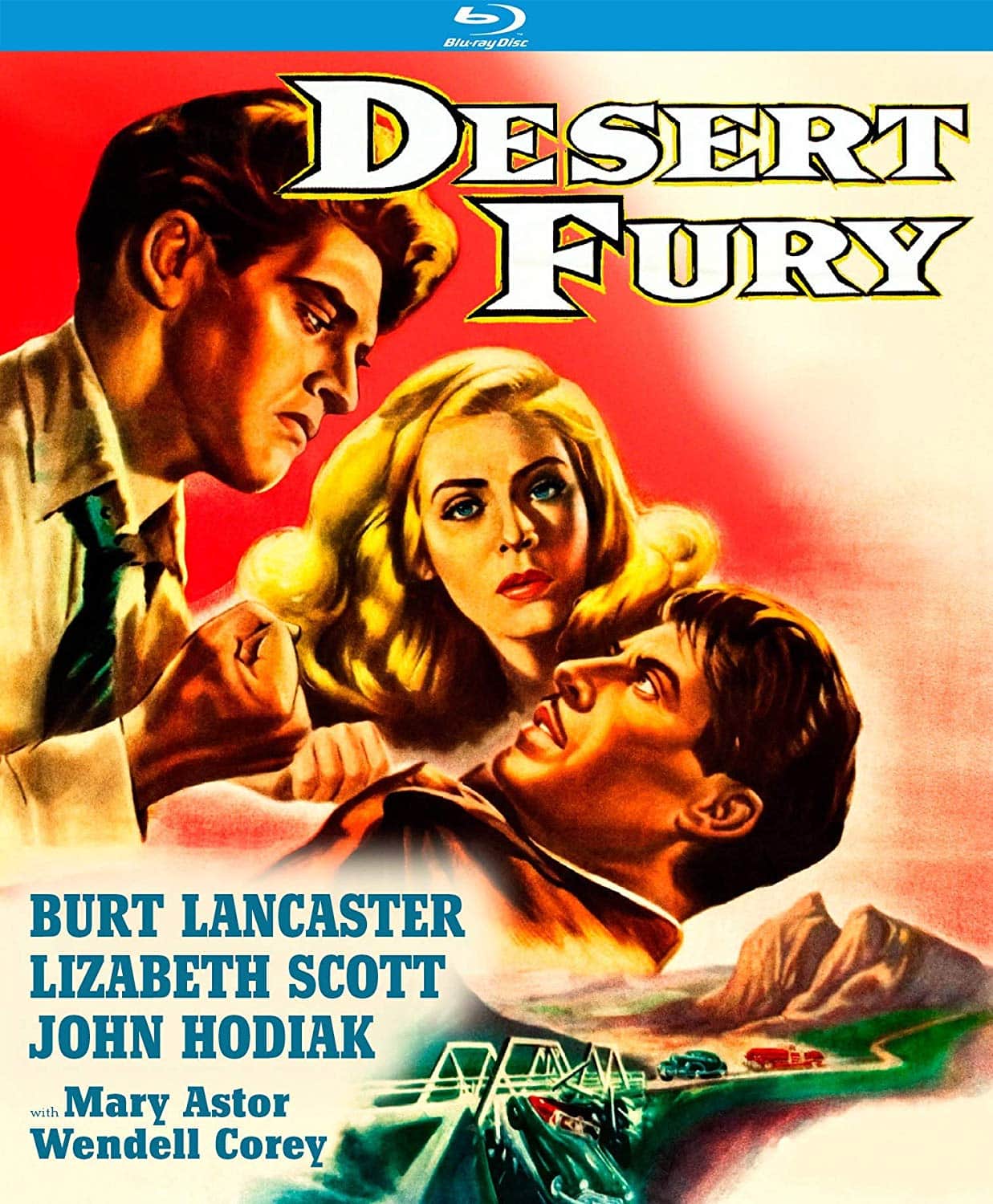
Kino’s vibrant transfer breathes new life into Lewis Allen’s wonderfully strange, sexually charged Technicolor noir.

Keith Behrman’s film is intent on delivering a nuanced take on expectations surrounding sexuality.
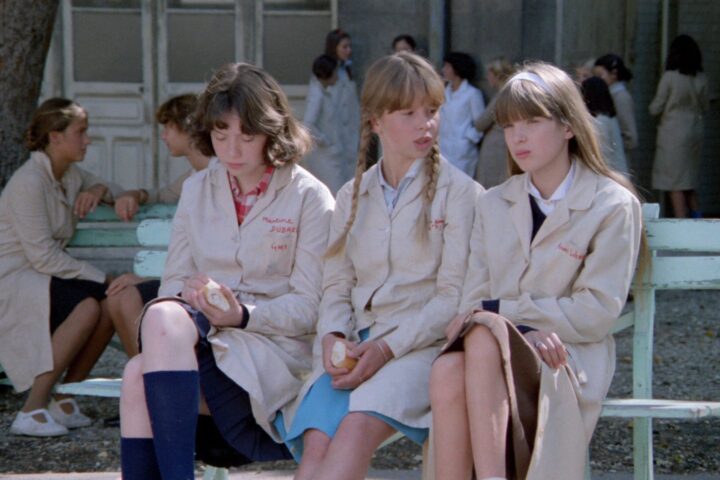
Diane Kurys’s poignant debut powerfully evokes the bittersweet feelings of leaving behind the halcyon days of one’s youth.

As the film becomes increasingly reliant on predictable narrative tropes, it evolves into the very thing it set out to parody.
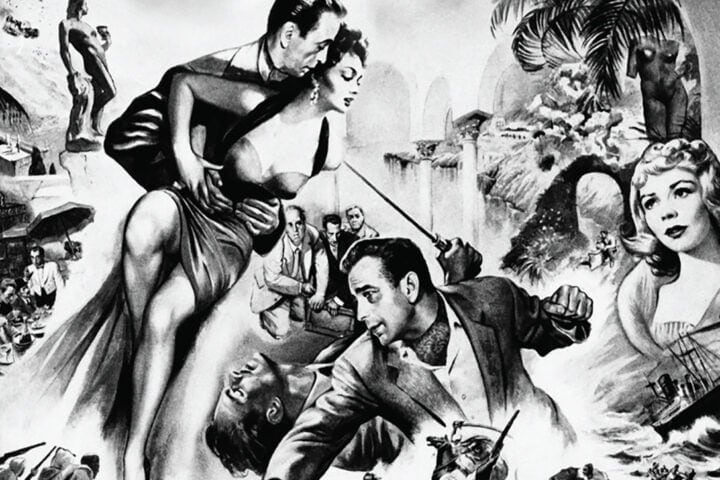
The gorgeous 4k transfer rescues Huston’s cult classic from the grips of the public domain.
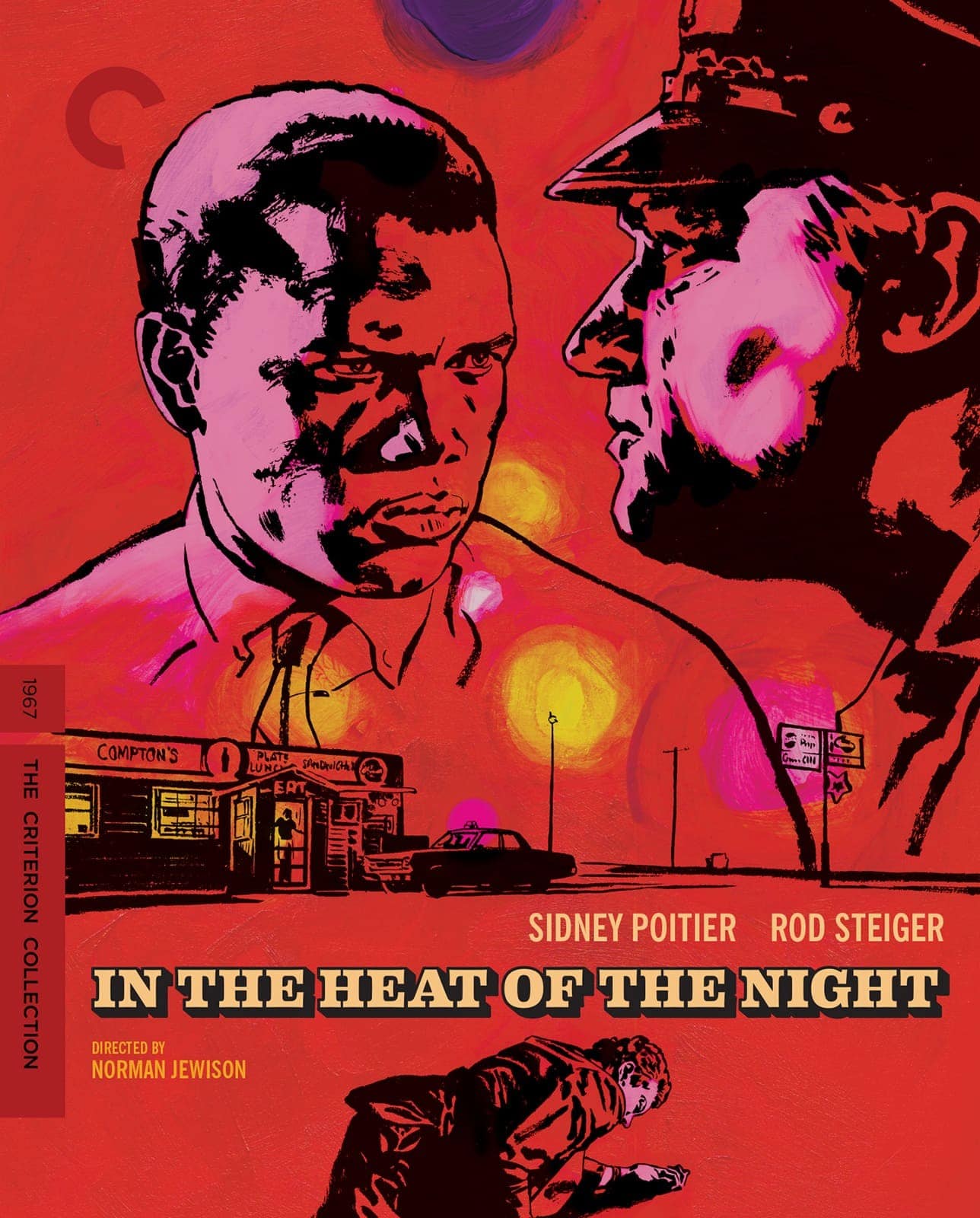
Criterion’s 4k transfer and extras do justice to one of New Hollywood’s more complex and challenging social message movies.

The extras are superfluous, but the first-rate video transfer and superb, resonant audio promises to generate more fans of the remake.

The film has a raw immediacy that can only be achieved when most cinematic excesses have been eliminated.
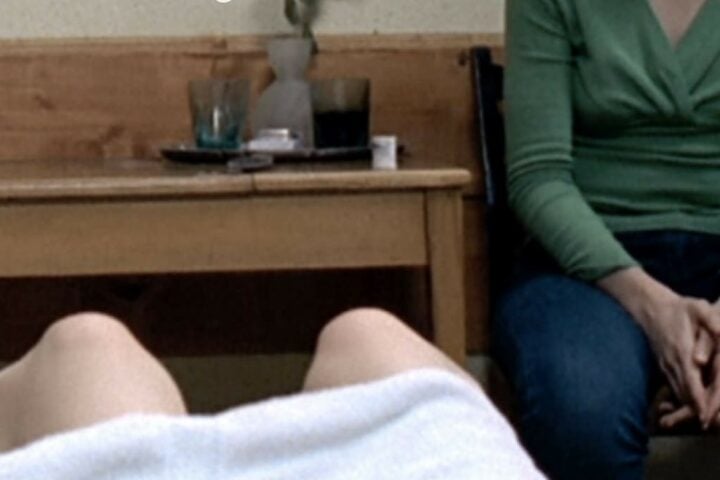
A strong audio-visual transfer makes the long-awaited arrival of Cristian Mungiu’s Palme d’Or winner to Blu-ray well worth the wait.

Joe Cornish’s film is vigilant in its positivity and hope for the future at nearly every turn.

The film uses the grieving process to lend the proceedings a sense of unearned emotional gravitas.

The film becomes overrun by an increasingly preachy and tiresome series of life lessons about race, class, and love.

The solid transfer will allow home viewers to fully experience Cattet and Forzani’s unrelenting, expressionistic assault on the senses.

Like Jennifer Lopez herself, Peter Segal’s Second Act attempts to wear many hats.
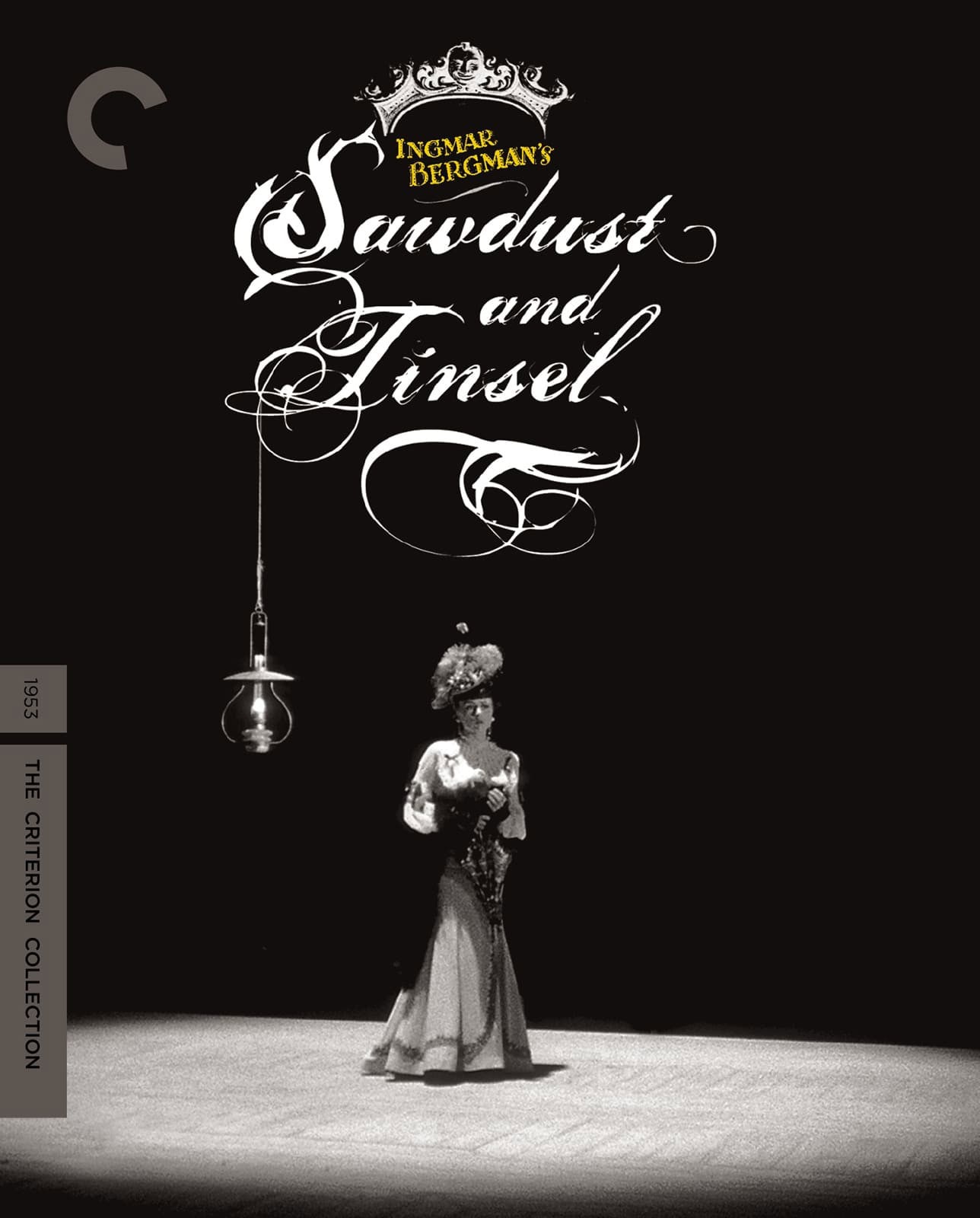
This is a more wallet-friendly option than Ingmar Bergman’s Cinema to owning one of the director’s finest early works.

For all of its slavish devotion to Mary Poppins, the sequel doesn’t even seem to recognize its greatest attribute: its star.
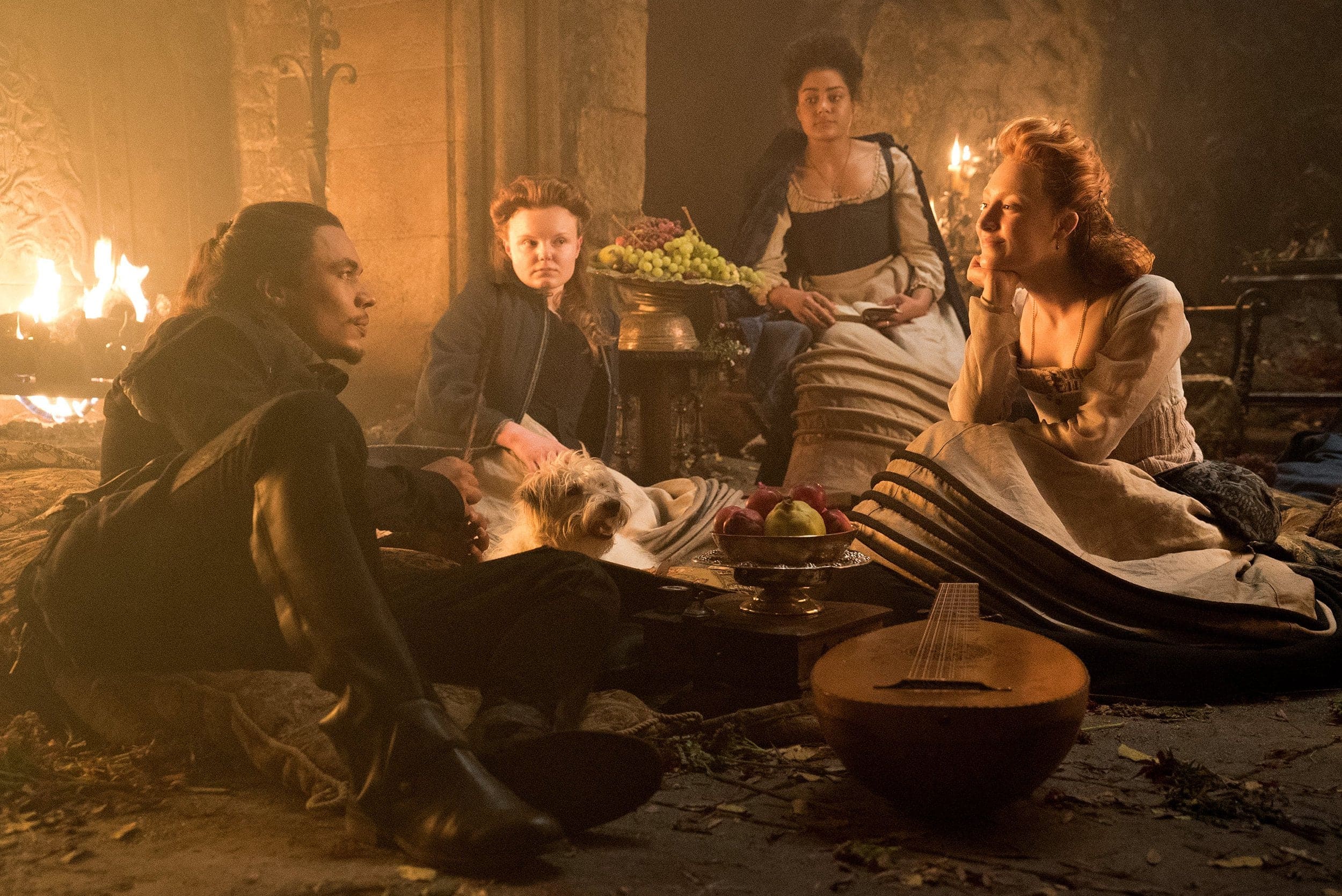
All the palace intrigue and endless backstabbing in Mary Queen of Scots feels at once overly familiar and underdeveloped.
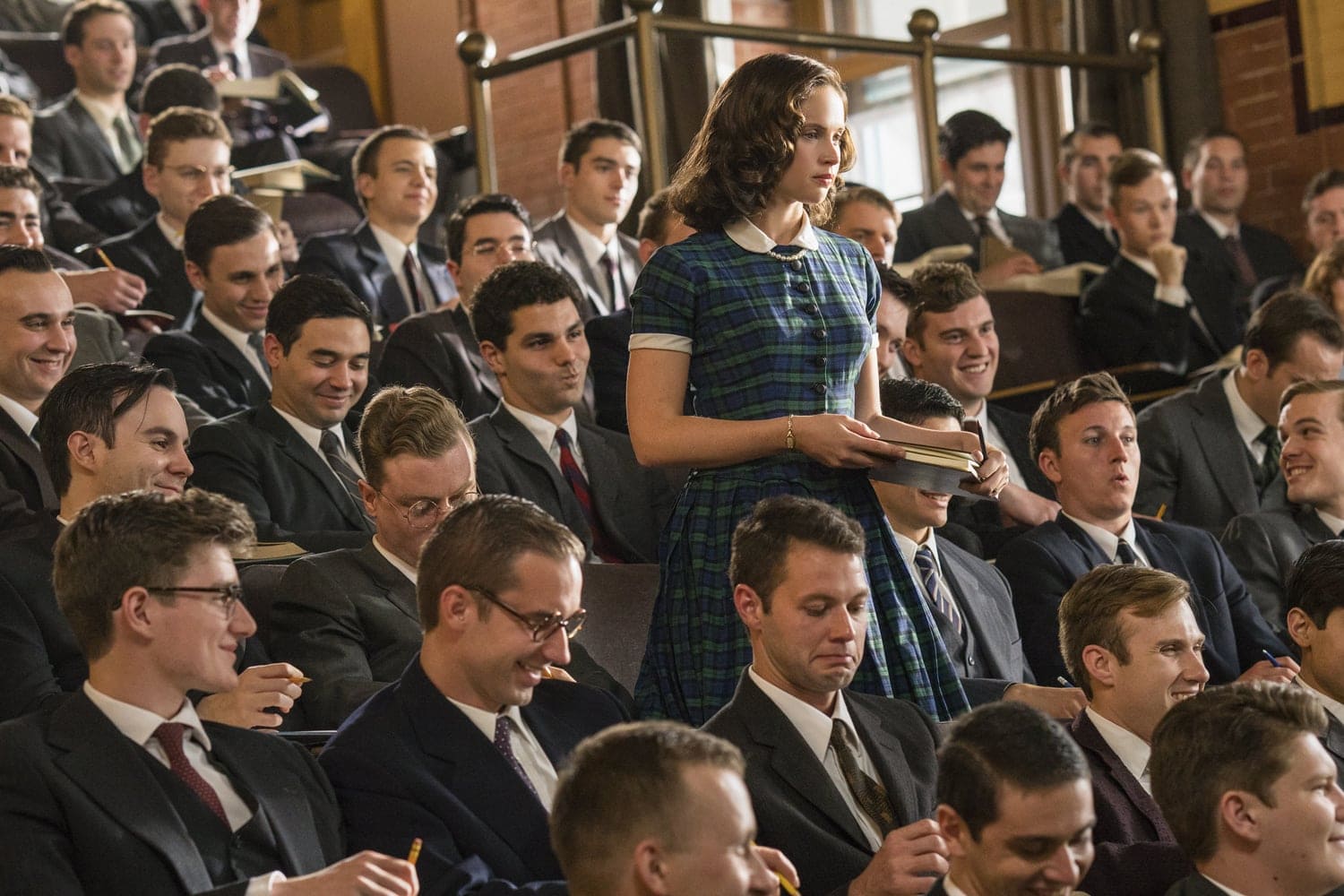
The film reduces Ruth Bader Ginsburg’s life to a series of clearly defined hurdles and overemphatic realizations.

While the film’s perception of the politics of the jungle is often profound, the same cannot be said of its take on the human world.