Even when deeply rooted conflicts arise, the film balances the more argumentative outbursts with comic reprieves.


Derek Smith’s writing has appeared in Tiny Mix Tapes, Apollo Guide, and Cinematic Reflections.
Even when deeply rooted conflicts arise, the film balances the more argumentative outbursts with comic reprieves.
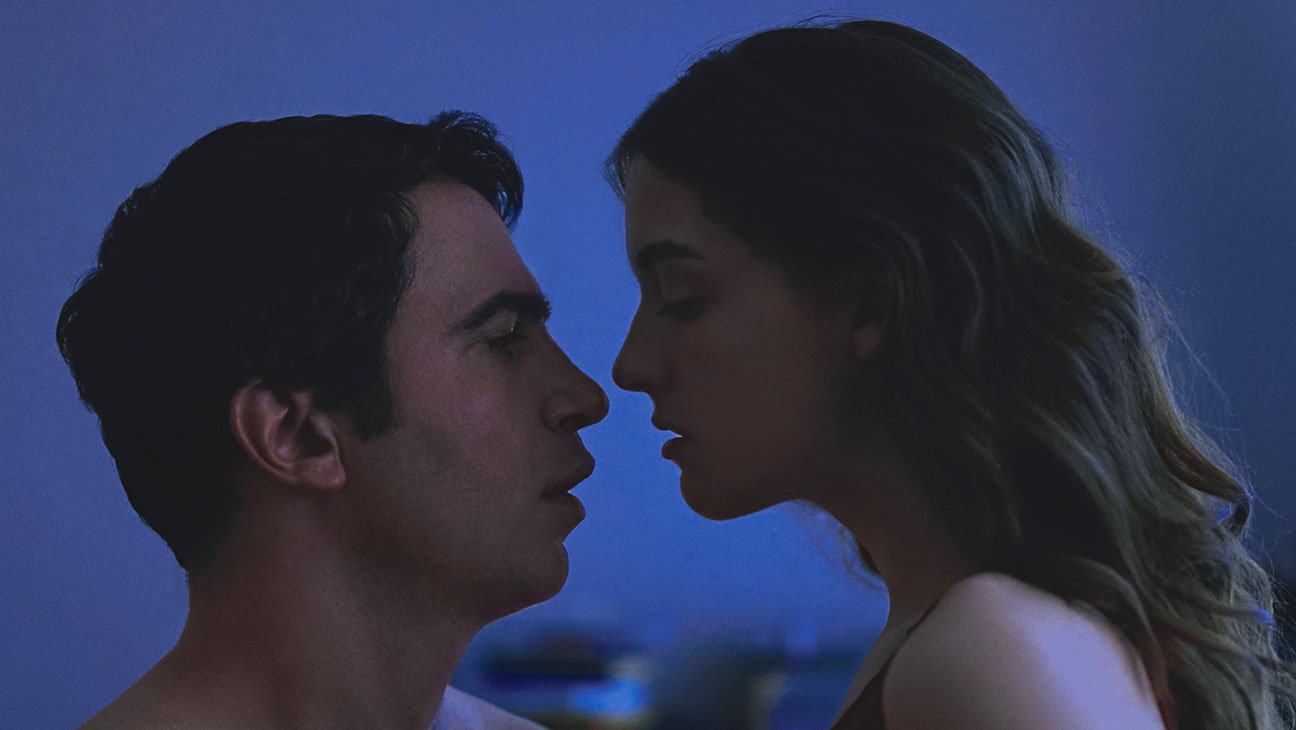
In attempting to grapple with issues of bullying, mental health, burgeoning sexuality, and pedophilia, the film bites off more than it can chew.

A welter of dissonant intentions, the film fails to seamlessly intertwine its elements of realism and fantasy.
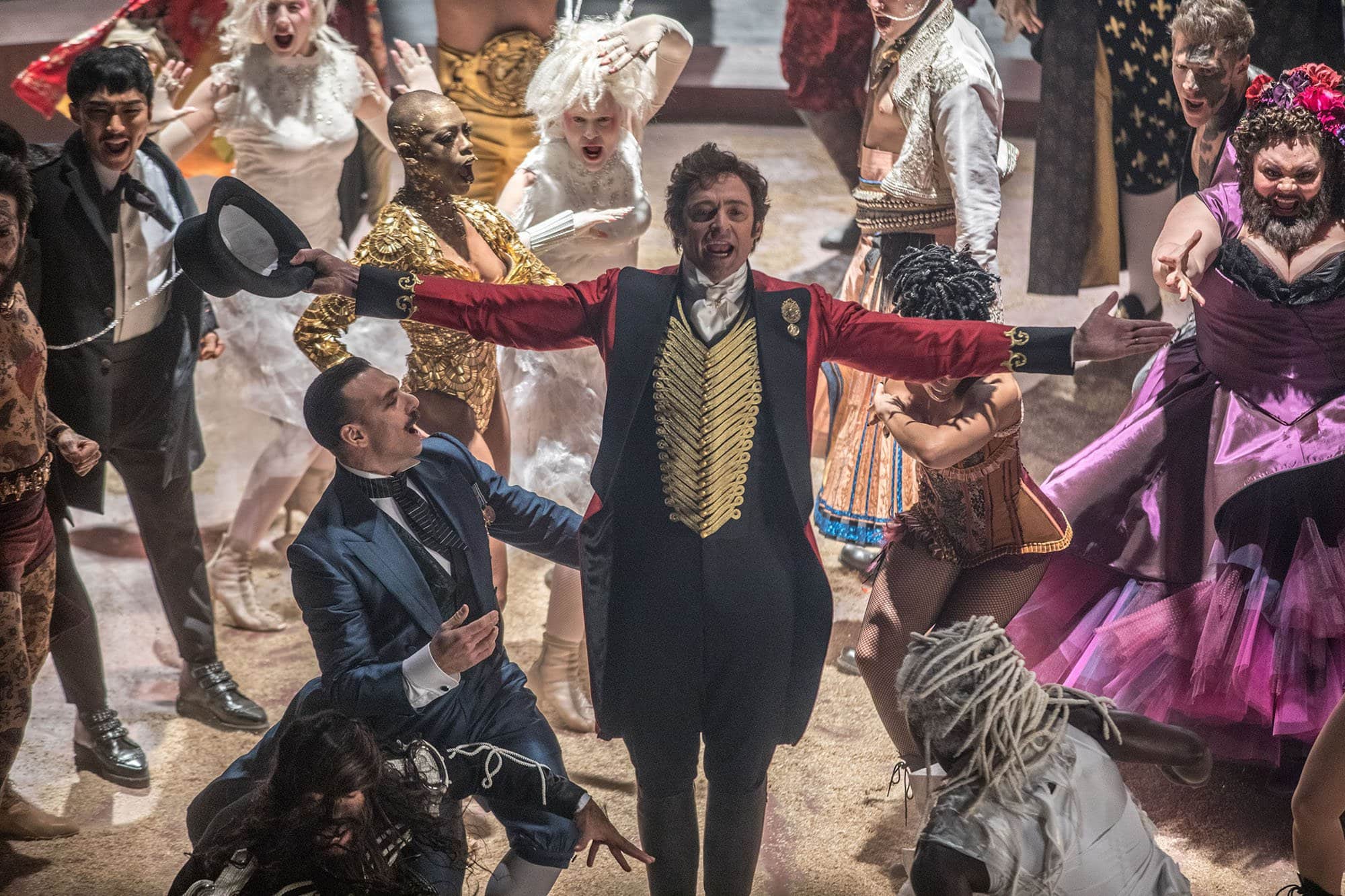
The Greatest Showman’s spectacle is overshadowed by its archaic and misguided notions of American exceptionalism.

The film is unable to reconcile a desire to ridicule its own artifice with constant attempts to foster genuine empathy and dramatic tension.
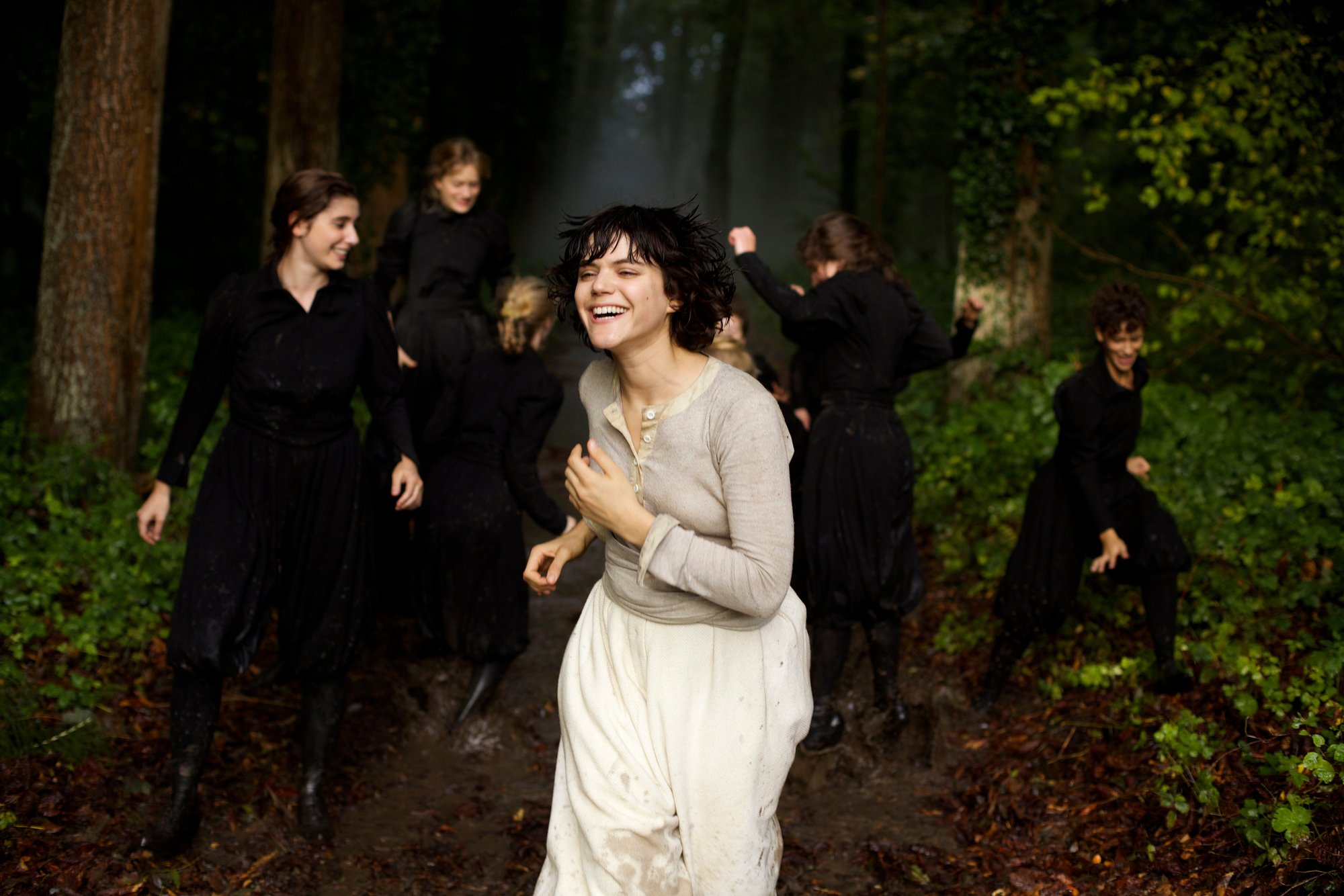
The film ends up defining Loïe Fuller less by her innovations than by her willingness to suffer for her art.
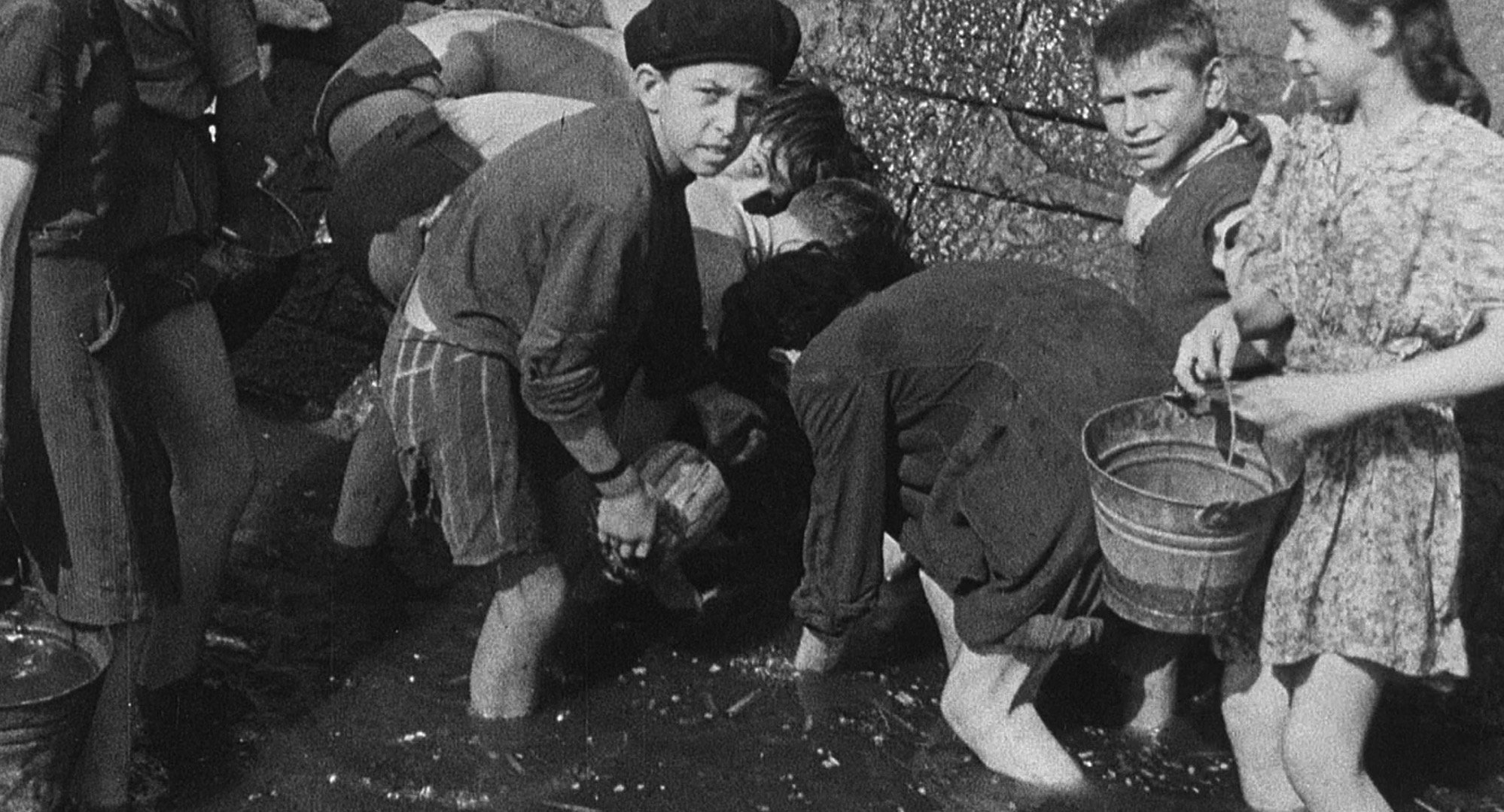
Throughout, Francesco Patierno’s pacing is too hurried to lend much depth or insight to the film’s revelations.

Andrea Pallaoro’s Hannah attains a discomfiting intimacy in its chilly examination of a woman coming undone.

Matthew Porterfield’s Sollers Point conveys the limitations of freedom within towns like the one at its center.
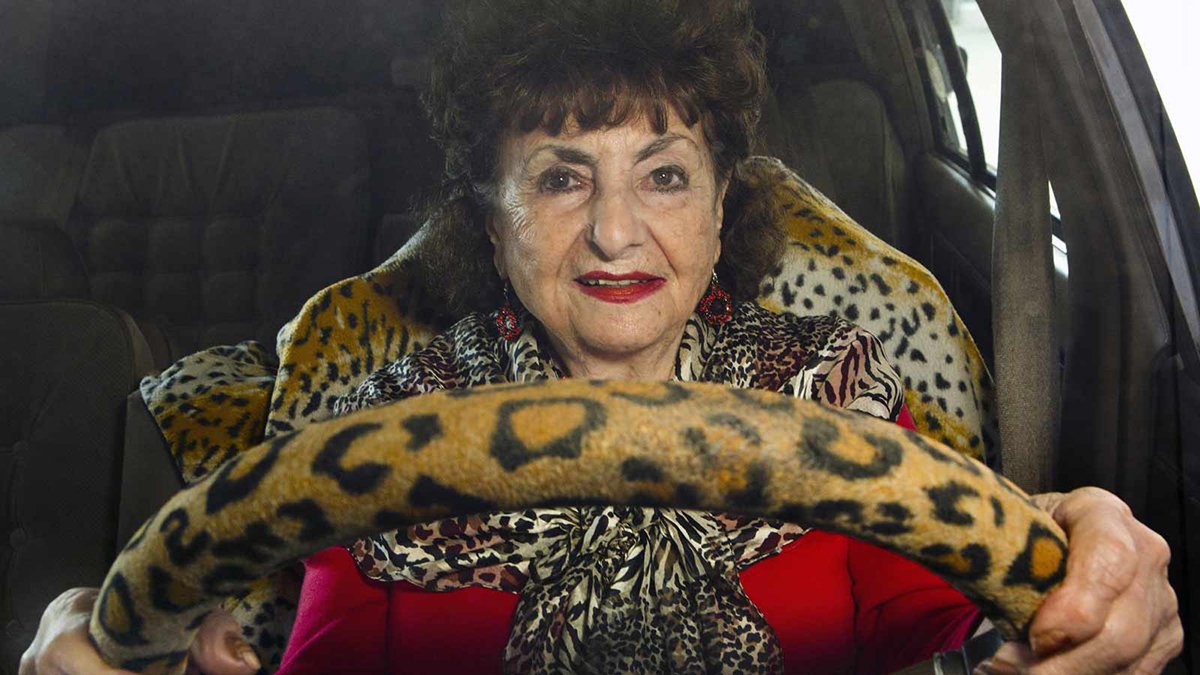
Big Sonia is structured in a way that bumps the tragic and demoralizing up against the comic and inspirational.

Initially offbeat, Bitch awkwardly pivots toward a more inspirational story of regret and reconciliation.
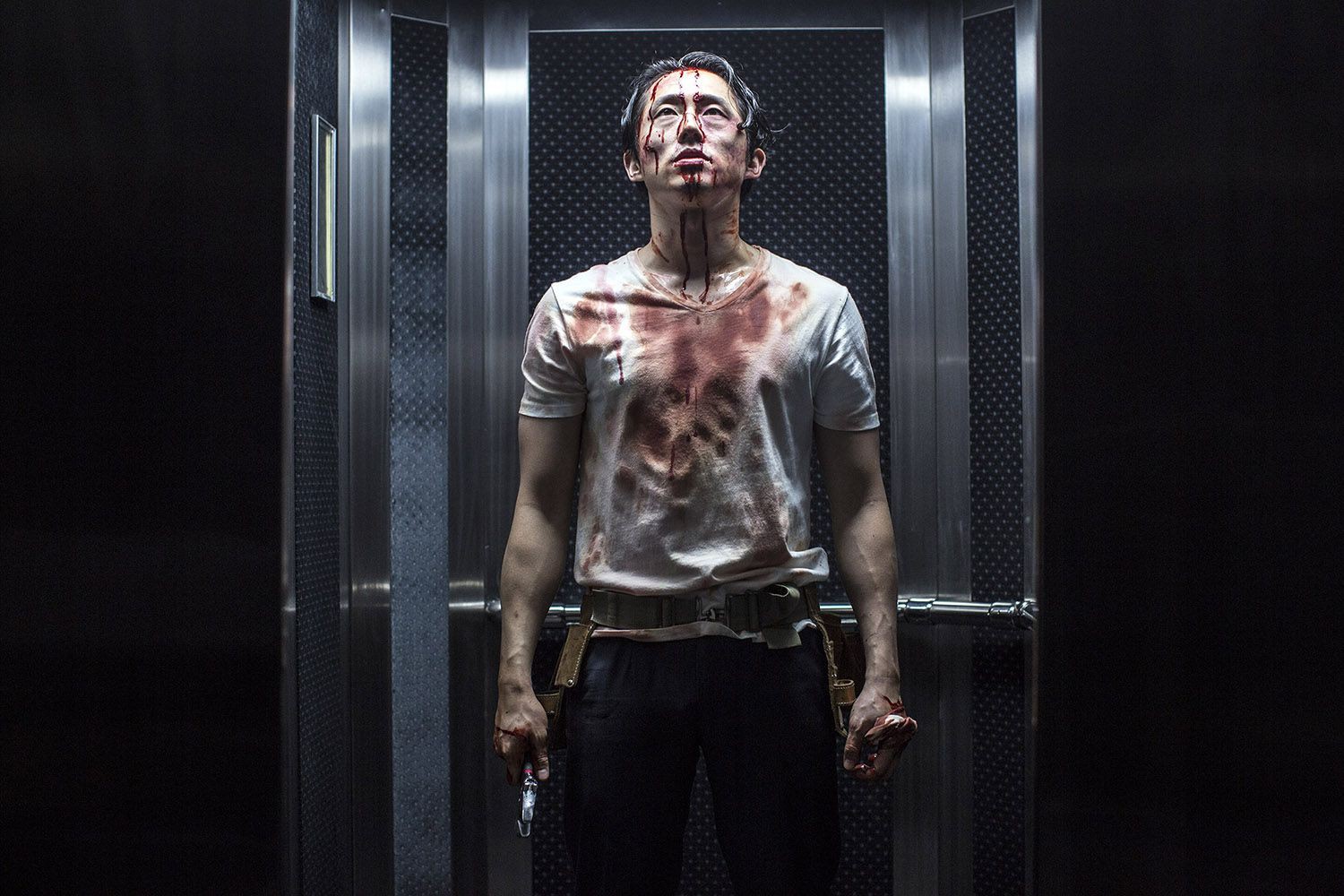
The film’s gleeful disregard for good taste is undermined at every turn by characters spouting gratuitous backstory.

The film veers toward half-hearted, sentimental drama that seems purely obligatory to its seasonal milieu.

Gilbert exposes a wealth of unsuspected pain and tenderness beneath Gottfried’s often thorny exterior.

It’s admirably frank in its depiction of lingering trauma but too often struggles to capture its more ineffable qualities.
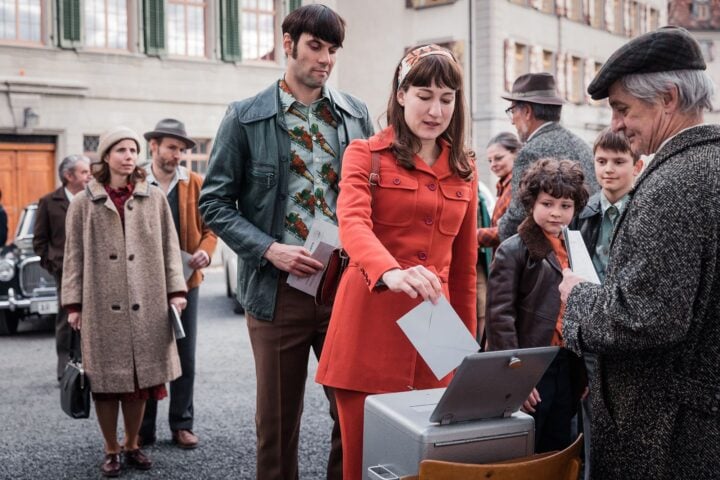
The film’s performances and narrative flounder to strike the right balance between comedy and drama.

The longer things drag out, All I See Is You becomes every bit as amorphous as its protagonist’s vision.

Joseph Kosinski’s Only the Brave displays a kinship to Howard Hawks’s hard-nosed, old-fashioned pragmatism.
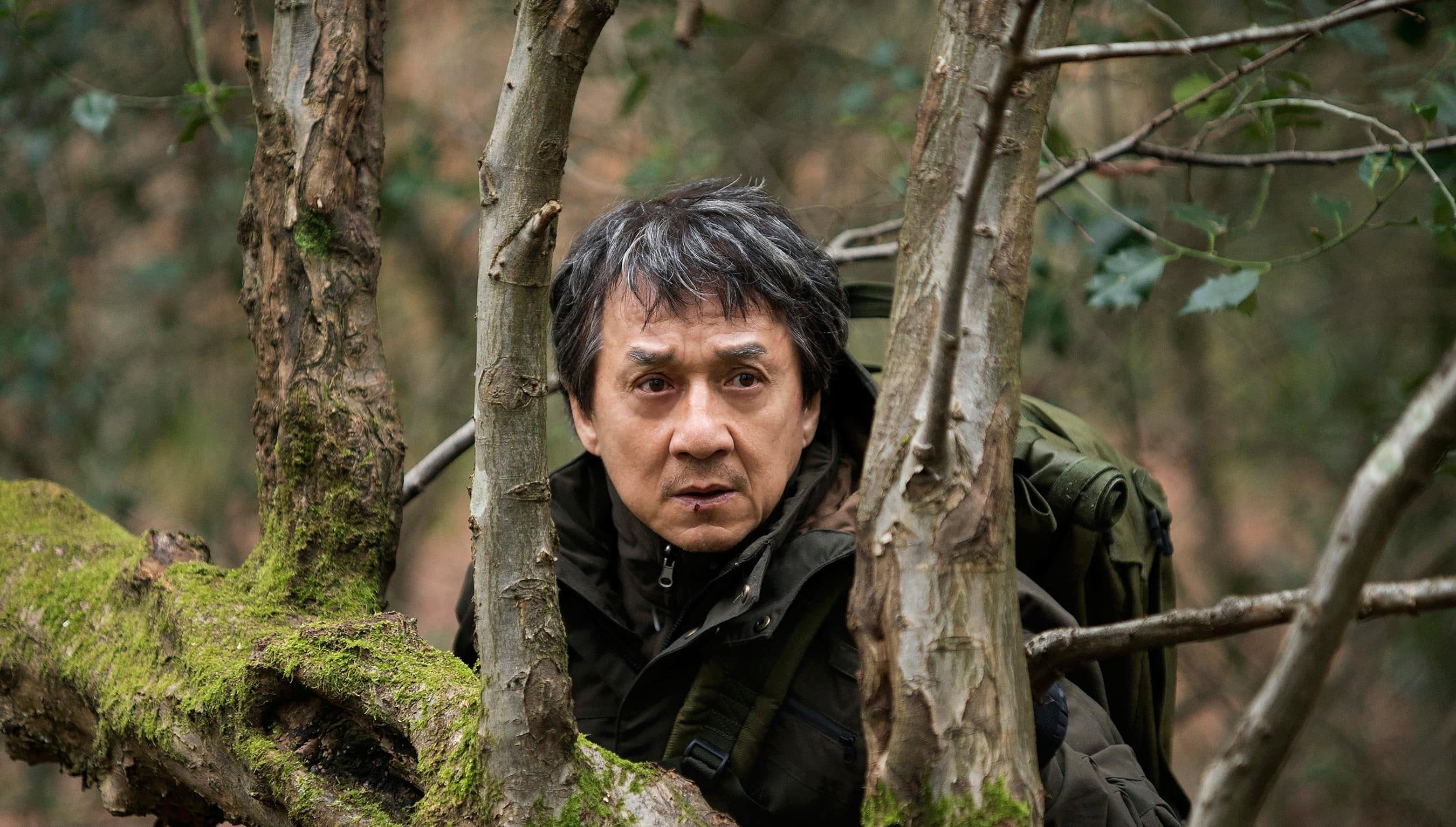
Even overlooking its account of an inexplicable political resurgence, it falters in its needlessly convoluted plotting.

Breathe is an easily digestible replica of the truth, bathed in honeyed cinematography and sentimentalized adulation.