The show understands that in the wrong hands, belief, whether ideological or supernatural, may be no more than a kissing cousin to the violence it justifies.


The show understands that in the wrong hands, belief, whether ideological or supernatural, may be no more than a kissing cousin to the violence it justifies.
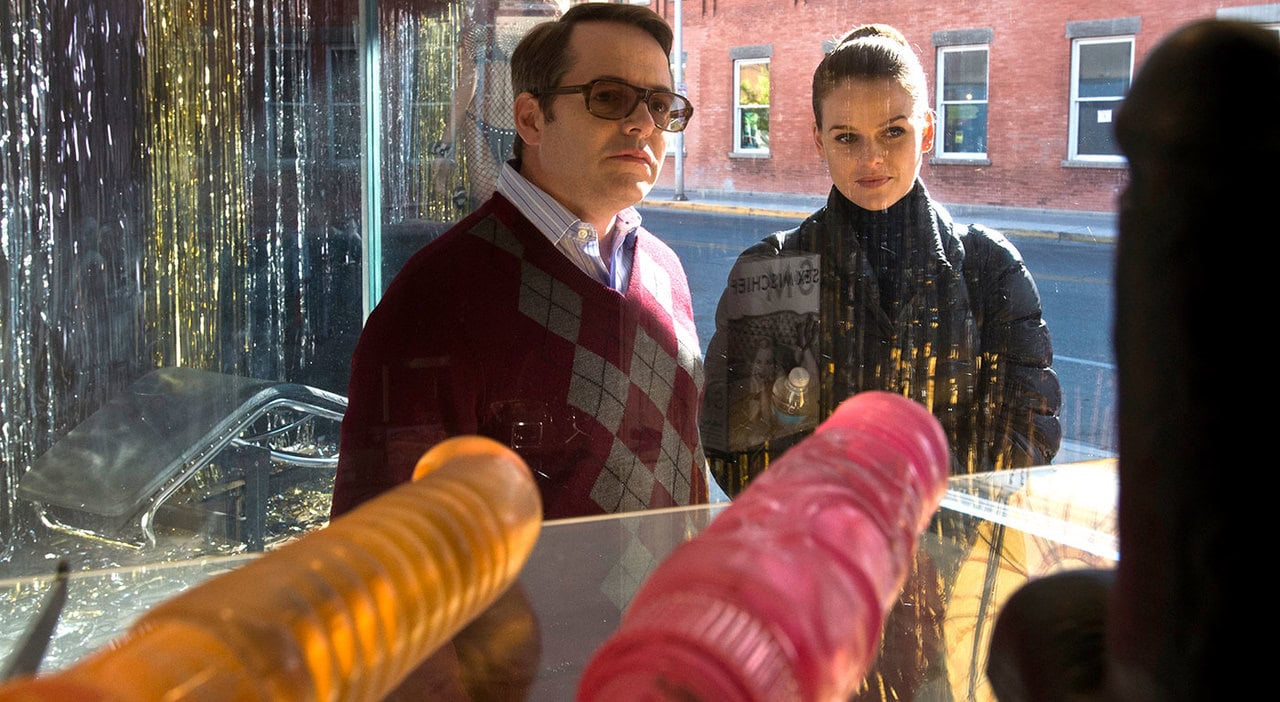
Dirty Weekend finds the generally prickly Neil LaBute in a relatively lighthearted mood.

Toto and His Sisters is visually impersonal, but nonetheless conjures up risky, relevant, and quite personal ideas.
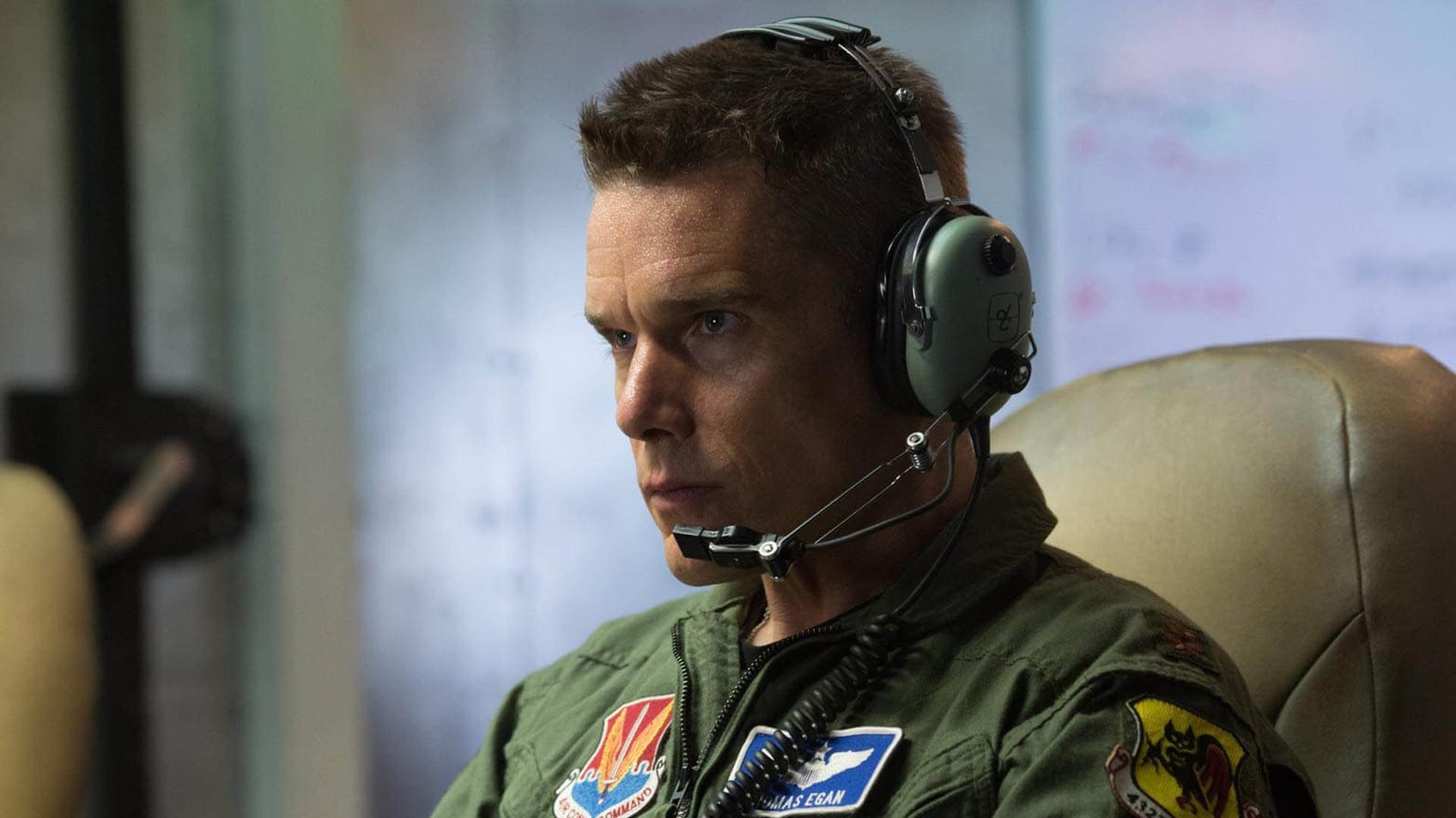
Niccol has awkwardly shoehorned in broad talking points from various sides of the drone controversy.

Man Up’s quick-paced, quippy dialogue aims for screwball sass and sizzle but doesn’t quite hit the mark.

The writers also confront the dangers of not staying in the present.
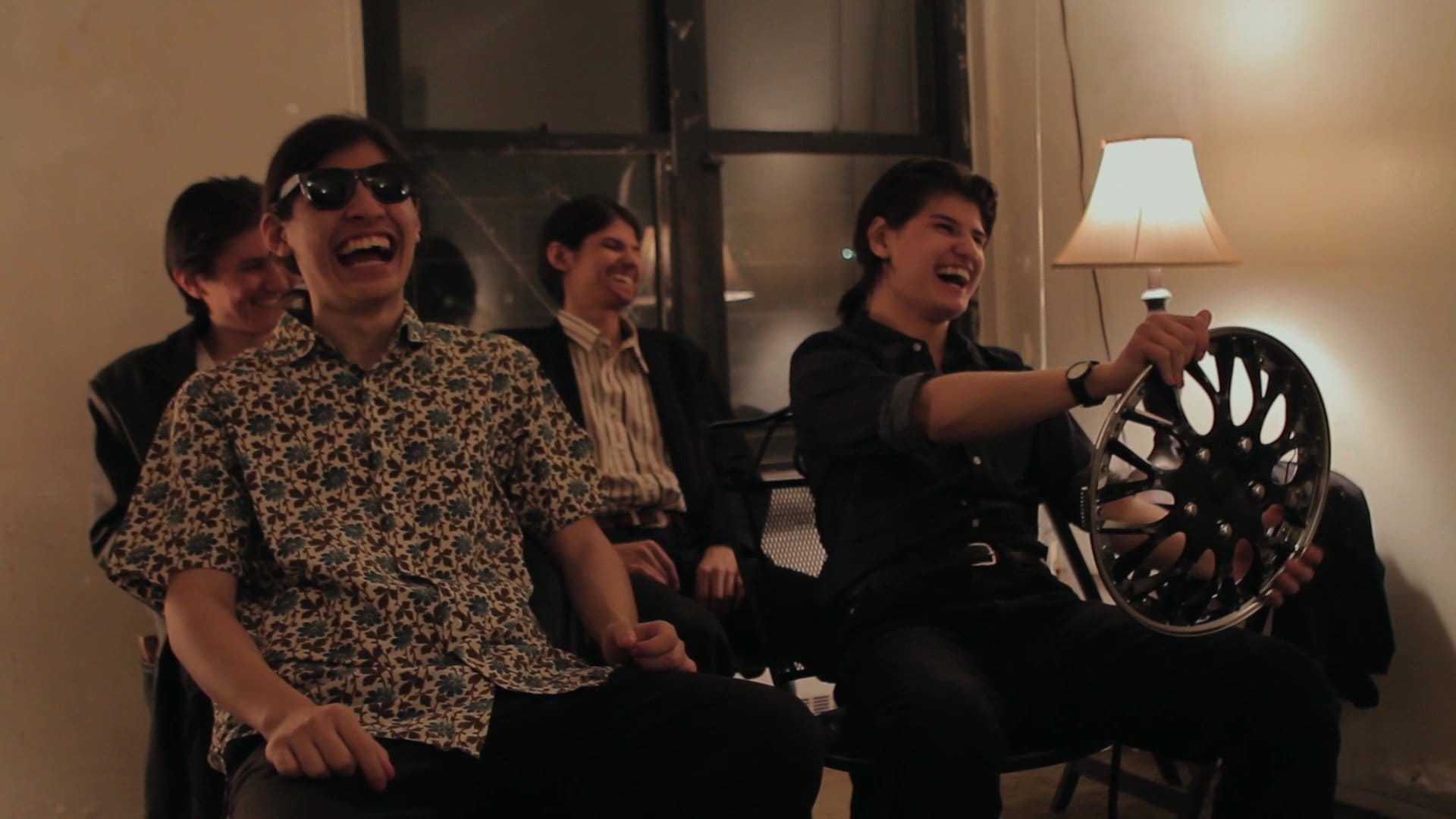
Moselle’s slapdash, borderline indifferent aesthetic shortchanges the more fascinating elements of her subject.

It’s fitting that the titular House of Black and White is home to No One, for if there’s anything true of Westeros, it’s that nothing is ever black and white.
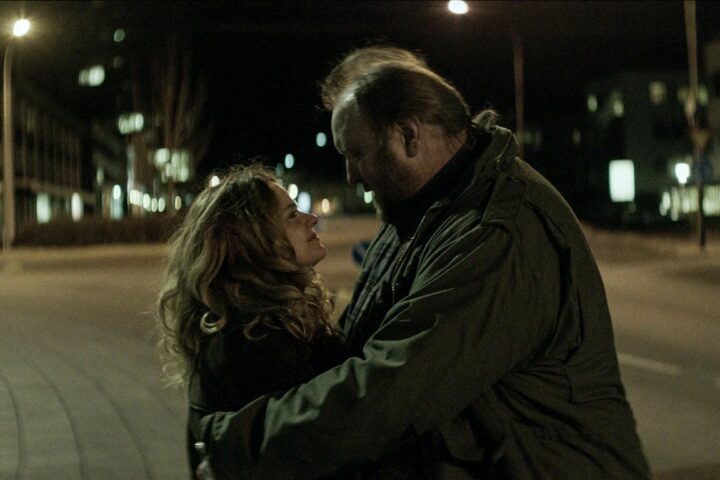
Though Virgin Mountain is the English title, its Icelandic title, Fusí, seems more fitting.

More evidence that Maslany’s is the best performance on TV, but it’s unclear if the show can keep pace.
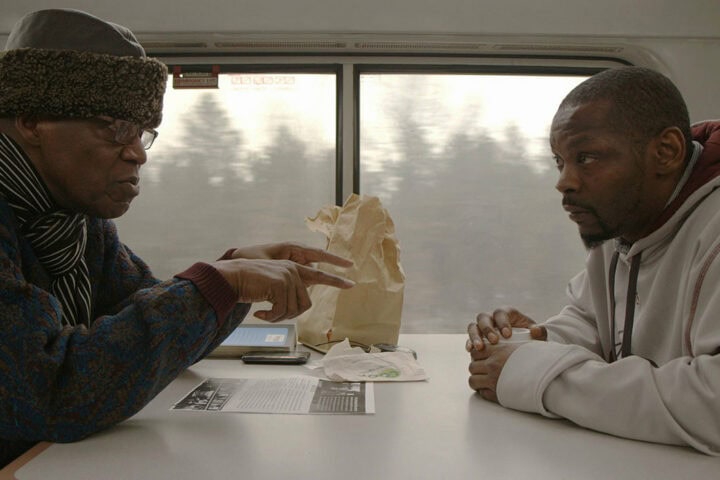
In Transit could be seen as a poetic encapsulation of Albert Maysles’s nonfiction art.
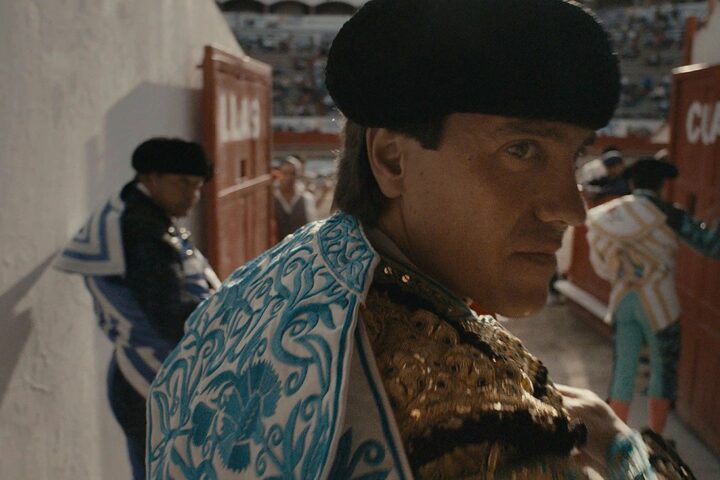
Ido Mizrahy’s Gored is a survey of hard knocks and the terror of dying dreams.
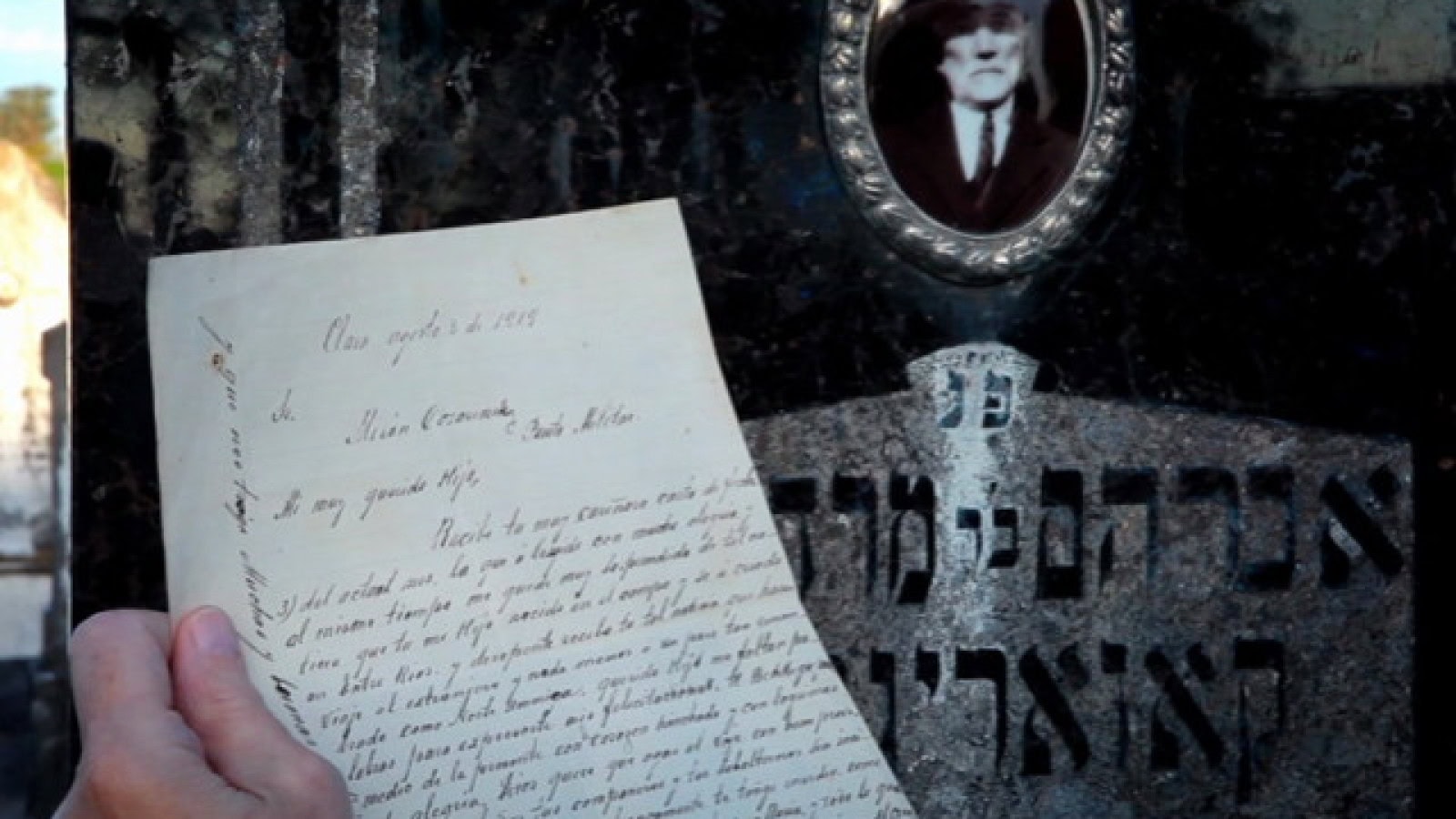
Perhaps the most compelling aspect of Cozarinsky’s story is how circuitous his and his parents’ geographical trajectories have been.
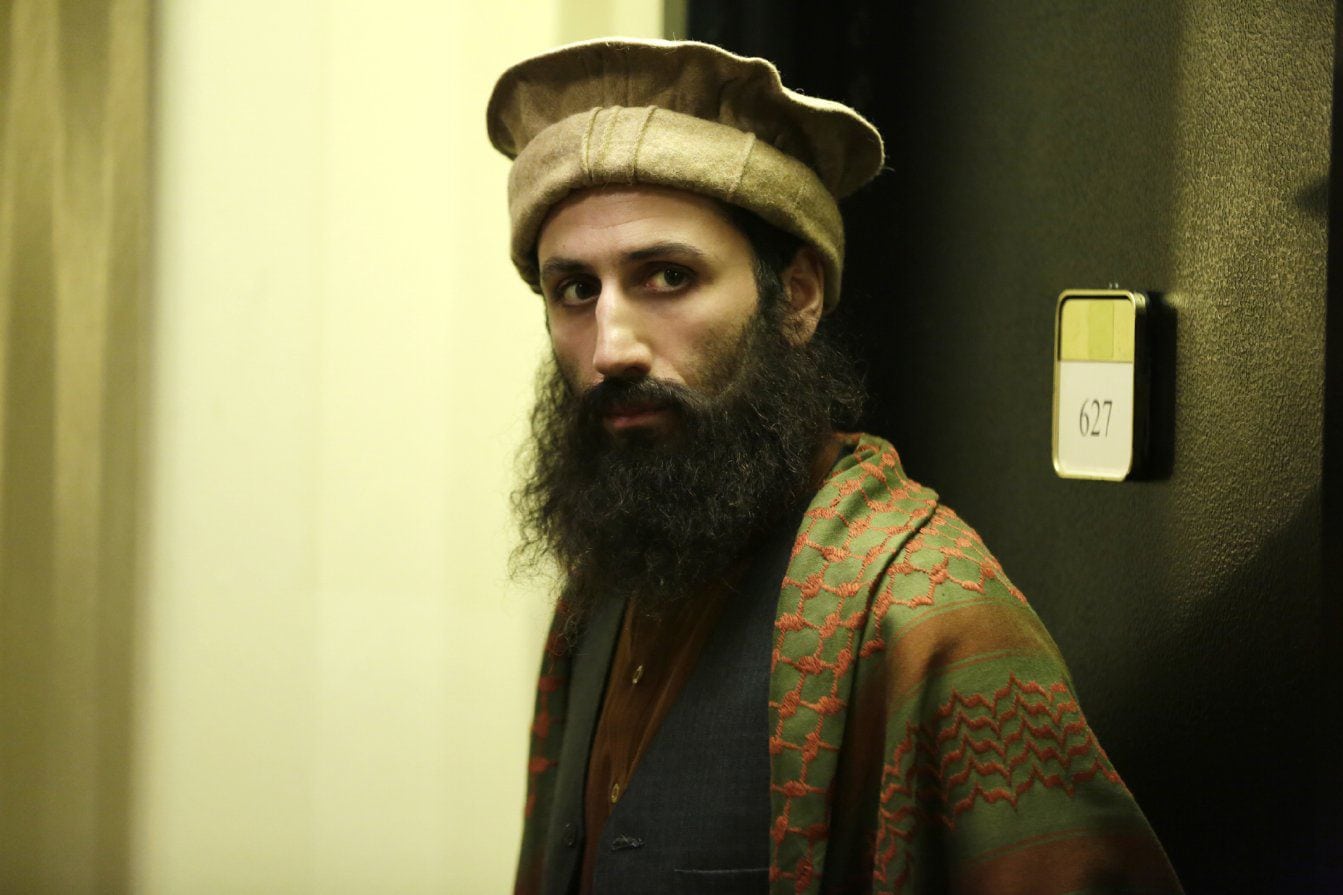
Indeed, it’s another faintly electronic rhythm, this one a music cue, that sends this dazzling season of The Americans hurtling toward its conclusion.
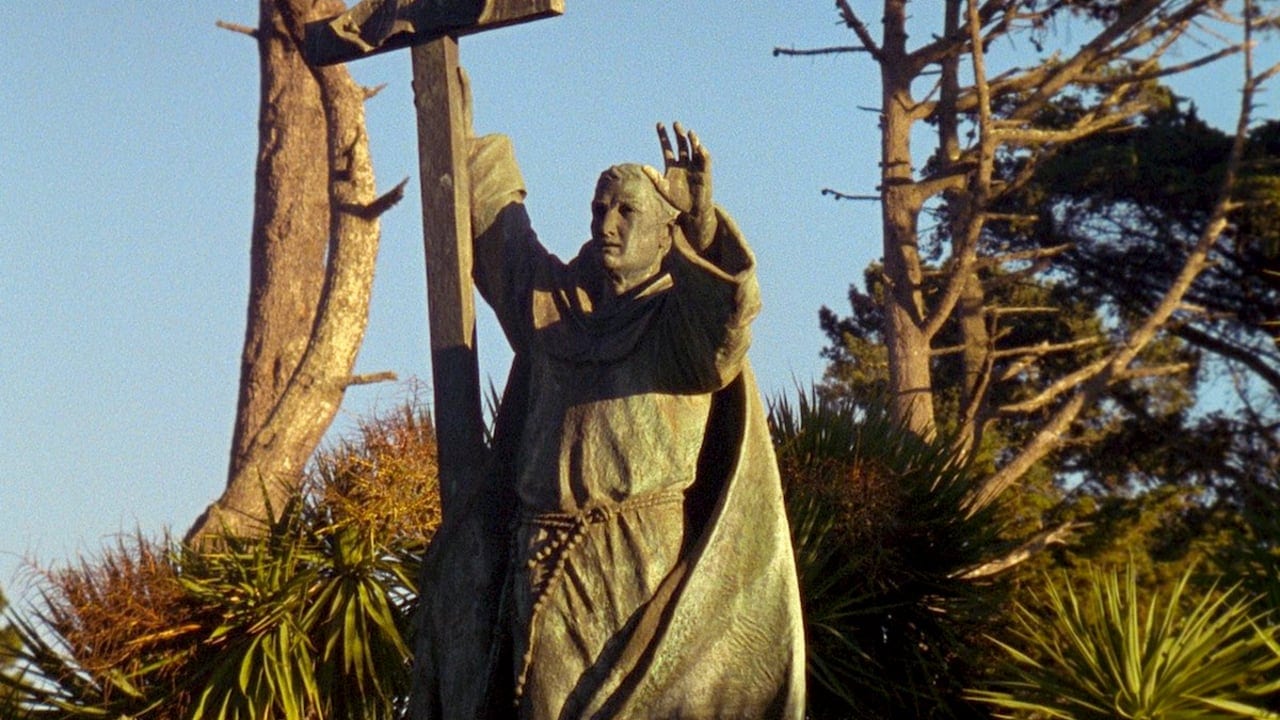
Fundamentally, Jenni Olson’s The Royal Road is a paean to the Bay Area landscape.

Before one can start new business, one must settle old business.

Once upon a time, two girls walk through a forest, muddying up their fancy clothes in search of a fortune-telling witch.

Eduardo Williams’s I Forgot at first appears to be a fairly observational documentary about youth.

It prepares the characters to reel in the big fish they’ve been tracking lately, yet never quite assuages the niggling feeling that these efforts will become a tangled mess.

Bookended by Peggy Lee’s “Is That All There Is?” the episode opens with a telling bit of trickery.