The film was a first sortie for William Peter Blatty’s all-out attack on unbelief in the summer of 1990.
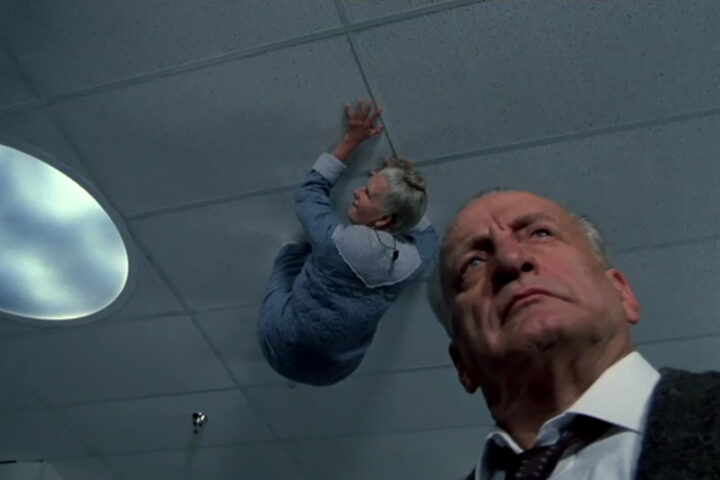

The film was a first sortie for William Peter Blatty’s all-out attack on unbelief in the summer of 1990.

True Detective’s first season had a methodical and measured approach to tracking its villain, but this season doesn’t know when to stop changing things up.

The episode is taken by “reality” as a terrifyingly fluid and elastic realm, dictated by the conditions of the fragile mind.
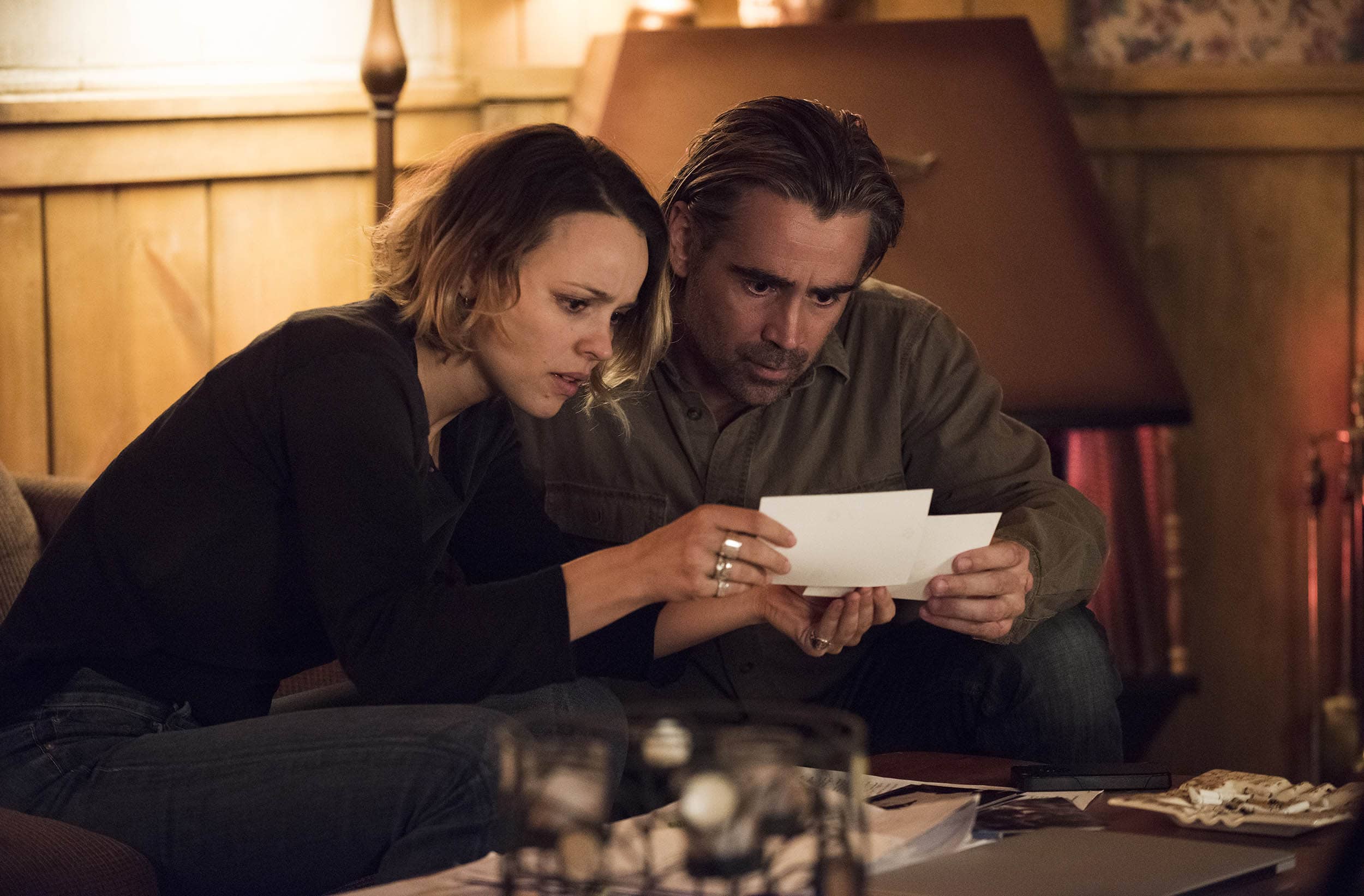
This is an irritating table-setting episode in which the characters constantly explain how the pieces fit together.
There’s quite a bit of accomplished, bitchy verbal game-playing in this marvelous high point of an episode.

Everything you need to know about the inconsistencies of the show can be summed up by the two standoffs that occur in this episode.
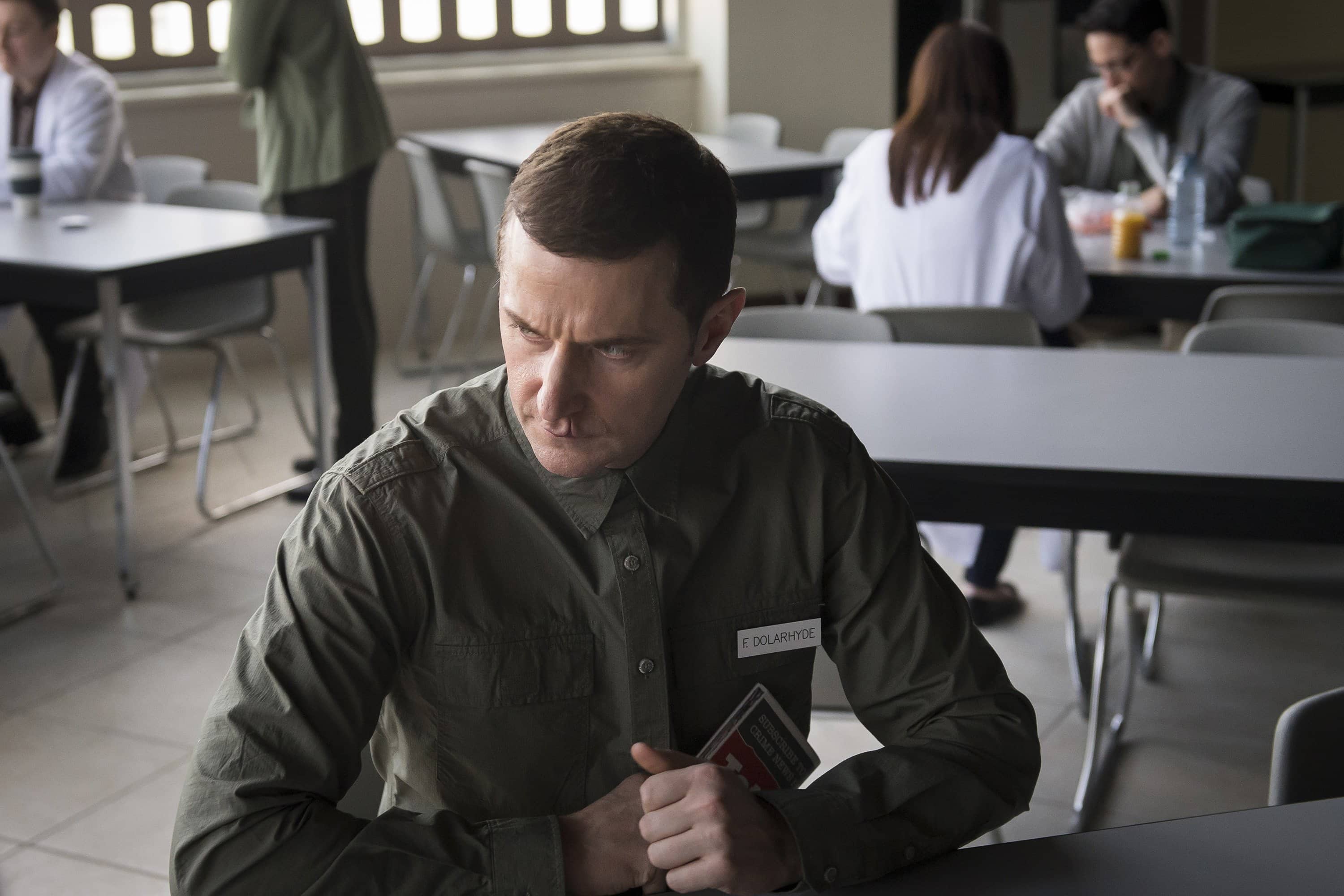
Francis is imprisoned like most of us within a version of life produced by his mind.
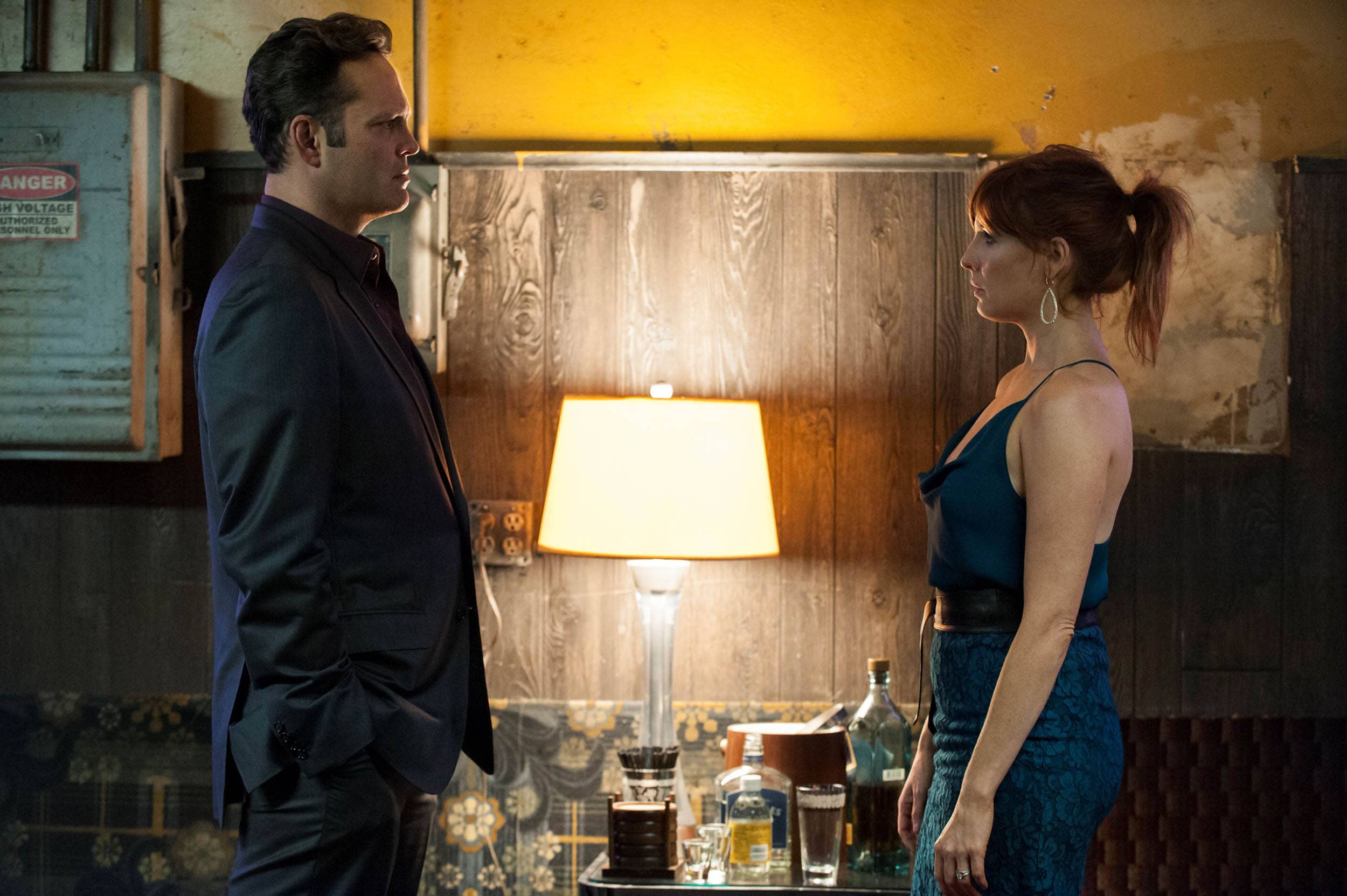
Throughout this season of True Detective, a singular point has been drilled into our heads: “We get the world we deserve.”
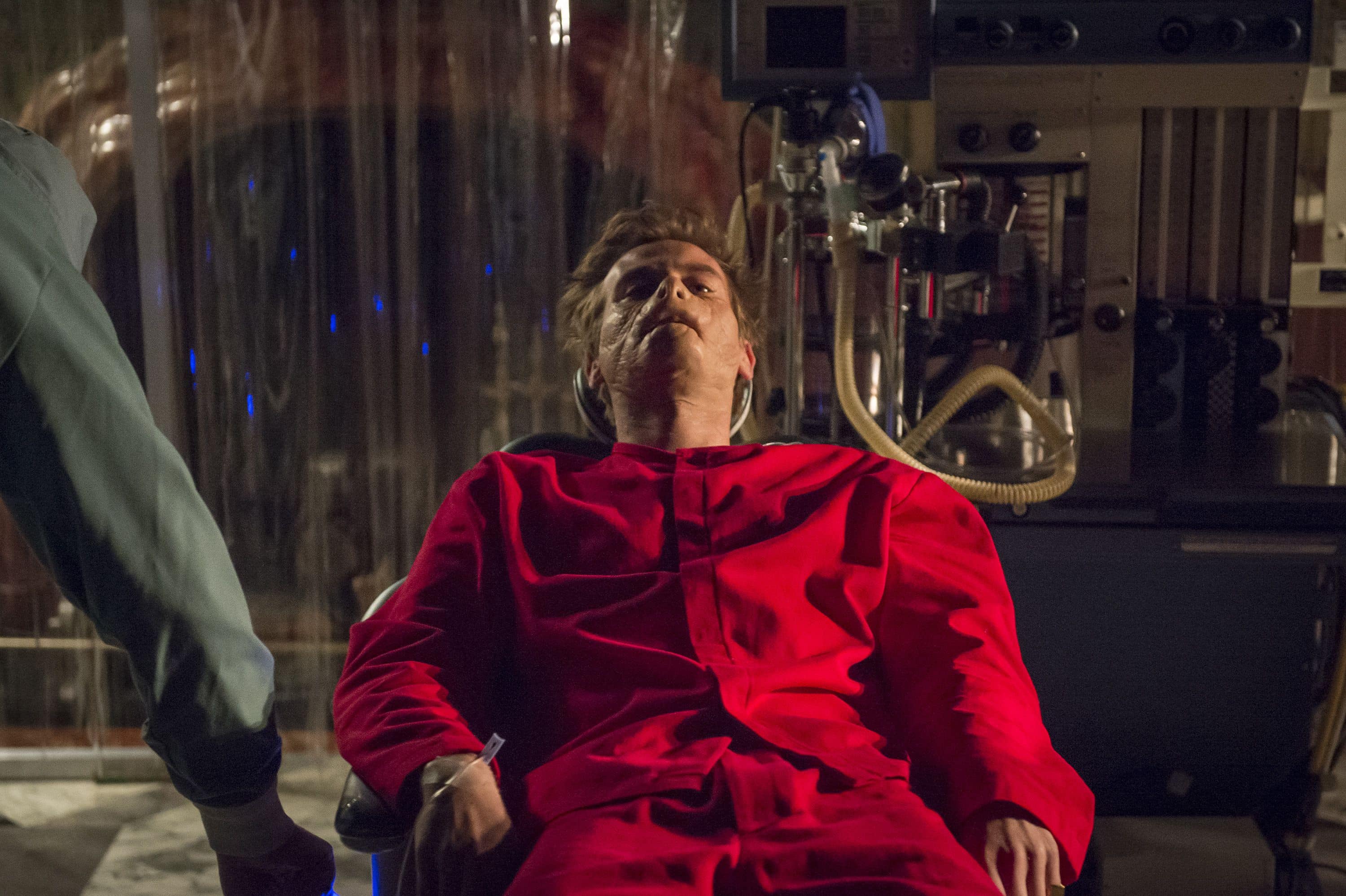
The episode is bug-fuck baroque even by Bryan Fuller’s incredibly accommodating standards, and the title is telling and apropos.

It asks us to immediately bond with and root for these criminals as the good guys despite knowing almost nothing about their motivations.
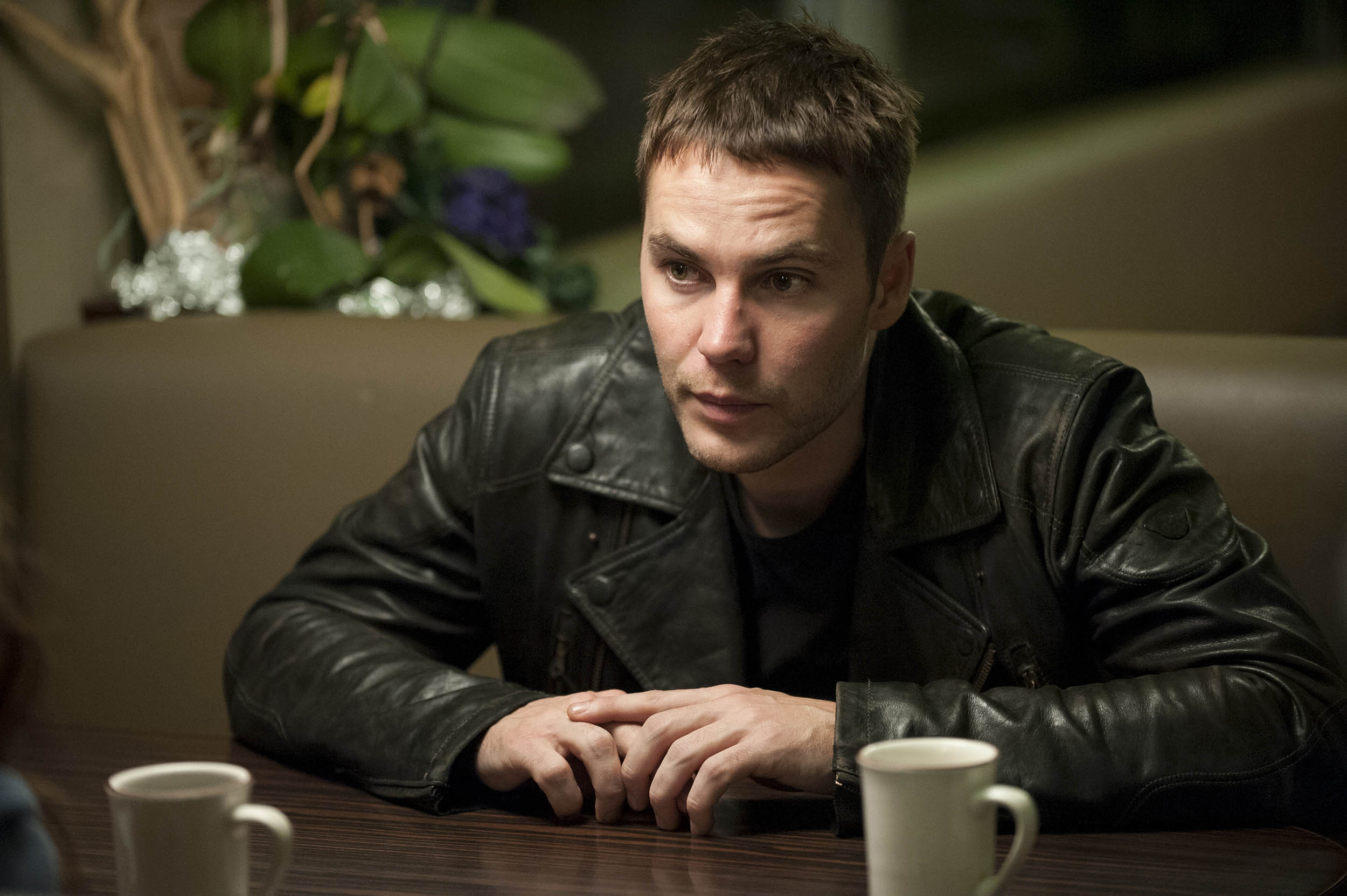
Good and evil have often been described as two sides of the coin that is humanity, and “Down Will Come” certainly puts that theory into practice.
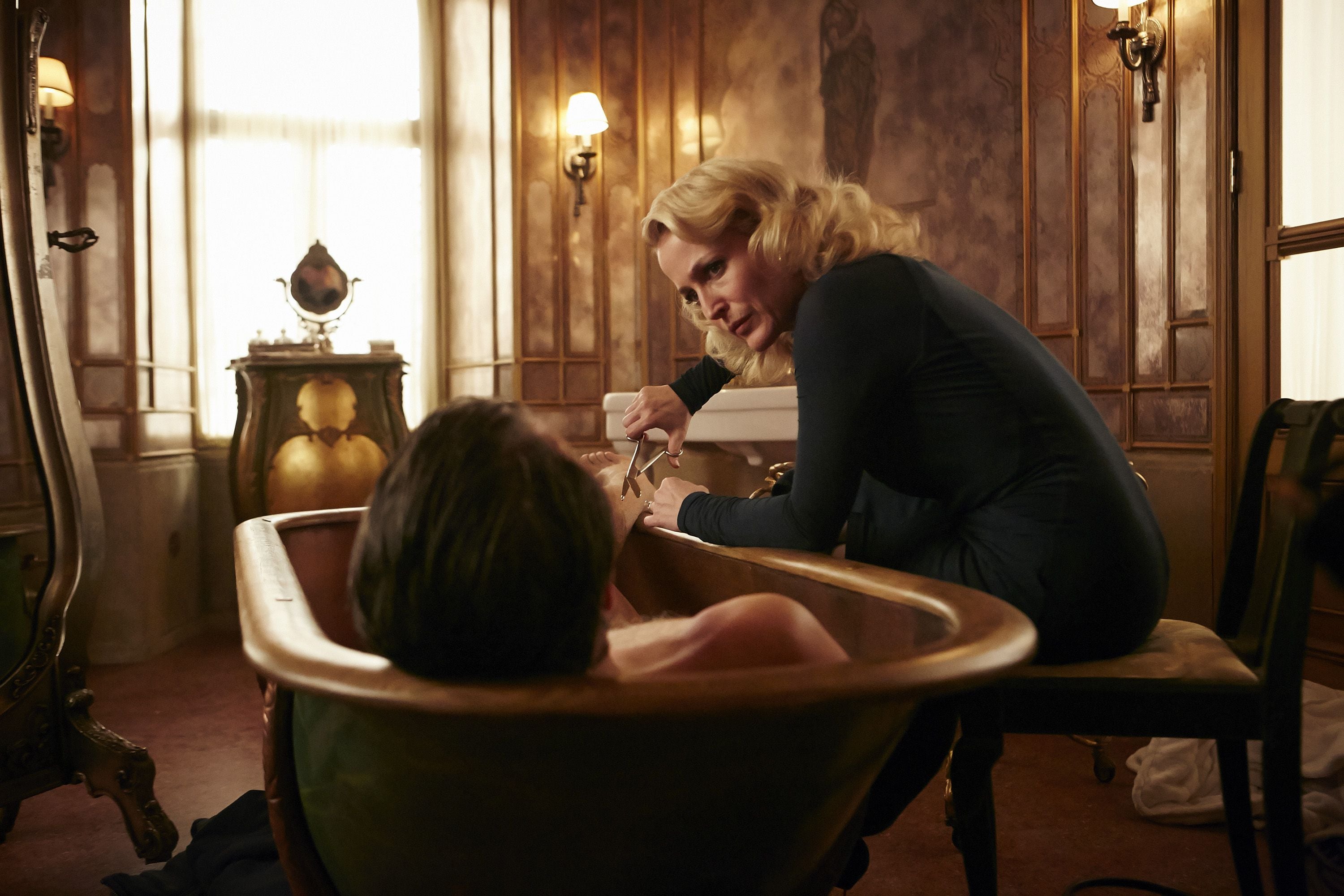
This is an unusually plot-driven episode of Hannibal that nevertheless maintains its surreal, mood-centric aura of erotic dread.

Finally, there’s Frank, who’s still in what he referred to as a “papier-mâché” state of being—neither coming nor going.

Repetition has inescapably set into this season’s Italian sojourn, which partially accounts for why last week’s superb American flashback episode felt so sharp.

The film’s scribe, Steven de Souza, certainly intended a large degree of this self-referentiality.

Ultimately, what gets Frank out of bed is an echo of Leonard Cohen’s sentiment in the show’s theme song, “Nevermind.”
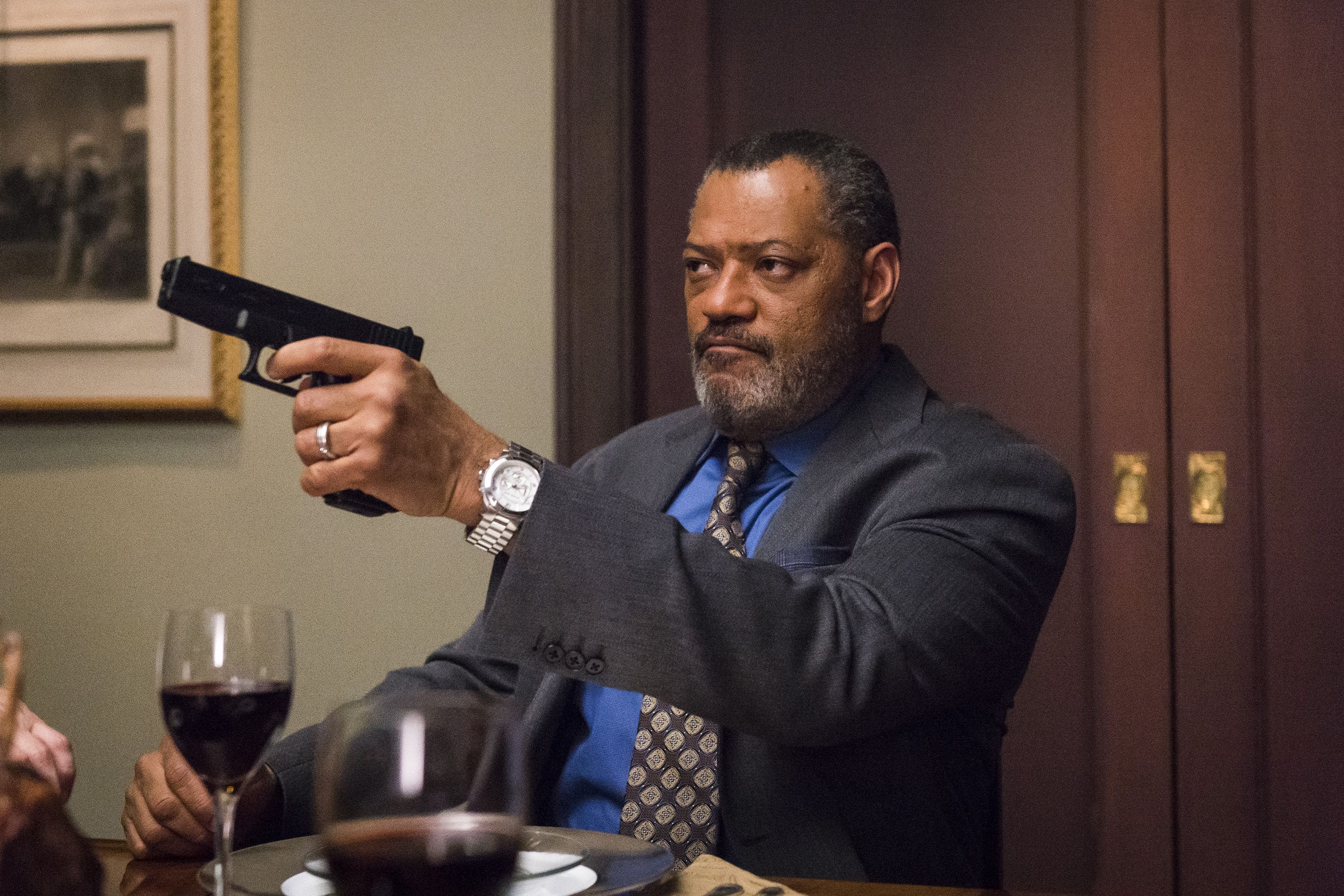
Hannibal is so crushingly, daringly, beautifully lonely, exuding the same sense of idiosyncratic discovery that marked the best episodes of Twin Peaks.

Dispensing with all notions that Days of Thunder is a critical work of any sort reveals its hollow and misogynistic underpinnings.

All the central characters have moments here in which they, for all intents and purposes, might well be dead.

It emerges as an almost wistful hour, to be filed, after a truly disheartening season, under “too little, too late.”