The Knick is such a well-constructed series that the characters’ dialogue can’t help but reveal one prejudice thrown at the expense of another
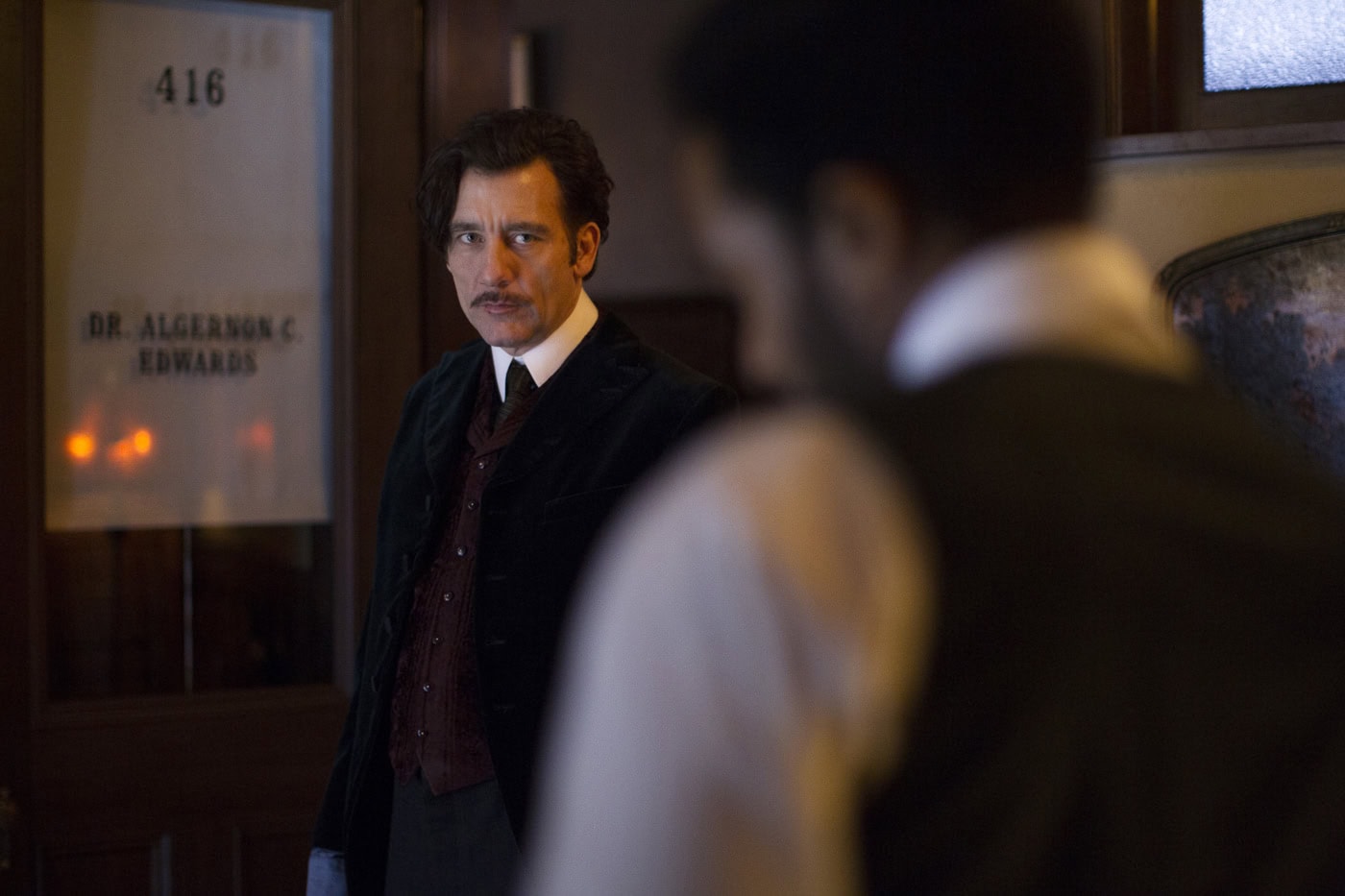

The Knick is such a well-constructed series that the characters’ dialogue can’t help but reveal one prejudice thrown at the expense of another

The festival succeeded in creating what director Lee Yong-kwan called “the window to the world for Asian films.”
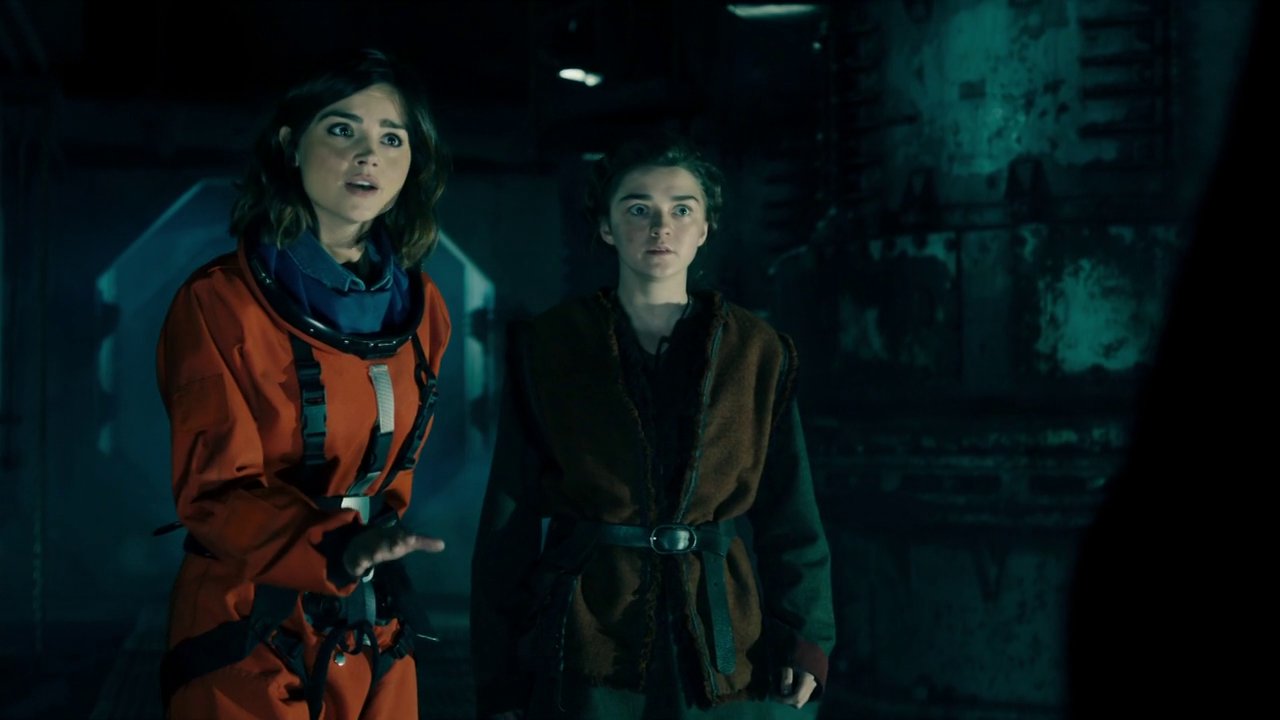
New director Ed Bazalgette proves adept at both keeping the light-hearted antics bubbling along.

Carrie’s been alone this whole season, and both literally and figuratively, has no super power to fall back on.
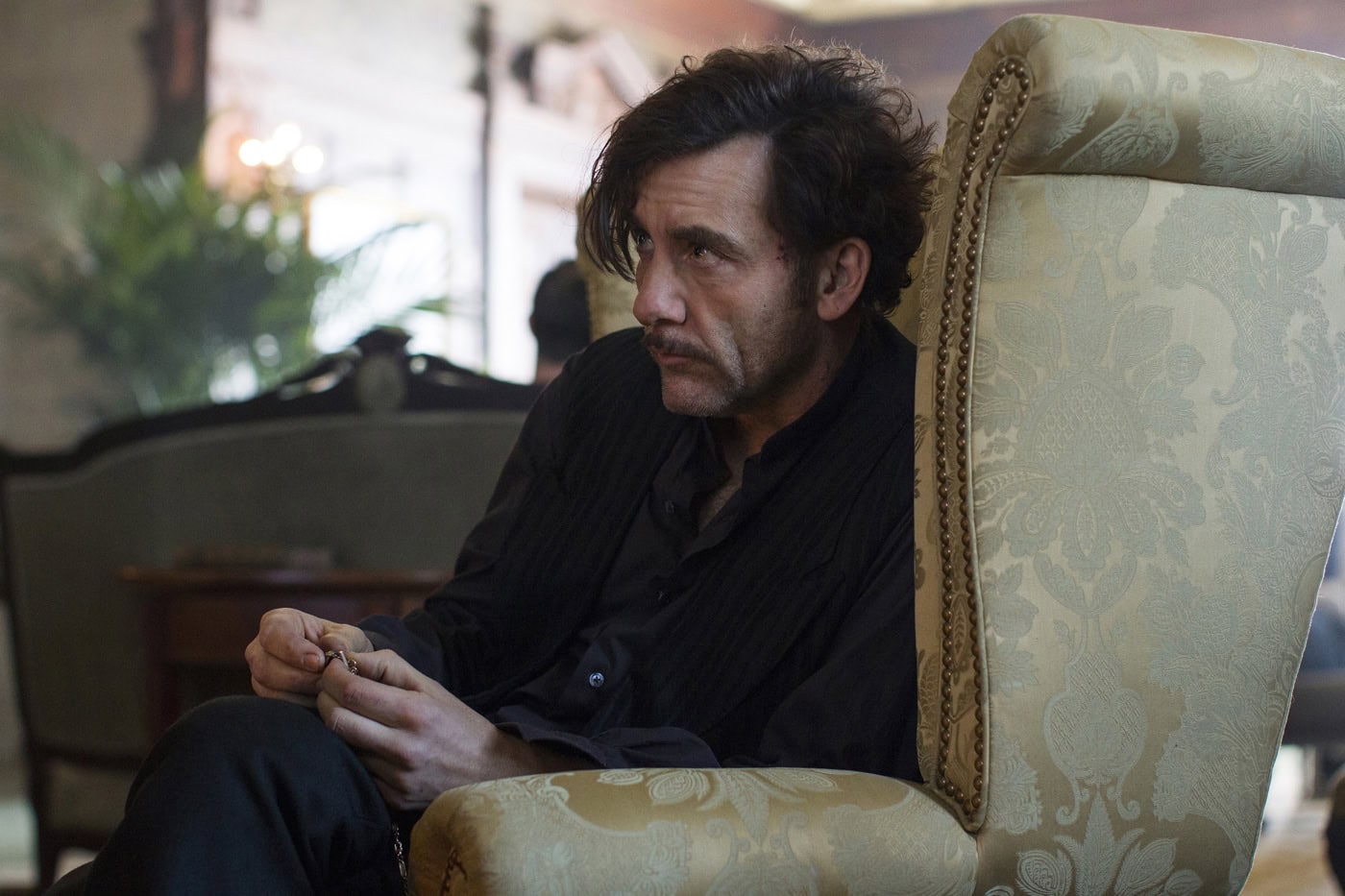
It’s hard to avoid feeling like the same issues of dramatic proportion and temporal flow that dogged the first season remain.
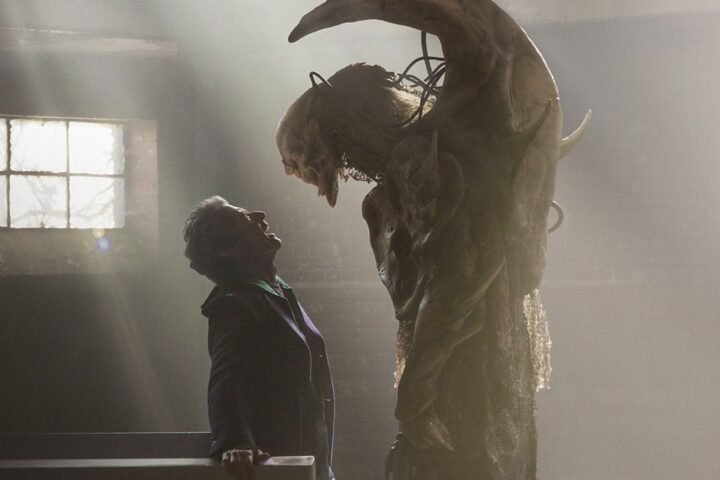
The episode provides unexpected but satisfying explanations for all of the questions set up last week.
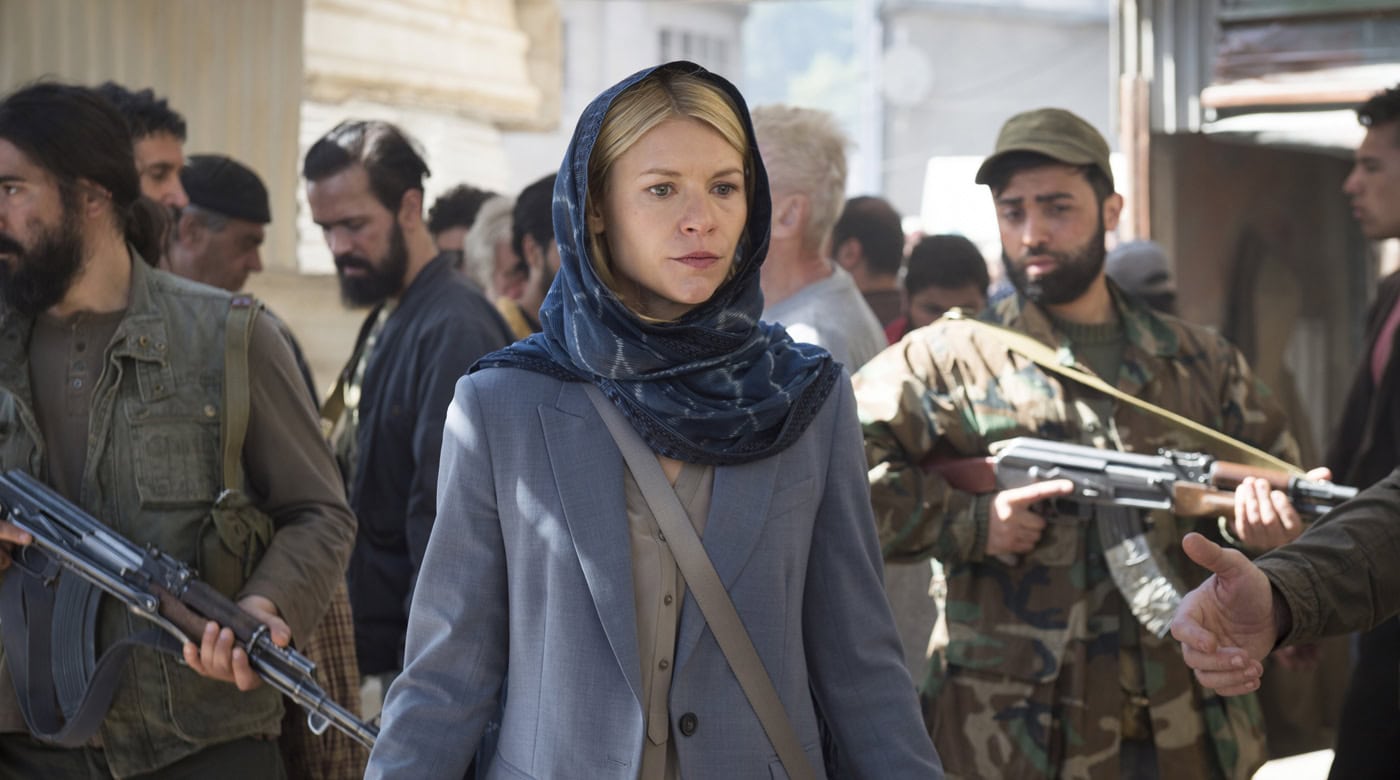
Homeland is firing on all cylinders when it focuses on what all of this endless terrorism means to the individual players, particularly Carrie.
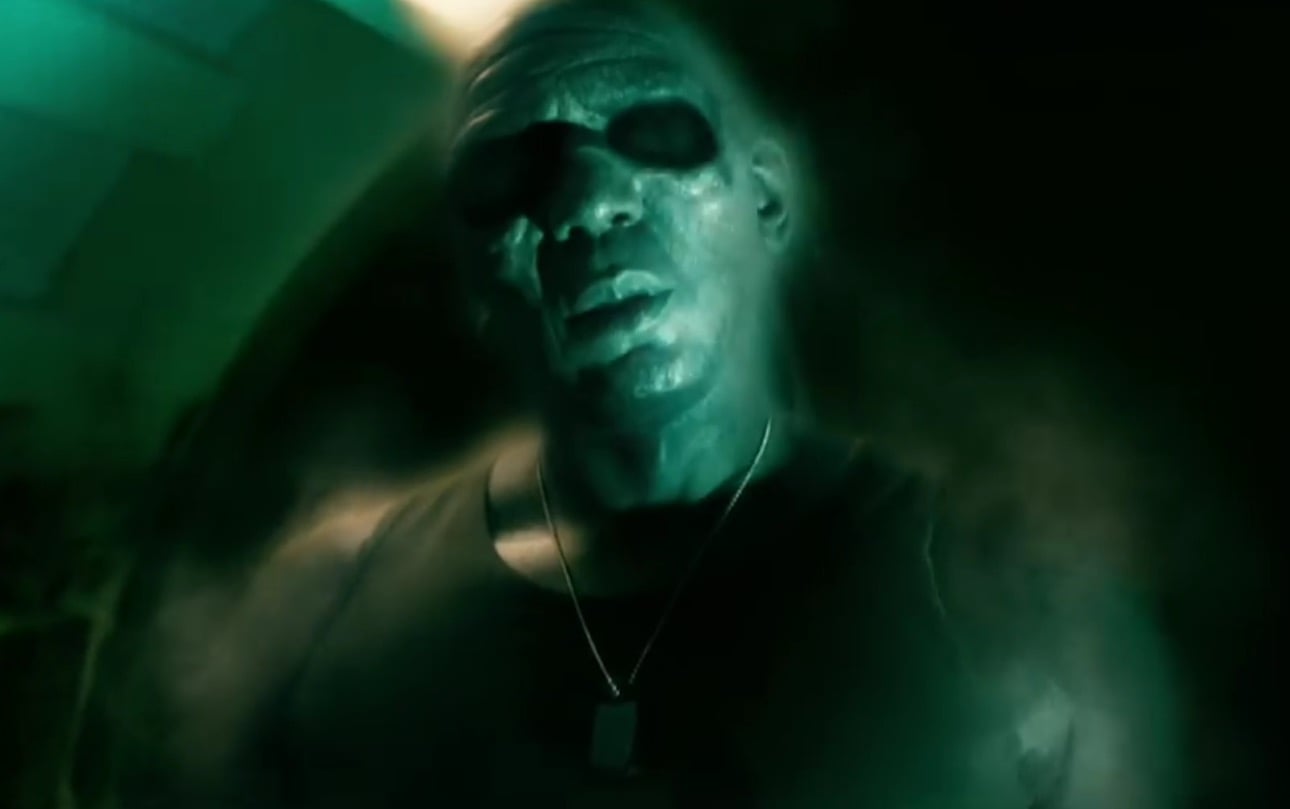
First-time director Daniel O’Hara creates a very convincing environment using mainly lighting effects, a constant low-key shimmering in the background always reminding us that we’re underwater.

Homeland is best when both sides are nuanced and evenly matched, and even better when the two are dangerously overlapping.
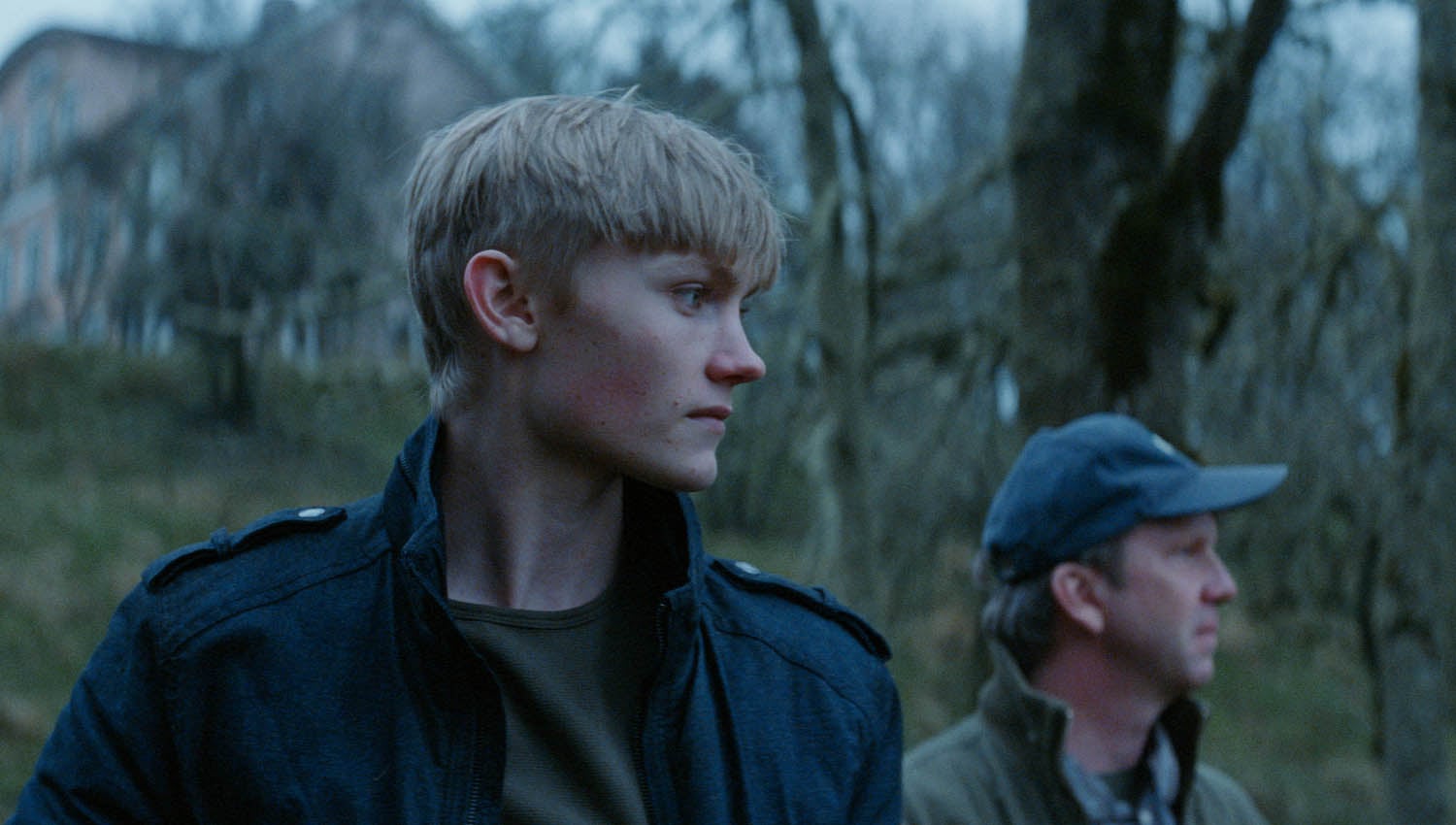
Like its protagonist, this disquieting debut slips into a state of sulfurous rage from which it never relaxes.

When he’s on form, writer Steven Moffat is adept at constantly surprising the audience.

The Doctor’s barnstorming re-entrance is a hilarious moment of pure absurdity.

If Ben Rivers brutalizes its artist’s ego, Athina Rachel Tsangari’s film takes a more sardonic look at vanity.

Light in darkness and darkness in light; for every affirmative moment, Frederick Wiseman finds a complementary negative.

Like Lynch before him, Fuller has shined a light over TV’s capacity for eccentric, follow-thy-master poignancy.

Men at Work is patient zero for the plague of Charlie Sheen movies that infected the 1990s.
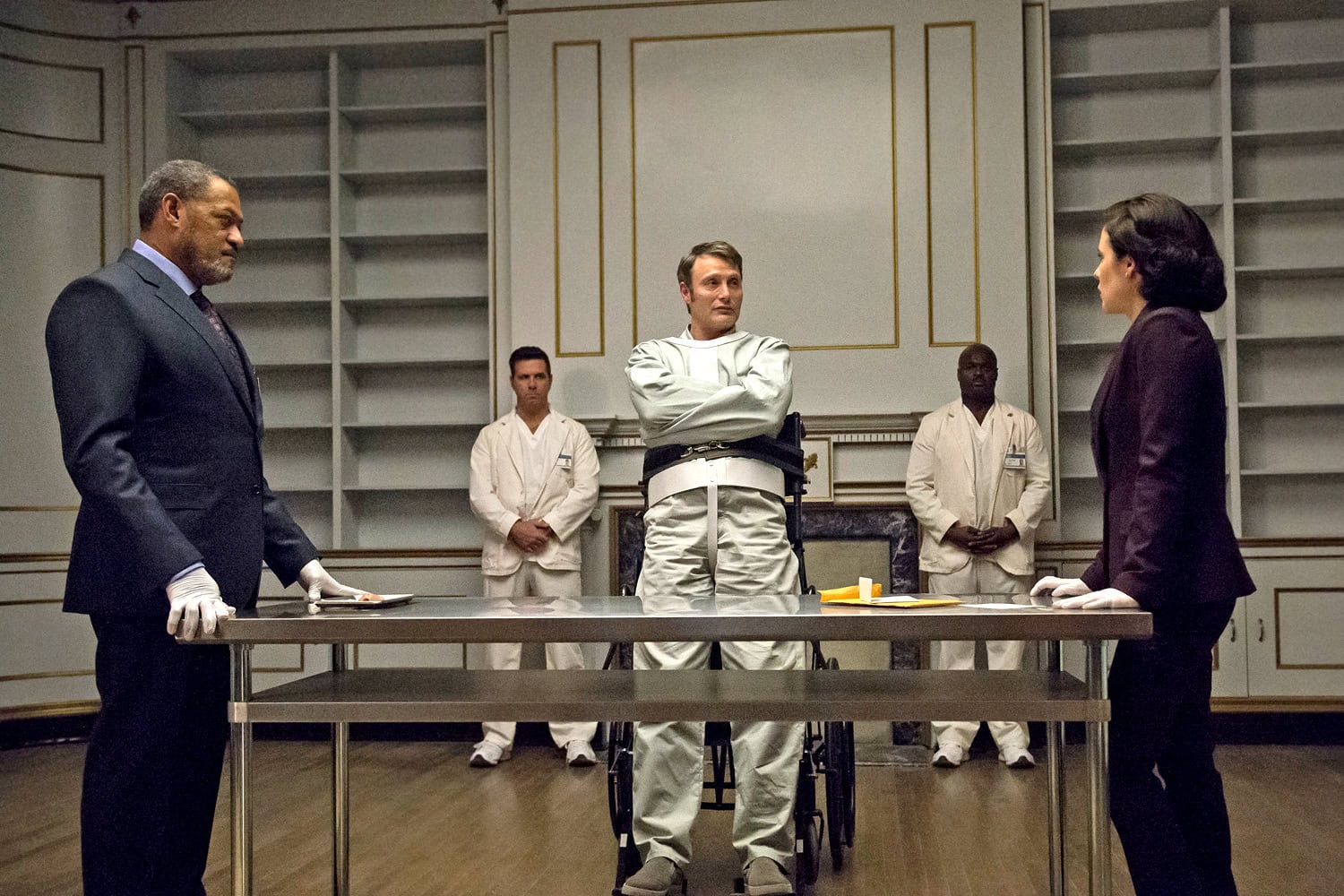
The dialogue is as polished, overheated, and savory as one can routinely expect from creator Bryan Fuller.

At the center of Roeg’s stylistic excess is Houston, balancing effortlessly between high camp and horror.

The romantic subtext is the central emotional motor of the series, what keeps it from collapsing into absurdity.

The power of the film is the endurance of an Elvis Presley song (or two), the staying power of a children’s movie, and the sight and sound of a match being struck.