Geyrhalter seems to treat a decomposed space as a form of letter for some kind of alphabet to emerge.


Geyrhalter seems to treat a decomposed space as a form of letter for some kind of alphabet to emerge.

The film is about how the stories we tell children, as well as the ones they witness for themselves, attach themselves to their little bodies like bee stings.

“Home Again” pivots on two narratives, one of which is promising and occasionally quite chilling.
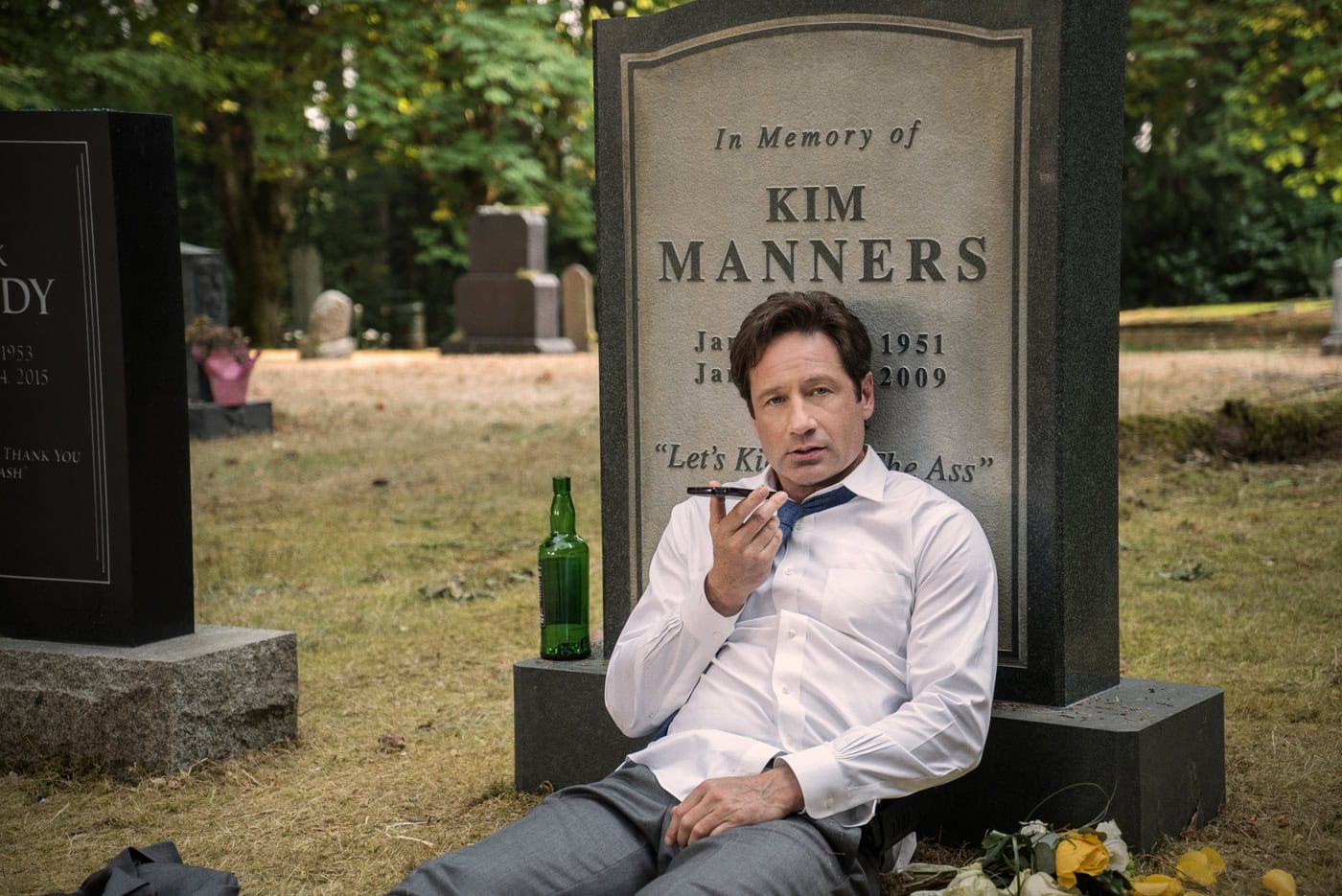
Duchovny has some wonderful moments in the prior episodes of the season, but this is the first time this season that he’s really come to play.

Mulder and Scully’s disregard for protocol is one of the more interesting, partially inadvertent frictions of bringing The X-Files into the present.

The episode’s most obvious sign of desperation is its reliance on slide shows to orient viewers.

The first half of the episode is almost entirely comedic in nature, and the performances are appropriately unsubtle.
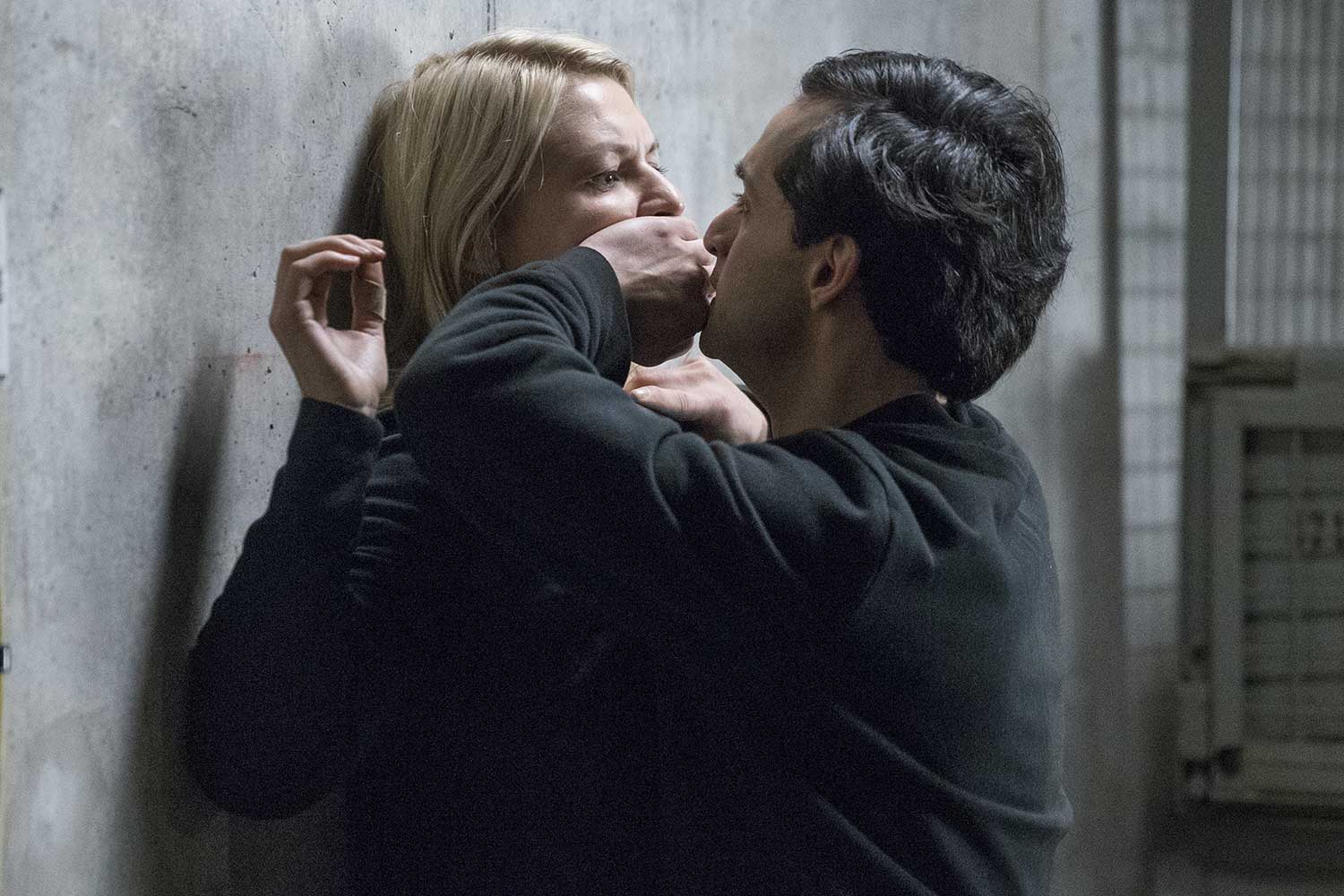
The season finale of Homeland lingers almost uncomfortably long on the survivors.

The chickens of gilded-era capitalism come to roost in as many configurations as are possible.
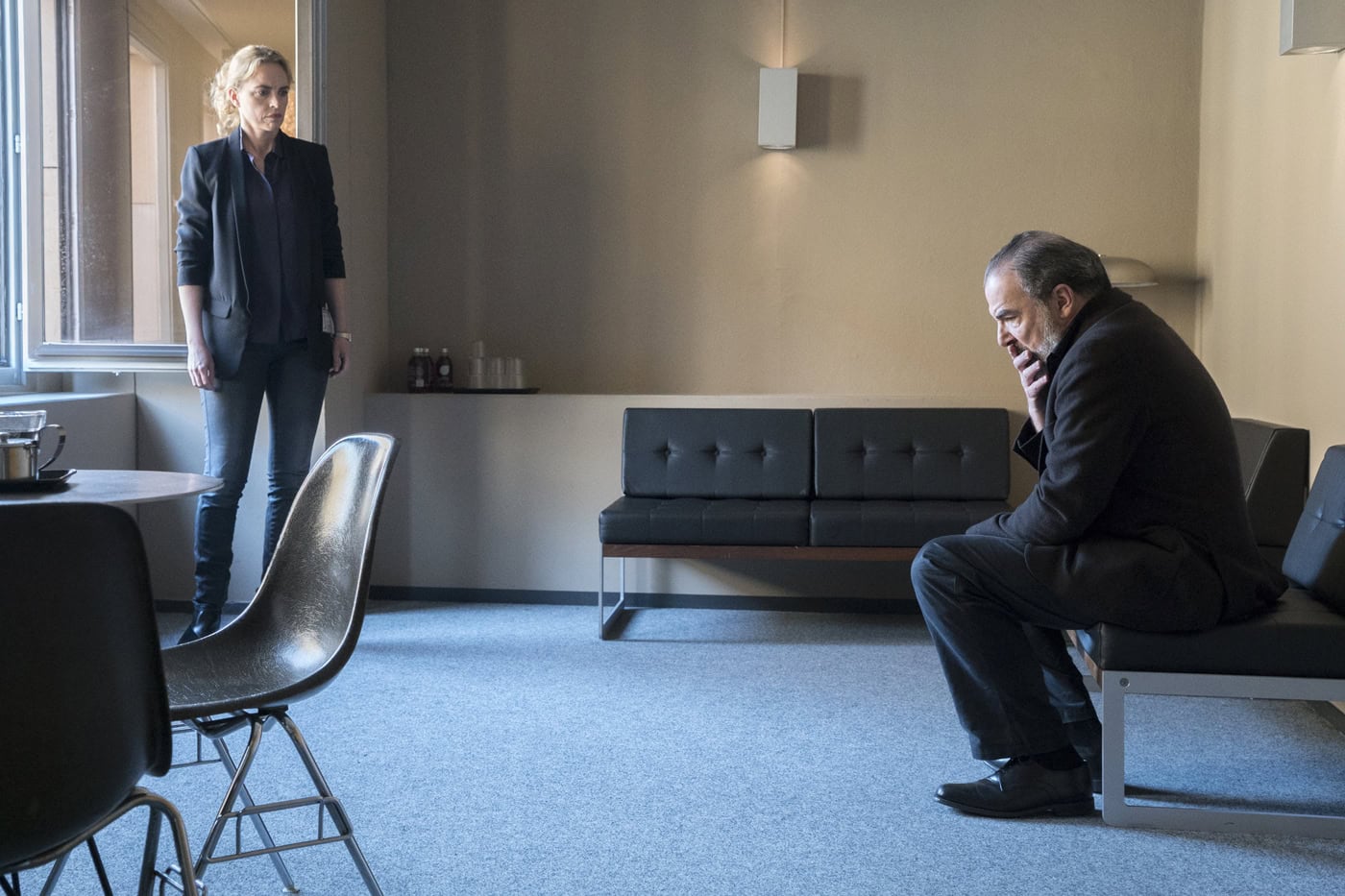
Homeland should talk less, and trust that intimate scenes will serve to demonstrate or explain the larger themes.

Just how soap-operatic are Soderbergh and writers Jack Amiel and Michael Begler willing to go?
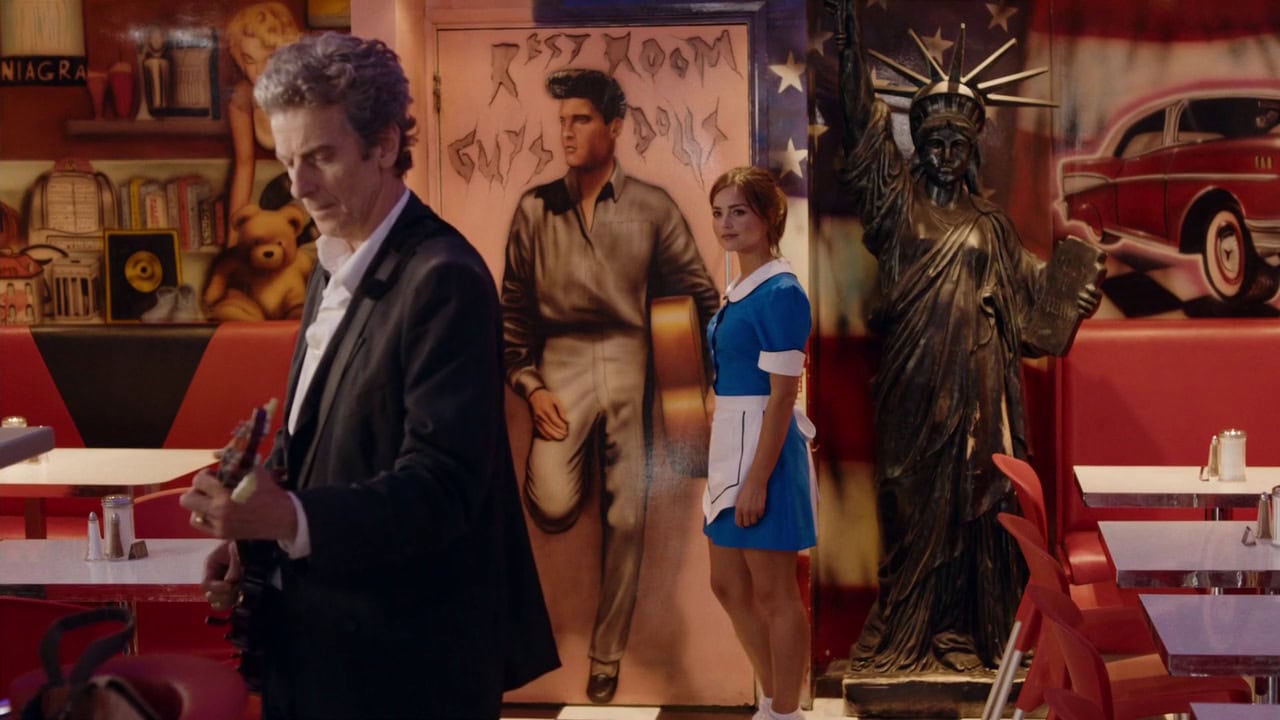
Coleman excels at showing her character’s horror at what the Doctor has suffered, and what it’s done to him.

Homeland falters when it focuses on the contrivances of its big-picture plotting, but they lead “New Normal” to a powerful ending.
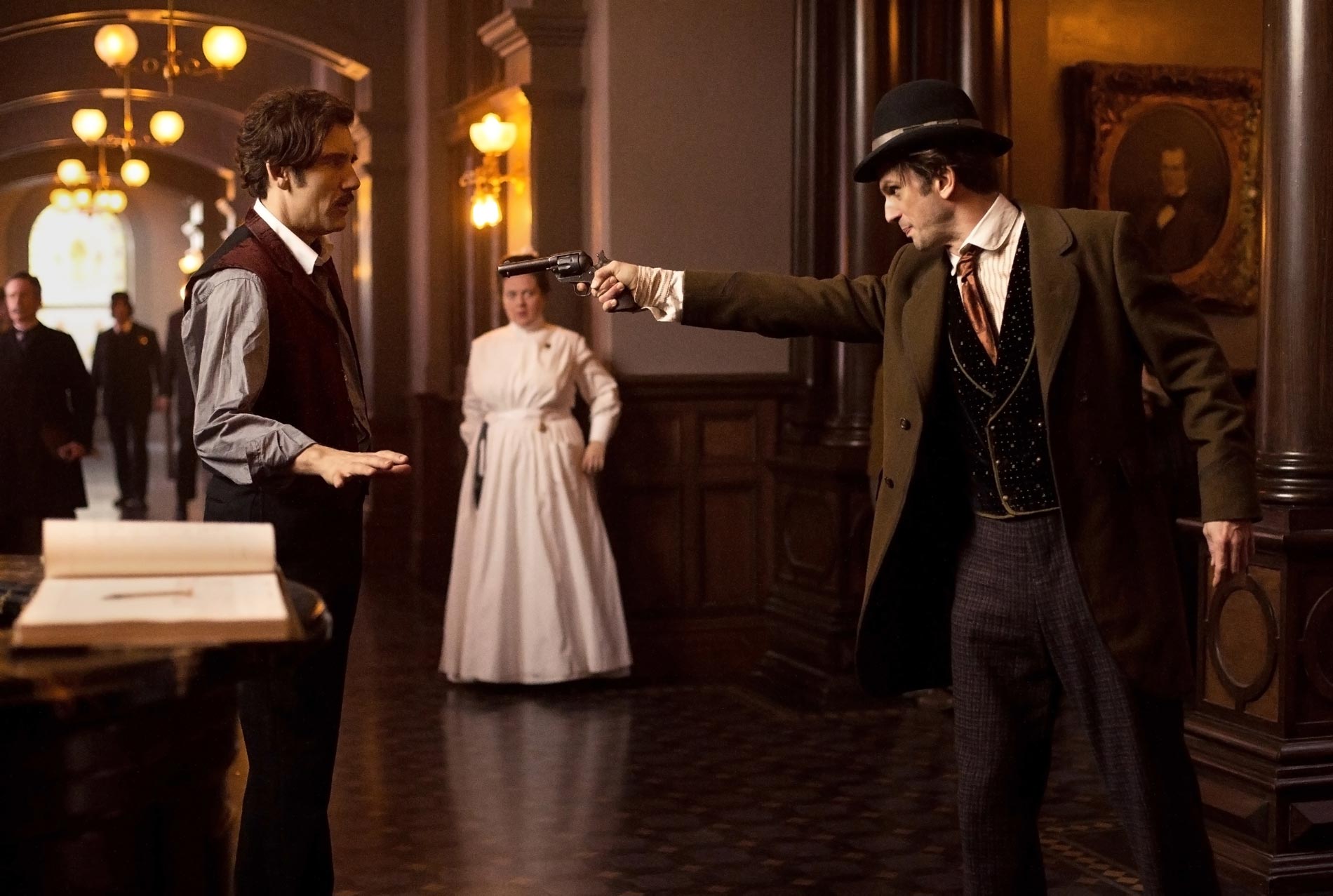
This episode sees its characters ground up especially in the gears of their own patriarchal systems.
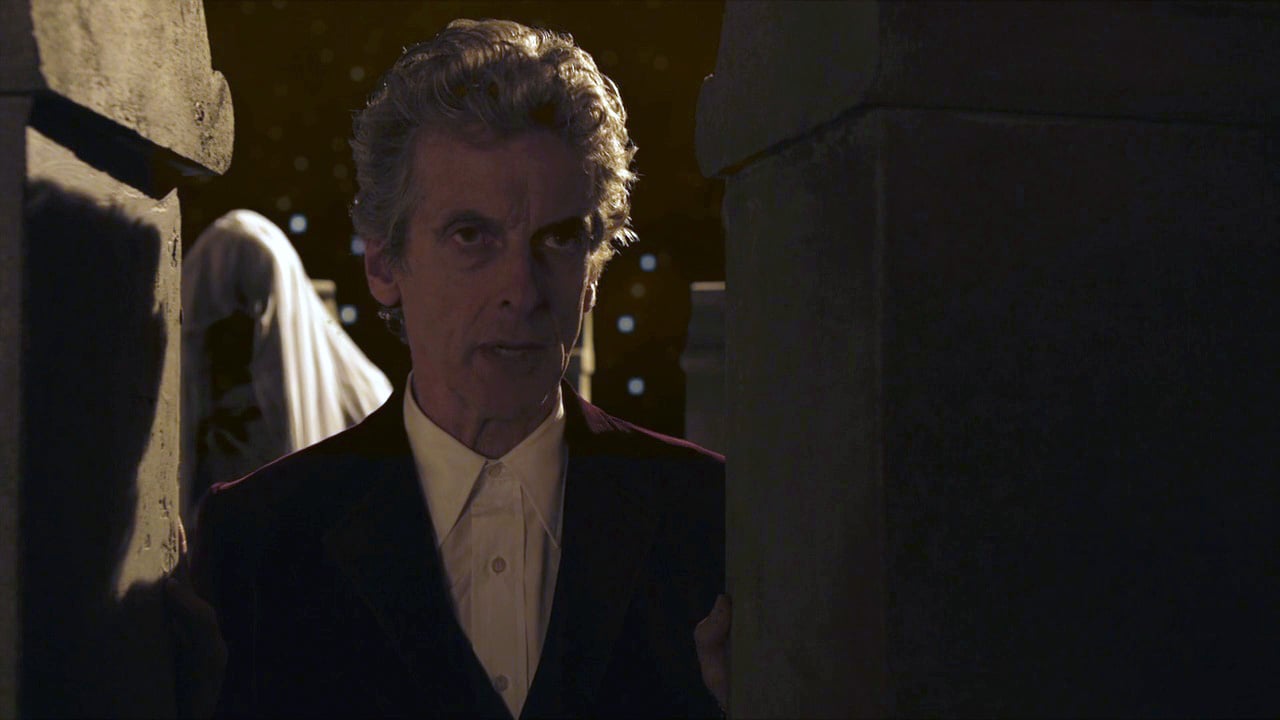
Director Rachel Talalay surpasses her work on last season’s finale, providing whole sequences of breathtaking visuals.

In one of the unlikeliest moves of the show’s run, “Start to Finish” completely pushes pathos to the sidelines.

Despite the implication of the title, “The Litvinov Ruse” is no trick.

Visually, the episode’s centerpiece is the Knick’s much-alluded-to charity ball, played at once as a sprawling comedy of manners and a jawdropping pictorial spectacle.
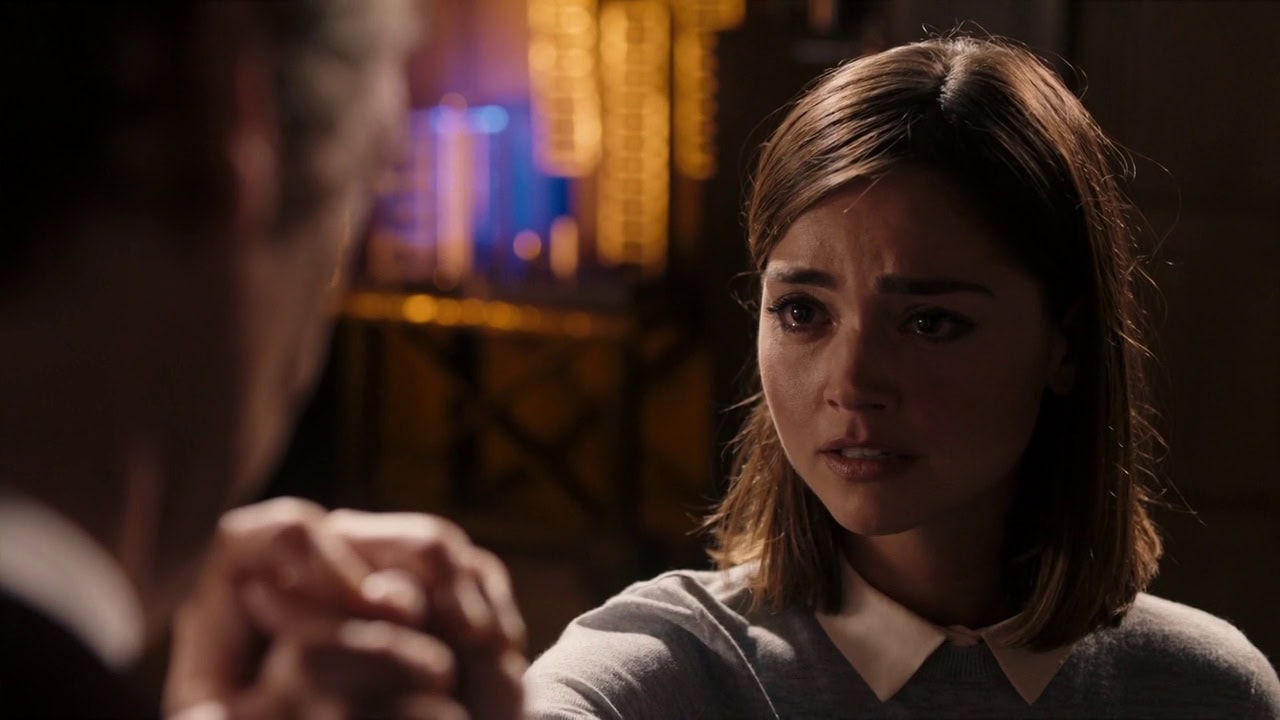
The story is a tragedy in the literal sense, which means that Clara’s end comes about as a direct consequence of a flaw in her character.

“Heads Up” culminates with no less than three cliffhangers.