These shows prove the marathon-watching juggernaut’s concern for both quantity and quality.


These shows prove the marathon-watching juggernaut’s concern for both quantity and quality.
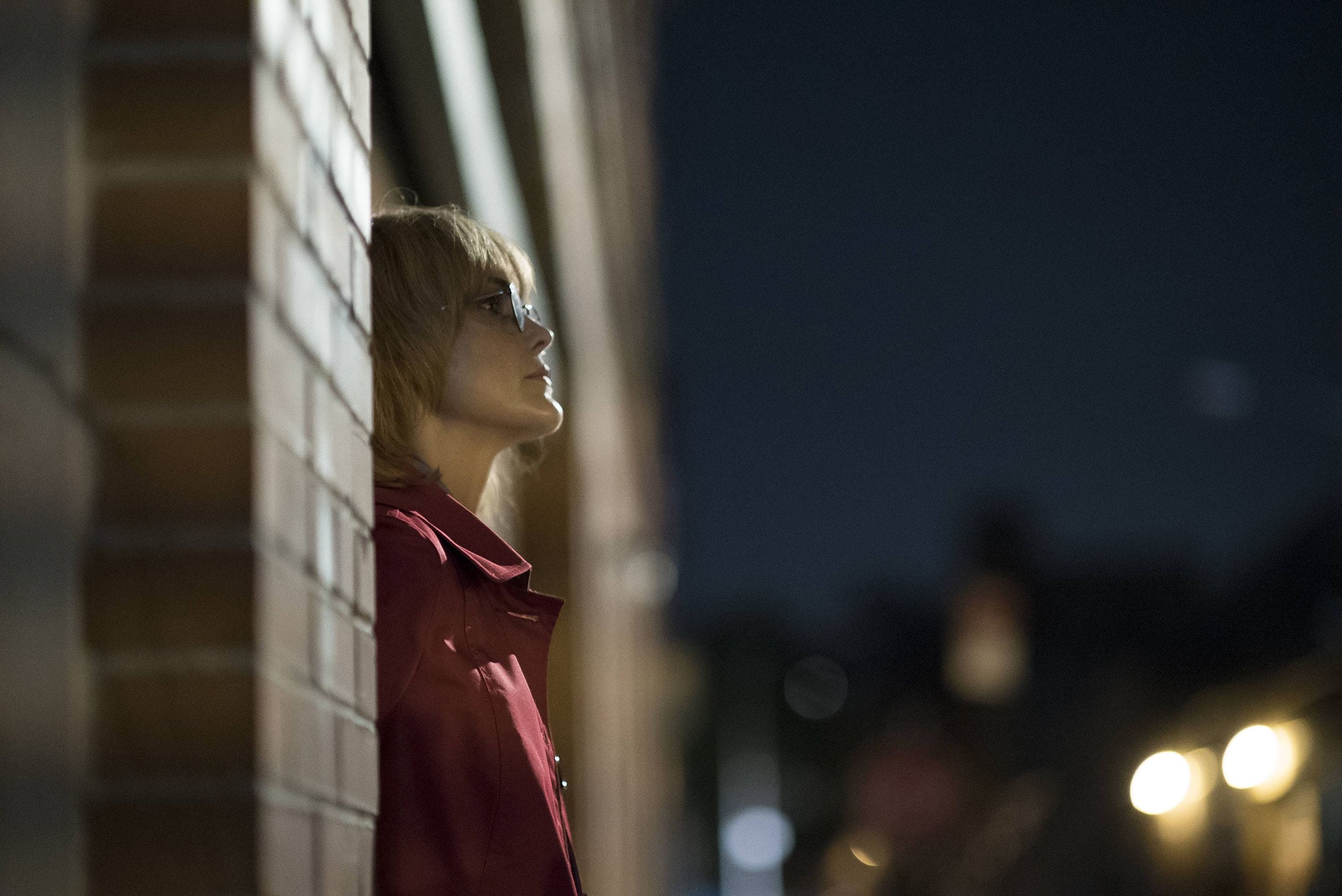
“Baggage” uses Philip and Elizabeth’s respective reactions to Annalise’s death as an entrée into the subject of childrearing.

Unlike Lucious and their three sons, Cookie emerges from prison uncorrupted by success and the only character strong enough to mount a proper challenge to Lucious’s glitzed-out hypocrisy.
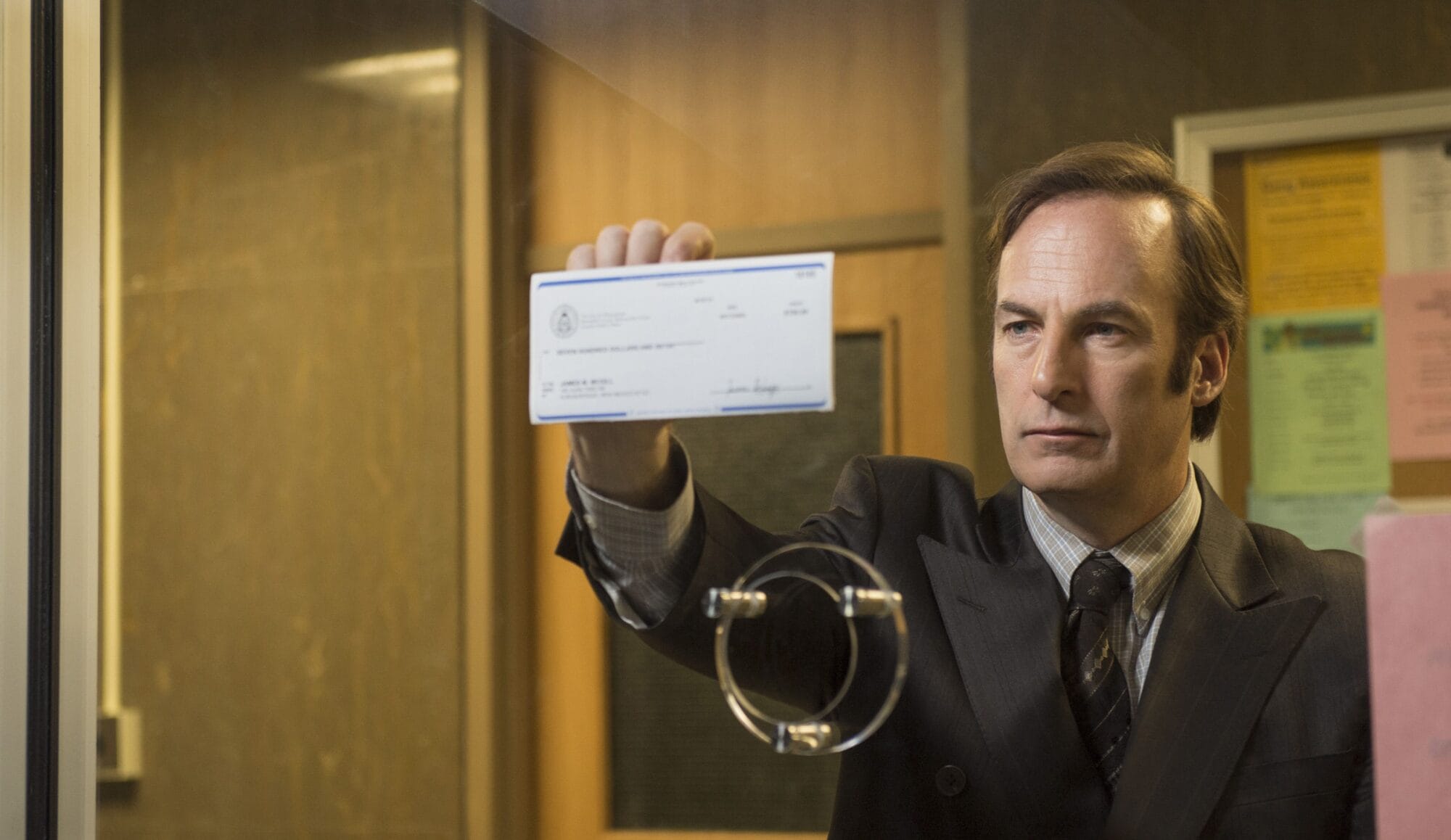
The series rests on Bob Odenkirk, a gifted comedian and character actor who’s never before had the opportunity to occupy the center ring.

“EST Men” frames the debate between Philip and Elizabeth in universal terms: How do you raise a child?

Throughout The Americans, there’s an ever-present sense of an unwieldy narrative arc being perpetually built up, which has become a noticeable trend in primetime television.

Tops, bottoms, douches, enemas, rim jobs, “hot shower orgies,” and even a swinging dick or two.

The episode’s title is an acknowledgement of the agency wielded by the show’s core group of women.

The episode ends American Horror Story: Freak Show on an unsurprisingly dour and haphazard note.
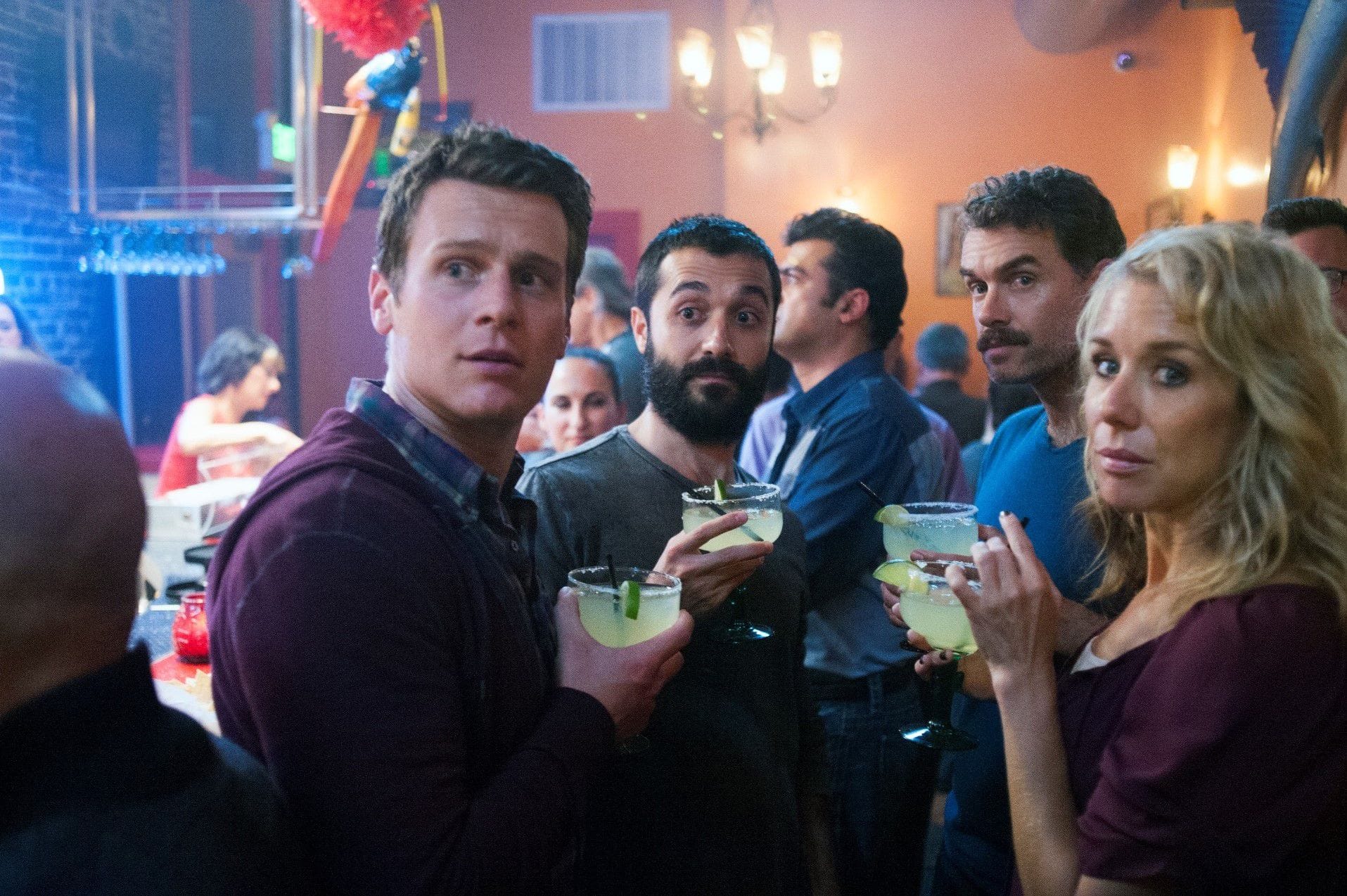
Director Andrew Haigh and writer Michael Lannan present a suggestive exchange of stories that feels both familiar and remarkably specific.

Girls’s attempts at eliciting our empathy for a privileged coterie of navel-gazers can sometimes verge on the indulgent.

Freak Show helps to confirm an unofficial rule about the series at large: The more a season actively utilizes its chosen setting, the better it is.

One of the great things about this noir-western hybrid is its interest in updating more than just the superficial tropes of those genres.
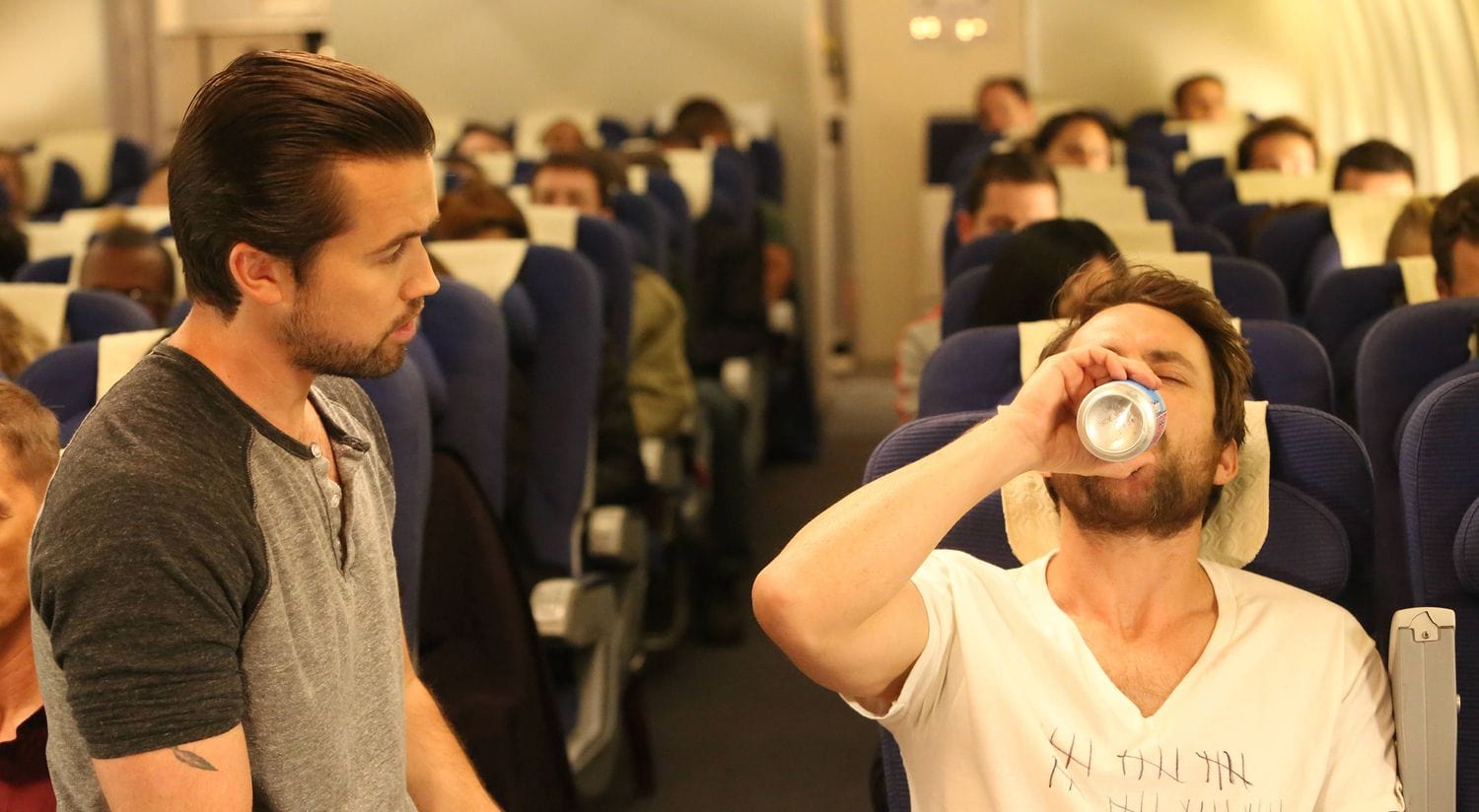
The series has always been prone to creative experimentation, but it’s never been as pervasive, or as successful, as it is here.

Full disclosure: I am, to paraphrase that old Sex in the City parlor game, such a Patrick.
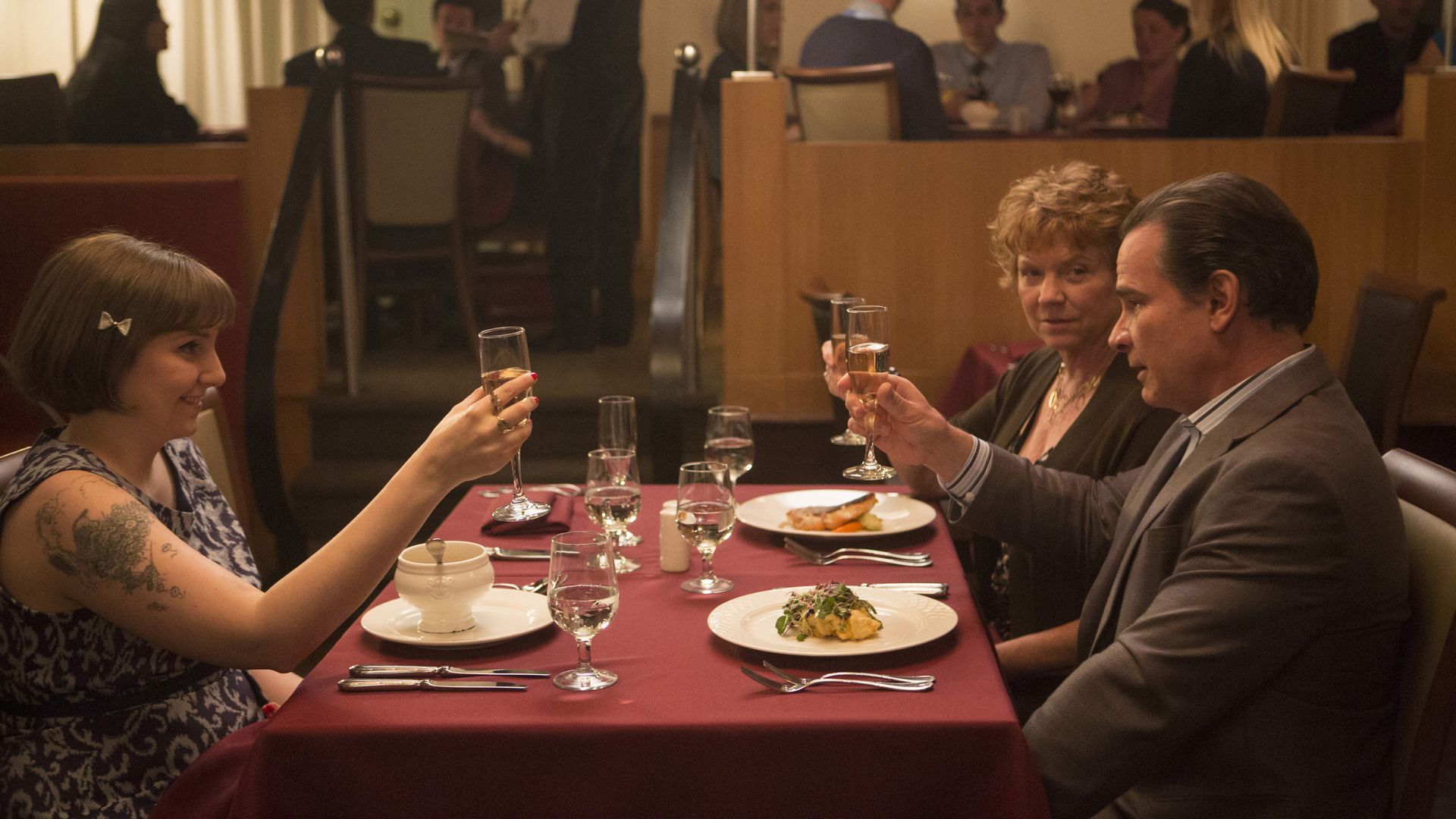
Even if “Iowa” is a workhorse of an episode, it bodes well for what comes next.

It may seem quotidian compared to the current requirements of the weekly series format, but its attention to detail isn’t given nearly enough credit.

It’s about breaking out of tired routines, which makes its disinterest in depicting new sides of common struggles so disappointing.

The exuberant depiction of female kinship as being inextricably bound to the anarchy of daily living gives the series its unexpected sweetness.
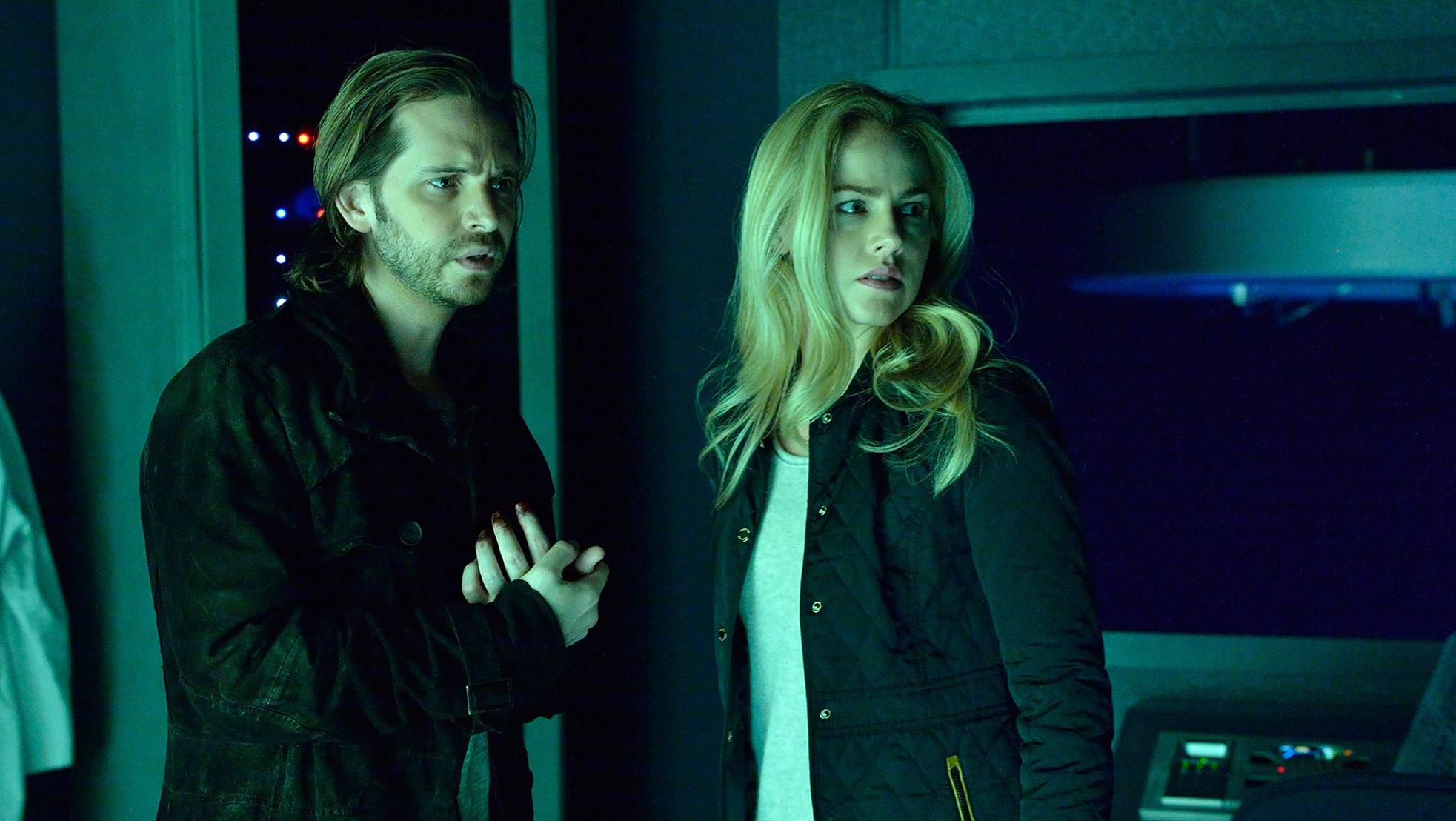
Another enterprise that uses the notion of time travel as an excuse to alternate chase scenes with prolonged bursts of expository blathering.

“Magical Thinking” finds the series resorting to its usual bag of boring, hyperbolically over-plotted tricks.