These shows prove the marathon-watching juggernaut’s concern for both quantity and quality.


These shows prove the marathon-watching juggernaut’s concern for both quantity and quality.

“The Woman Who Lived” is actually a sequel to “The Girl Who Died” rather than a simple continuation.

Tomorrow, around water coolers the world over, the conversations will be about whether The Walking Dead’s most cherished character is in fact dead.
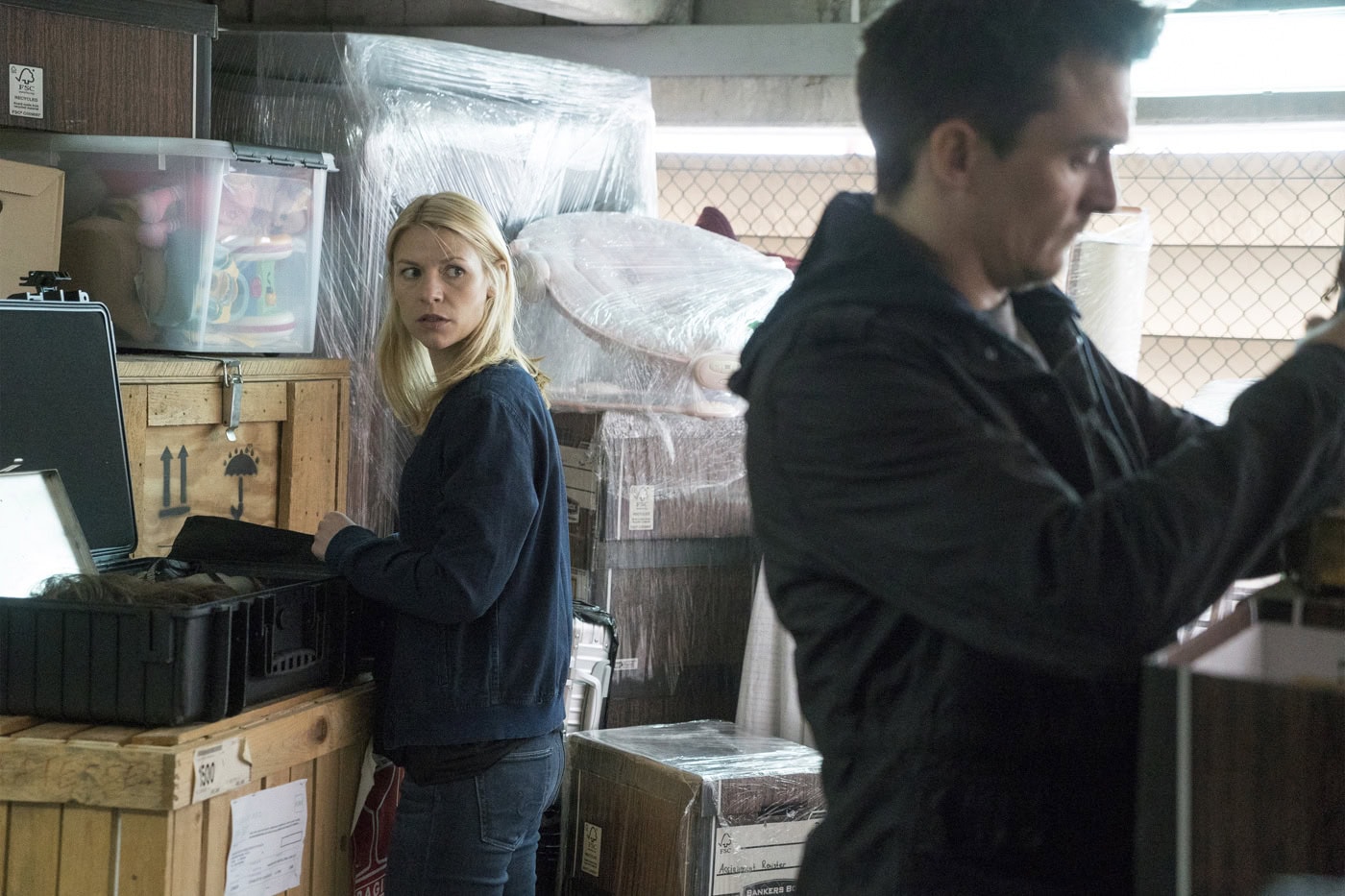
“Why Is This Night Different?” feels like an overly complicated table-setting episode, especially given the way Homeland merges its other two subplots.
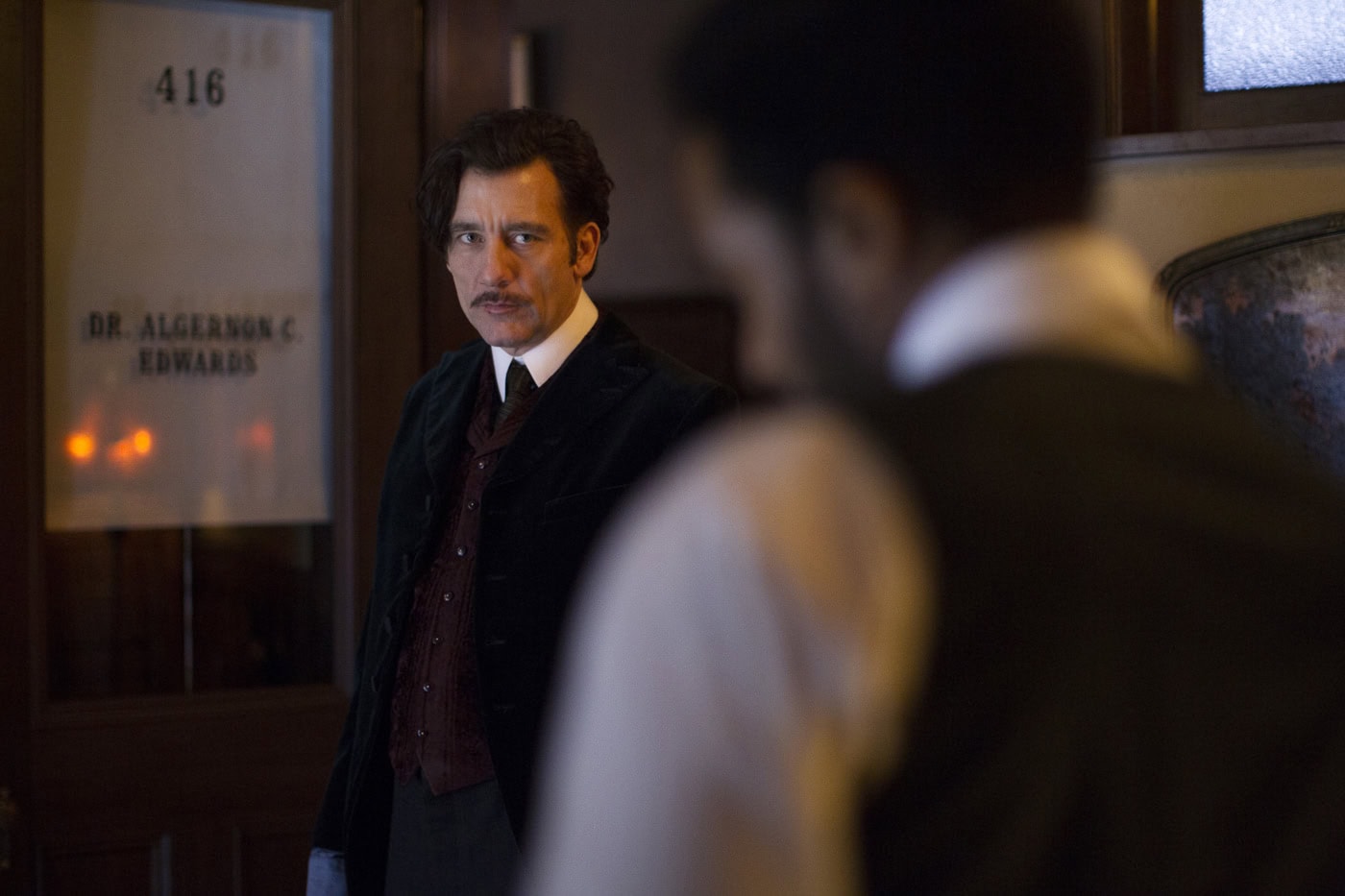
The Knick is such a well-constructed series that the characters’ dialogue can’t help but reveal one prejudice thrown at the expense of another
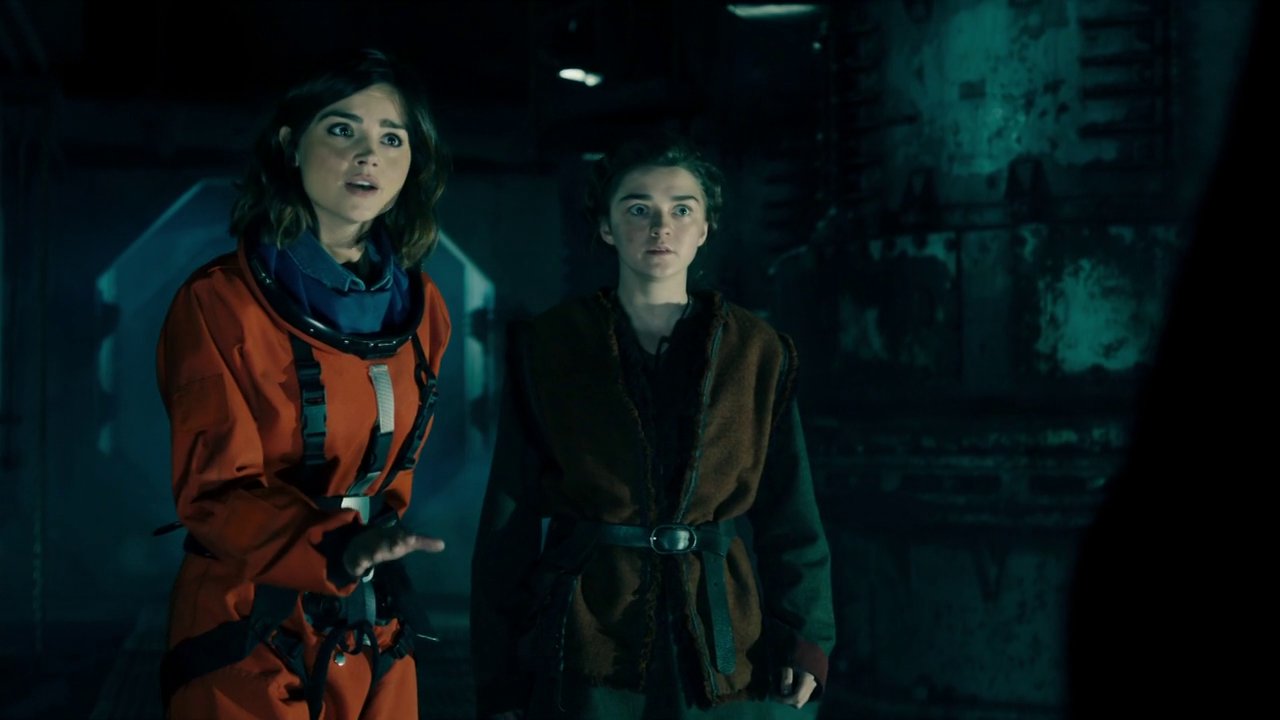
New director Ed Bazalgette proves adept at both keeping the light-hearted antics bubbling along.

Carrie’s been alone this whole season, and both literally and figuratively, has no super power to fall back on.
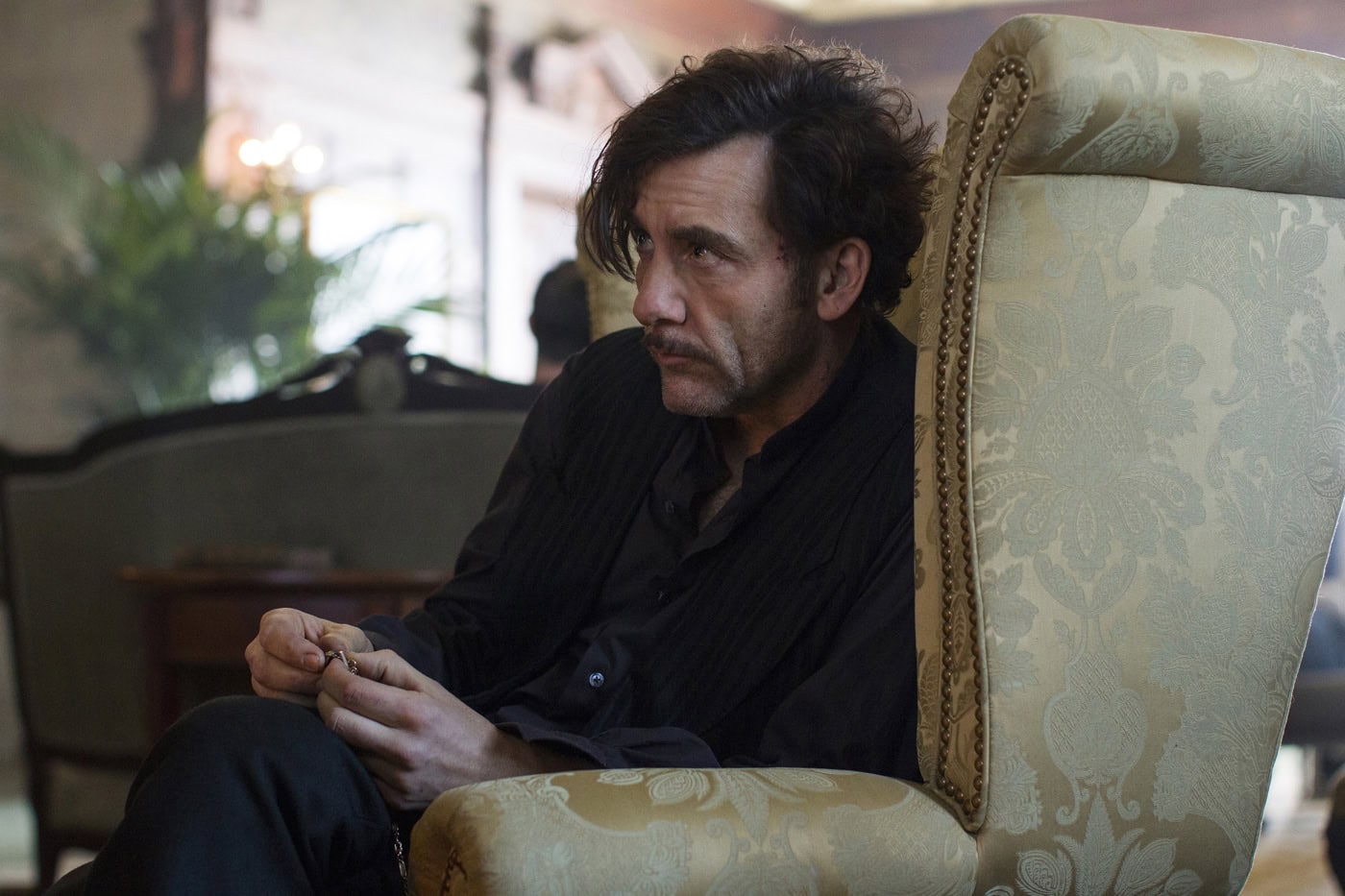
It’s hard to avoid feeling like the same issues of dramatic proportion and temporal flow that dogged the first season remain.

The Knick provides a wealth of nuanced history of early 20th-century medicine and social mores.
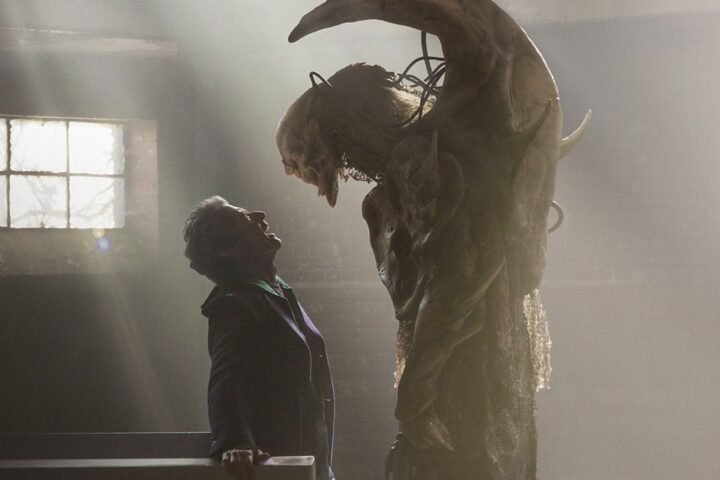
The episode provides unexpected but satisfying explanations for all of the questions set up last week.
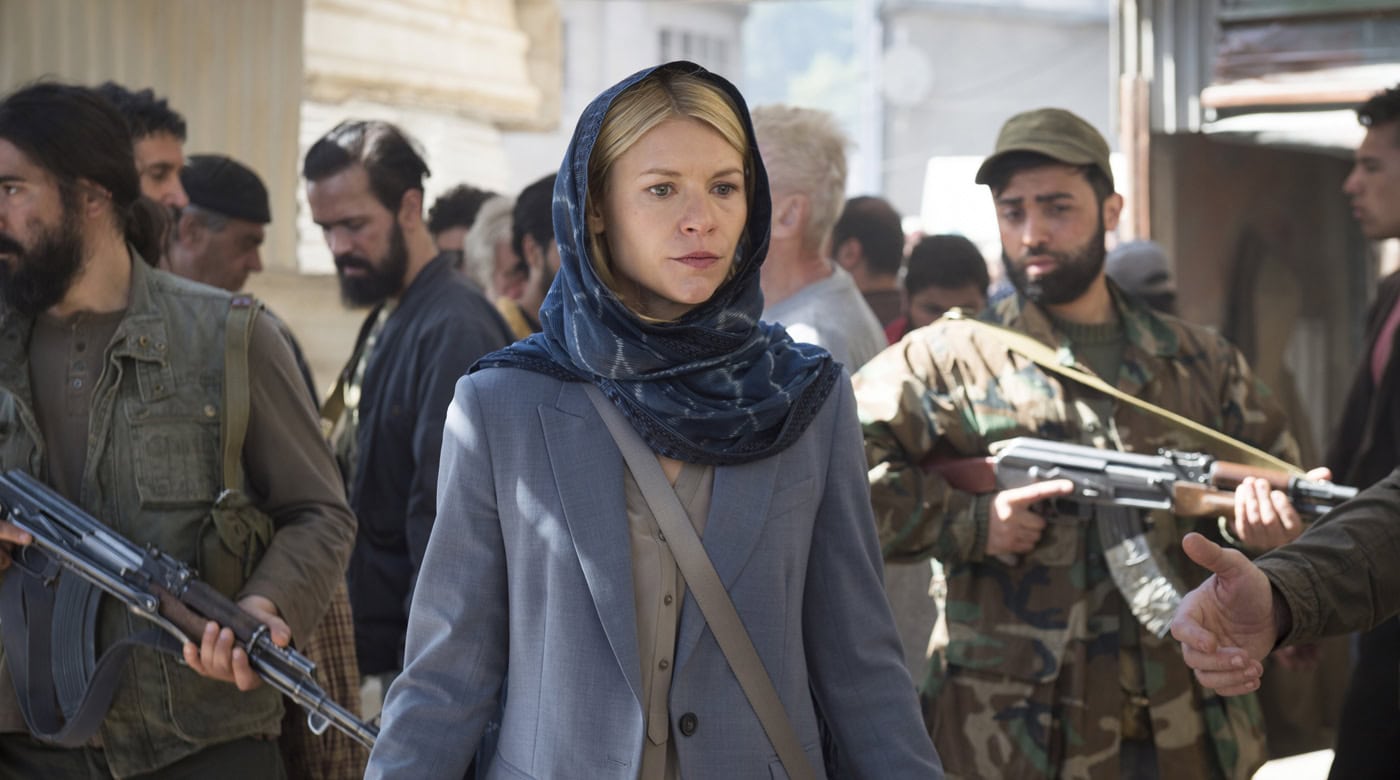
Homeland is firing on all cylinders when it focuses on what all of this endless terrorism means to the individual players, particularly Carrie.

It should come as no surprise that Rick’s evolution parallels The Walking Dead’s trajectory n its full scope.

With scattershot vigor, the series roots through pop culture old and new to borrow images, sounds, and tropes.
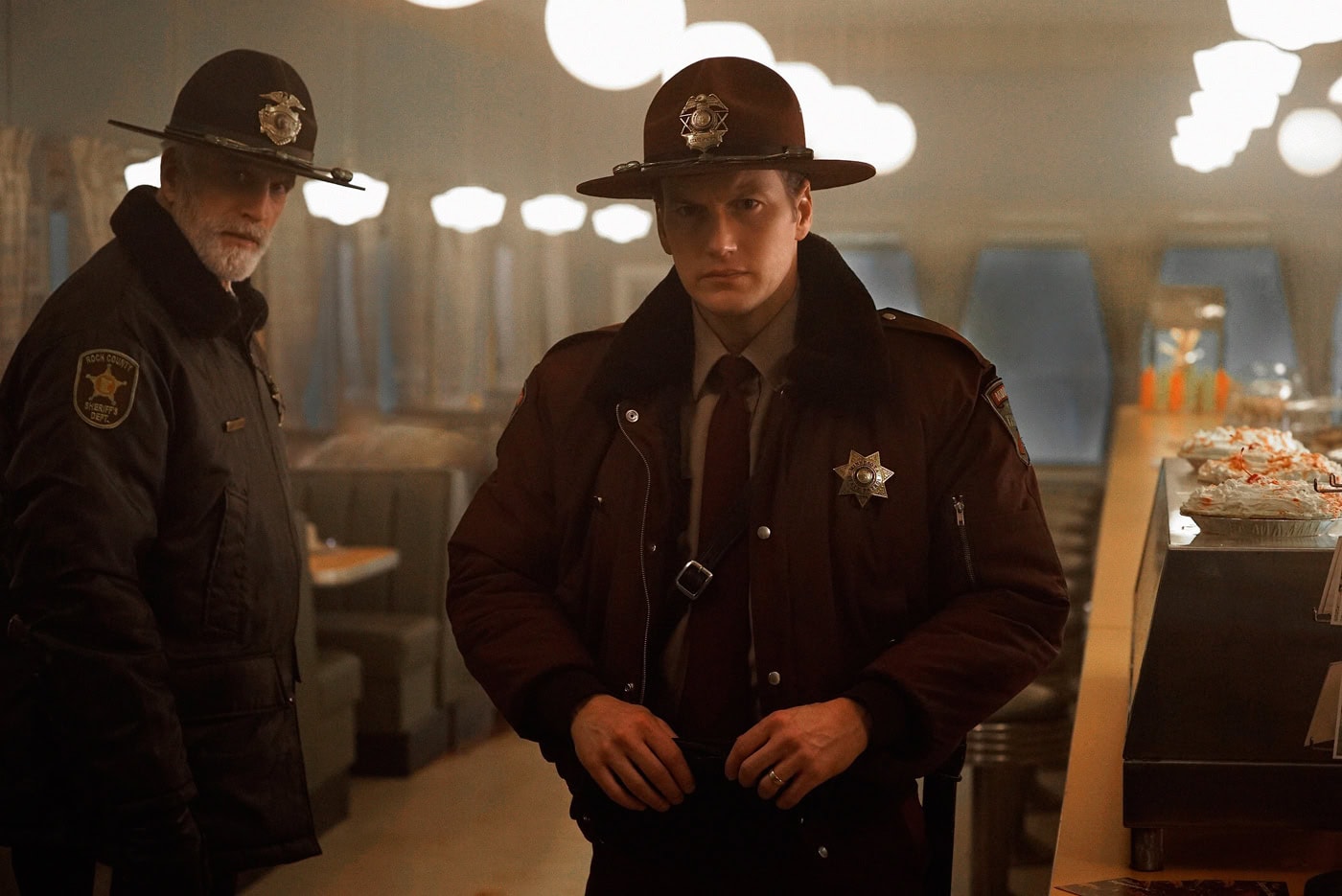
In this incarnation of Fargo, evil isn’t just expressed haphazardly or ineptly through accident or spontaneous acts of violence.
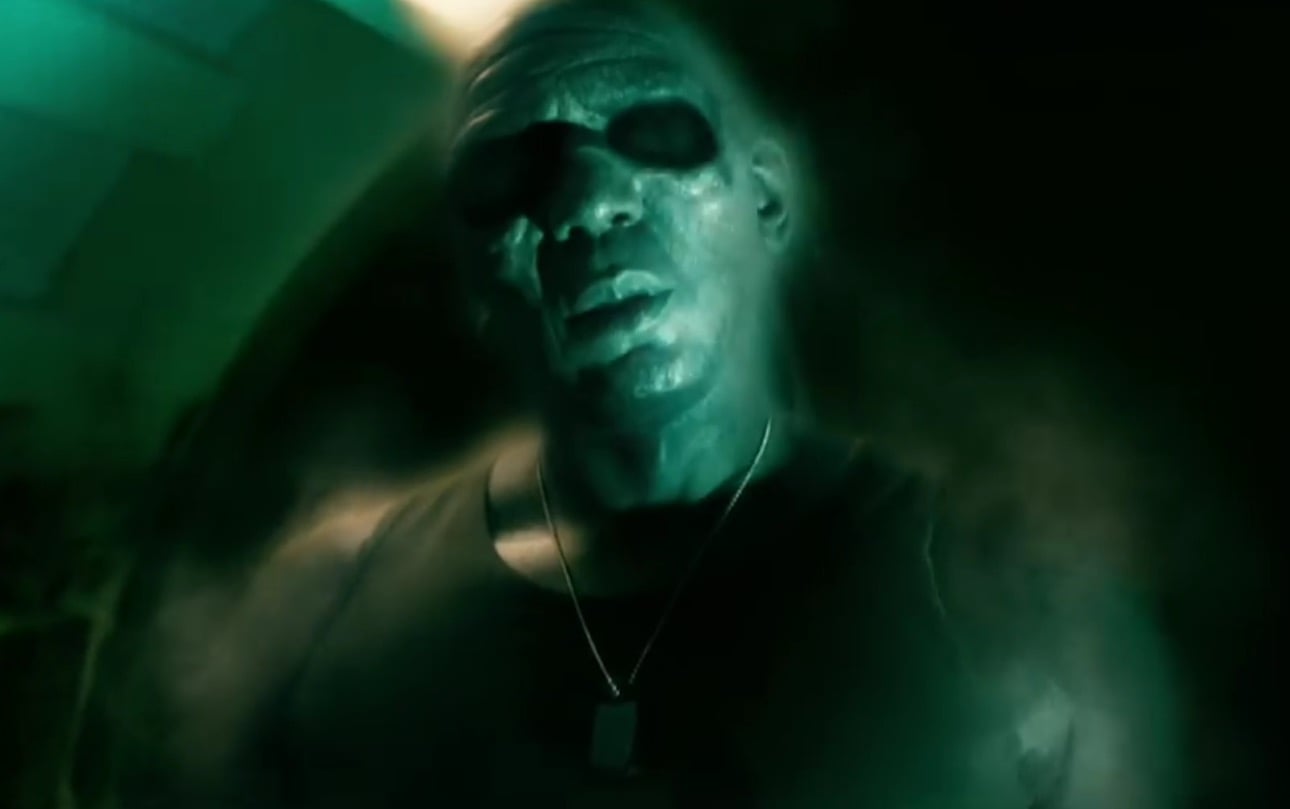
First-time director Daniel O’Hara creates a very convincing environment using mainly lighting effects, a constant low-key shimmering in the background always reminding us that we’re underwater.

Homeland is best when both sides are nuanced and evenly matched, and even better when the two are dangerously overlapping.
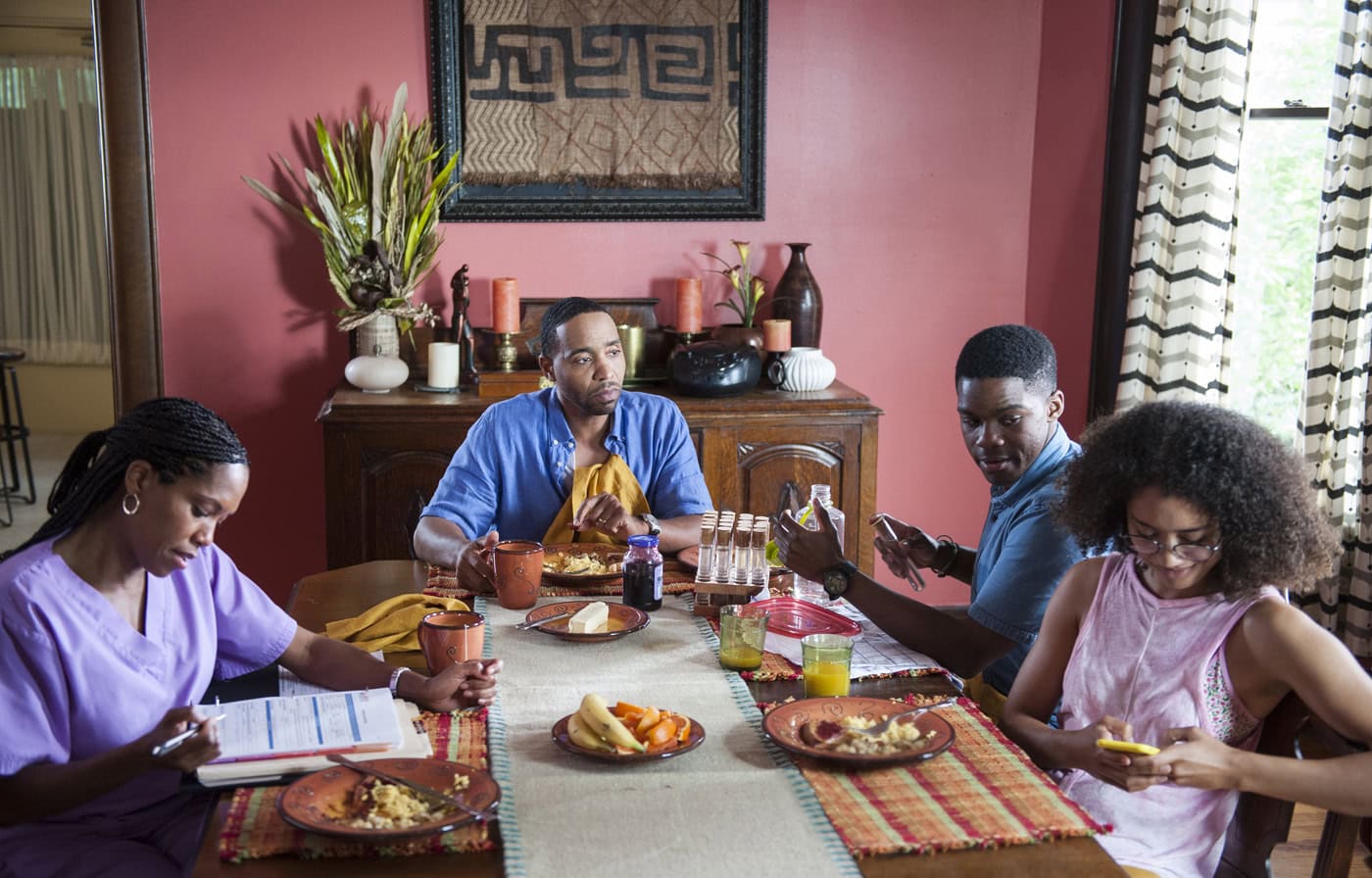
The season premiere functions familiarly as a laying of the groundwork for what’s to come, moving the plot pieces around to create sites for potential conflict.

Like the excellent fourth season of Homeland, season five suggests a politically wise and deeply skeptical update of John le Carré‘s very best spy-centric work.

When he’s on form, writer Steven Moffat is adept at constantly surprising the audience.
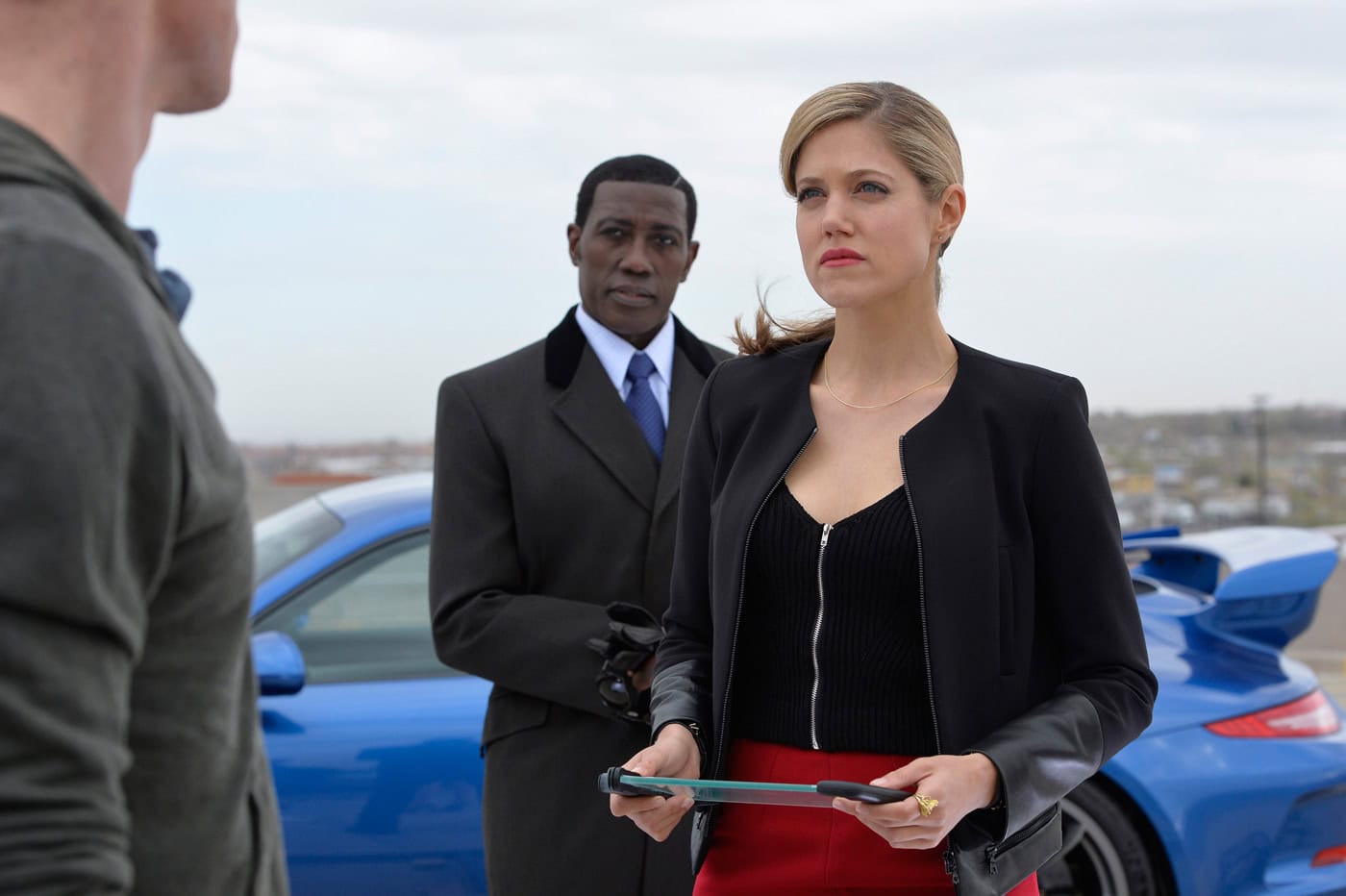
The Player is pulp trash with an admirable sense of its own disposability.
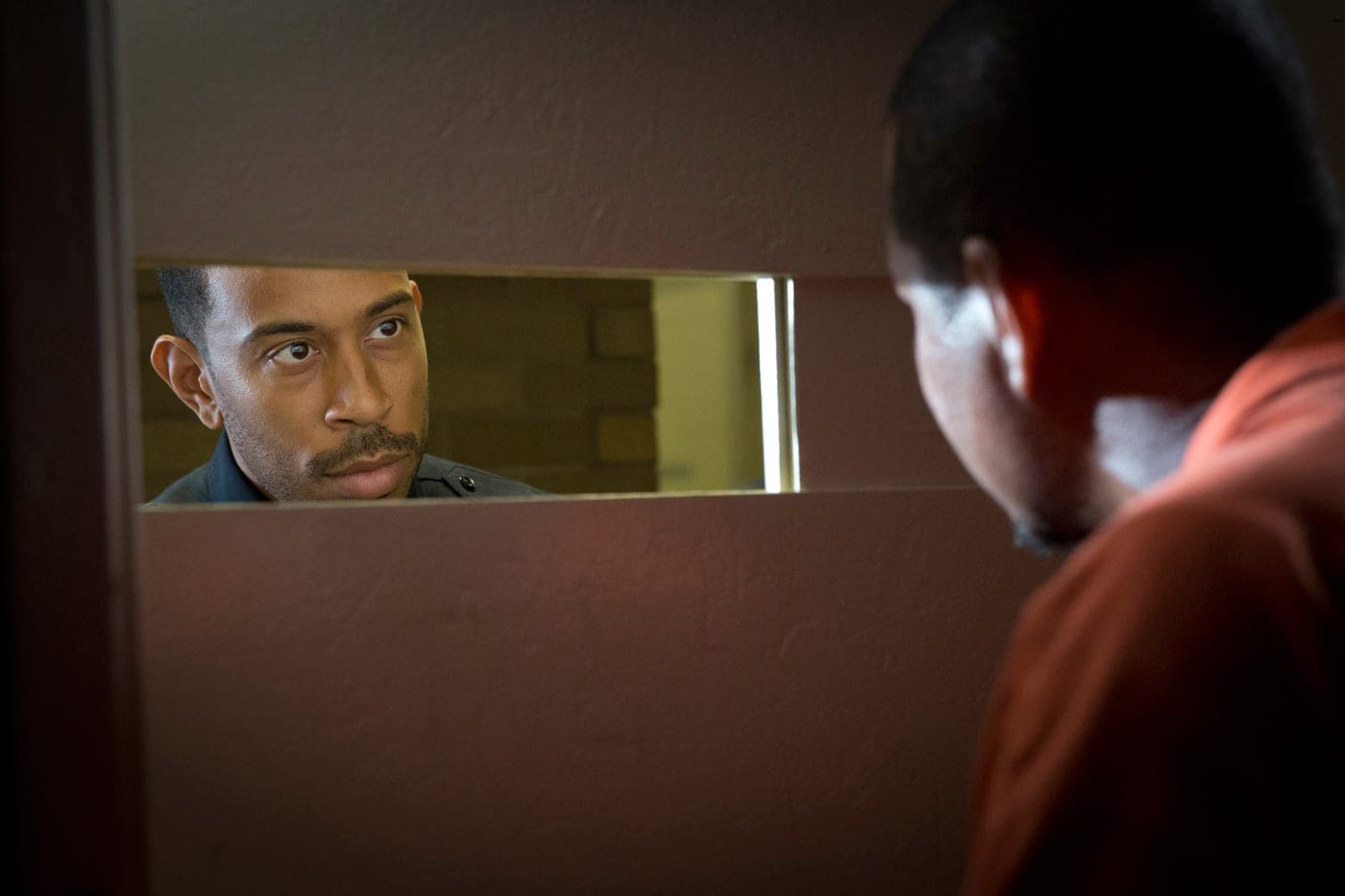
The series has brought the hedonistic, self-obsessed world of hip-hop braggadocio to vibrant, stylish life.