These shows prove the marathon-watching juggernaut’s concern for both quantity and quality.

These shows prove the marathon-watching juggernaut’s concern for both quantity and quality.

The series is funny, endearing, and studded with little truths about family life and race relations.

The Doctor’s barnstorming re-entrance is a hilarious moment of pure absurdity.
Its reverence for the material that inspired it undermines its own attempts to explore and build on that world.
The villains are vivid illustrations of Jean Renoir’s observation that “The real hell of life is everyone has his reasons.”

It’s another series about a hotshot something-or-other who plays by his own rules.

We have no doubt that we’ll be miffed by how some of these categories shake out on Sunday night.
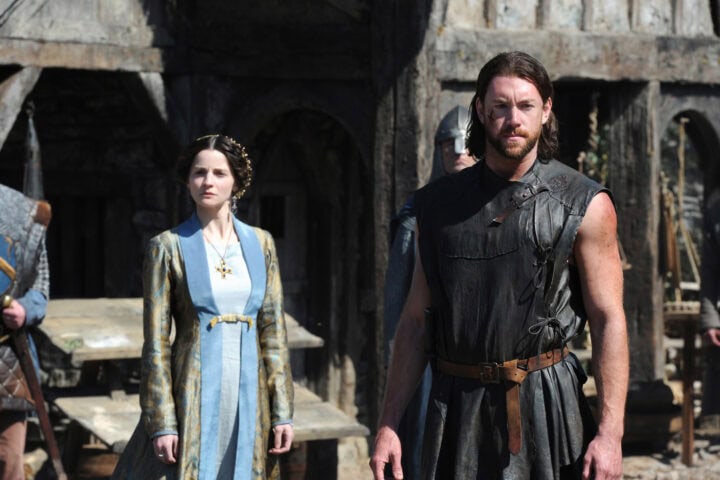
The series suggests a shallow sense of sophistication in its attention to not-so-well-known history.

In its seventh season, The League suggests little more than a variation of Seinfeld tailored specifically for jocks.

Like Lynch before him, Fuller has shined a light over TV’s capacity for eccentric, follow-thy-master poignancy.
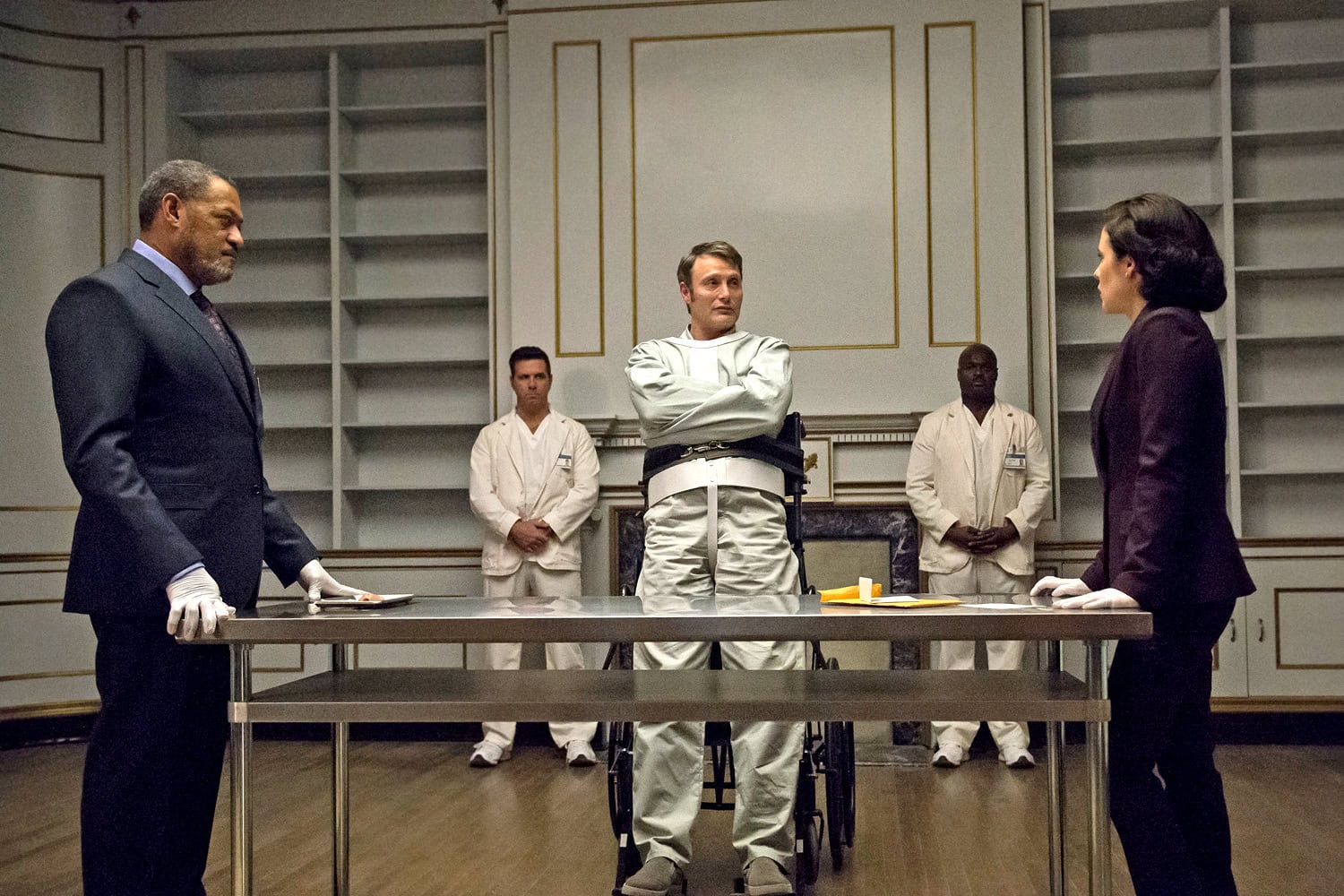
The dialogue is as polished, overheated, and savory as one can routinely expect from creator Bryan Fuller.

The series feels as if it’s half-heartedly leeching off of the style and themes of The Walking Dead.

The romantic subtext is the central emotional motor of the series, what keeps it from collapsing into absurdity.

The show is torn between Paul Haggis’s love of melodrama and David Simon’s fascination with the social governance.

True Detective’s first season had a methodical and measured approach to tracking its villain, but this season doesn’t know when to stop changing things up.

The episode is taken by “reality” as a terrifyingly fluid and elastic realm, dictated by the conditions of the fragile mind.
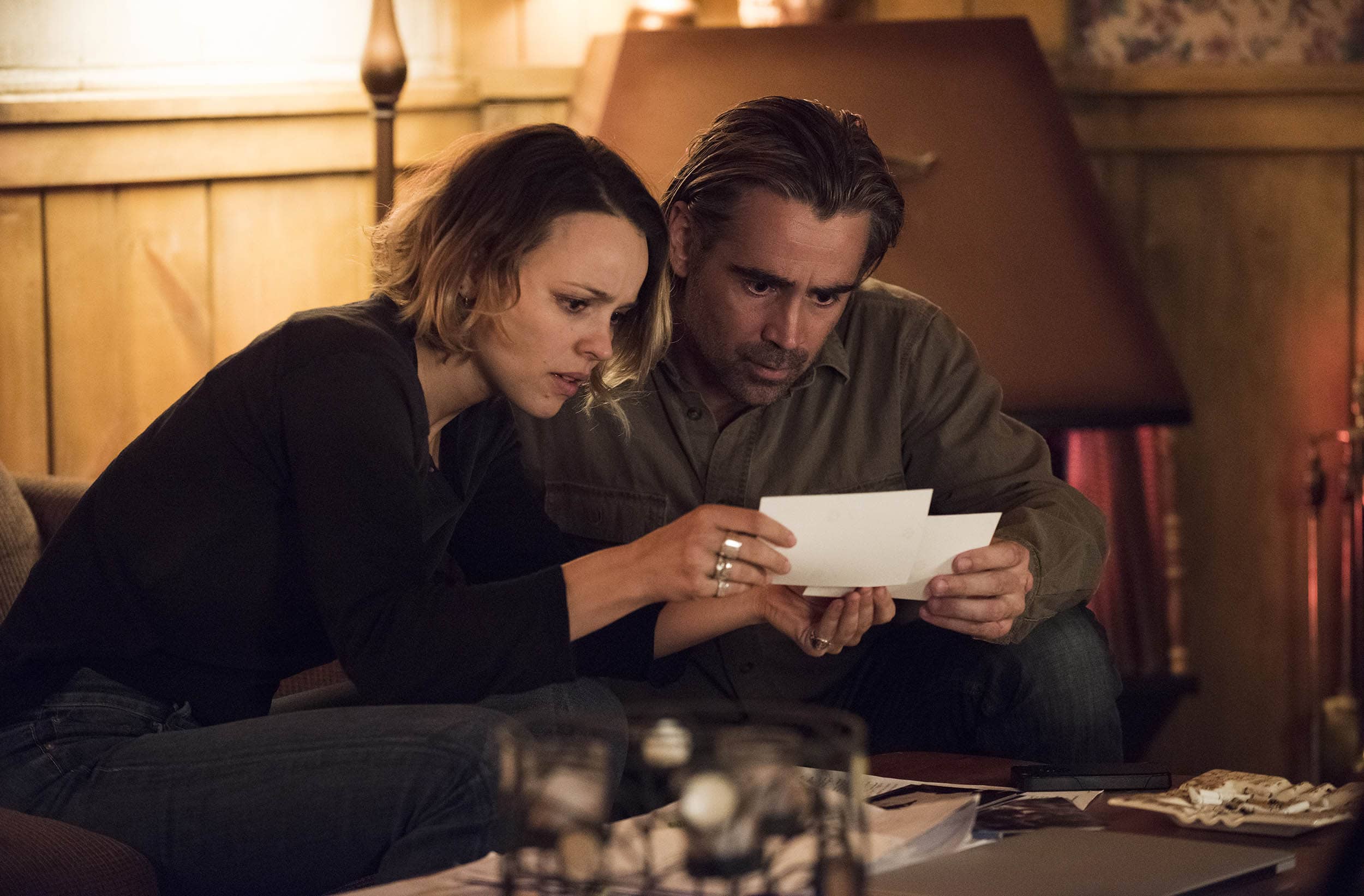
This is an irritating table-setting episode in which the characters constantly explain how the pieces fit together.
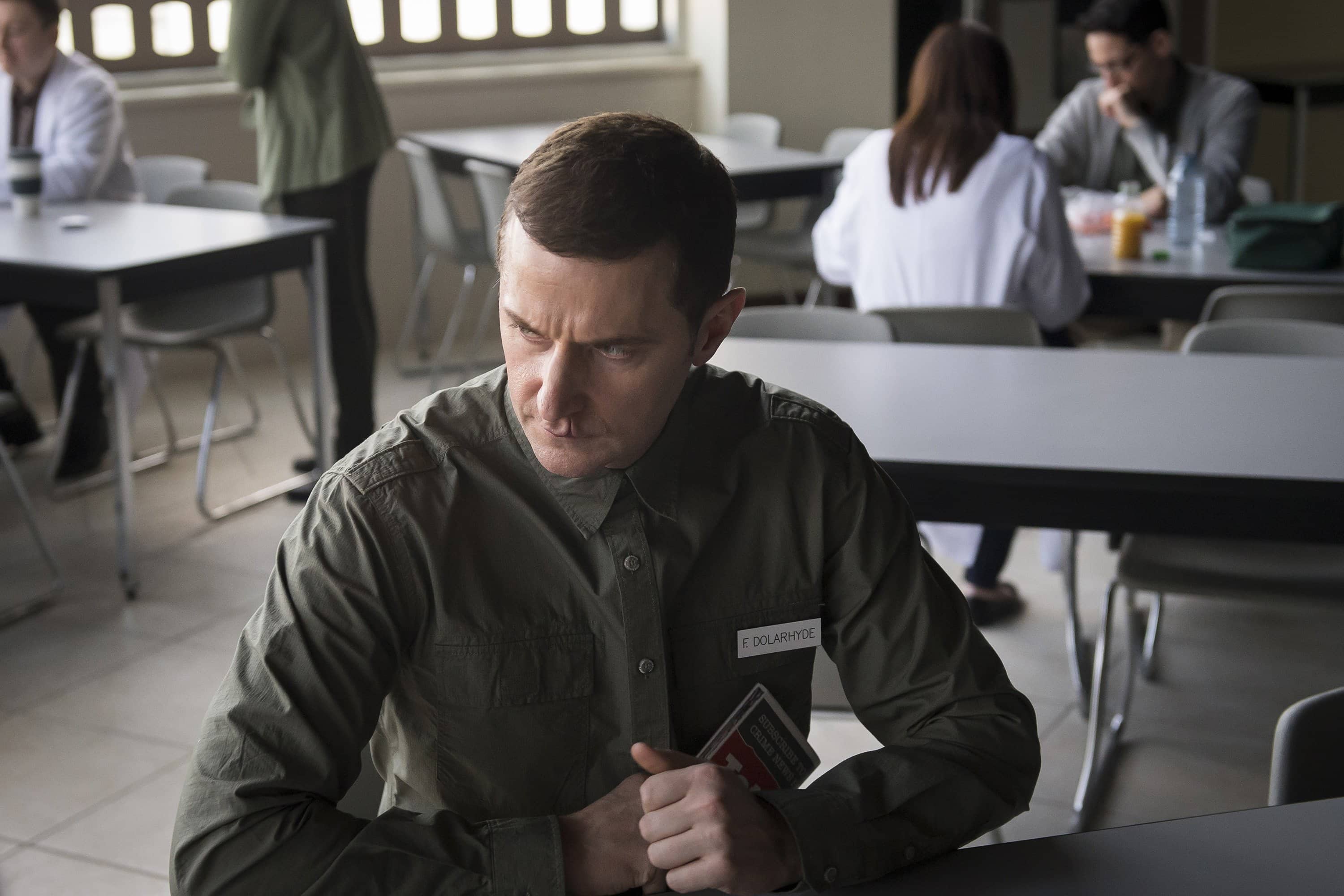
There’s quite a bit of accomplished, bitchy verbal game-playing in this marvelous high point of an episode.

Everything you need to know about the inconsistencies of the show can be summed up by the two standoffs that occur in this episode.
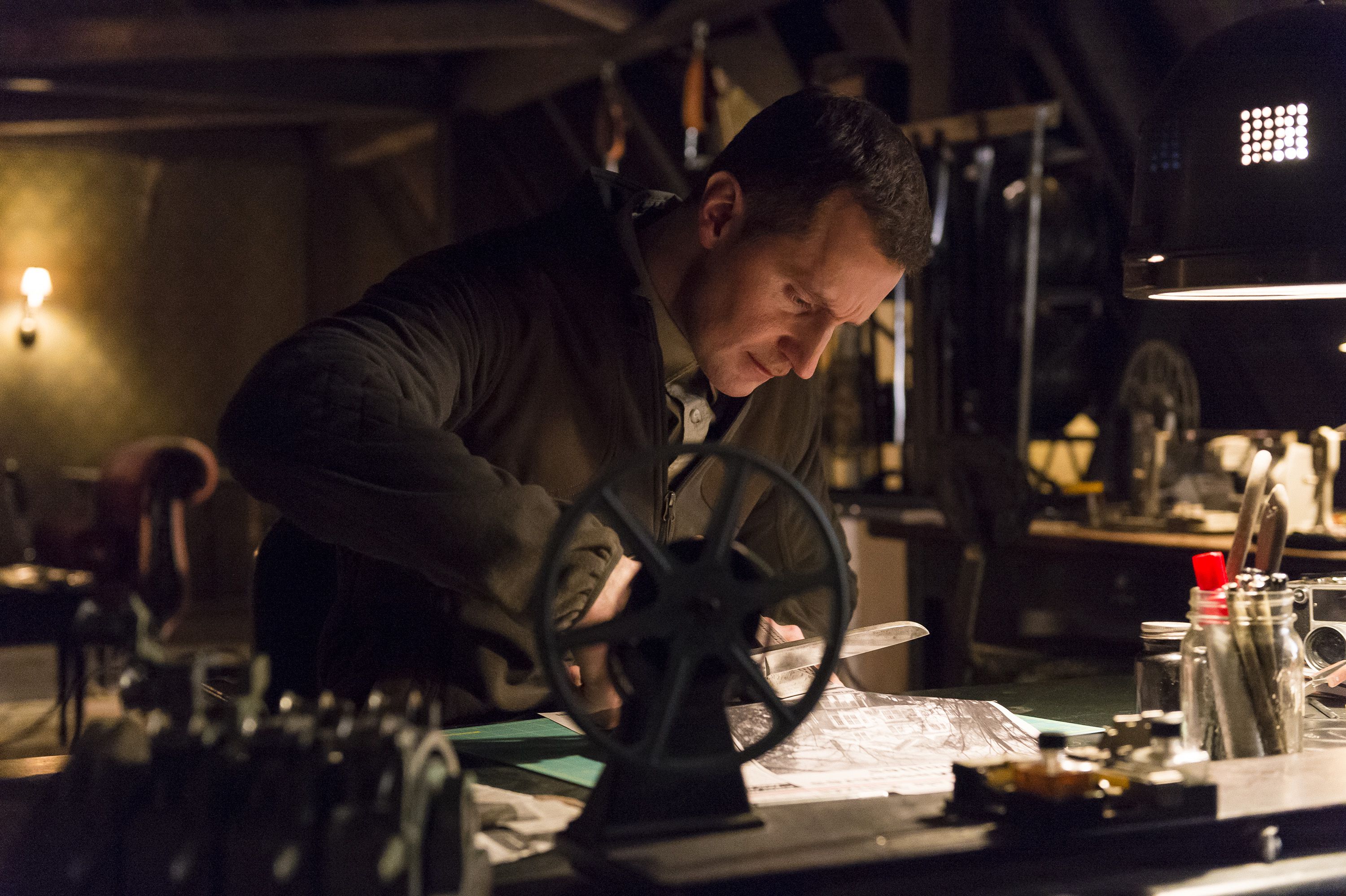
Francis is imprisoned like most of us within a version of life produced by his mind.

It feels like a nostalgia trip, less for the era in which it’s set than for the original film that spawned it.