The series is a polished genre exercise with characters that feel like predigested tropes.


The series is a polished genre exercise with characters that feel like predigested tropes.

Olbermann isn’t a prophet any more than Howard Beale was—he’s merely a man saying what’s needed to be said for years.
Nobody on the series seems to have a conception of life outside of his or her own head.

Lost doesn’t just name check the pop culture phenomena that have inspired and co-exist with it.

The laughs hurt.
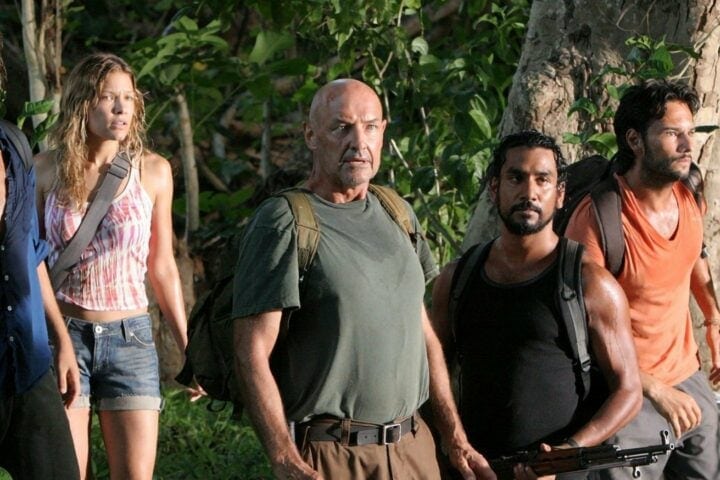
The Others might be terrorists, but they have families, homes and moments of humanity just as real as the show’s protagonists.
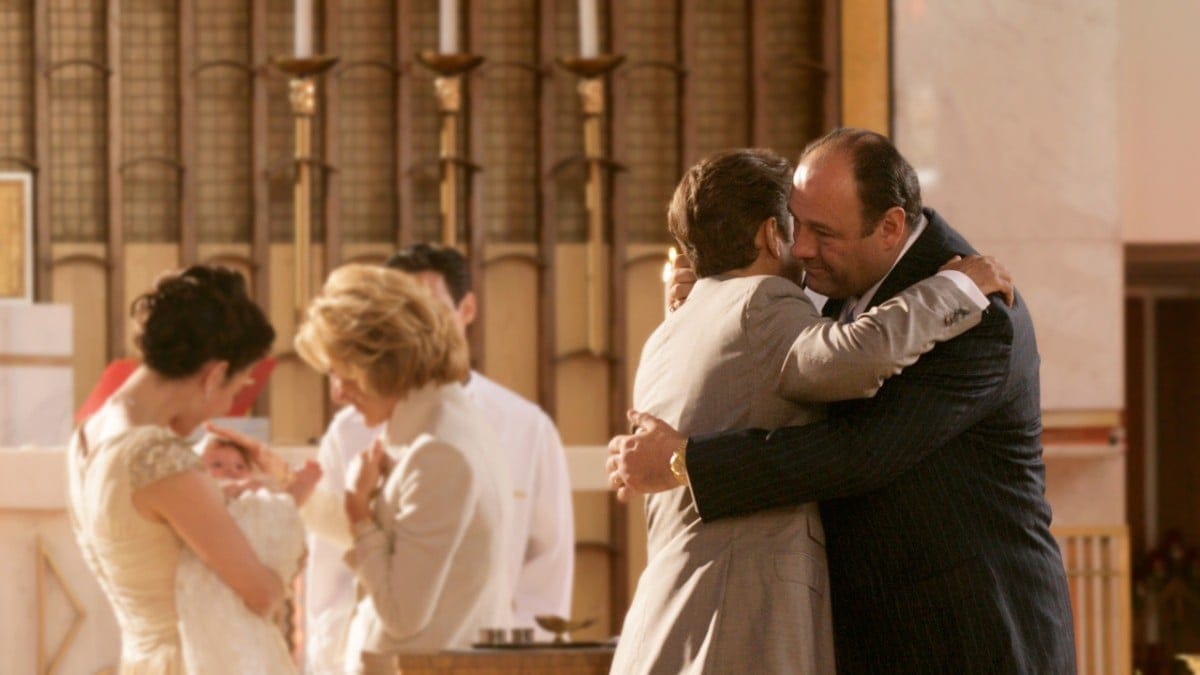
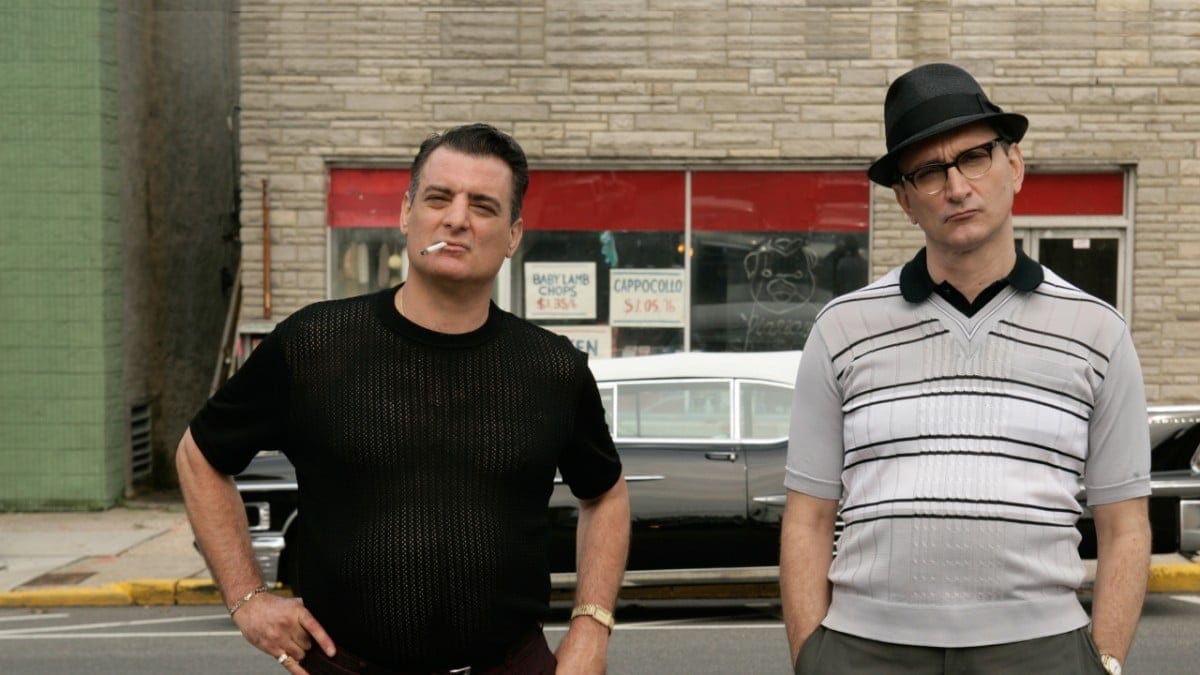
Is it possible that The Sopranos judges itself as harshly as the harshest critics judge The Sopranos?
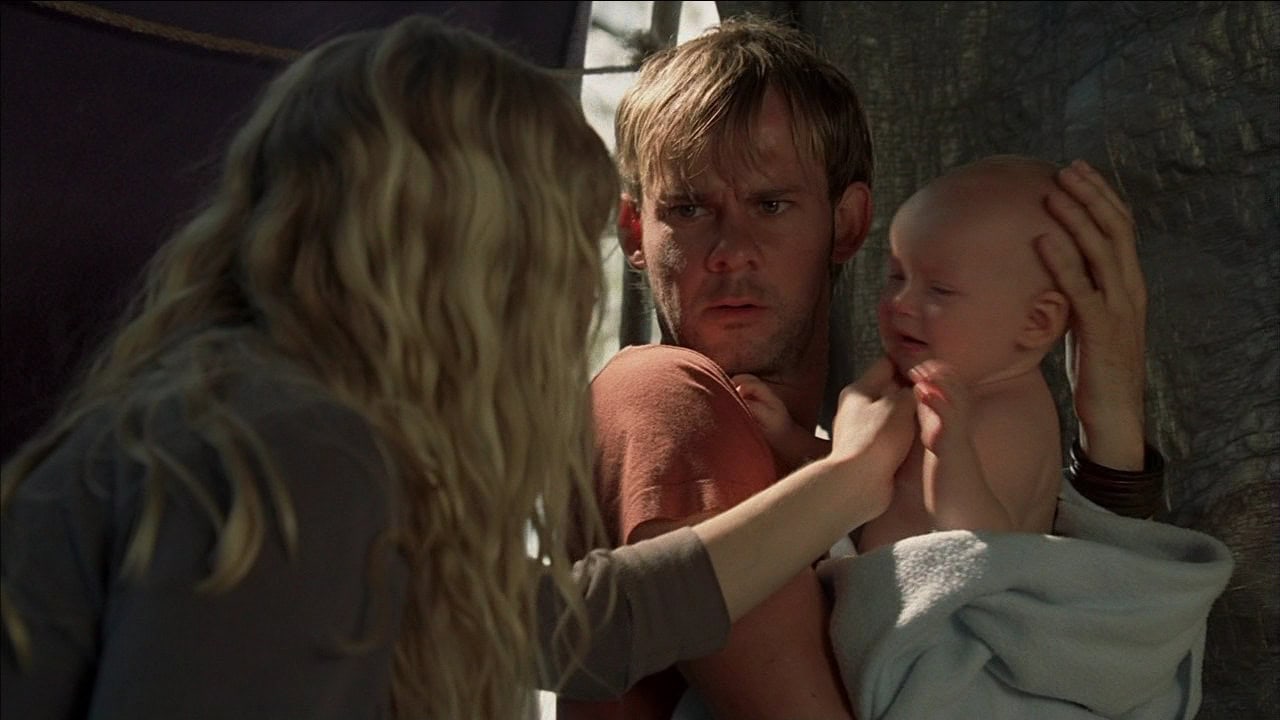
Another episode of Lost, another con artist in our midst.
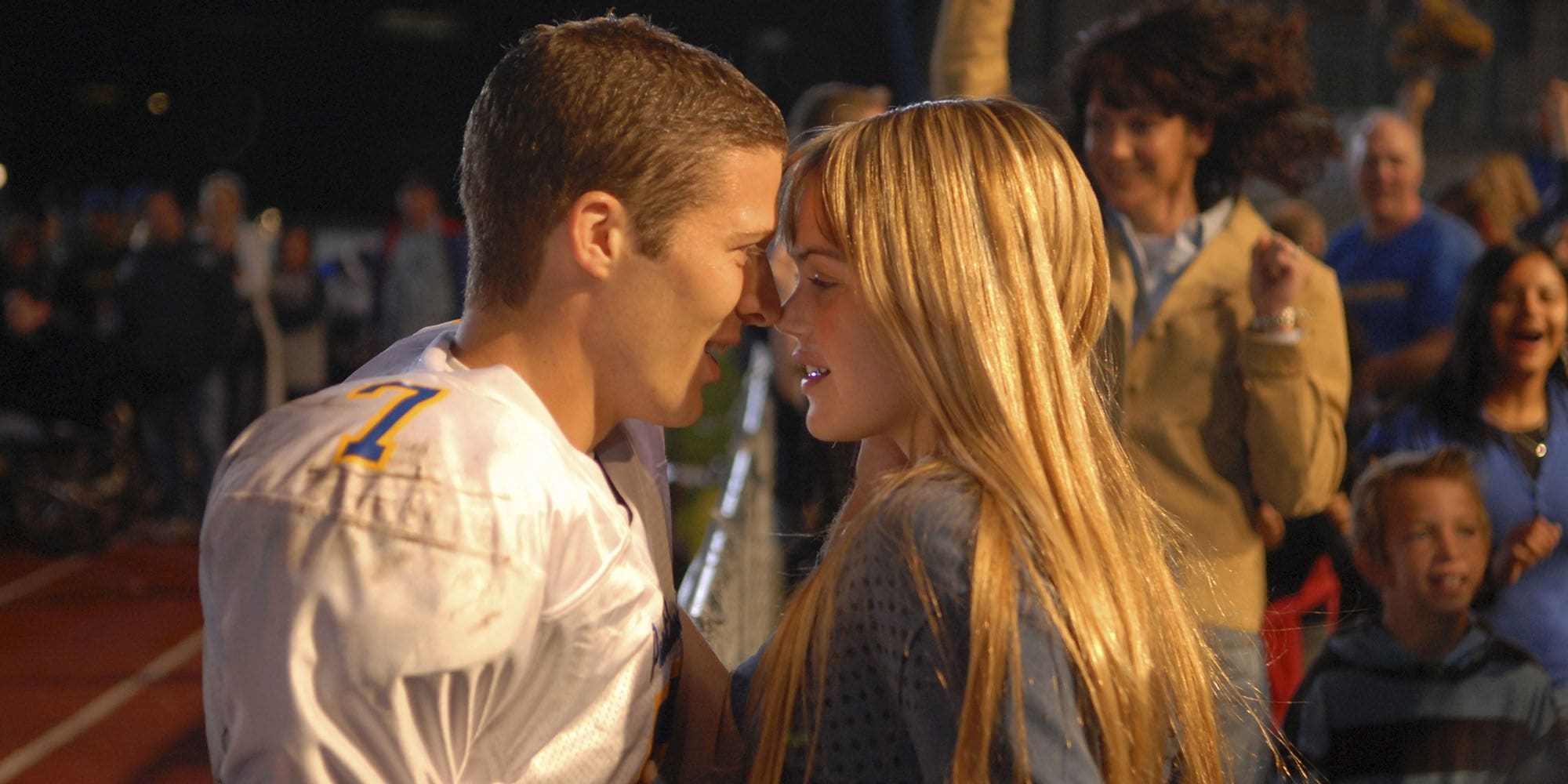
It’s easy to see why Friday Night Lights would make someone nervous.
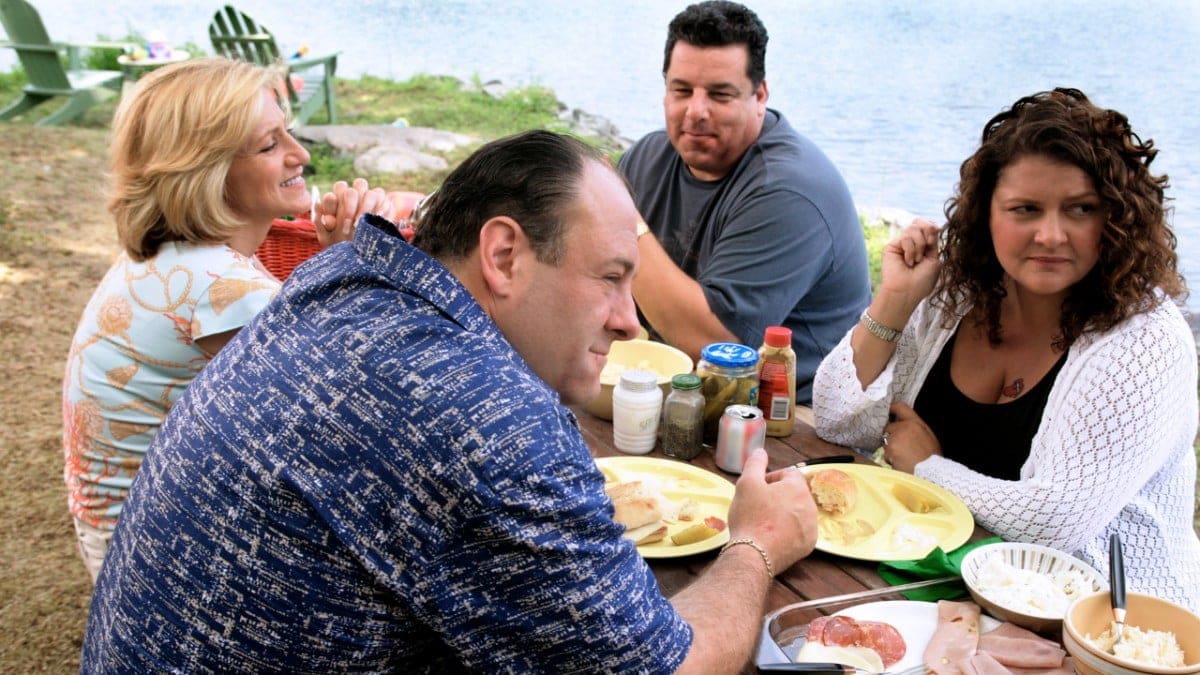
On the show, when a character compliments another character on bettering himself, or simply changing, it’s usually a sick joke.

David Chase knows that the sensuality of pop music and movies and the guilt of pretending to be a good Catholic boy are forever tangled up.

Fans of the show (and other fictional mob characters) often lack a true understanding of the mafia’s history.
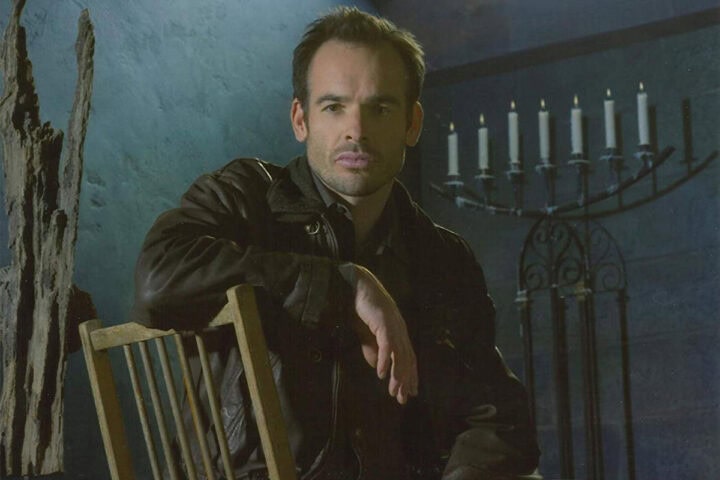
My personal observation is that SciFi jumped into the series without proper viewer preparation.

A common knock against Lost is how much of a boy’s club the show is.
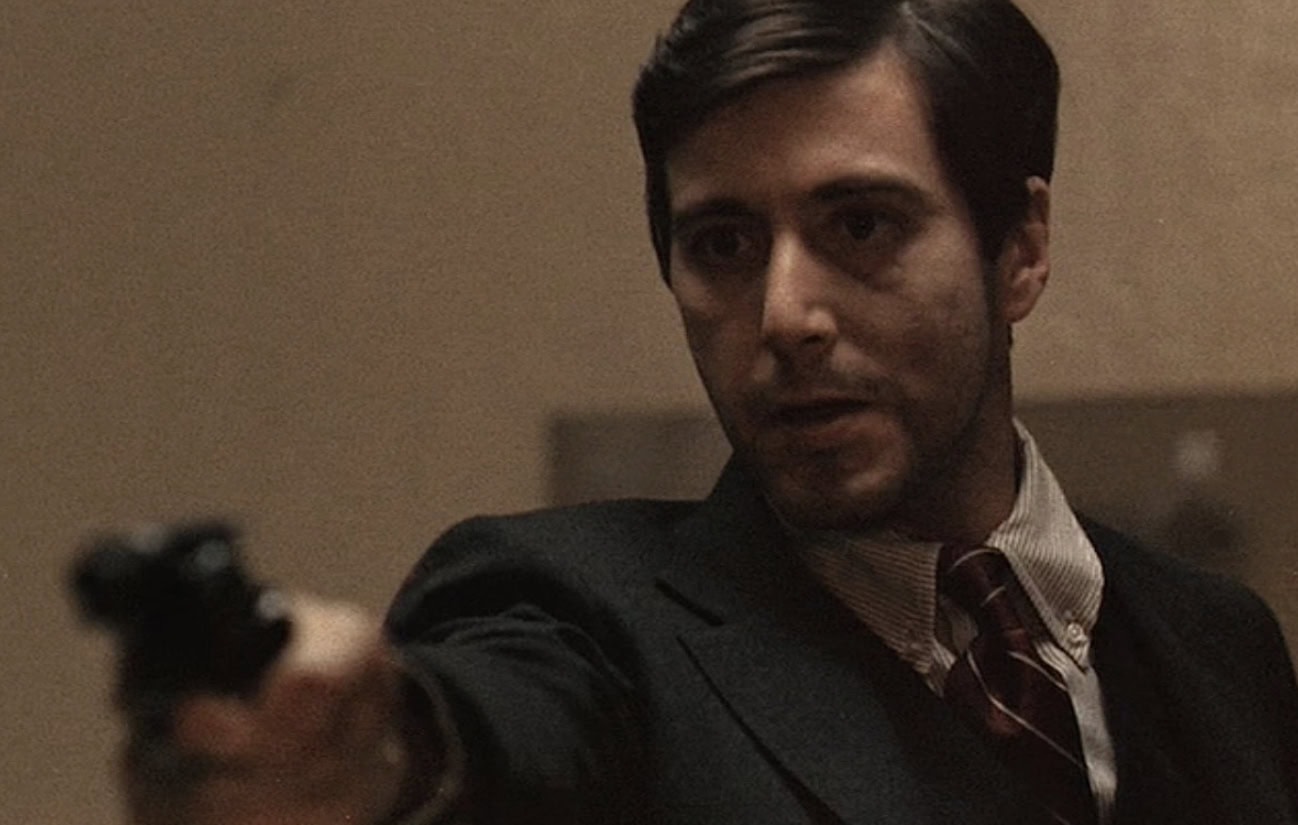
It’s worth considering where The Sopranos fits in the pantheon of great mob stories that have been committed to film.

Much of “Christopher” seems more appropriate for an op-ed piece than as a crucial hour in a terrific episodic television program.

The first six episodes of The Shield’s sixth season build to a scene that we’ve seen coming from the very beginning.

The series thrives on unpredictability, but Janice can always be counted on to do exactly what Janice would do.

Some may complain that his work is too esoteric, but it’s unsettling, because it it’s more familiar than we’d like to admit.

Despite his many years of service, Paulie has never gotten the bump he feels he deserves.

If you don’t already know what to expect from The Tudors, the credits will tip you off.