In its final season, the series struggles to cook up something fresh, but it’s still hard to resist.


In its final season, the series struggles to cook up something fresh, but it’s still hard to resist.
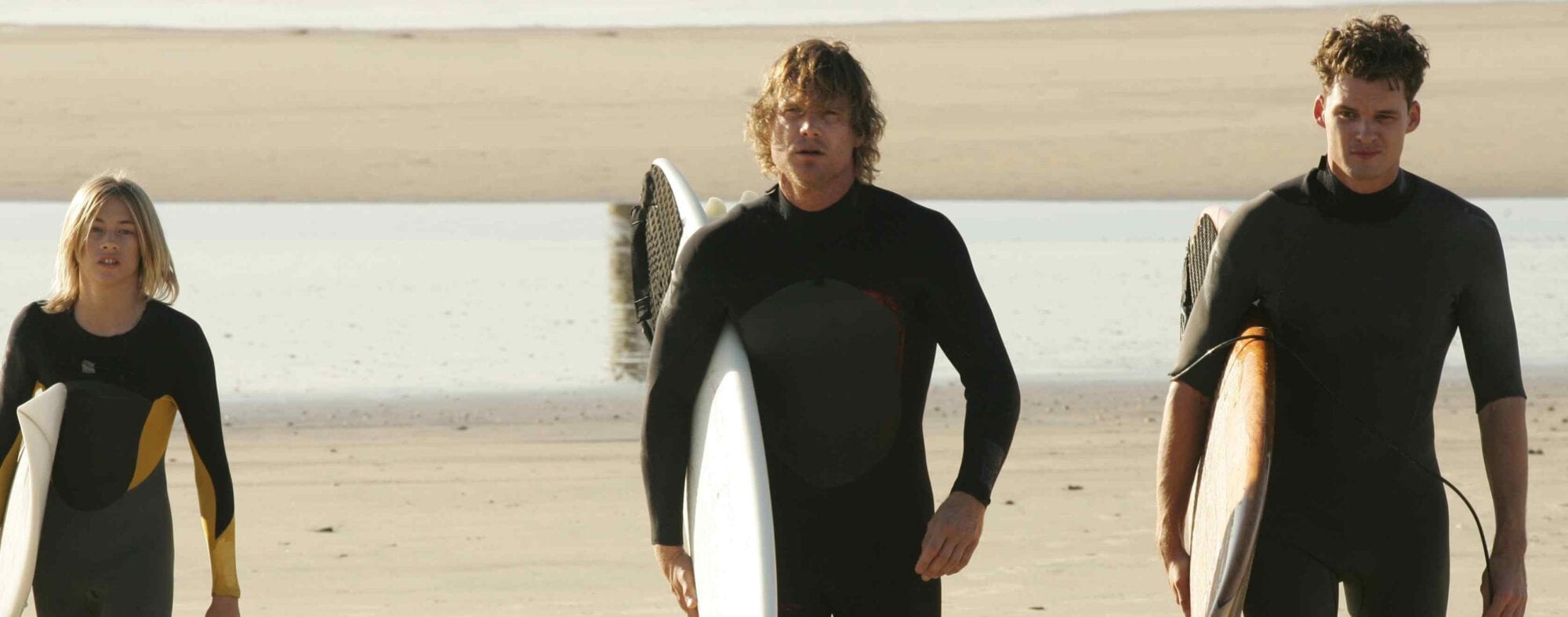
Maybe the problem with John from Cincinnati is its miscalculated sense of center.

What the hell did people expect from David Chase? Closure? Satisfaction? Answers? A moral?

For now I’ll just say that in the first five episodes of the HBO drama’s second season, it has evolved from a damn good show to a nearly great one.
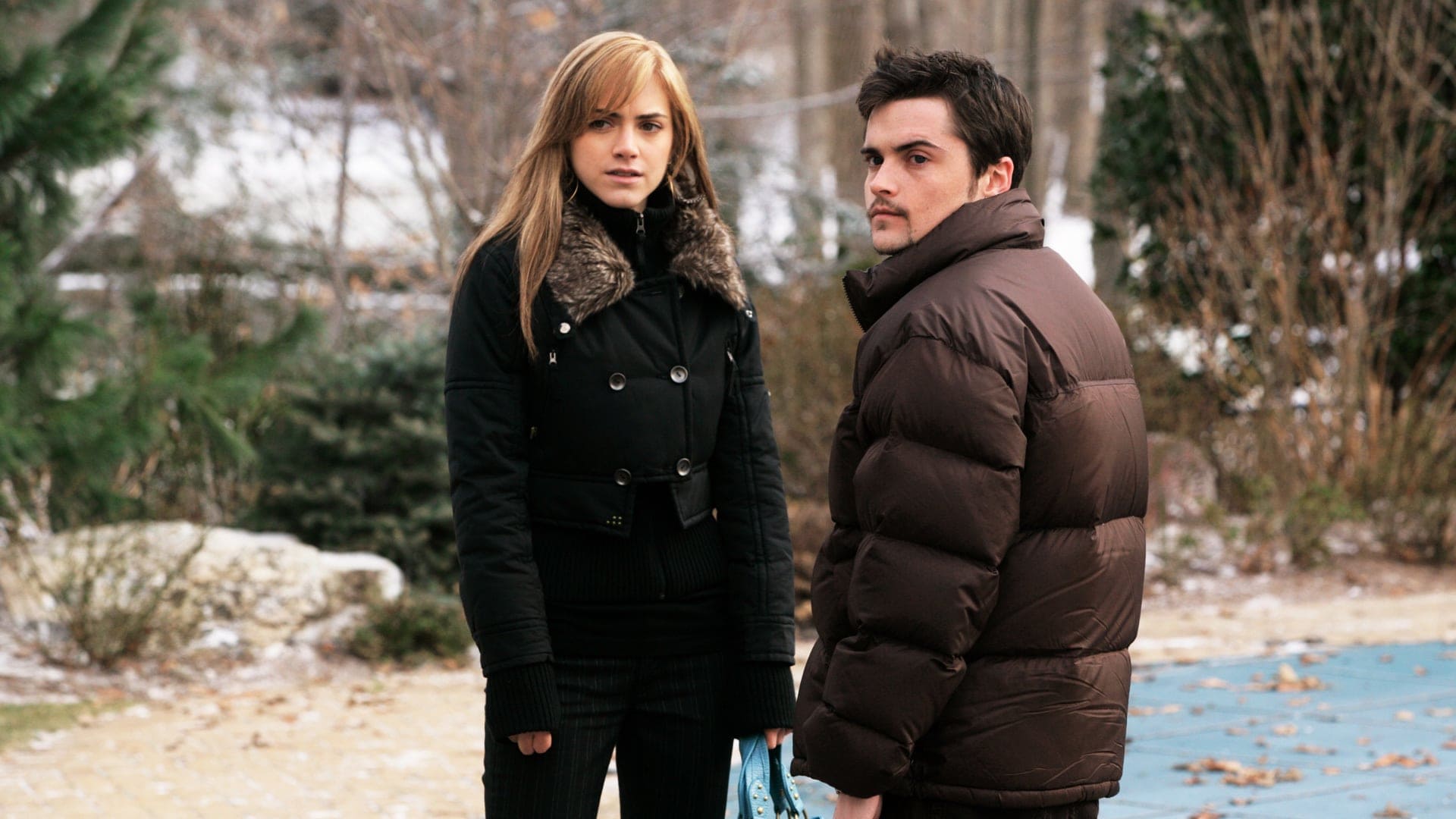
David Chase is the king of the double-reversal.
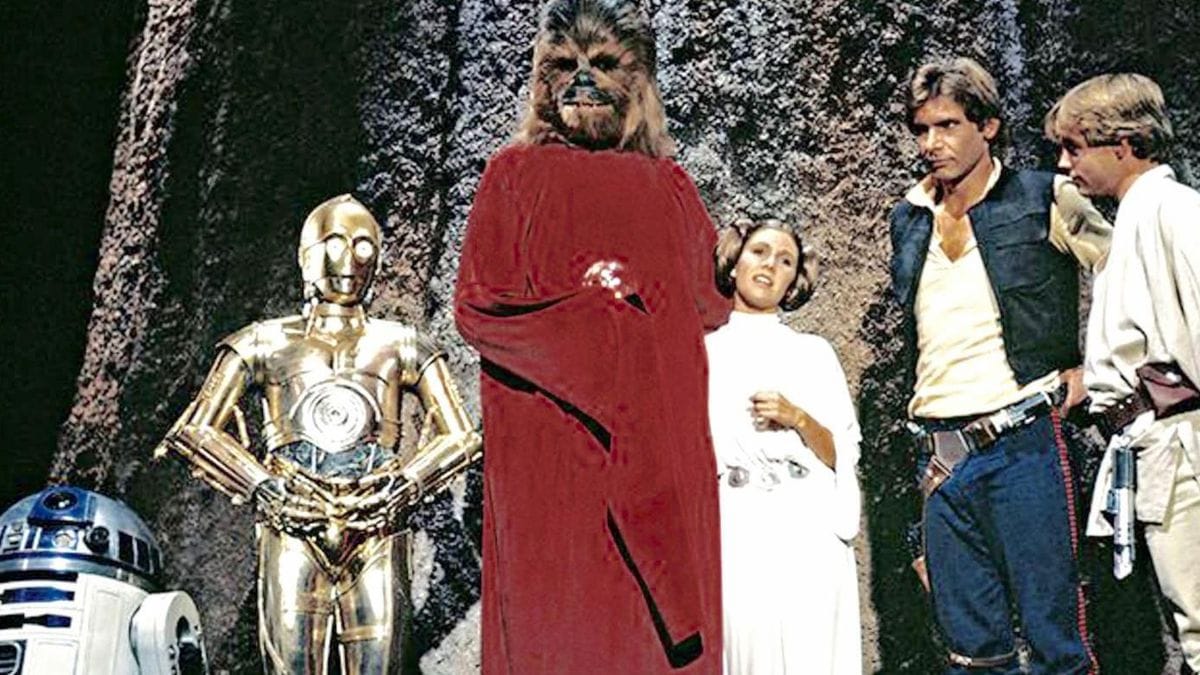
Merely imparting the experience of watching the The Star Wars Holiday Special is a daunting task.
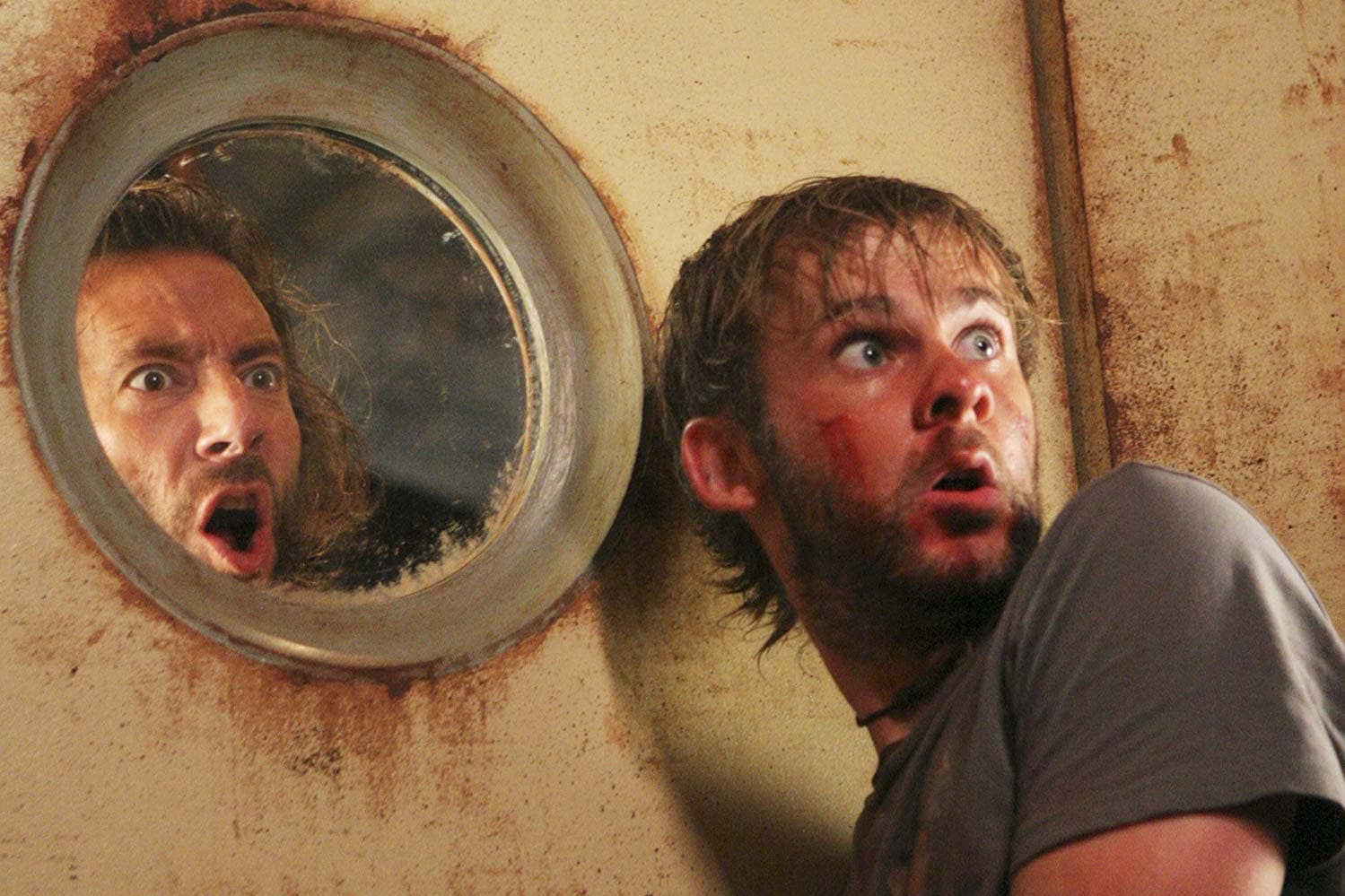
Those looking for definitive answers from their television viewing have probably long given up on Lost.
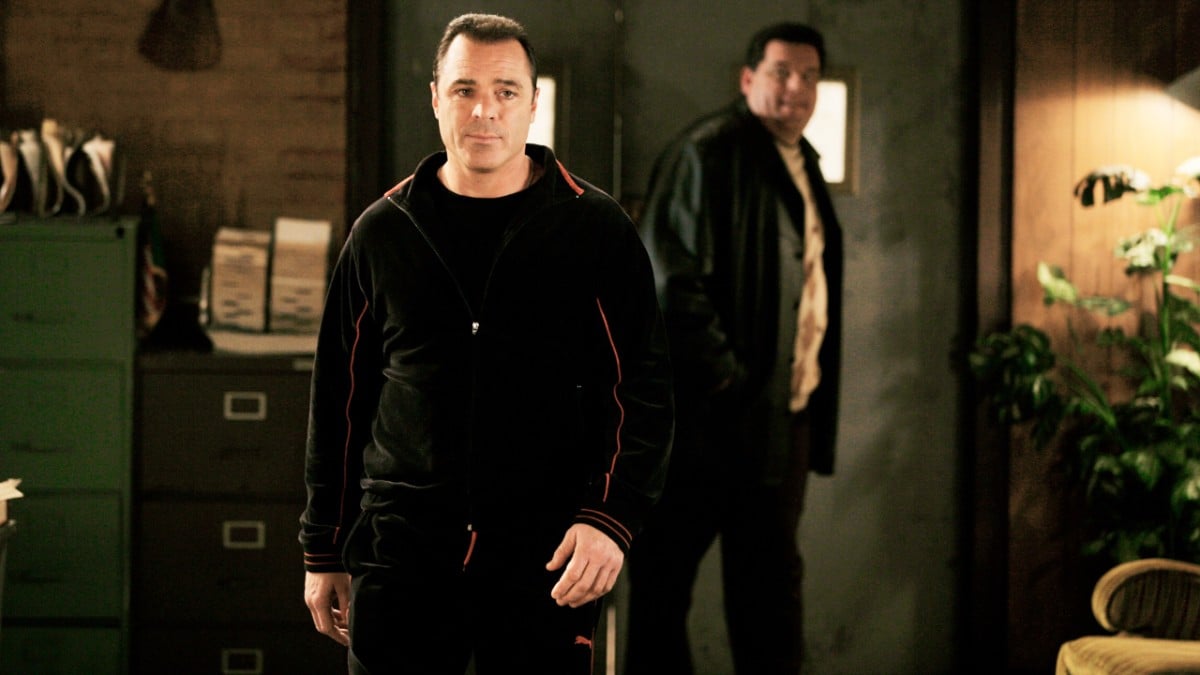
The Sopranos is not, and never has been, an either-or kind of show.

Last Days of Left Eye illuminates much more than just the final days of Lisa “Left Eye” Lopes’s life.

“Greatest Hits” is the closest Lost has come to a perfect episode since its pilot.

Gilmore Girls had its flaws, but it was mostly a vision of what we might like America to be.

The Sopranos is set in a universe where good and evil have renamed themselves principle and instinct.

Like the show’s viewers, Locke is justified in his cynicism, even after bearing witness to a seemingly paranormal event.
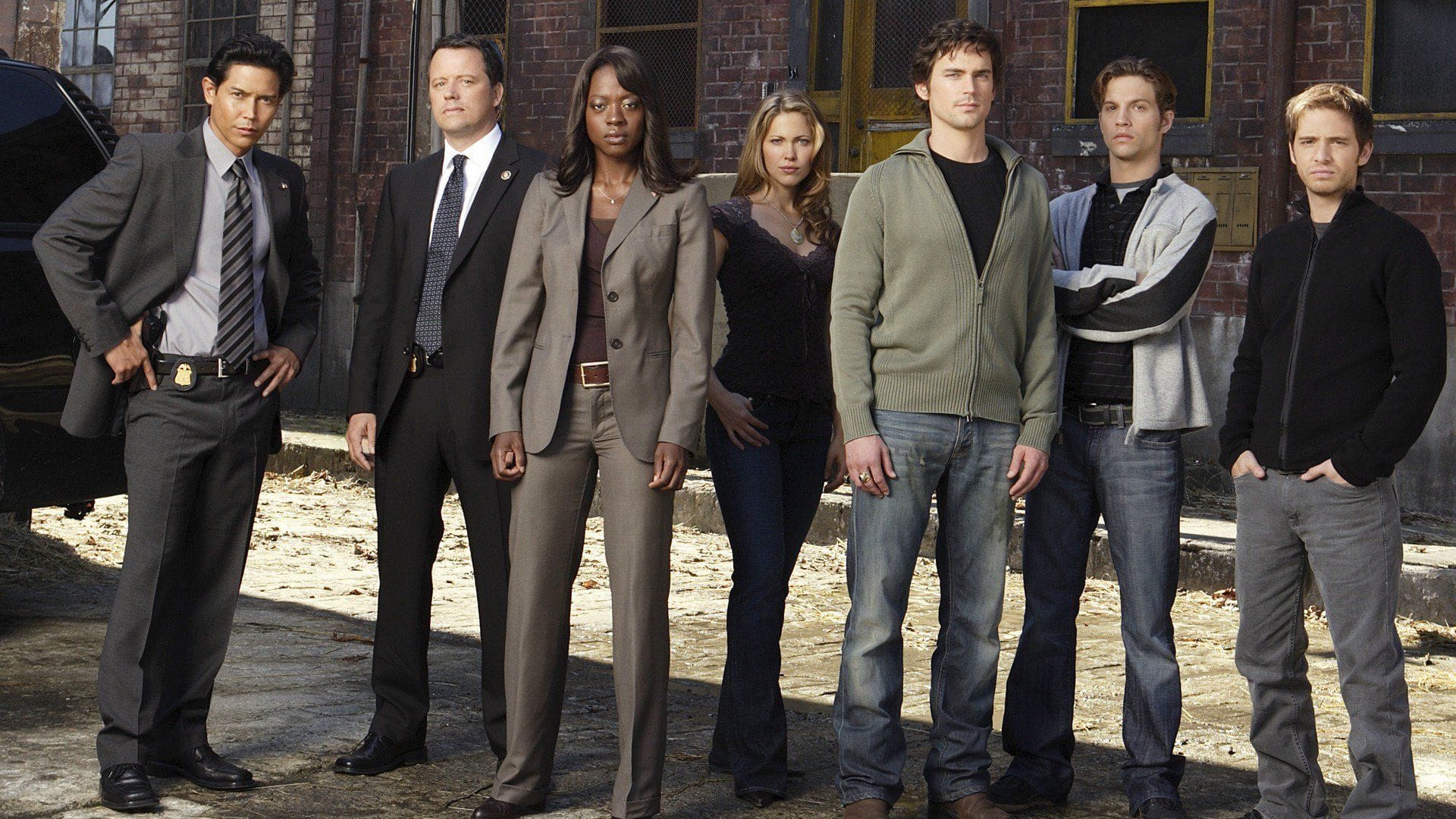
Traveler is a lot of fun, but it exposes one of television’s weaknesses as a medium.
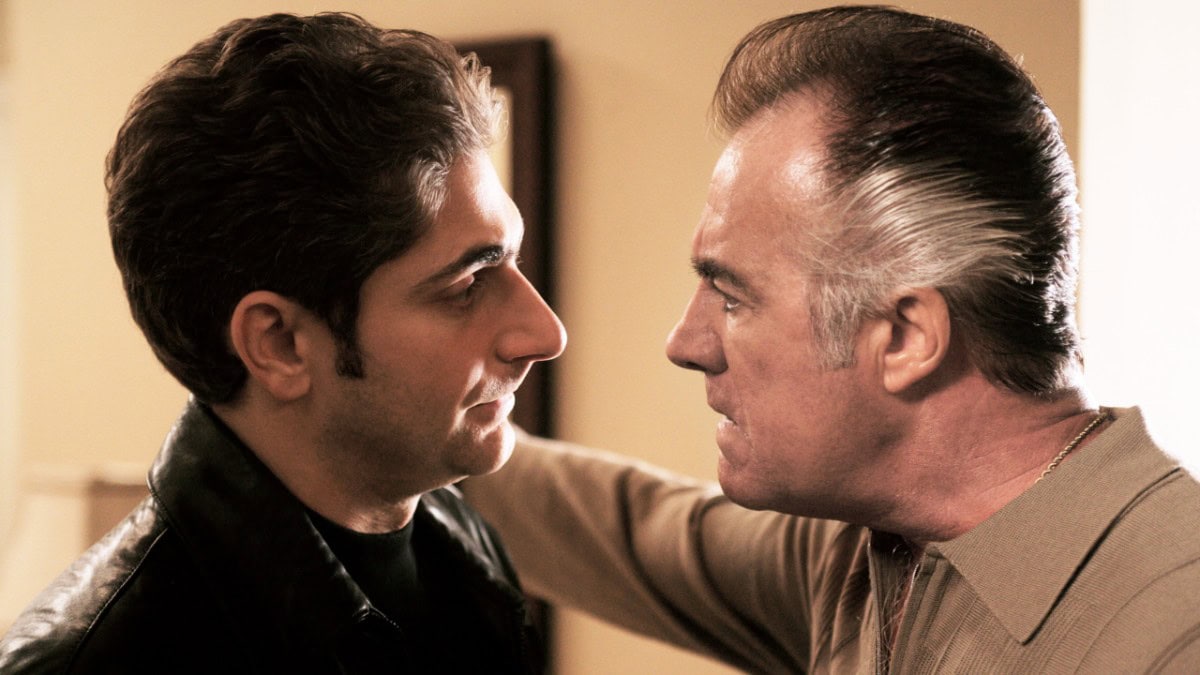
Written and directed by Terence Winter, “Walk Like a Man” came close to being all things to all Sopranos viewers.

Grey’s Anatomy and Entourage, two shows of the moment, would seem to have little in common.
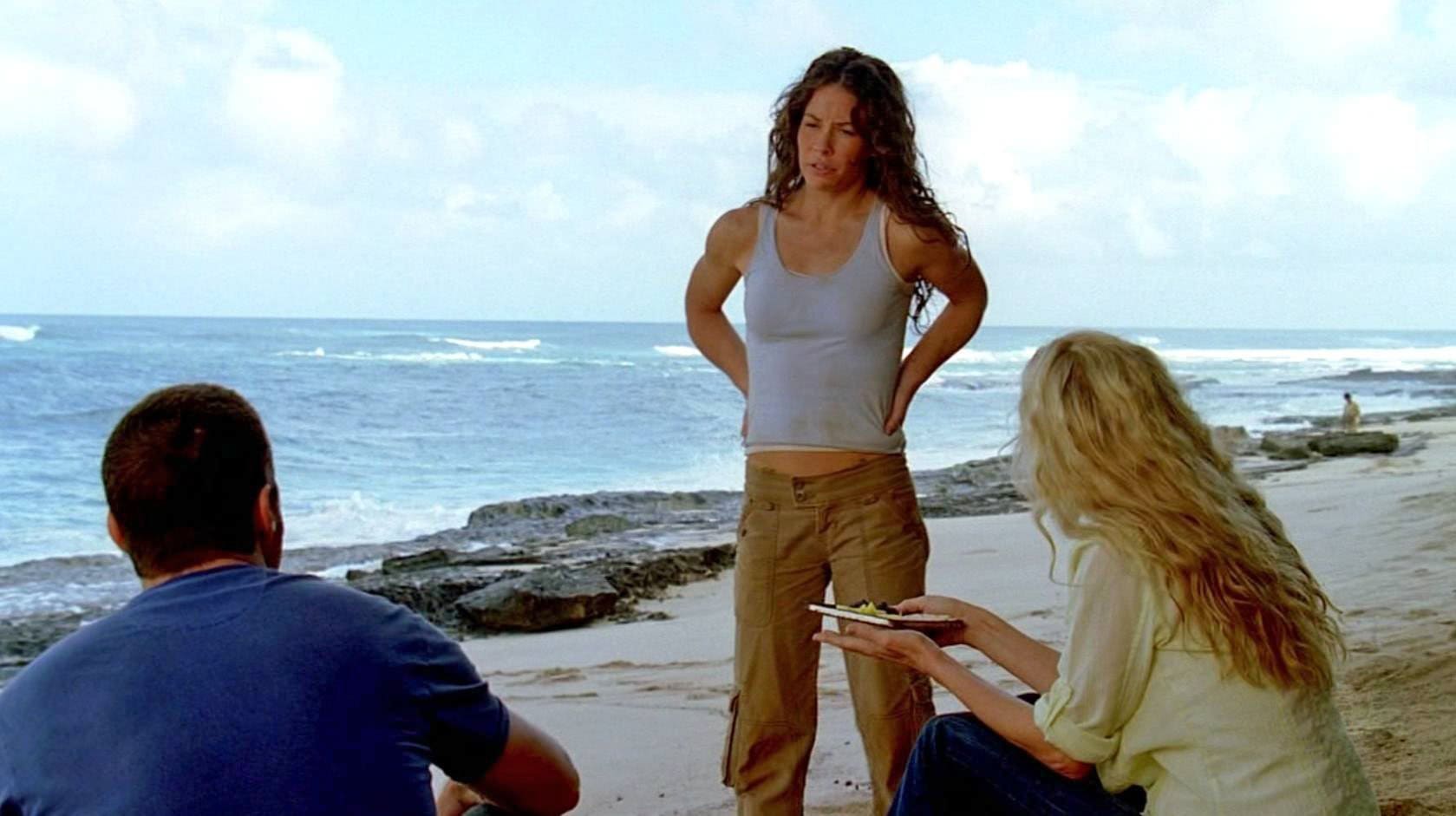
Lost’s viewership is more savvy than most.

This is what Tony Soprano talks about when he talks about happiness.

On paper, The Mormons sounds about as thrilling as mandatory Bible-study class.
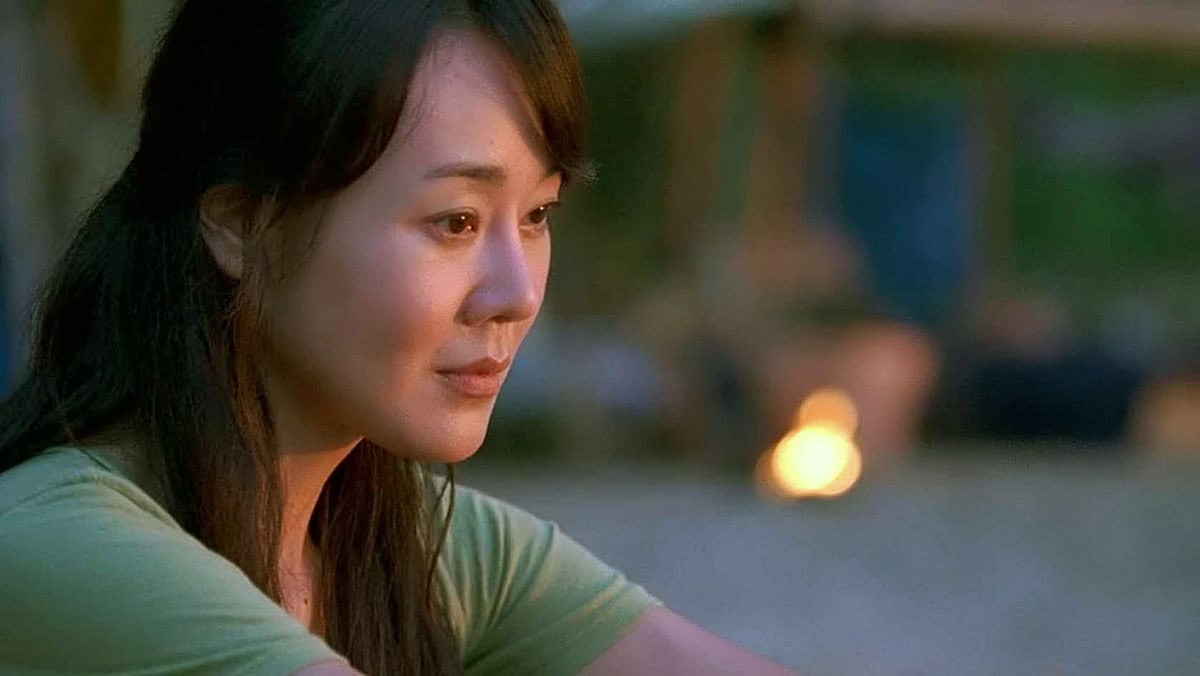
Sun and Jin’s entire relationship can be distilled down to maintaining appearances.

Olbermann isn’t a prophet any more than Howard Beale was—he’s merely a man saying what’s needed to be said for years.