The singer has yet to discover a sound or sensibility that truly distinguishes her.


The singer has yet to discover a sound or sensibility that truly distinguishes her.
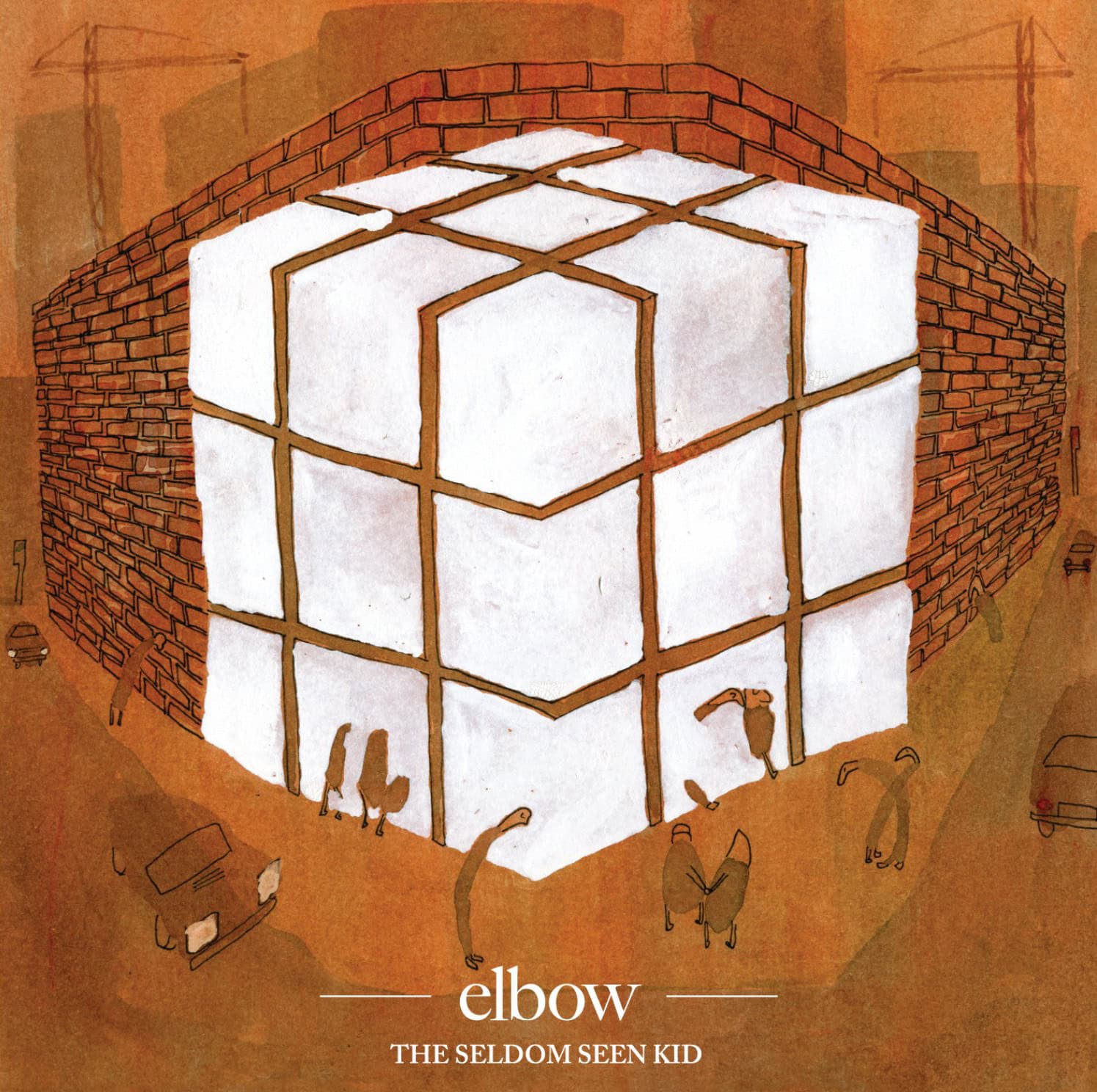
Elbow’s Guy Garvey fancies himself a man of importance on The Seldom Seen Kid.

Bittersweet World is another step in the right direction for Ashlee Simpson.

The Bristol trip-hop pioneers’ Third is starker, leaner, and more dissonant than its immediate sibling.

Robyn is definitely a slow-burner, but it’s also everything pop music should be: provocative, poignant, inventive, and fun.
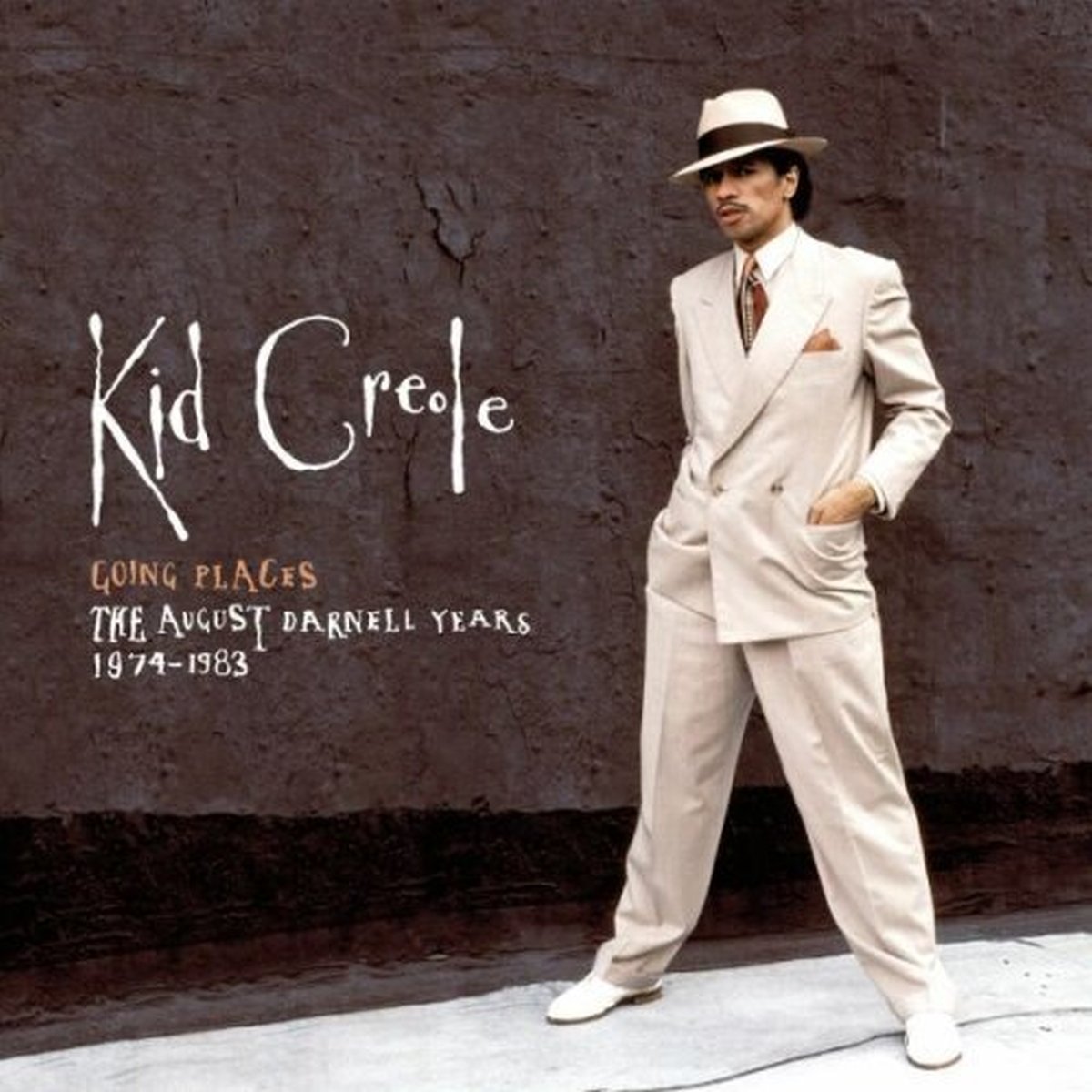
August Darnell’s best work as represented in this compilation resonates with the sort of truthful empathy one has to earn.
Even if Moon Safari isn’t exactly a challenging listen, it’s an endlessly gorgeous one.

Do not buy Cut and Run, but consider downloading “Faith, You Changed Your Name.”

There are quite a few moons on Dig!!! Lazarus Dig!!!, the 14th Nick Cave & the Bad Seeds studio album.

This record’s focus on adolescence is somewhat ironic, because as an artistic statement it’s M83’s most mature yet.

The polished arrangements from producers Victoria Shaw and Paul Worley emphasize the group’s pop smarts.

Despite the band’s name and psychedelic iconography, Love was no flower-power act.

The album’s hookless, driving songs about broken relationships and drunken melancholia fit nicely into Peter Katis’s indie-rock framework.

E=MC² does reach a solution but not before Mariah bends over backward to show her work.

Twenty Five is essentially an update of 1998’s Ladies & Gentlemen: The Best of George Michael.

Last Tycoon gives room for Morén to explore ideas outside the sound of his principal group.

The songs here may not have the skeezy authenticity of the Velvet Underground’s 7-minute opus “Heroin,” but they’re still unsettling.
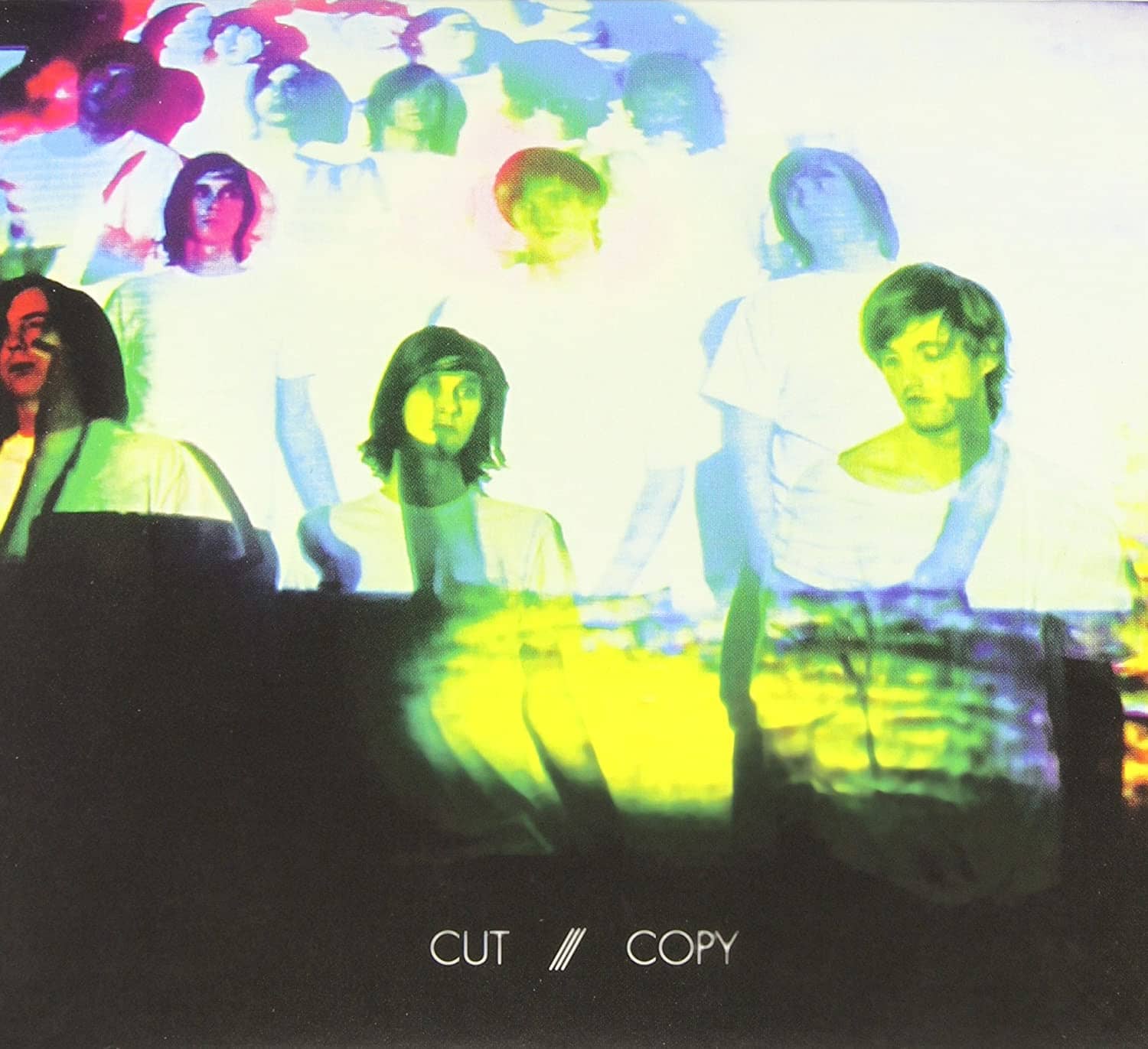
Cut Copy teams up to shake some skinny asses with the less famous half of storied production team the DFA, Tim Goldsworthy.
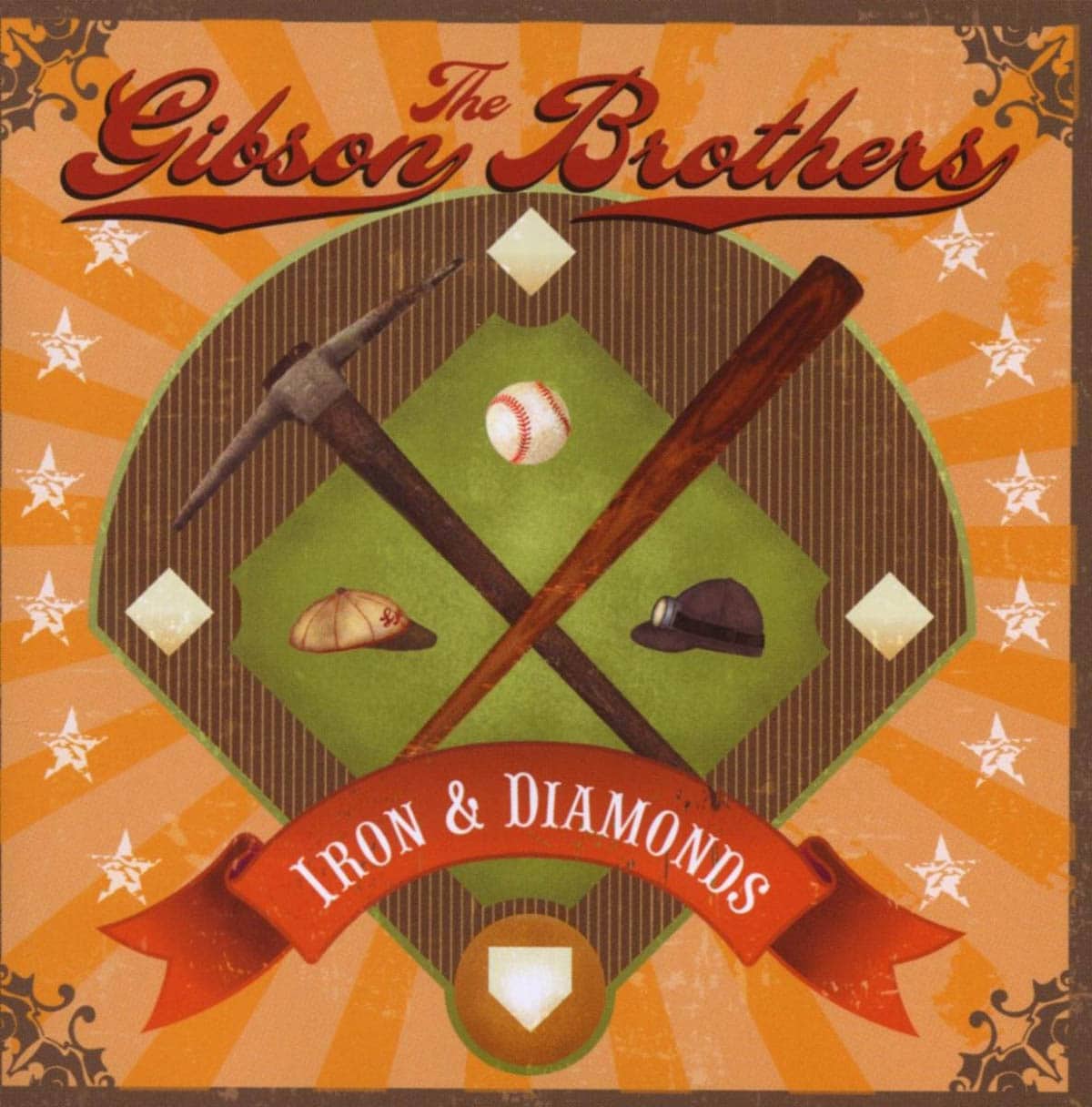
Most frequently compared to the Louvin Brothers, the Gibsons earn such lofty comparisons on their fourth album.
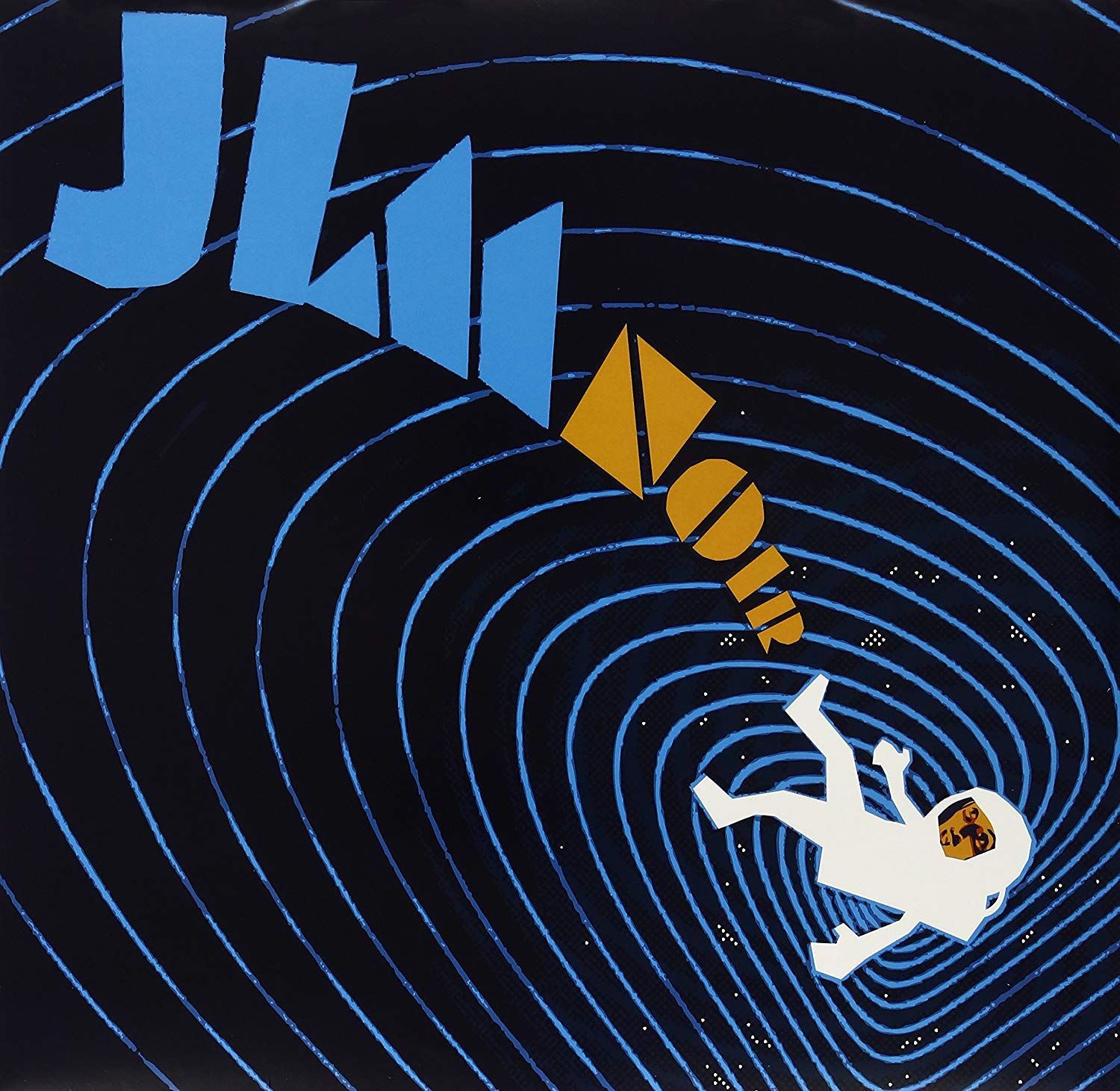
The album is endlessly enjoyable as a music-nerd exercise in spotting precise points of influence and nifty production tricks.
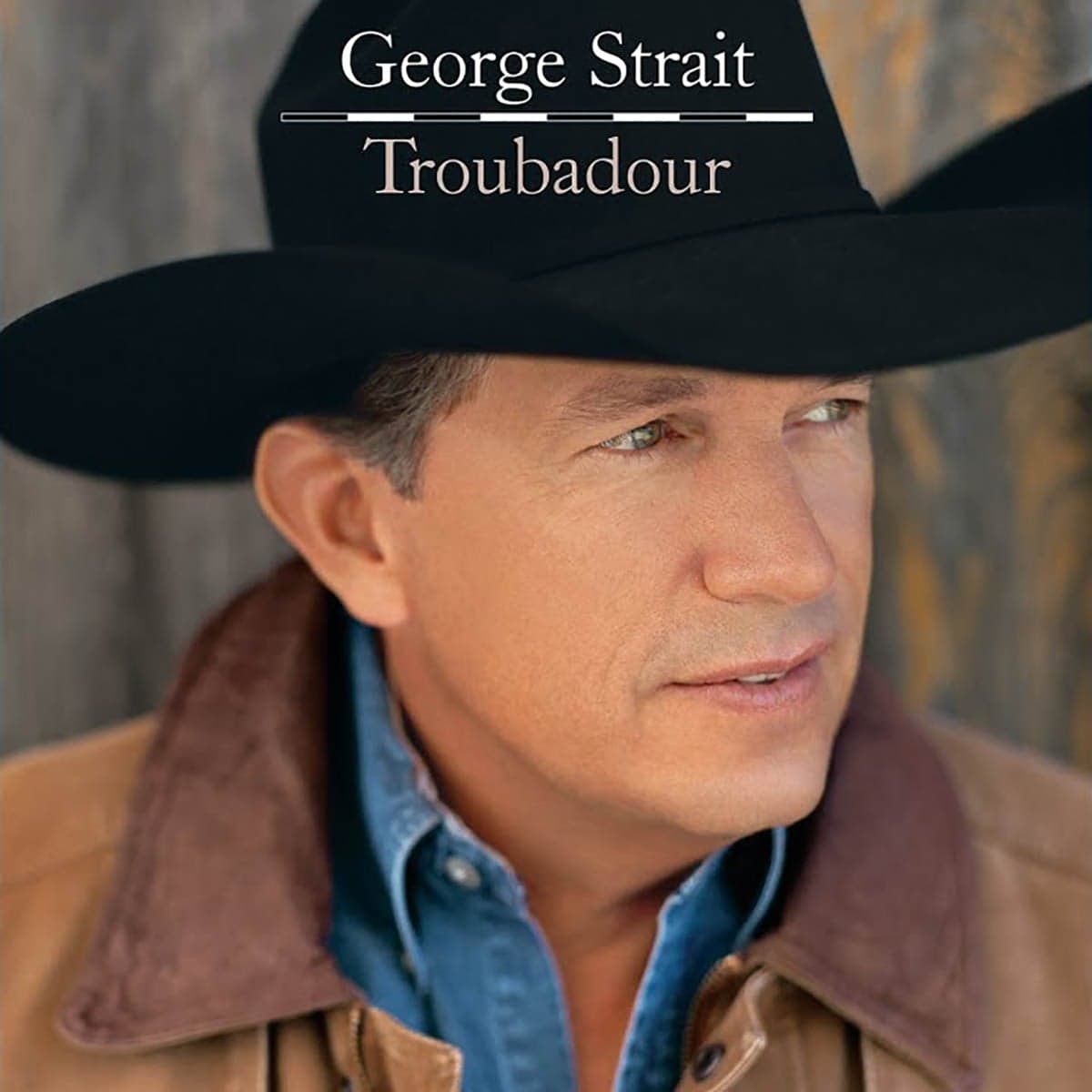
Few artists have capitalized on country music’s conservatism as well as George Strait, regarded by many as the genre’s modern-day king.