Don’t let the facts fool you.


Dave is a raconteur, critic, and DJ who lives in Sunnyside, Queens.
Don’t let the facts fool you.
So much for the afterglow.
The album is a creamy, luscious sequence of classically structured pop-funk tracks glittering with Lindstrøm’s trademark brand of space dust.

The difference between sticking to a sweet spot and running in place is sometimes vanishingly small.

Day & Age manages to patch over most of the cracks in the Killers’s façade.
Even if the Rapture really hasn’t made much music that sounds like this, it’s nice to know that they’re in touch with this fact.

Frankly, Róisín Murphy ought to be bigger in the United States than she is.
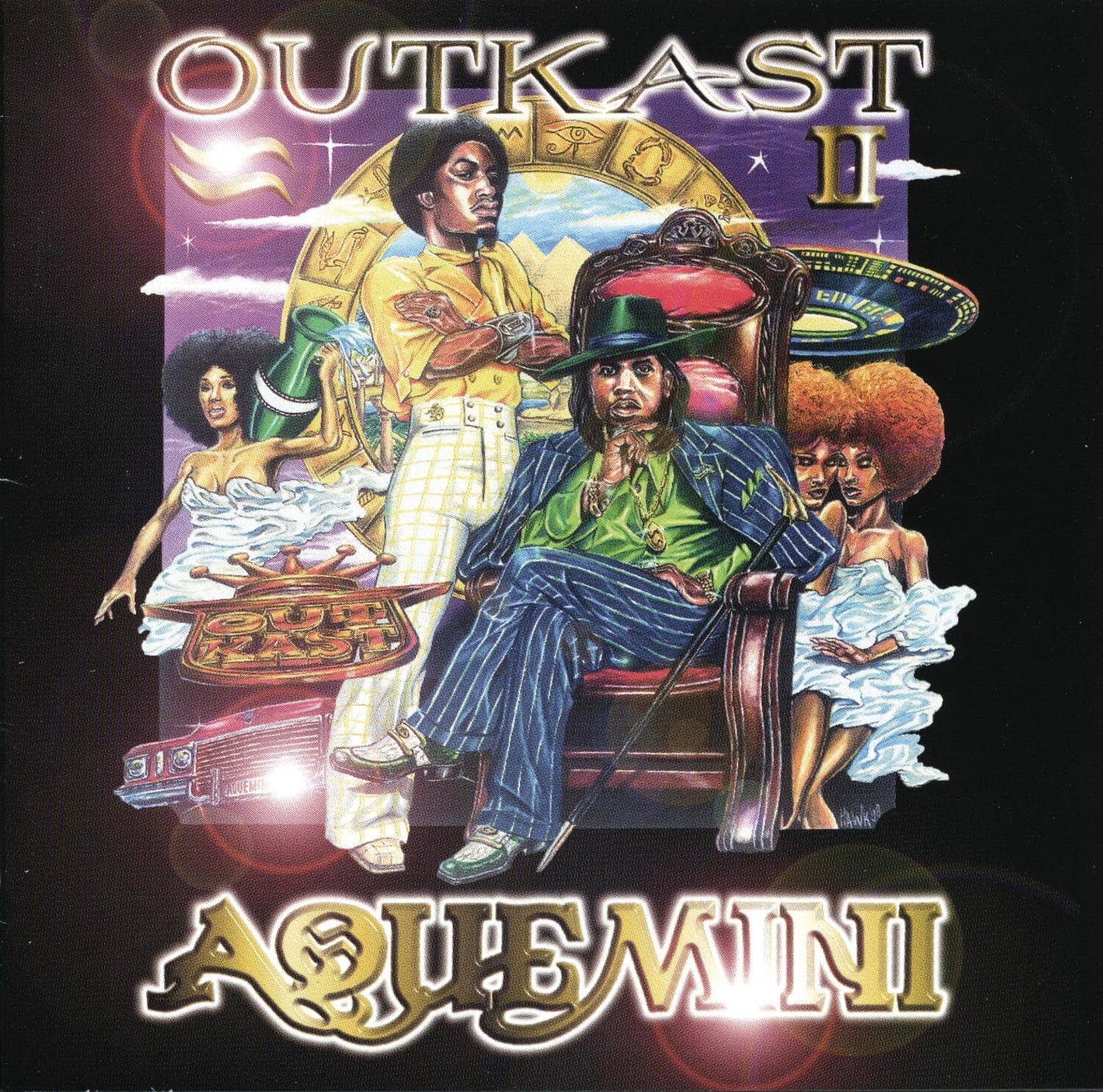
So let’s spit: Ten years on, Aquemini is the single strongest aspect of one of the art form’s deepest benches.
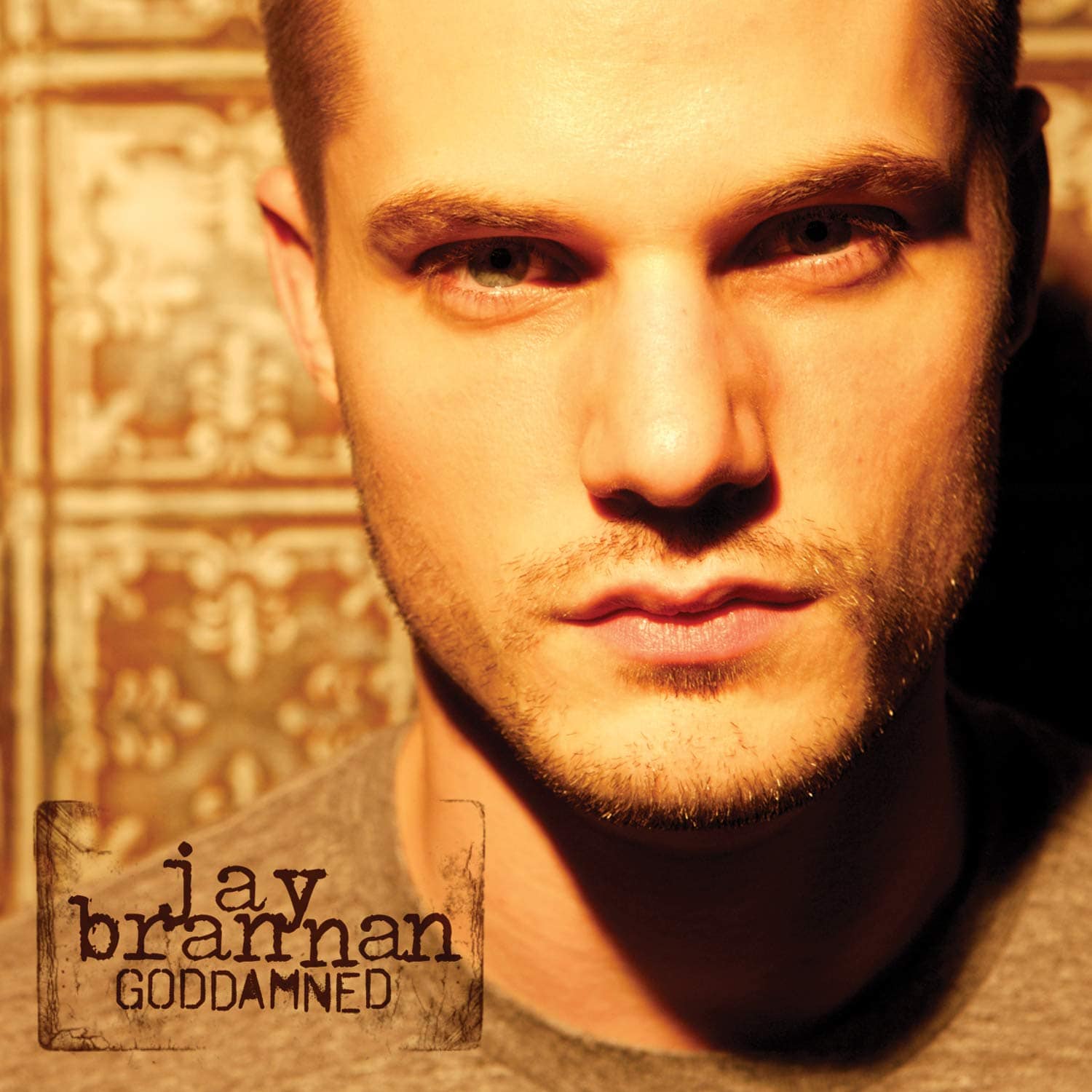
Jay Brannan’s Goddamned is a bit of a conundrum.
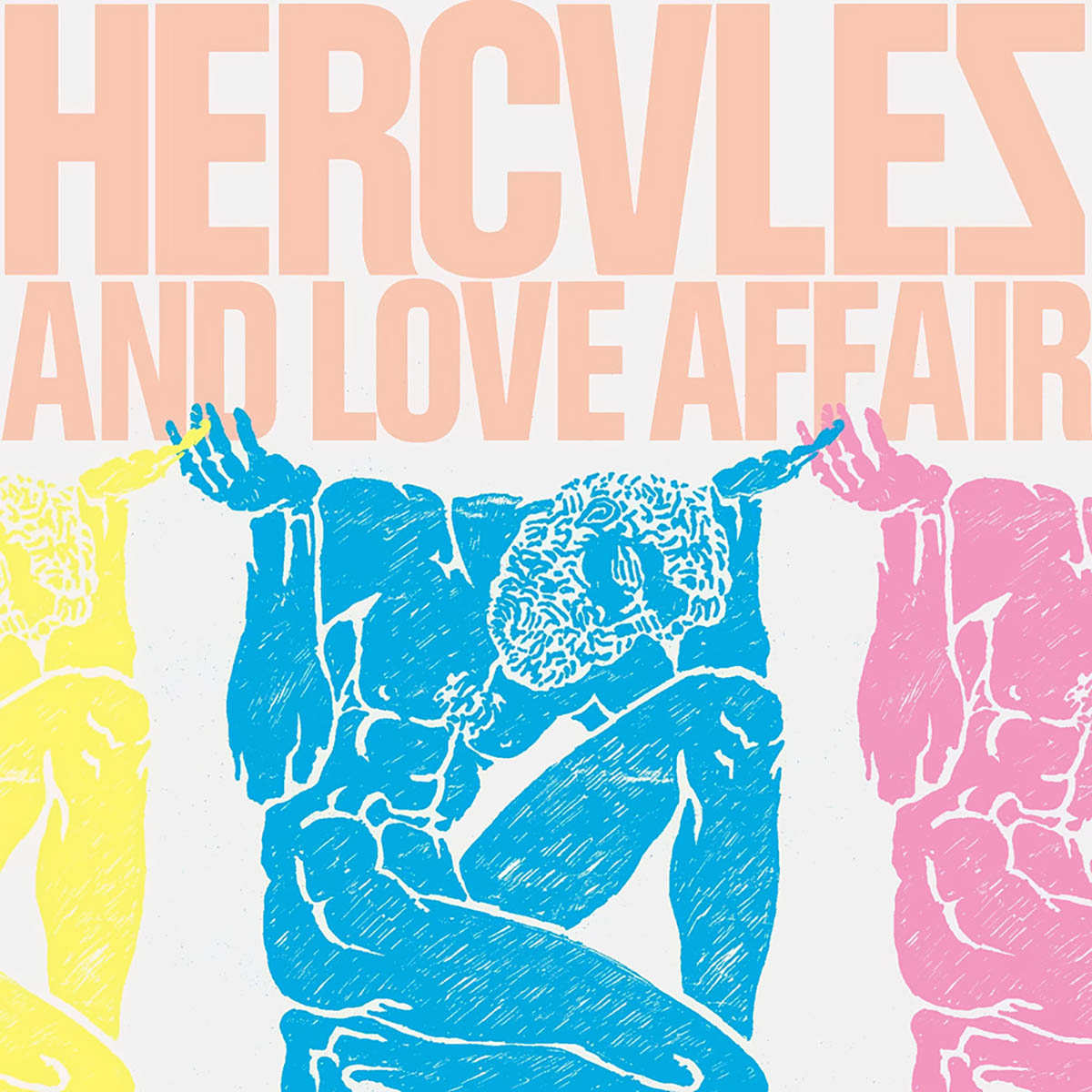
This is not the dance music of the future. It’s the artfully resuscitated, painstakingly stitched-together, spangled-and-sparkling dance music of the past.
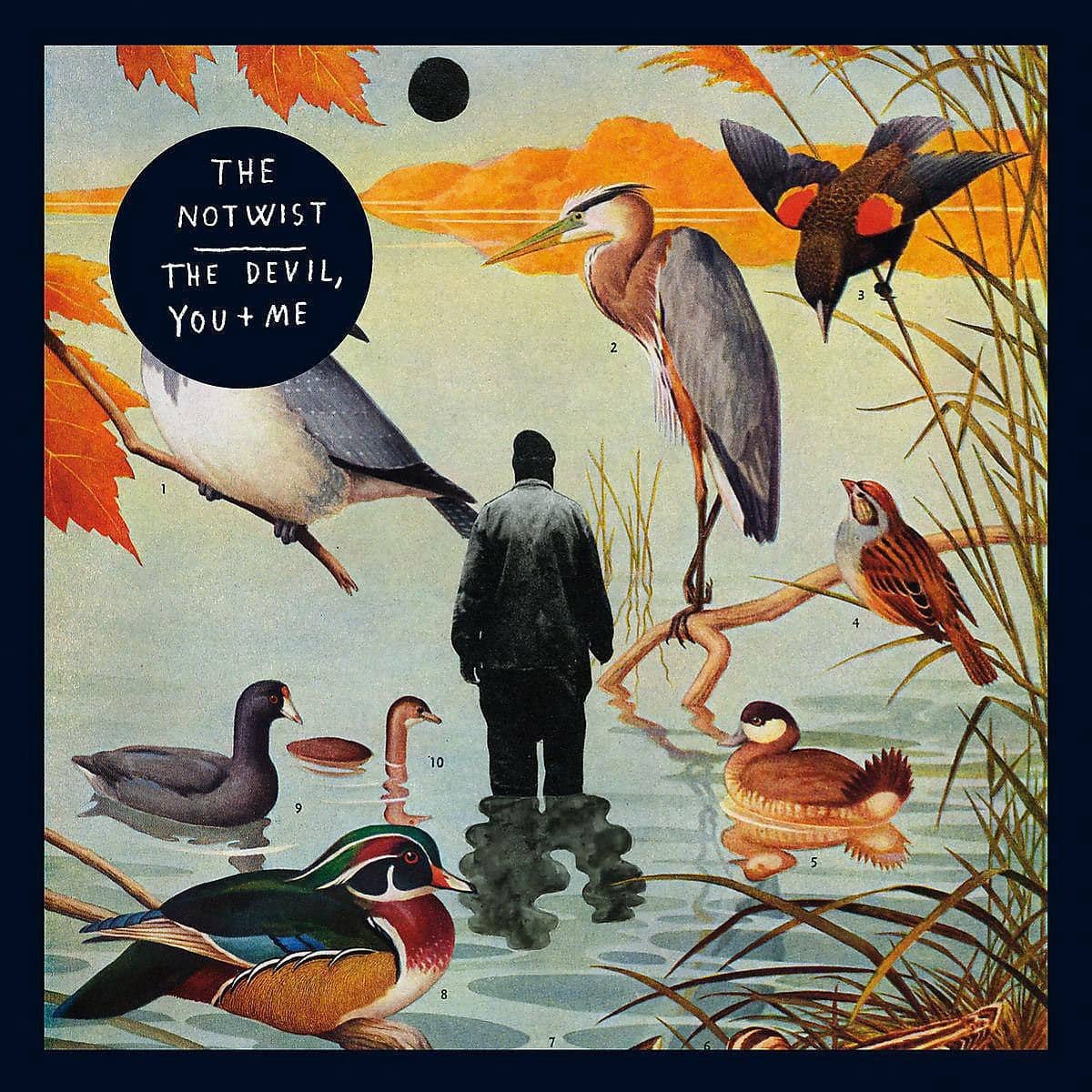
How best to describe disappointment? And how best to justify it?

Carter III is the Sizzler of rap albums.

The album is probably the best thing that Jason Pierce has done since Ladies and Gentleman We Are Floating in Space.
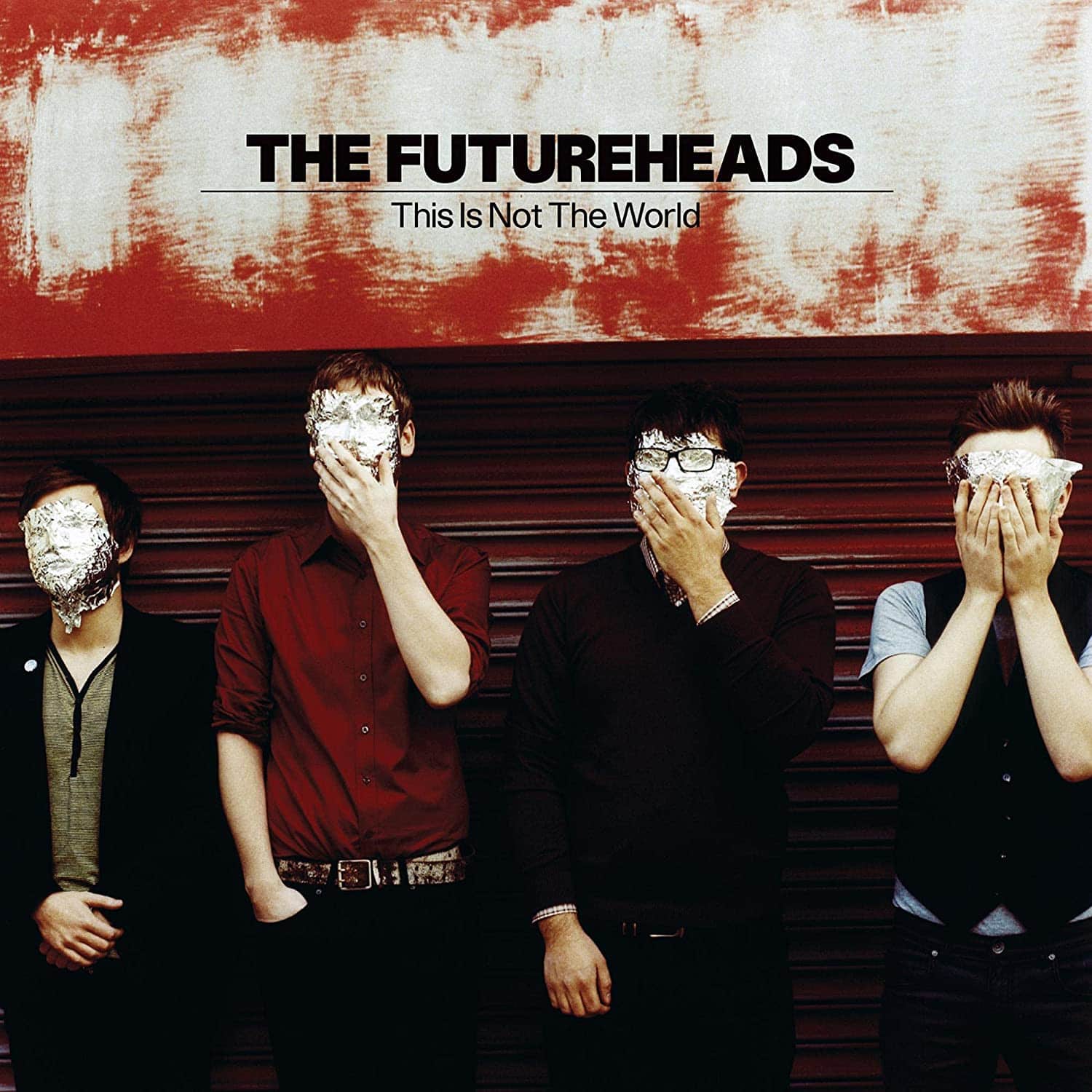
On their often charmless third full-length, the Futureheads jilt subtlety in favor of balls-to-the-wall rawk.

Sun and the Neon Light is not perfect, but it’s also no late-model Chemical Brothers album.

Scarlett Johansson has a bit of a daddy complex.
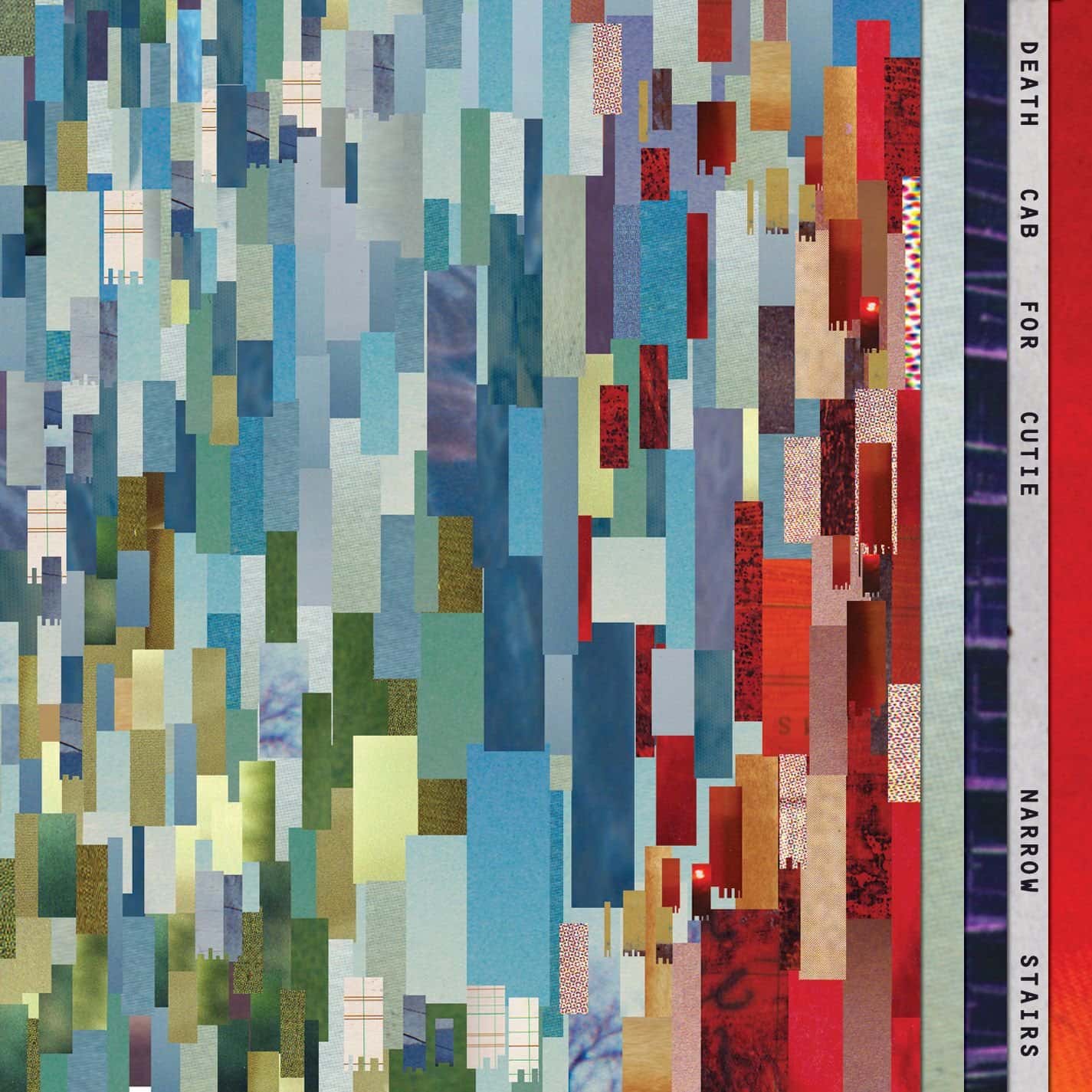
On the surprisingly tepid Narrow Stairs, the boys of Death Cab for Cutie seem to have tired somewhat of being themselves.
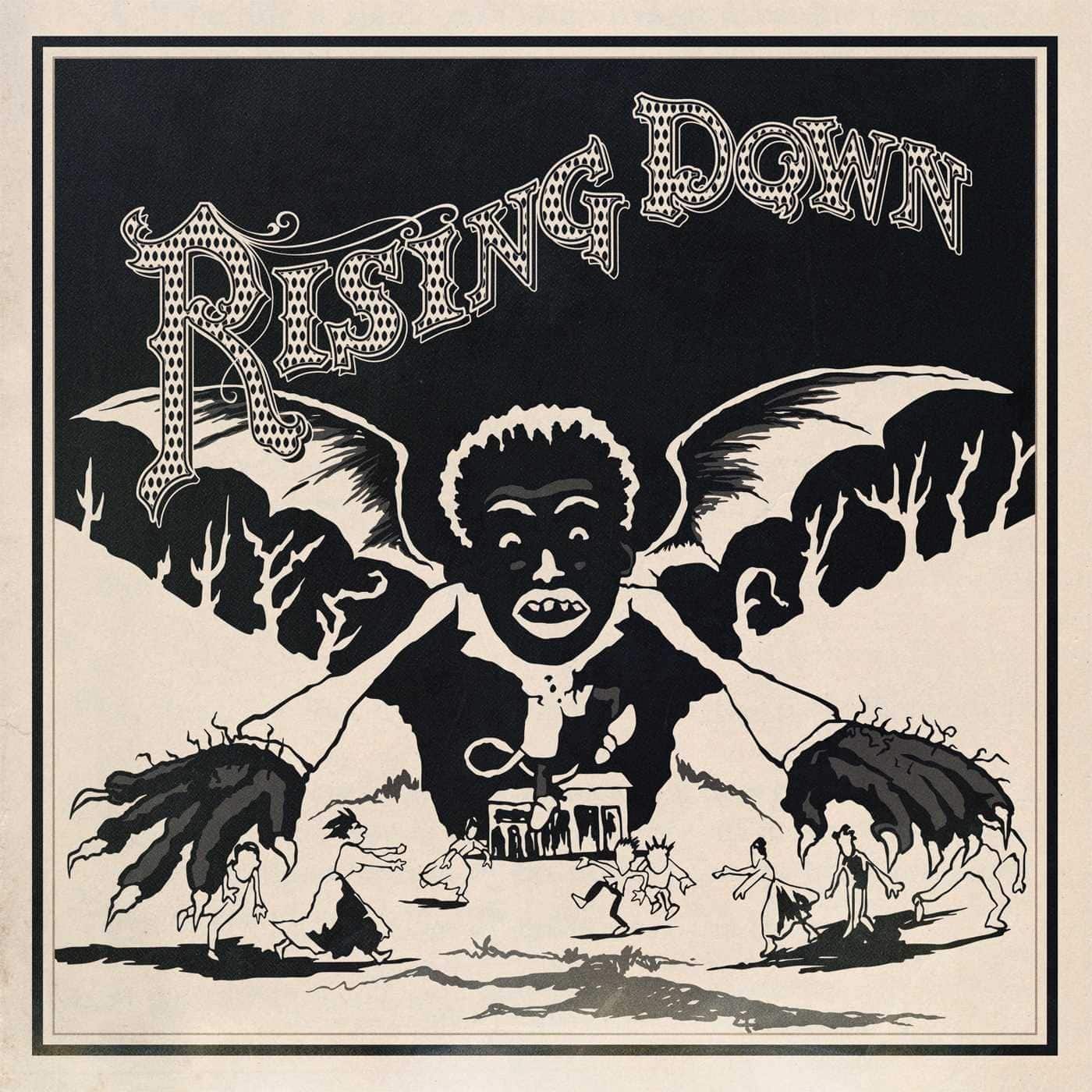
Rising Down is not an appropriate soundtrack for your next fraternity party or bong load. It’s more of a call to arms.
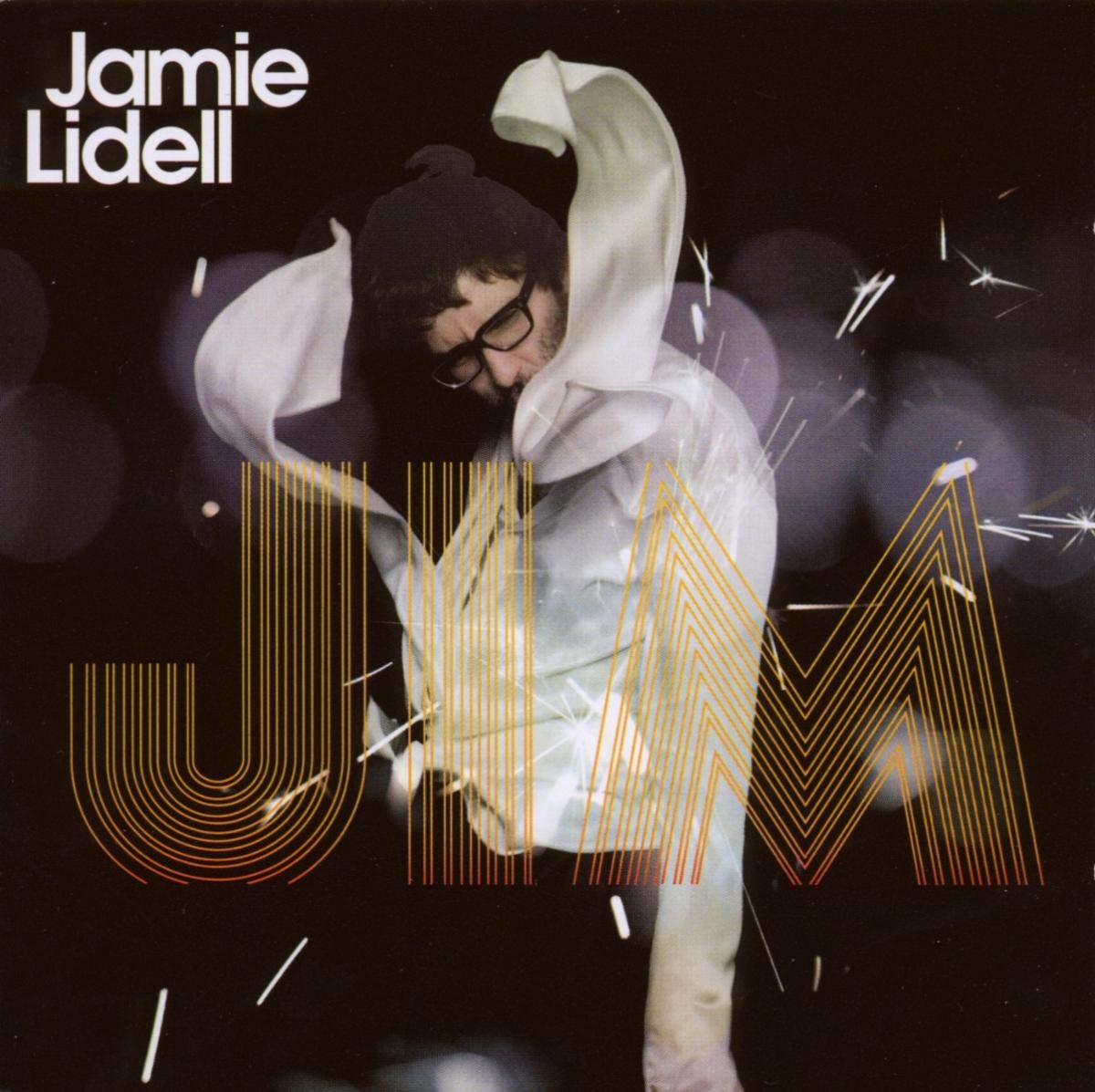
There is no hard evidence that Jamie Lidell is now, or has ever been, in possession of any kind of device enabling time travel.
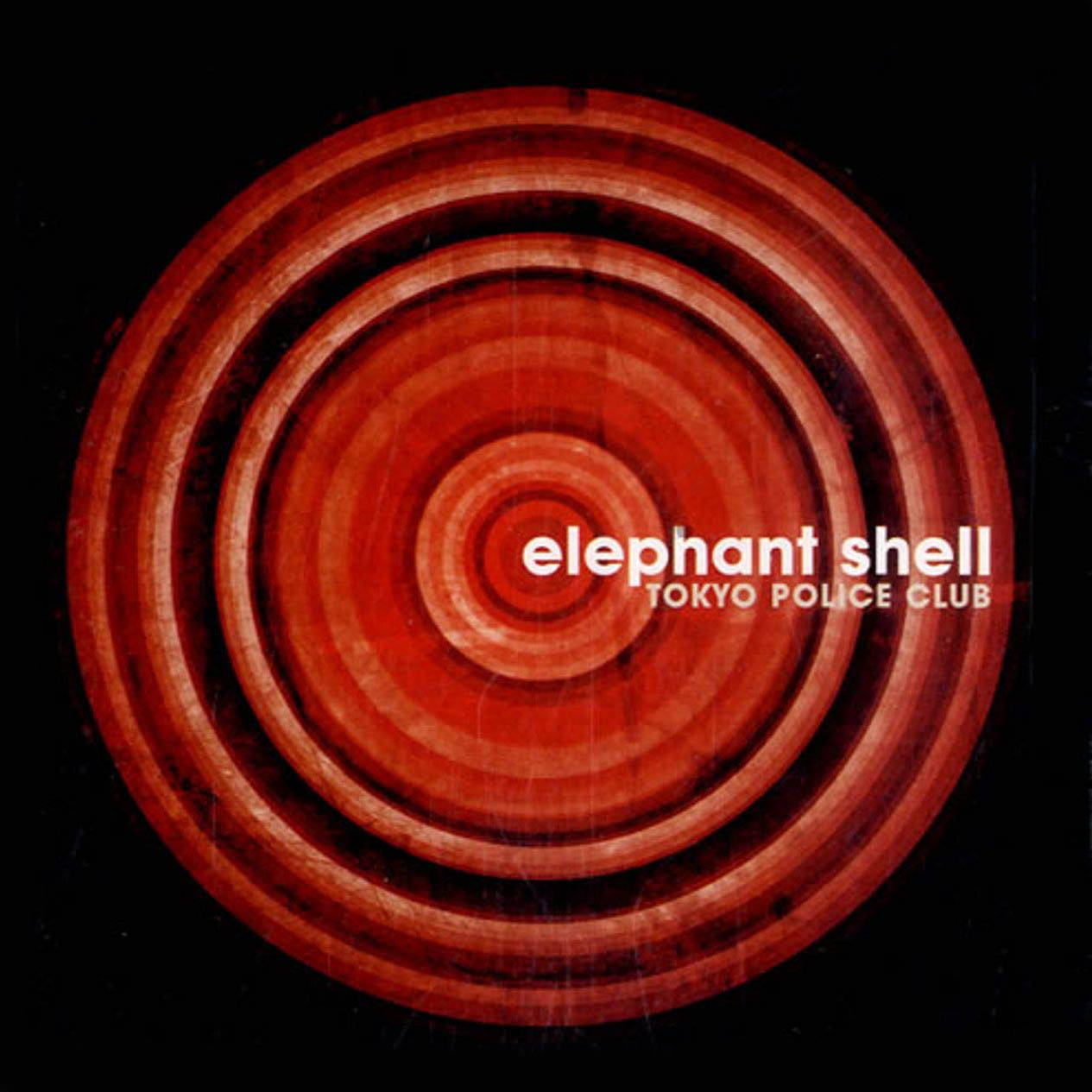
Canadian yelpers Tokyo Police Club map out the crucial difference between cursory and terse on their debut full length.