The Japanese auteur’s latest shows nothing more clearly than its untapped potential.


The Japanese auteur’s latest shows nothing more clearly than its untapped potential.

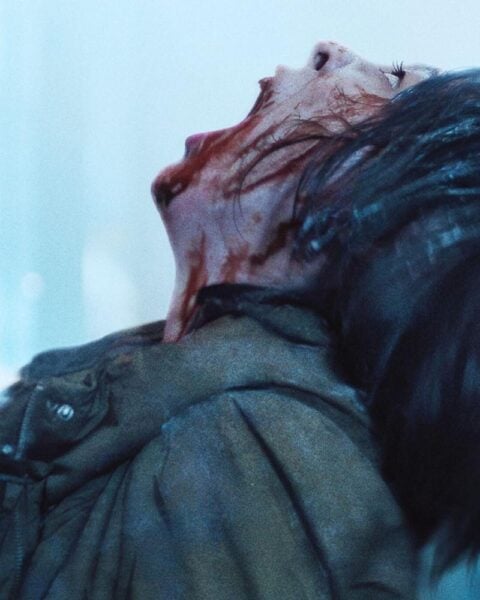
Talia Lugacy’s film is a heady and artful consideration of a rape victim’s torment.
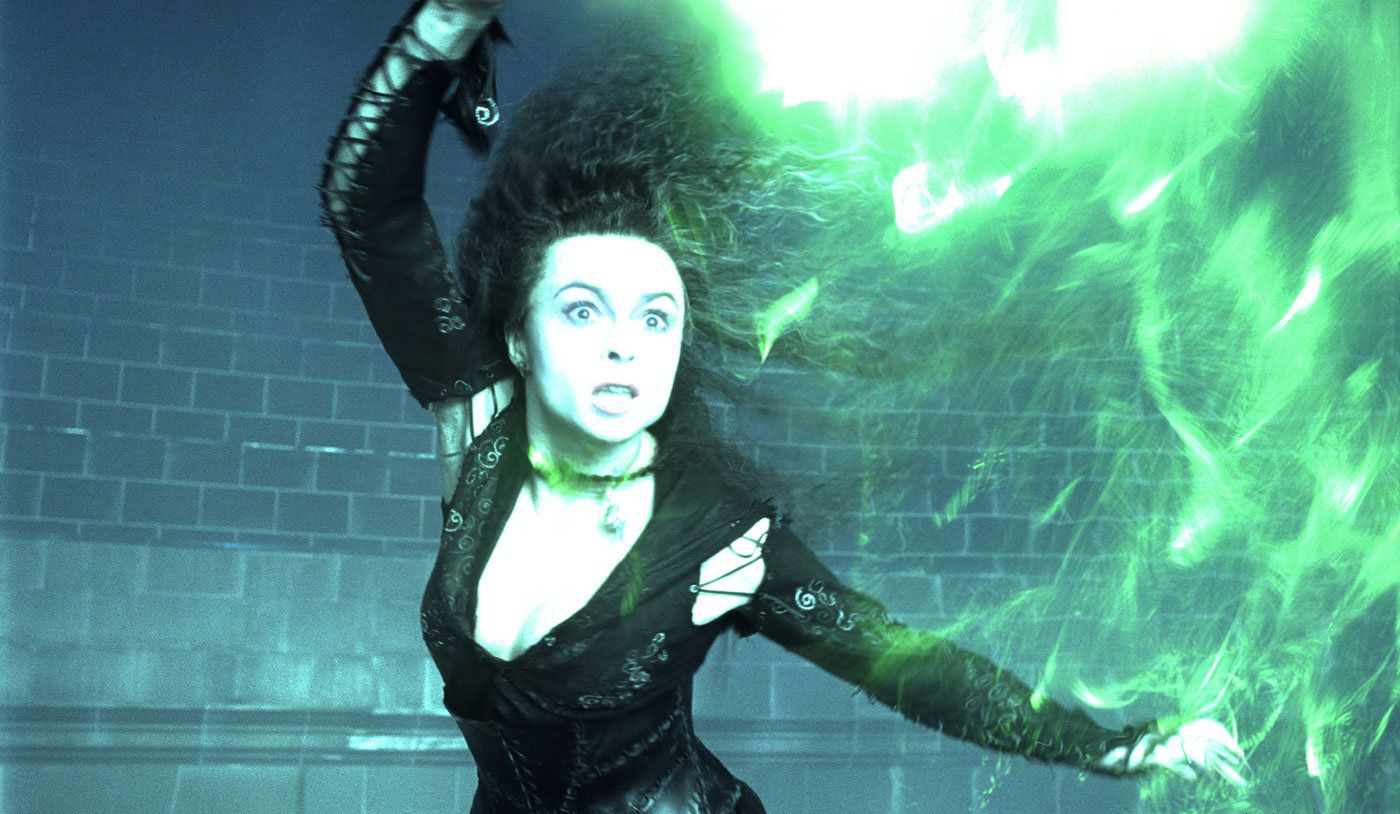
The series’s once buoyant disposition has been obliterated by dread, powerlessness, and crushing responsibility.

If Brad Bird has a signature auteur trait it would be that each of his films are struggles with and reactions to modernity.

It’s an experimental film that effaces authorship and demands no mental somersaults.

Adam Shankman keeps everything rolling, which is really saying something in this age of ground-to-a-halt musical turkeys.

I’m partial to scores, but for purposes of discussion, I consider songs to be movie music.
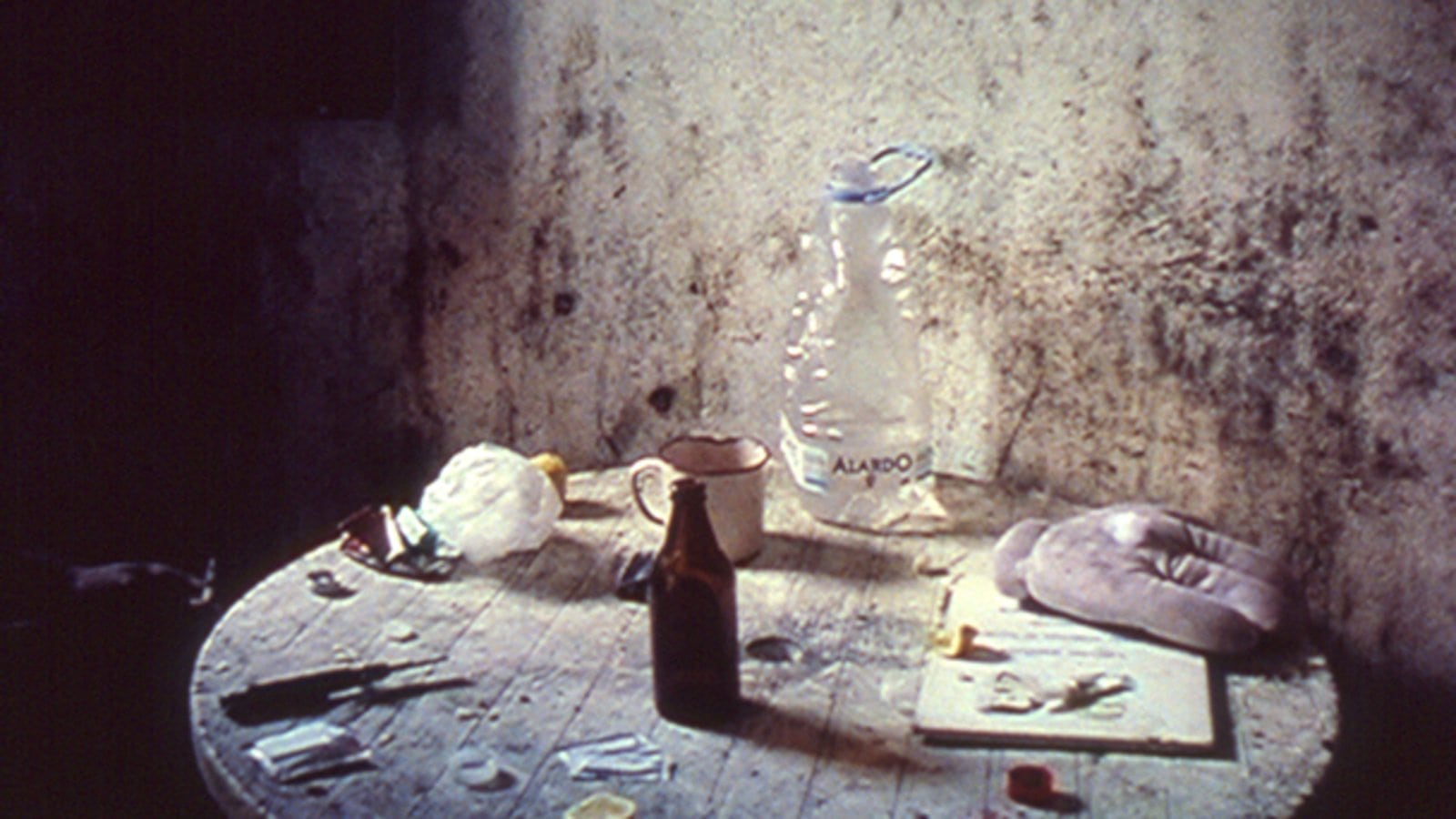
One look at the appalling slum where Pedro Costa has set In Vanda’s Room seems comment enough.

Despite all that talent on display, Sunshine is a philosophical blank slate.
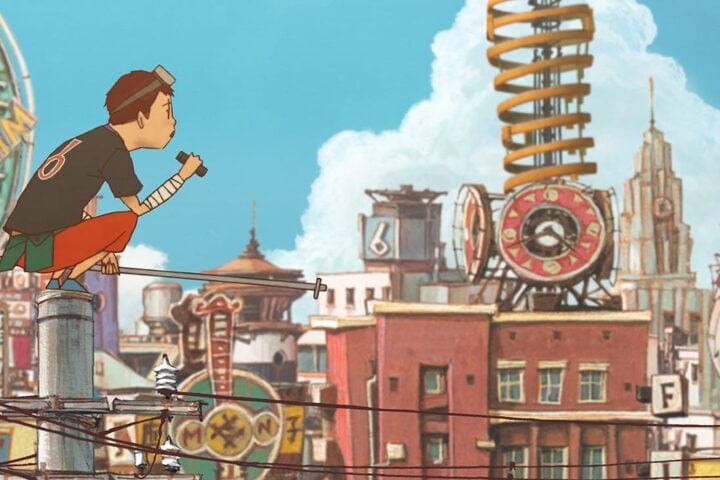
If the title Tekkonkinkreet suggests a mashup of different sounds, it’s not without reason.

If Michael Bay loves the military so much, why doesn’t he just marry it?

The Devil Came on Horseback explains the rationale for the chaos in Darfur in terms we can all understand.
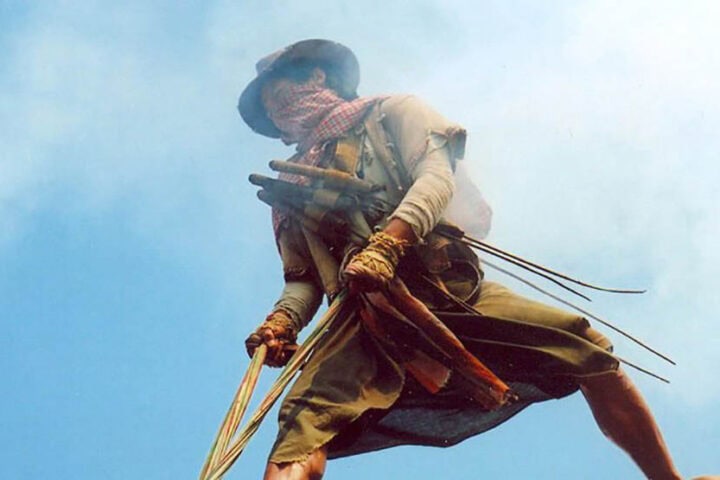
The film is a mess of schlocky supernaturalism, uninspired East-meets-West adventure, insipid backstory, and random feats of dexterous human might
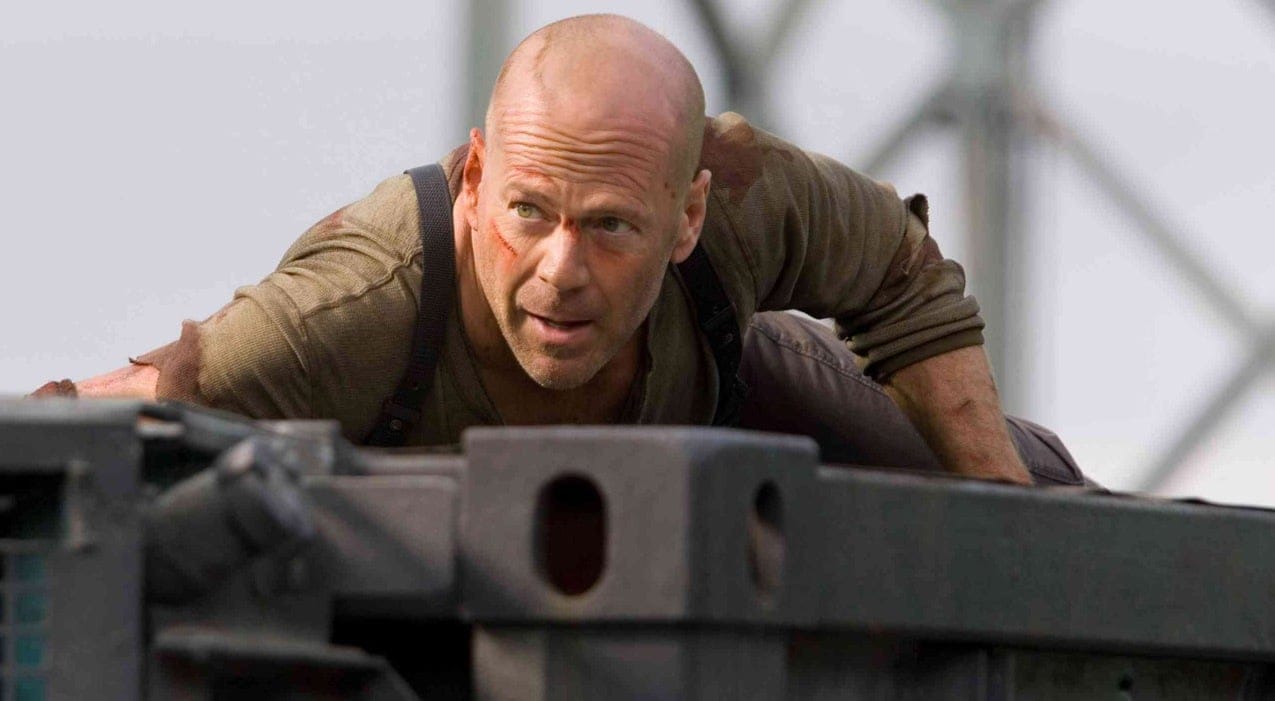
When did Everyman become Superman?

Send a Bullet artistically but vacuously traces the roots of a country’s violent state of affairs.

Charles Ferguson has designed No End in Sight to sink in.

It imagines the Bard’s tale of power, greed, and madness as an ultra-violent gangster opus populated by pretty faces who’d be right at home on the CW.
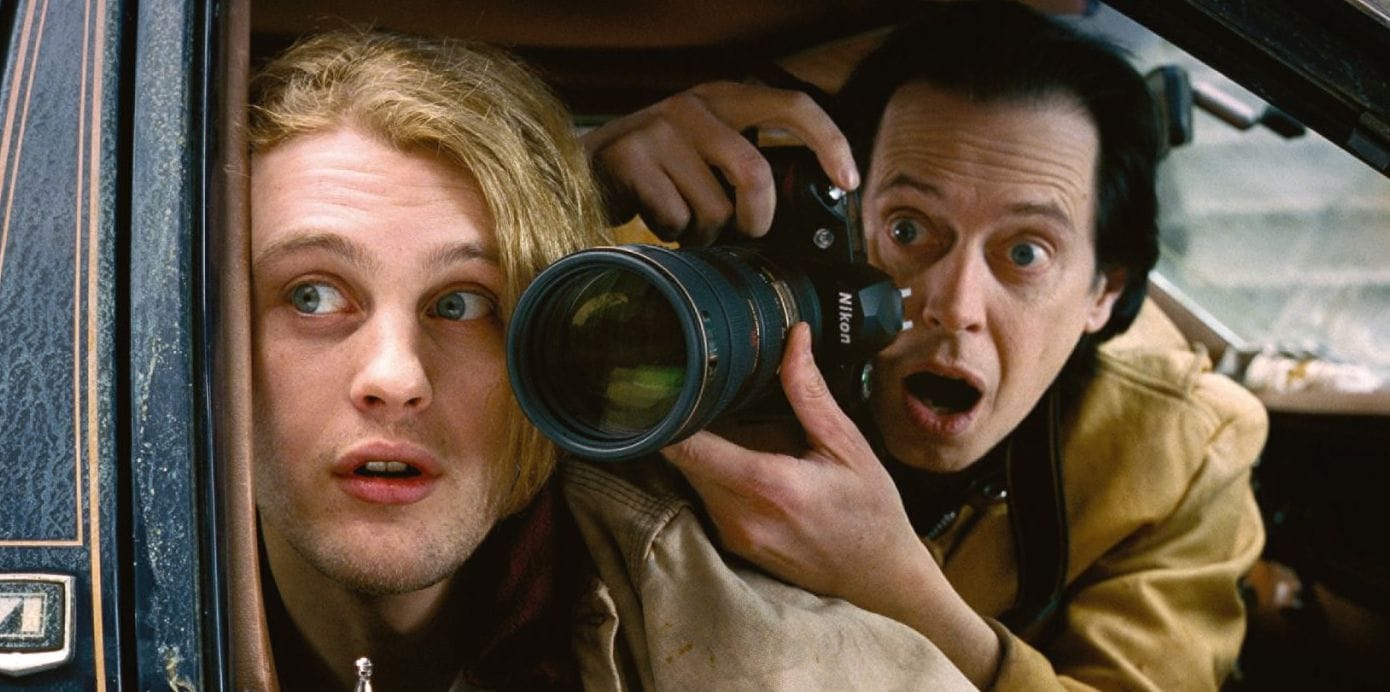
With Delirious, Tom DiCillo puts our national obsession with fame under the magnifying glass.

Robin Swicord’s The Jane Austen Book Club is pitched as The First Wives Club for coffeehouse intellectuals.
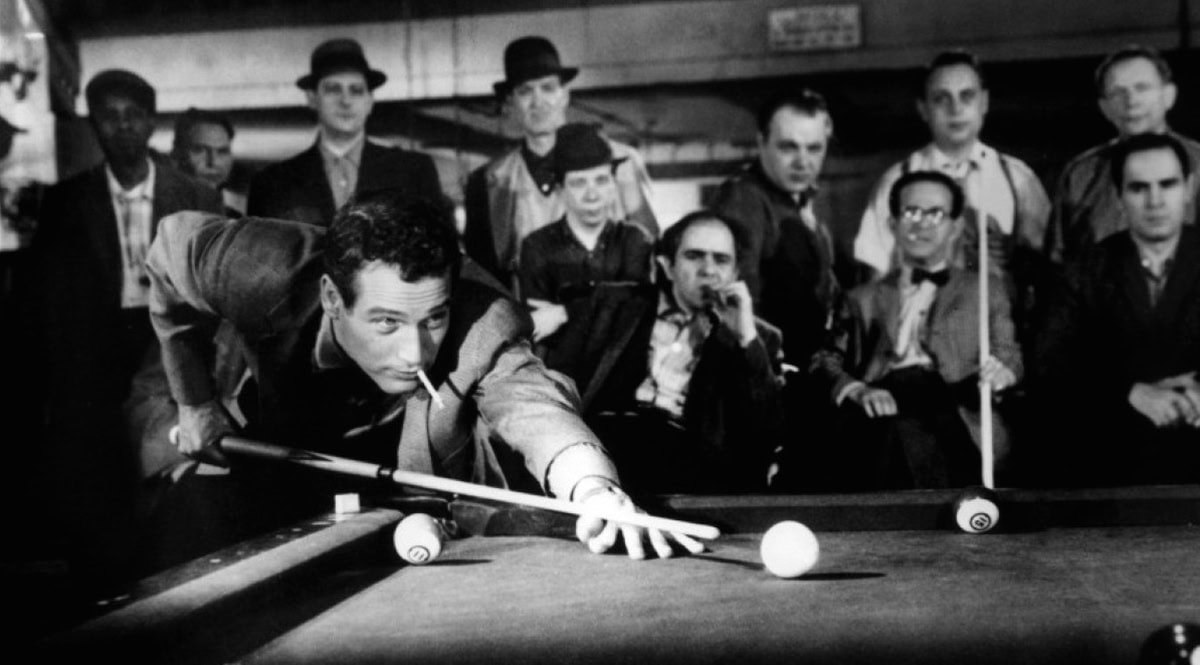
There is no lonelier American movie than The Hustler, and no better a flawed hero than “Fast” Eddie Felson.
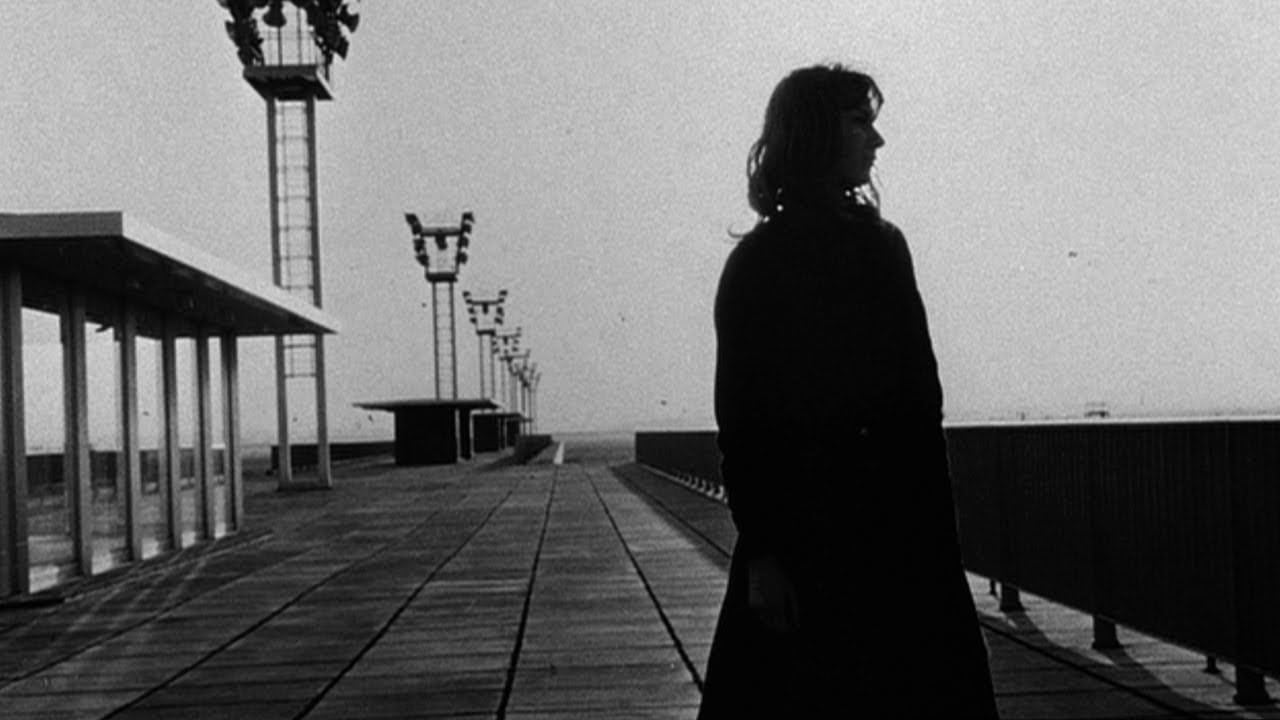
La Jetée is a pretext for Marker to examine the impermanence of experience.