The Japanese auteur’s latest shows nothing more clearly than its untapped potential.


The Japanese auteur’s latest shows nothing more clearly than its untapped potential.

Zoe Cassavetes’s film is most successful in its throwaway moments.
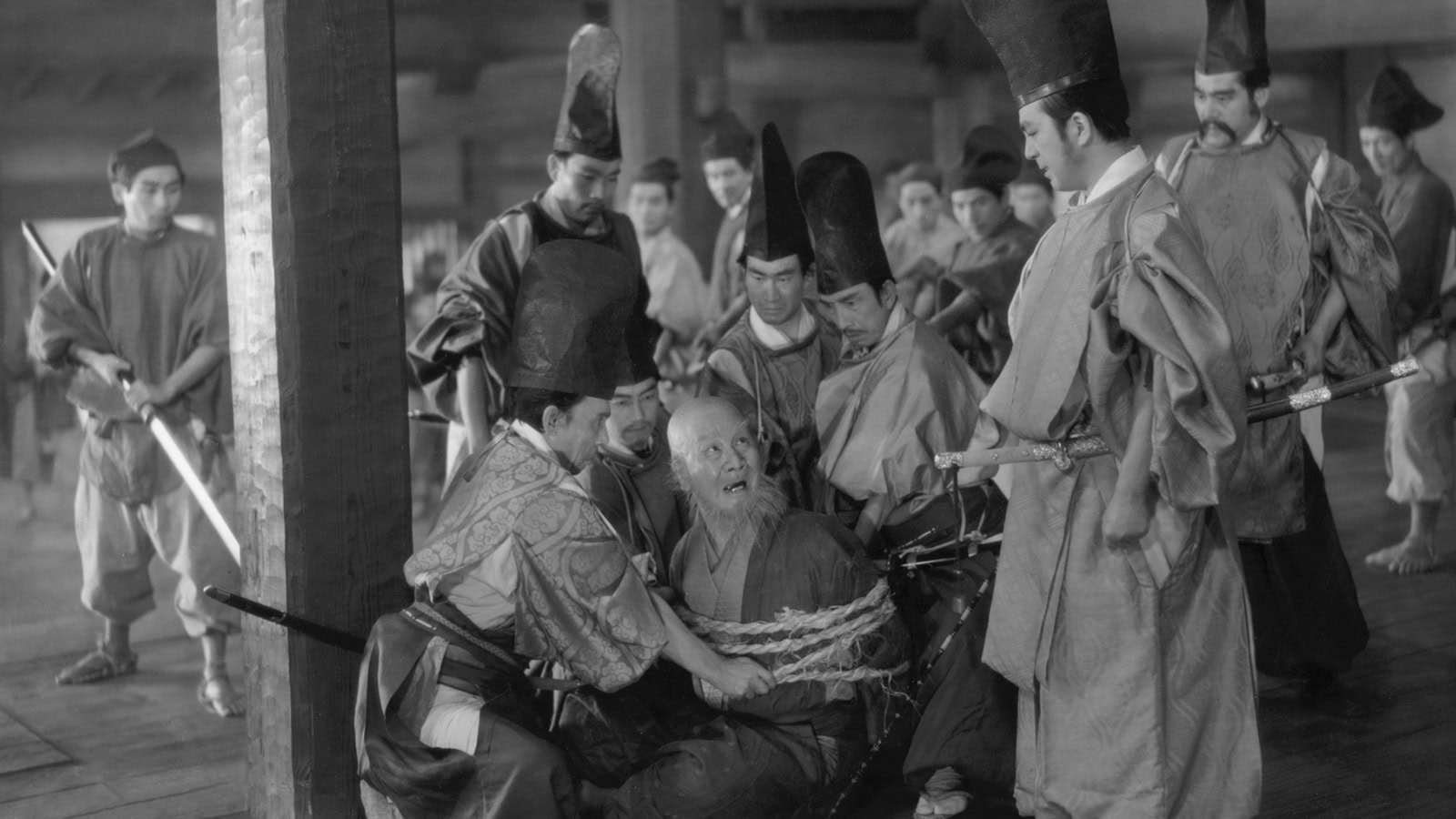
So I bought the Criterion disc of Sansho the Bailiff blind and told Keith Uhlich I would write it up.

The film strains not for classical pop mythology but, instead, frivolous FX-laden adventure.

The film piles on the comically excessive gore for its tale of a New Zealand farm overrun by genetically engineered killer sheep.

During its early going, Right at Your Door is a stomach punch of a post-9/11 thriller.

Children and Republicans may benefit from its message, but Arctic Tale isn’t to be trusted.
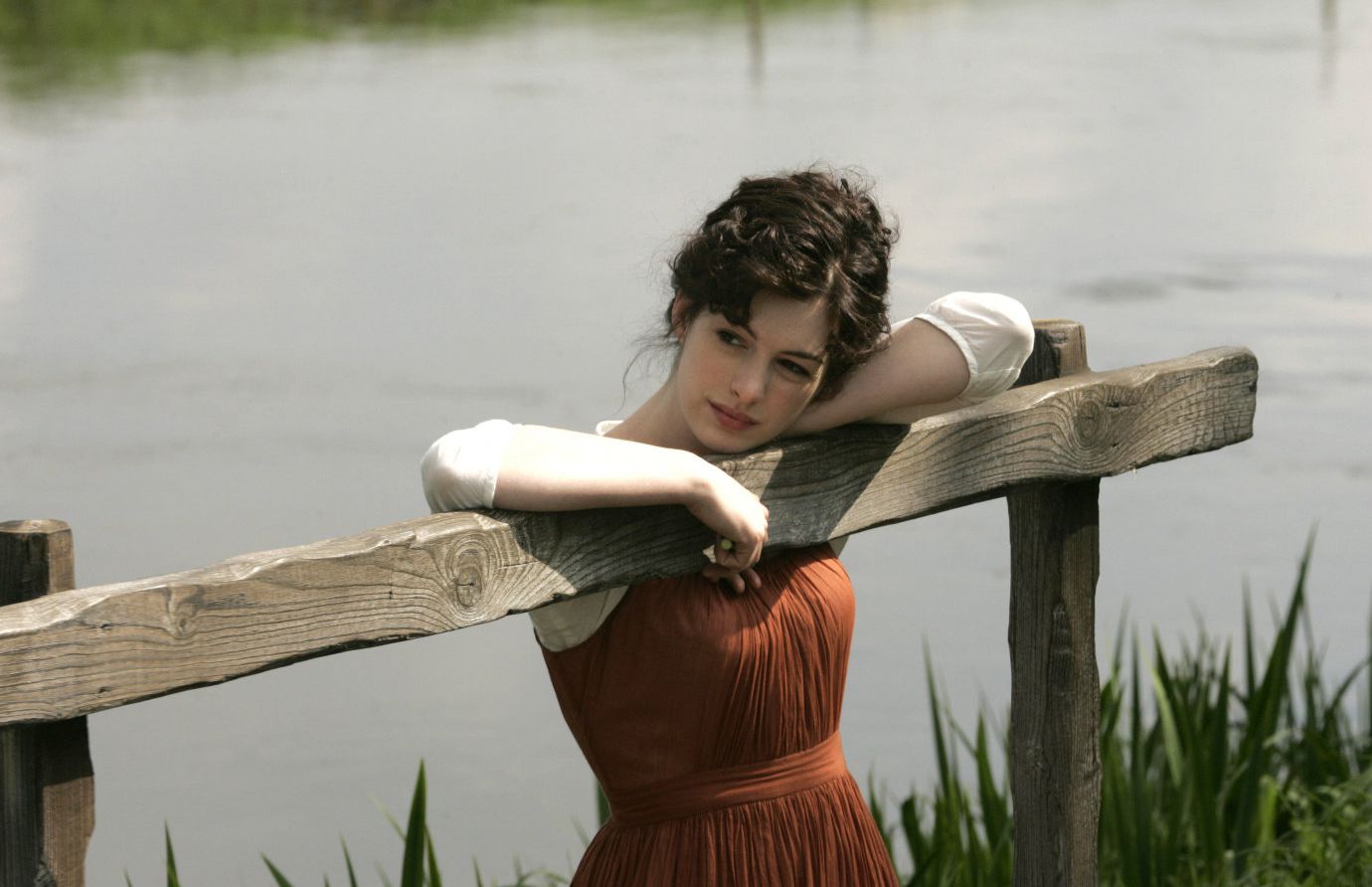
As if Jane Austen country hasn’t been charted to death already, Becoming Jane makes it literal.

The film affects an air of credibility and stateliness via its meticulous production design and extravagant cinematography.

David Wain and Ken Marino’s The Ten is as tonally divergent as possible from Krzysztof Kieślowski’s The Dekalog.

Pascal Arnold and Jean-Marc Barr’s film cannot be appreciated without some measure of guilt.

This year’s Human Rights Watch International Film Festival features one of the strongest lineups in the program’s history.

Joshua might have been delicious if it weren’t so blatantly hateful toward women, queers, and religion.
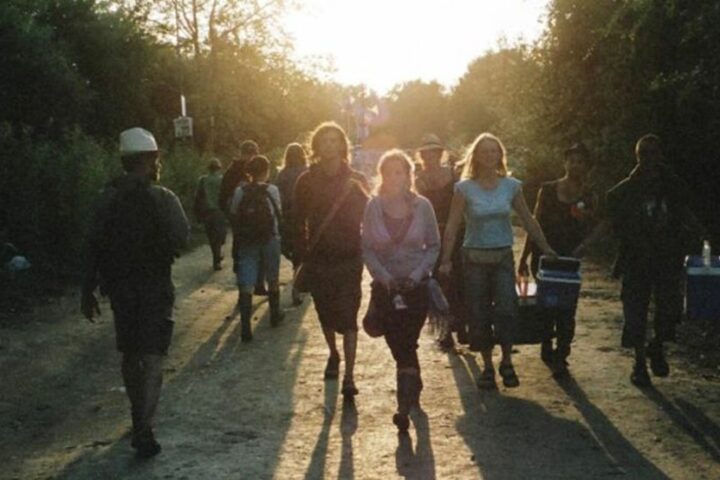
By the end, it’s hard to pin down the intent and even the honesty of the filmmaker.

Music is the conduit for repudiating stereotypes and fostering cultural unity in Gypsy Caravan.

If they taught this film in schools, the class might be dubbed The Art of Boosting the Self and Ragging on Women Through Tired Aesthetics.

1408’s mixture of supernatural hullabaloo and spiritual awakening is sturdily propped up by John Cusack.
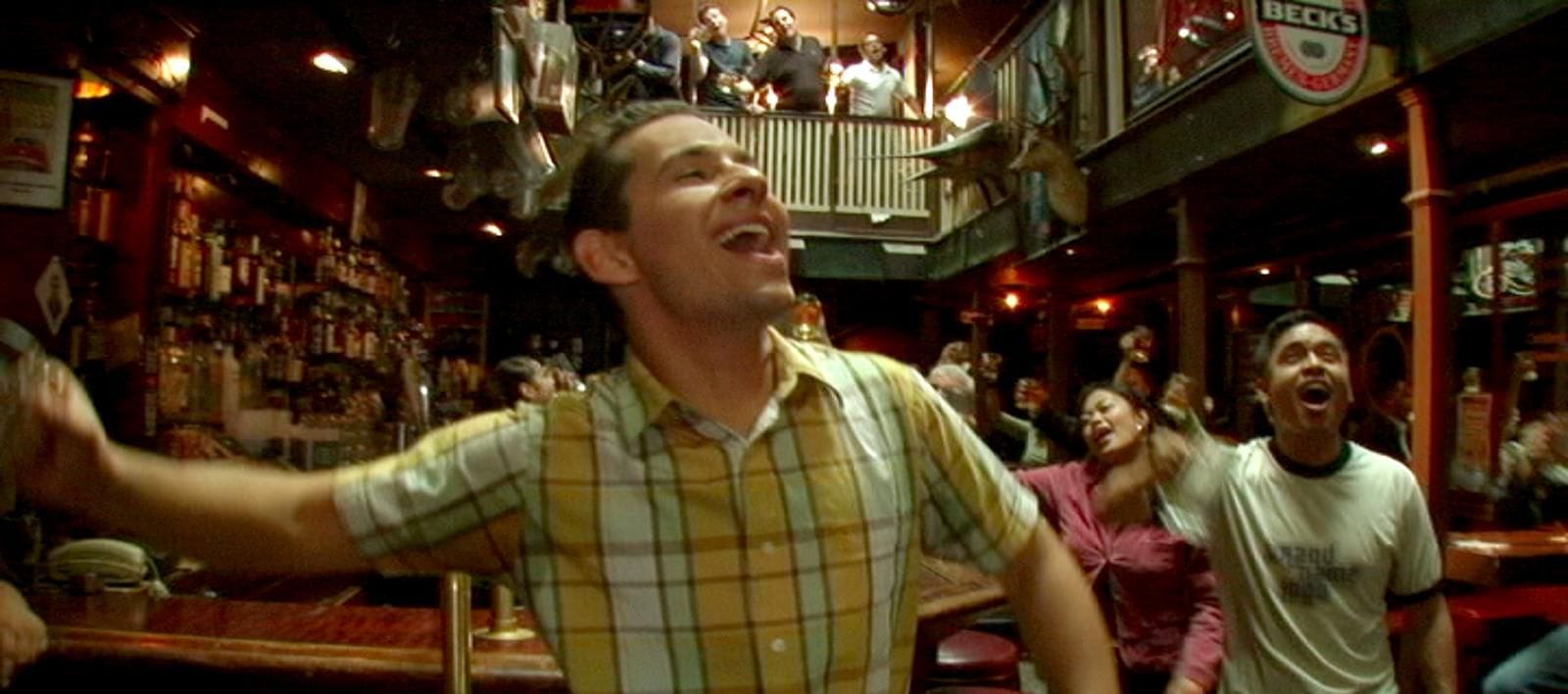
The film bursts with clever rhymes, uncanny observations, and sincere judgments.

Manufactured Landscapes is a film very much aware of its own existence.

Nancy Drew is almost charming when she’s out snooping in the boonies, but she doesn’t make a whole lot of sense nosing around Hollywood wearing Bree Van De Kamp’s hand-me-downs.

Eli Roth’s film functions as a ritual akin to the ceremony performed on Heather Matarazzo’s character, but one with no purpose other than to court easy outrage.