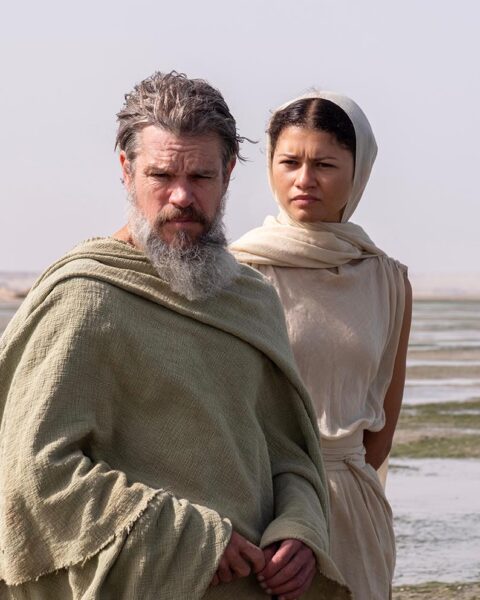
Motor City channels the spirit of the vigilante films and other exploitation genres of the 1970s.
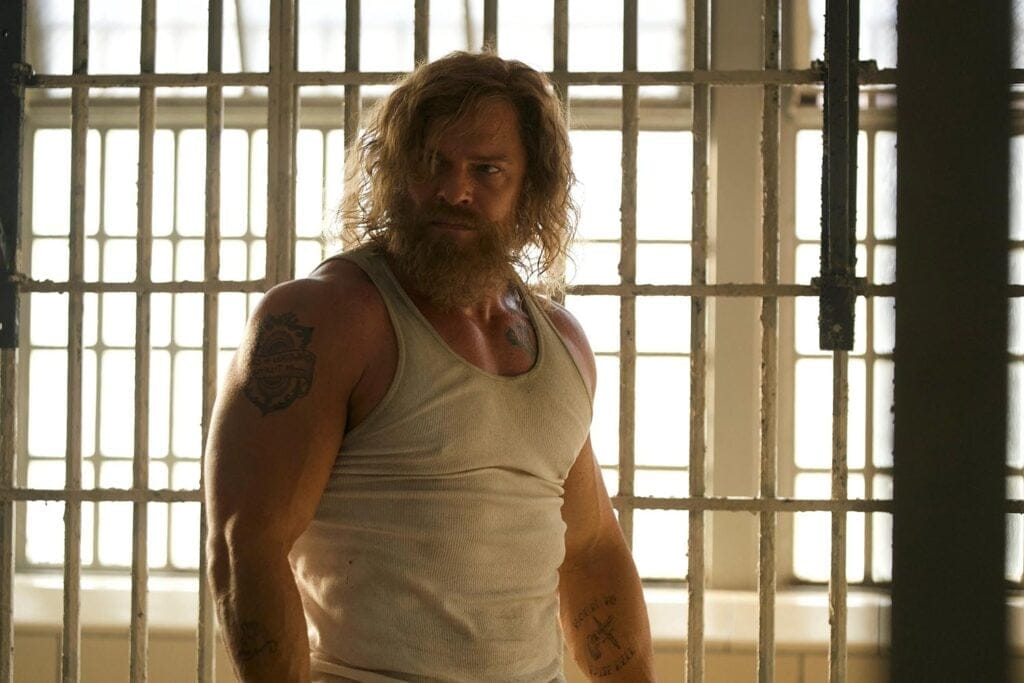

Motor City channels the spirit of the vigilante films and other exploitation genres of the 1970s.

Eli Roth’s film functions as a ritual akin to the ceremony performed on Heather Matarazzo’s character, but one with no purpose other than to court easy outrage.

Bad Michael Winterbottom movies are not uncommon, but none have been as useless as A Mighty Heart.

Big is a consummate ’80s film about kid-dom and growing old too fast.

To call the Ocean’s films frivolous would be kind, implying that these arduous concoctions are somehow light on their proverbial feet.

Kids won’t get Surf’s Up, and adults may smell a con.

Ghidorah, the Three-Headed Monster embodies much of what the popular monster films have come to be known for over the years.

Volker Schlöndorff’s latest tries to cop a feel from Siberiade, Andrei Konchalovsky’s behemothic totem to the Soviet spirit.
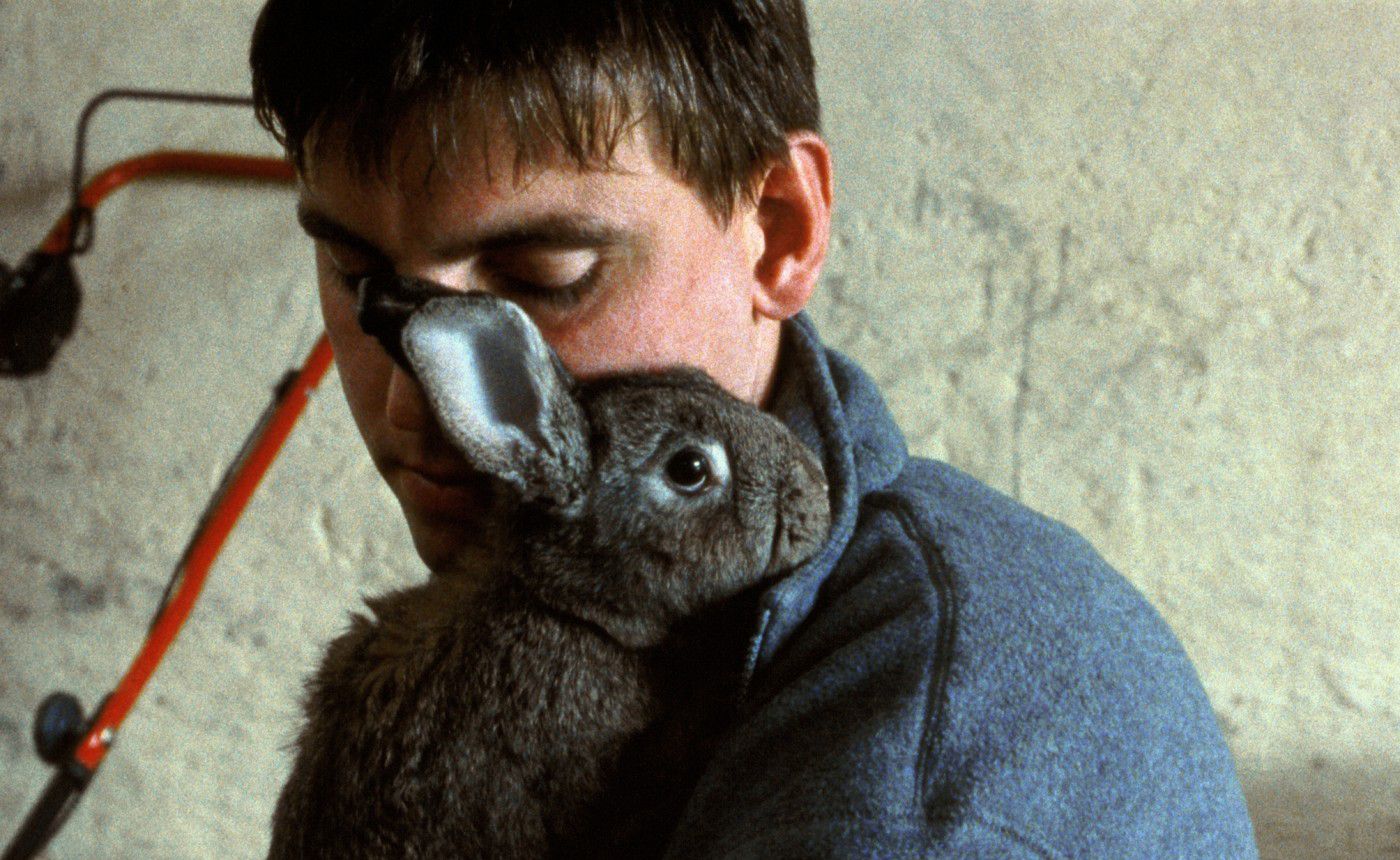
Valeska Grisebach’s intimate tale of small-town infidelity maintains some level of interest for the vivid ways in which it sketches in its particular milieu.

Haiti’s despair demands a Luis Buñuel, but here gets a Ridley Scott.

Asking me to pick just five New York movies is downright Satanic, a perfect adjective since today’s “5 for the Day” is the fault of Ted Turner.
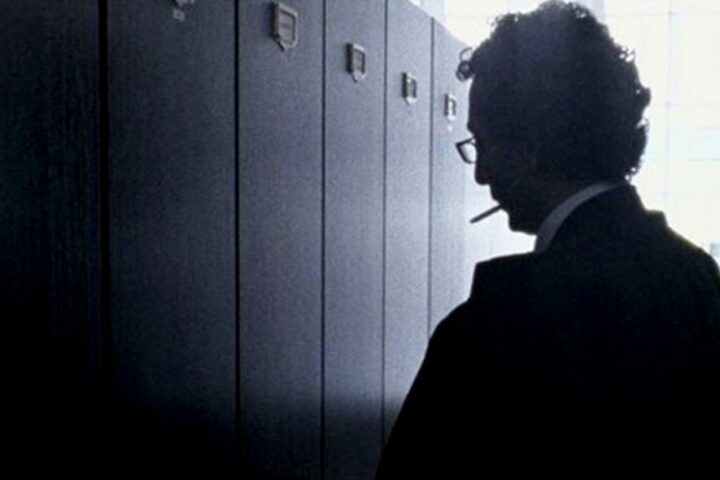
Olivier Meyrou may keep his distance from his subjects, but staying out of their way doesn’t mean losing sight of their troubles.

The film will make pro-choicers think differently about people who actively work to stop abortion from happening.

As the husband of a high school social studies teacher, Chalk strikes me as the definition of a missed opportunity.

The film believes to the bottom of its execrable core that single mothers should go the way of the dodo bird.

I hereby proclaim, for no good reason, May 30th, 2007 as Mac and Me day.

Miriam is a paean to Jewish oppression as if commissioned by the History Channel.

Mr. Brooks is one deliriously ridiculous movie, and a bona fide contender for status as a camp classic.

Interview is chiefly a showcase for actors Steve Buscemi and Sienna Miller.
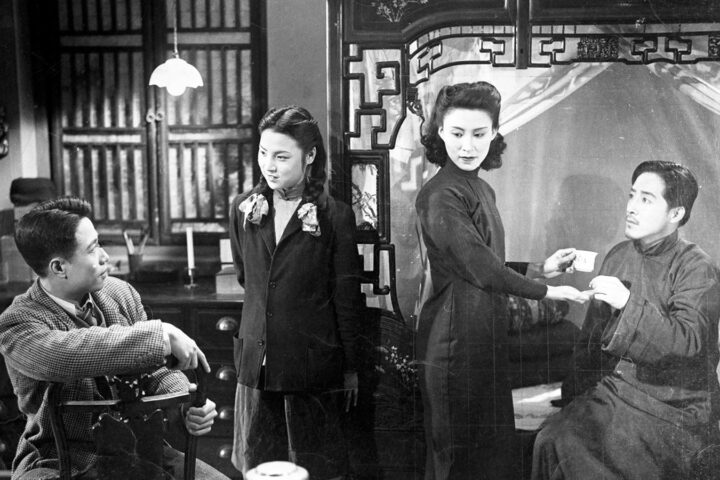
Fei Mu’s 1948 classic, which is a faithful rendition of a short story by Li Tianji, subtly places itself in the context of literary tradition.

The sea appears a utopia here, a setting that affords its passengers seemingly limitless boundaries.