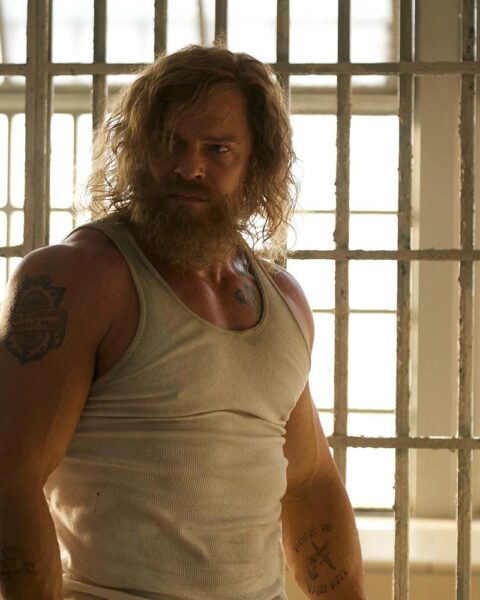
Though Visconti operates on the surface level of the material, he crafts a seductive surface.


Though Visconti operates on the surface level of the material, he crafts a seductive surface.

Baghead is a prankish comedy-thriller overtly about desperation and insecurity.

Hitchcock’s “Wrong Man” scenario gets an invigorating French update in Tell No One.

It delivers a rather predictable indie coming-of-age narrative, and Levine’s music video-ish sentimentality doesn’t help alleviate such familiarity.

Noise never rises above being a tepid urban fantasy unwisely extended into a slight meditation on modern male powerlessness.
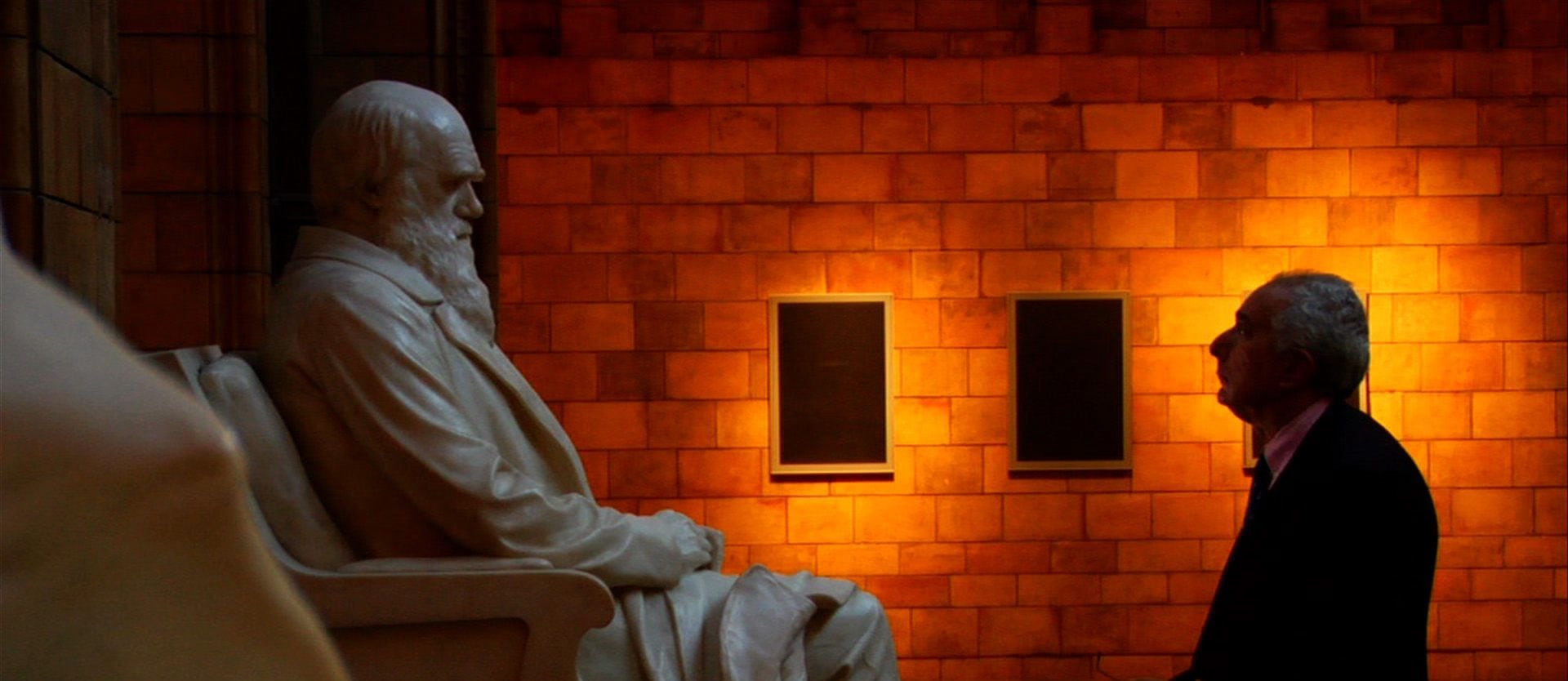
It’s hard to imagine Expelled: No Intelligence Allowed being more one-sided, narrow-minded, and intellectually dishonest.

Blast of Silence begins with a brutal, uncompromising invocation of birth and ends with an almost mystically sensitive death.

The past is a terrible secret that can’t be suppressed in Boy A.

This Brit import employs its affectations less for look-at-me egotistical purposes than in service of its story’s core emotions.

Miller discusses Jones and his other film work, including the upcoming God’s Land.

The First Saturday in May is handicapped by an unavoidable postscript that even nonfans are apt to recall.

If every 10-year-old experienced 20,000 Leagues rather than 10,000 B.C., just imagine the possibilities for cinema’s next century.

Is it still rock and roll if there are more Secret Service agents than groupies milling around backstage?
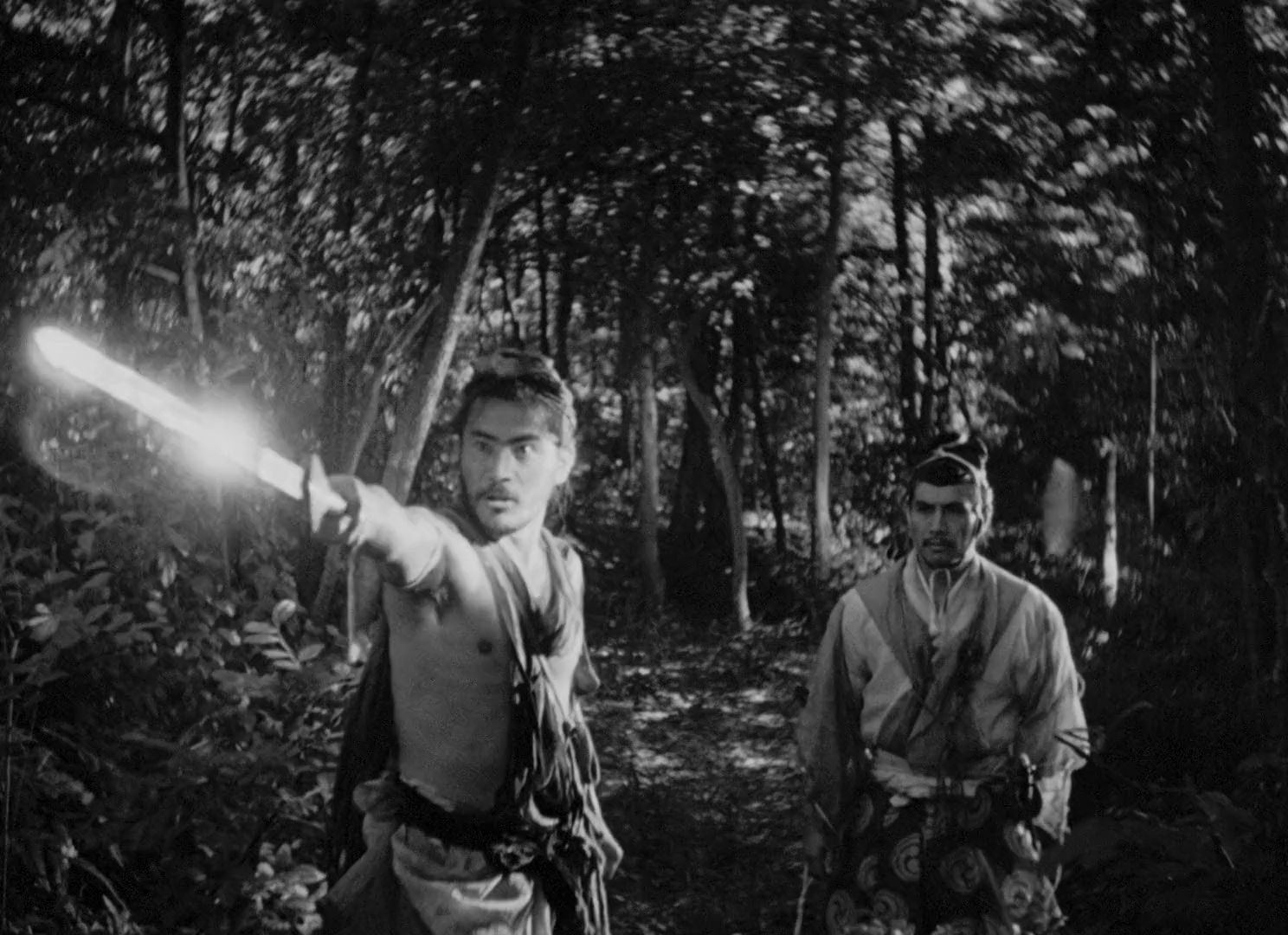
Your reaction to Rashômon will likely be determined, at least in part, by your attitude toward Nietzsche’s assertion that “God is dead.”

The film is memorable only insofar as its colossal, rank ineptitude will linger in unlucky viewers’ minds for years to come.

Well, this week we address the letting go of Nathan Lee and some of our favorite—ok, the Zodiac one—articles he’s penned.

The Forbidden Kingdom plays out like the wet dream of kung-fu fanboy nation.

Sensationalizing can be a useful tool for making people pay attention, and Stalags is a prime example of that fact.

Glass’s status as one of America’s most venerated and mocked highbrows matches gracefully with his peripatetic cultural and spiritual life.

Young@Heart’s worst enemy is its director, Stephen Walker, whose incessant pushing and prodding strives to manipulate in ways both needless and trite.

Whereas Jason Segel makes smart use of this mopey routine, the same can’t quite be said about the film’s employment of the Apatow template.