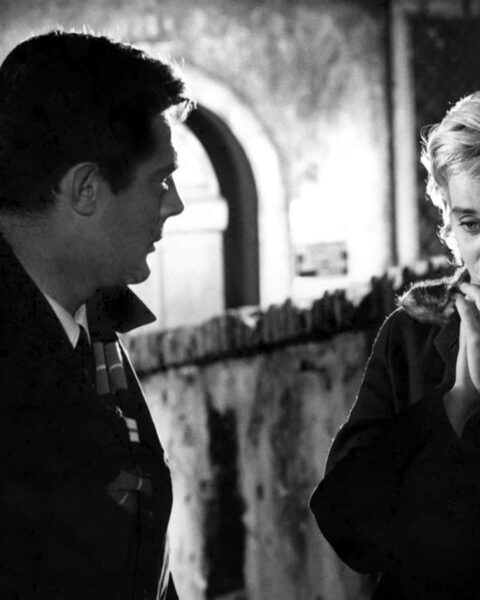
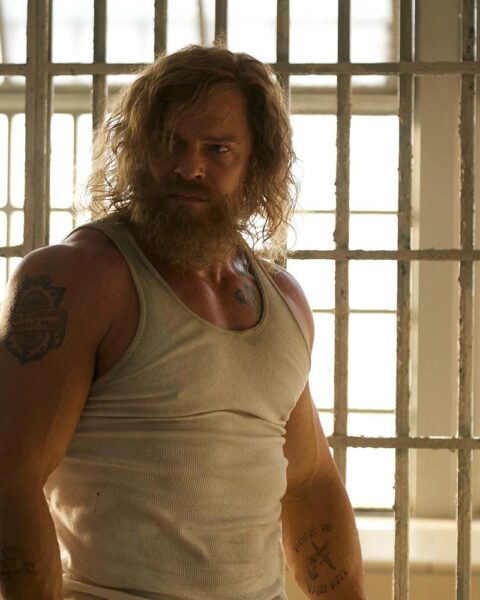
Refn discusses his love of fairy tales, falling through the rabbit hole of streaming, and more.


Refn discusses his love of fairy tales, falling through the rabbit hole of streaming, and more.

Kyle Wilamowski’s film trades not in a nostalgia born of genuine lived experience, but of cinematic clichés.
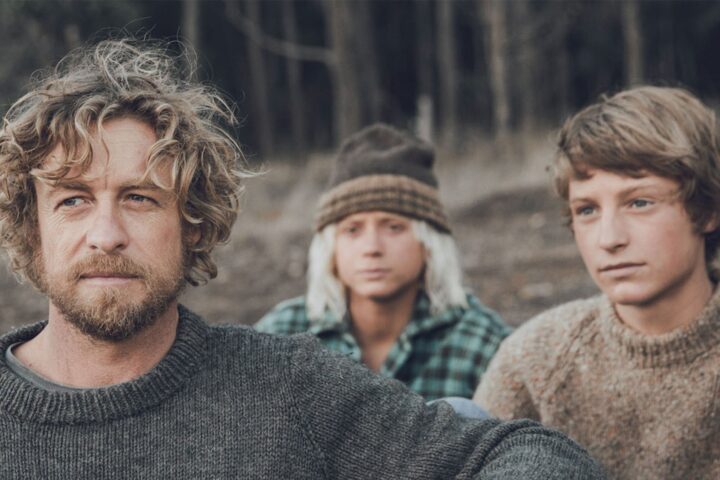
Simon Baker’s film isn’t about surfing so much as it is about riding a wave that must eventually break and recede.
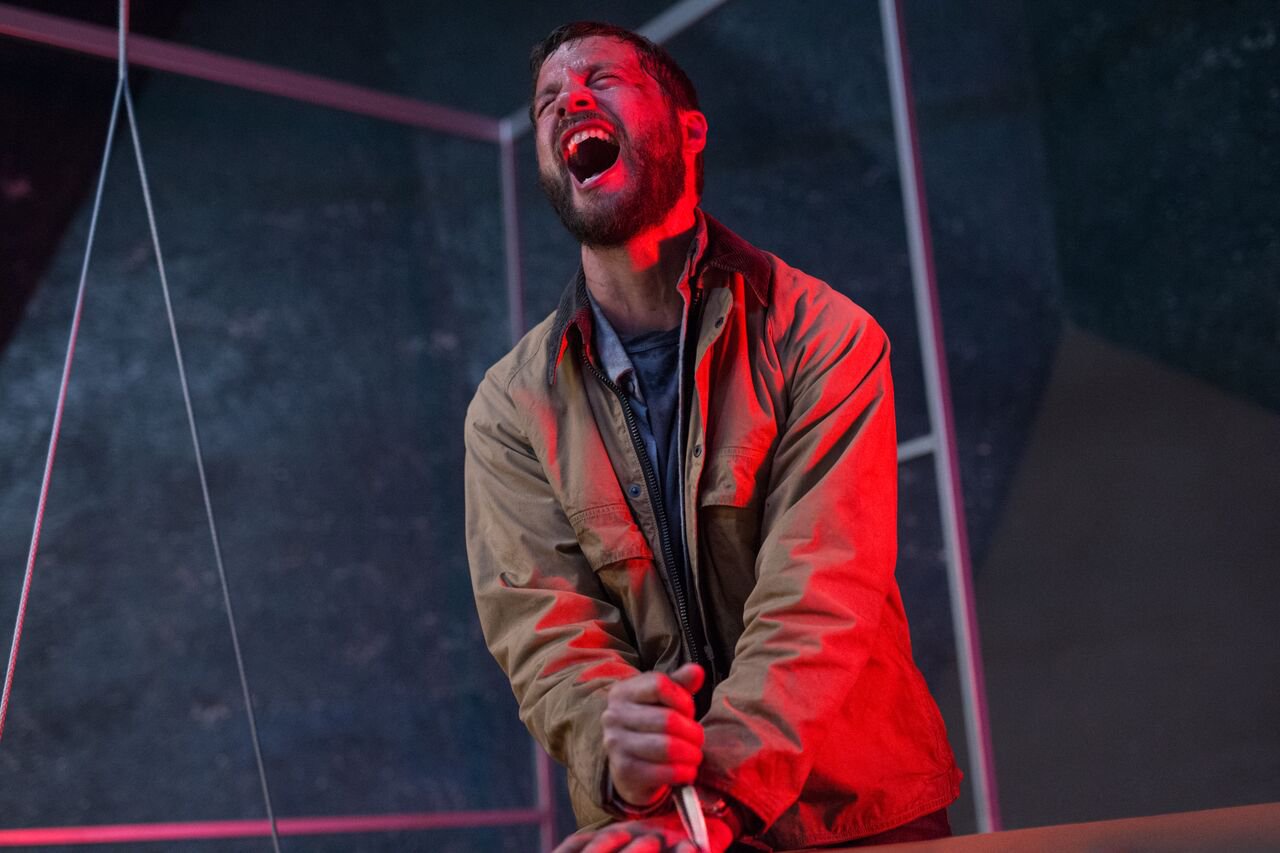
Upgrade serves up its cautionary tale with a schlocky blend of dark humor, breakneck action, and unsettling body horror.

Bart Layton’s American Animals is a heist film at heart, albeit one that hews closely to the historical record.

Silas Howard’s film feels like a scenario from a textbook about handling a child’s gender nonconformity.
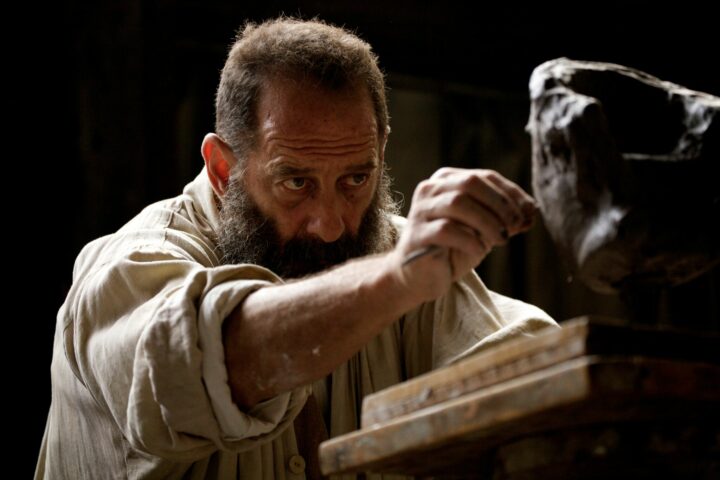
Director Jacques Doillon’s shrewd ellipses emphasize time as a great and uniting humbler and thief.
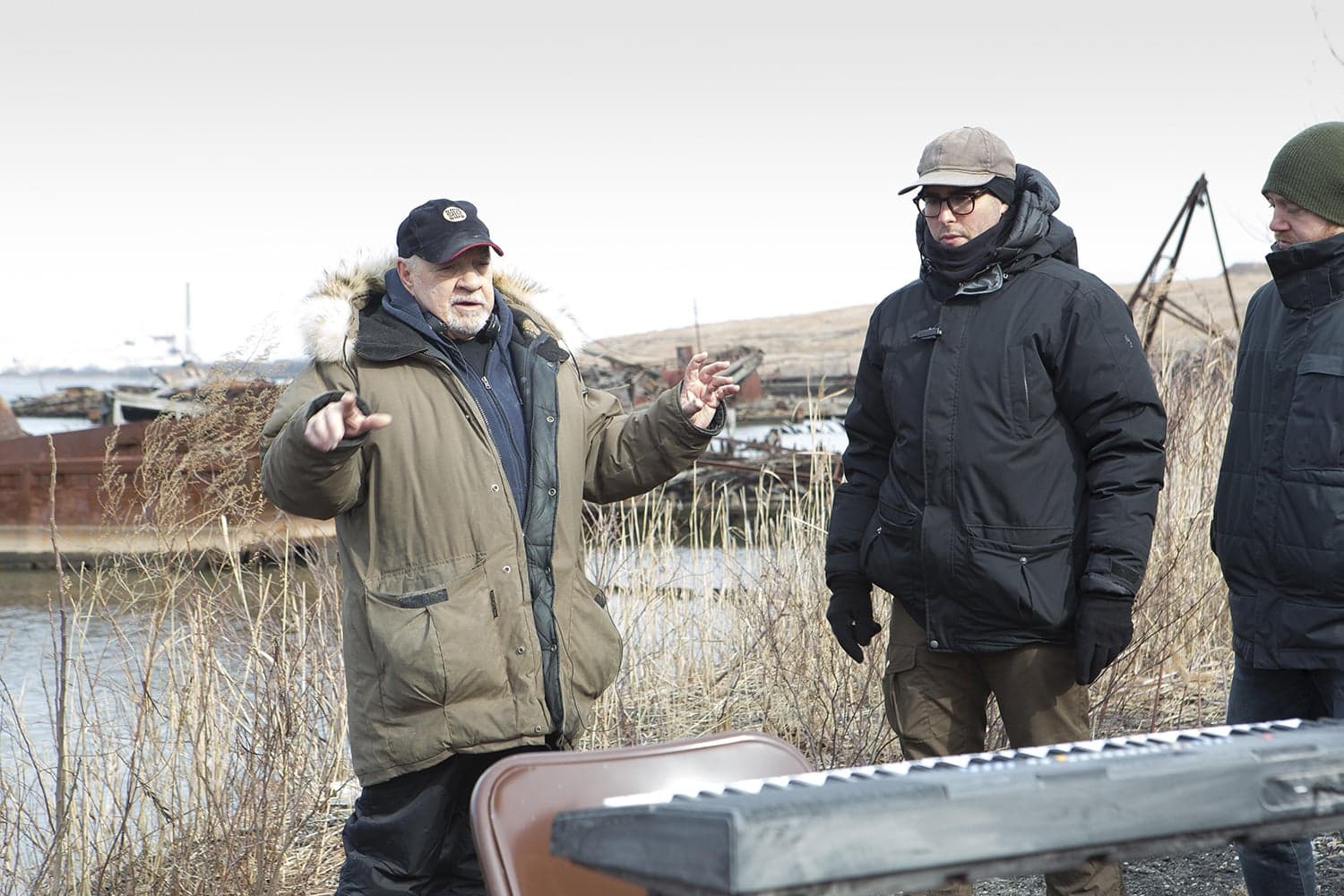
Schrader discusses when an artist should show his internal critic the door.

The film is a profound statement on the dissonances that inform 21st-century China.
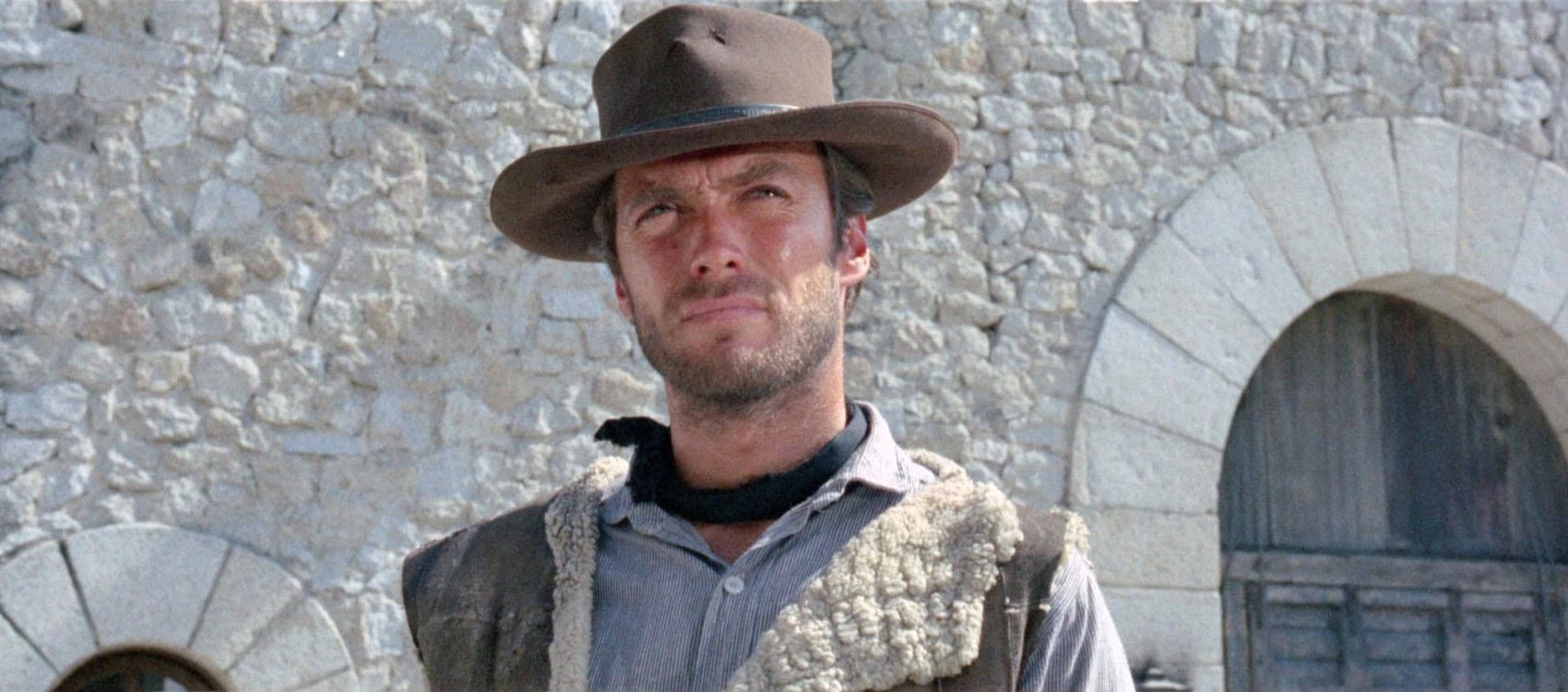
A Fistful of Dollars uses American myths as fodder for a visionary director’s formalist carnival.
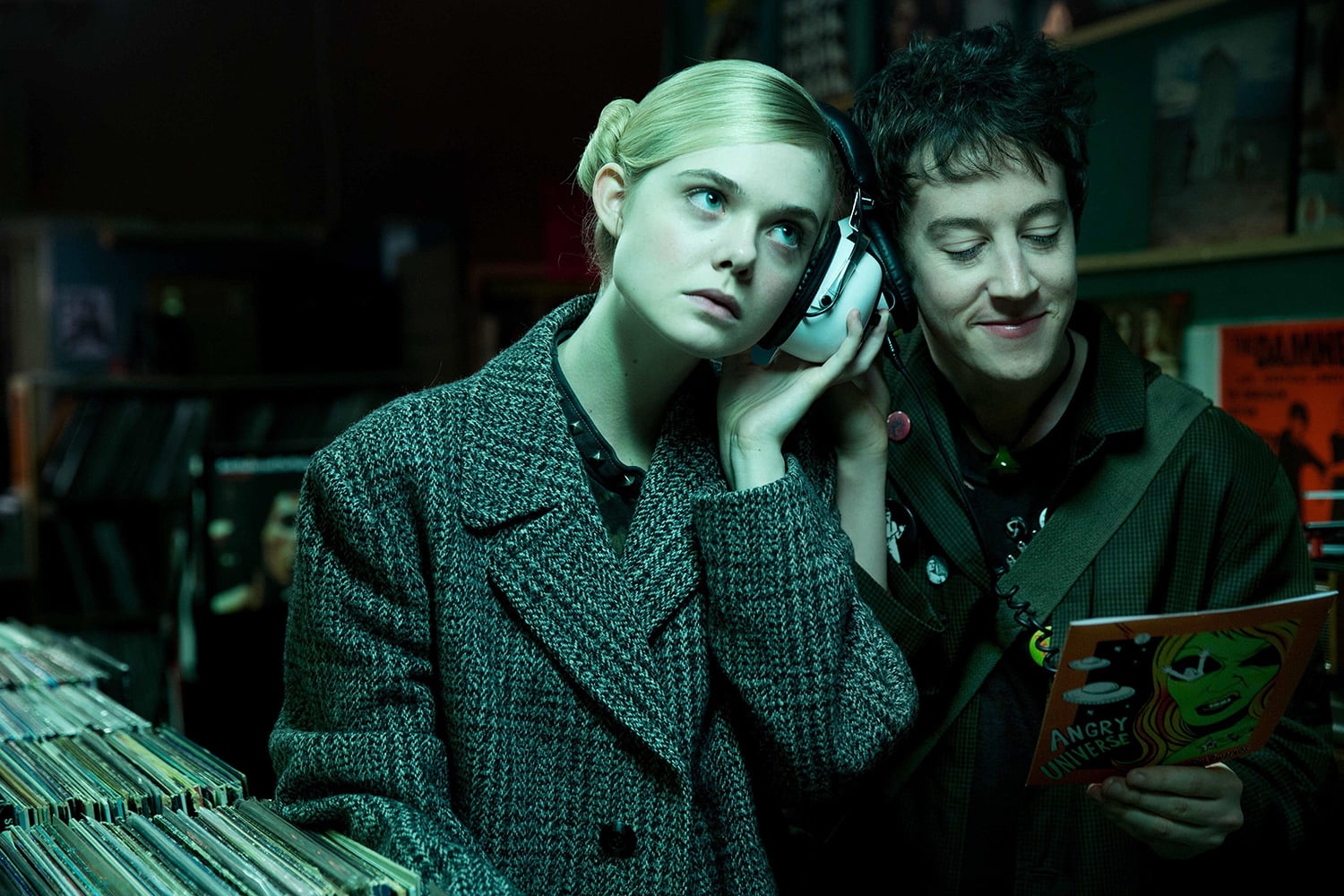
The film expects us to be compelled by an undercooked love story, and troubled by unexplained cosmic politics.

Carla Simón’s film remains at its core a tightly wound examination of childhood psychology.

The old punk has put down the makeshift ethos of safety pins in favor of glossy couture and seamless tailoring.

Anthony Bryne’s high-flown style only serves to highlight the film’s icky way of exploiting real-world tragedy for kicks.

The Wild Pear Tree sees Nuri Bilge Ceylan in a kind of self-aware dialogue with himself about the methodologies of his work.

Hopefully the arguments against Capernaum from the more discerning jury members will be strong enough to keep Nadine Labaki’s film from taking the Palme d’Or.

It feels like Lee Chang-dong’s most reflexive comment on the dramatic possibilities of his favored narrative form.

It rarely pushes past pleasant, liberal-minded platitudes to explore the man beneath the cassock.

The film registers an awareness for the narcotic qualities of cinema, particularly films that address matters of race.

The makers of this rescued-footage documentary ultimately understand the power of its subjects’ personalities.
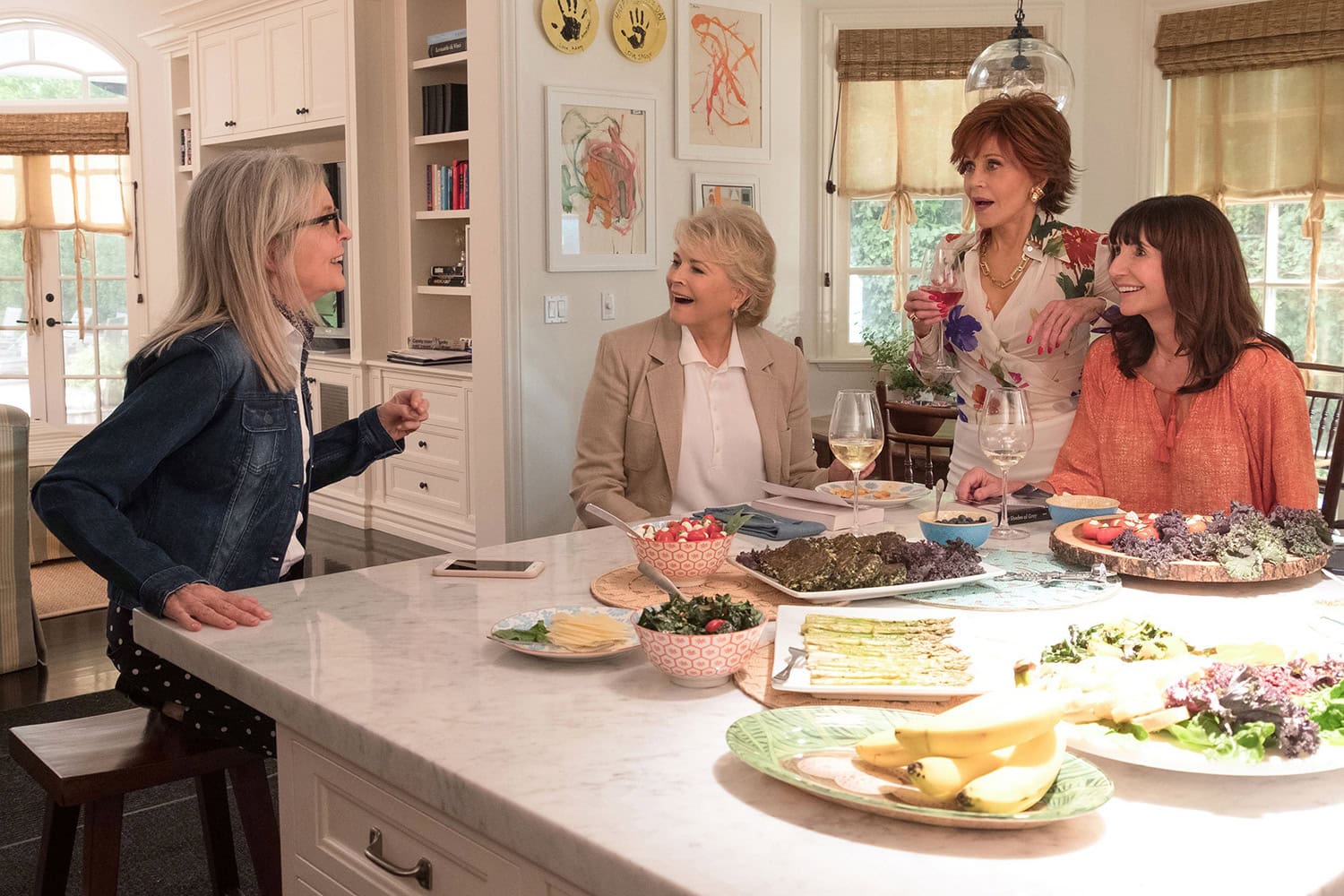
It’s said that casting is 90% of directing, and it seems to be 90% of the writing in Bill Holderman’s Book Club.