Refn discusses his love of fairy tales, falling through the rabbit hole of streaming, and more.


Refn discusses his love of fairy tales, falling through the rabbit hole of streaming, and more.

Lars von Trier’s film is about the ways of responding to art without the boundaries of morality and reason.

This is another quarter-billion-dollar installment in the world’s longest and most expensive screensaver.

The imaginative daring of Dominic Cooke’s On Chesil Beach springs from its willingness to render repression sexy.

The actor discusses the social fabric of Matthew Porterfield’s film and growing up in Baltimore.

It climaxes with a clever workaround of the superhero blockbuster’s overreliance on apocalyptic finales.
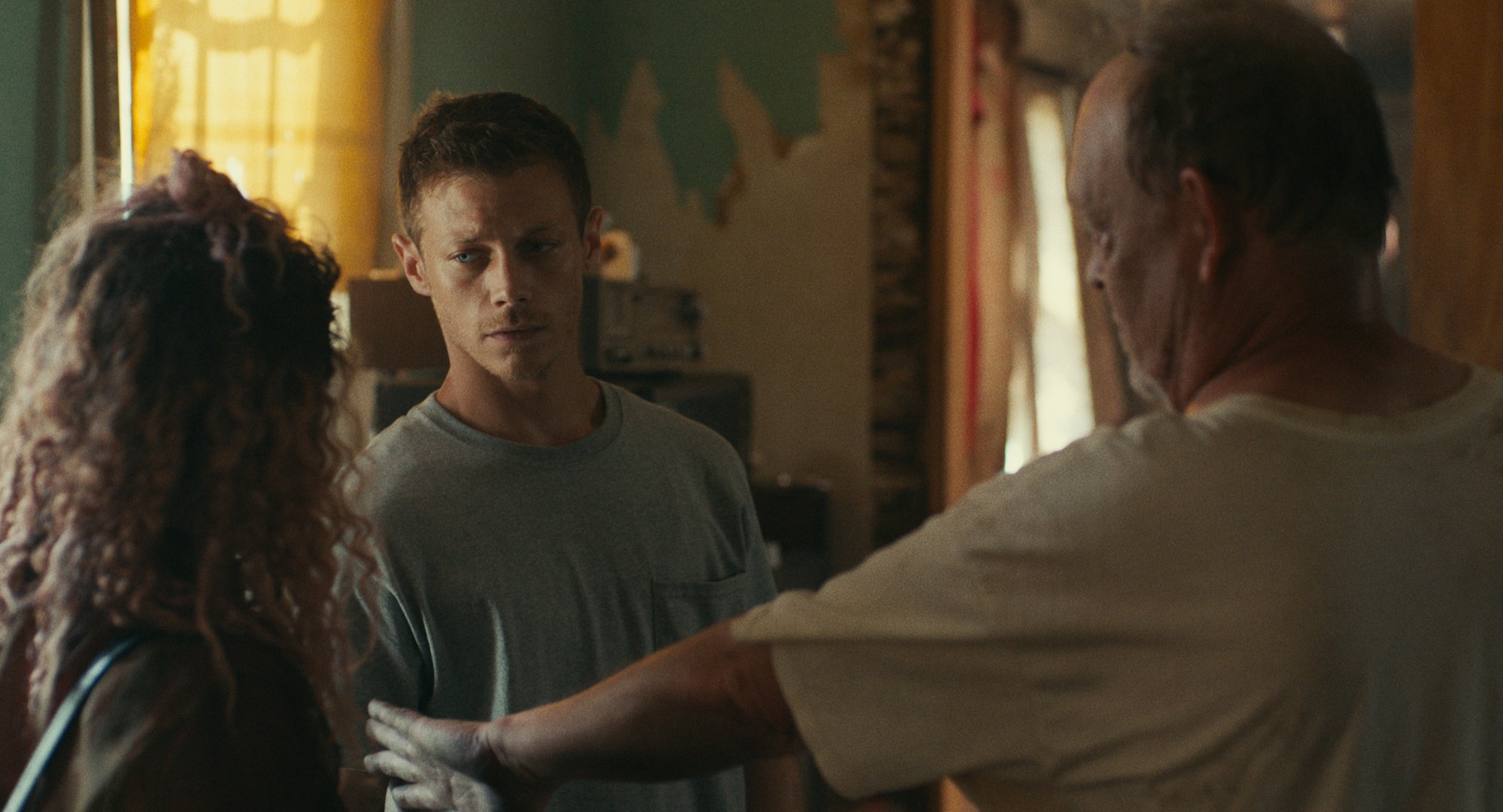
Most of the film’s great moments belong in Matthew Porterfield’s traditional observational wheelhouse.

Noé’s relative narrative economy allows for Climax to feel like only a disappointing missed opportunity.

There’s a lot of sexual violence in the film, but it scans as unimaginatively repulsive and blatantly misogynistic.

It’s clear that the film was conceived as an expansive homage and eulogy for the late Abbas Kiarostami.

By exercising a certain madness, Jean-Luc Godard’s film connects even at its most disjointed.

Wang Bing’s colossal documentary is an incisive reappropriation of collectivist solidarity.

The film is, even by Paul Schrader’s standards, a bleak endeavor, concerned with the durability of spirituality.

It’s the precise calibration of narrative minimalism and aesthetic elementalism that makes Cold War so striking.

Christophe Honoré’s playful pop instincts are on display throughout Sorry Angel in short, affecting bursts.
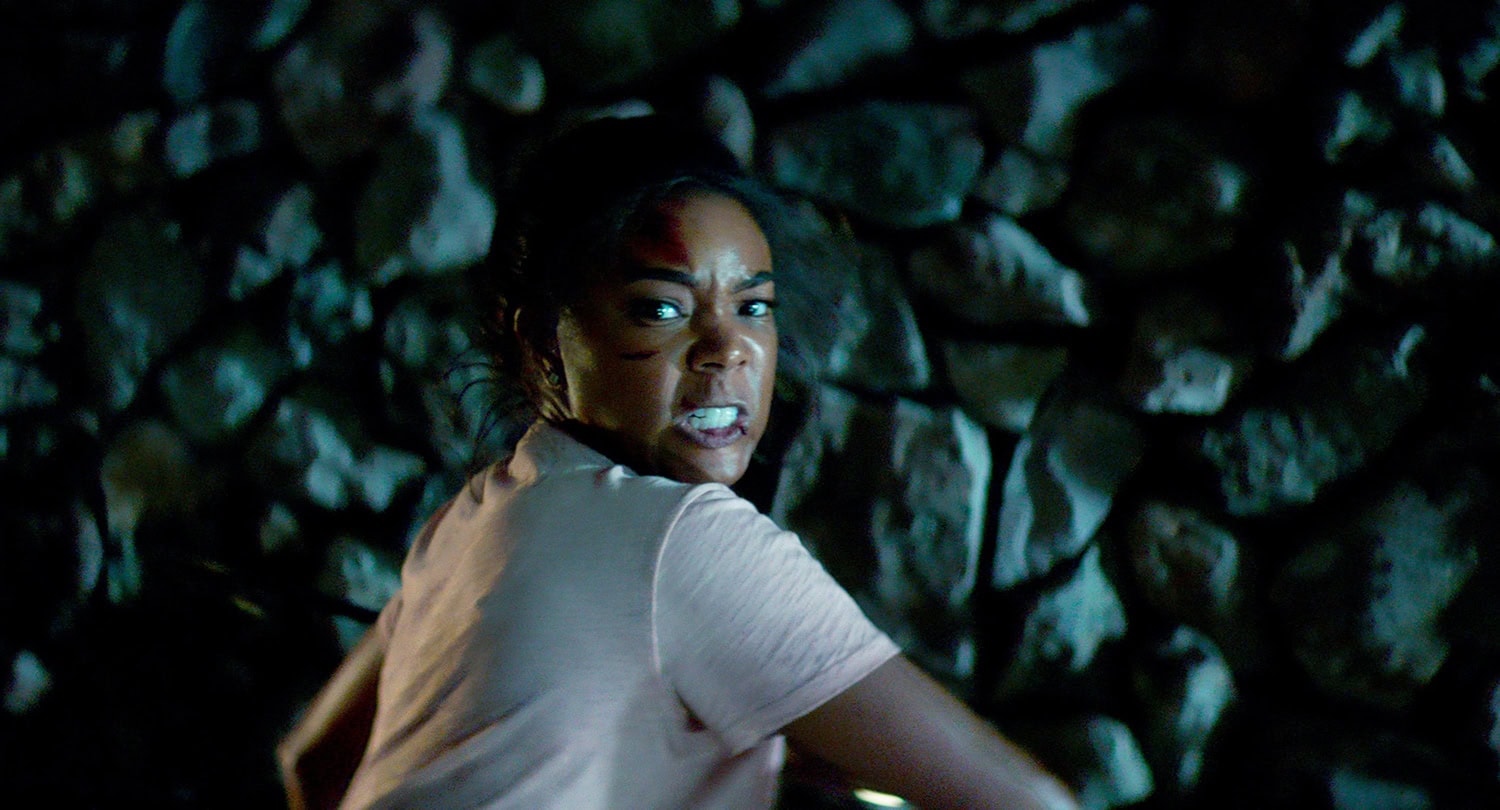
James McTeigue’s Breaking In is the sort of incompetently constructed thriller that gives B movies a bad name.

Life of the Party sets up an intergenerational, interfamilial odd-couple buddy-comedy scenario that it never makes the most of.

It deals with a very ordinary emergency with deftness of touch, and the power of a singular performance.

Most film critics have a pretty good handle on what it is a director does, what a cinematographer does, what an editor does. Acting, however, remains a little bit mysterious.

Tony Zierra interviews Leon Vitali at length, and he’s a commanding camera object with an obvious wellspring of longing and pain.

Everybody Knows rests a bit awkwardly between an emotionally complex melodrama and a shallow genre film.