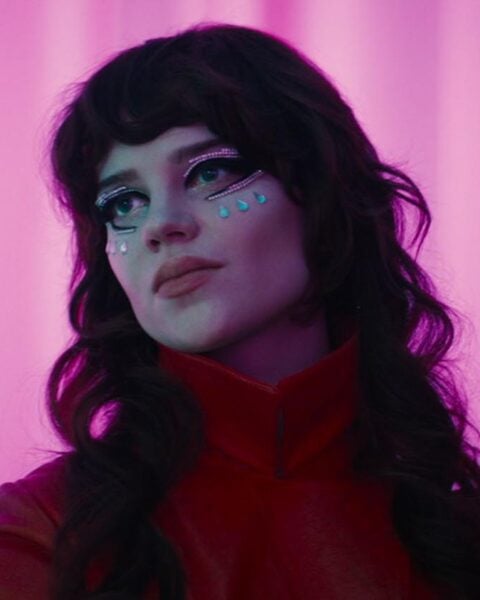
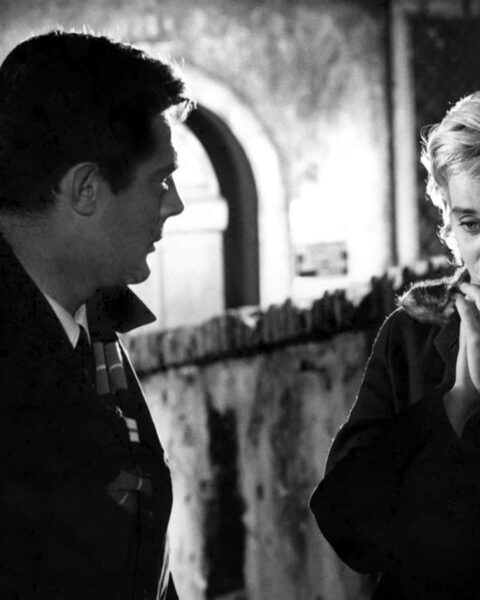
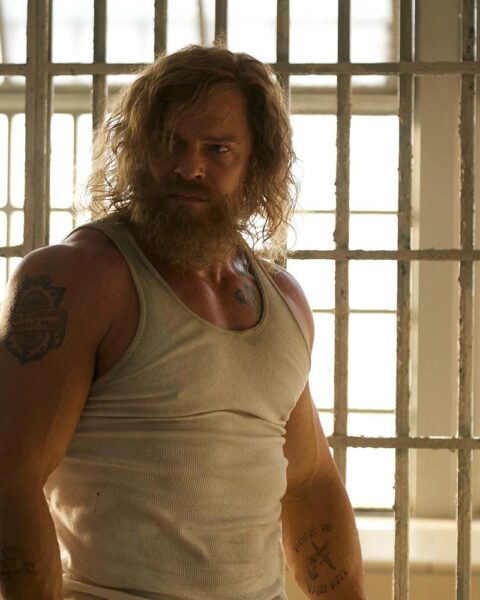
Refn discusses his love of fairy tales, falling through the rabbit hole of streaming, and more.
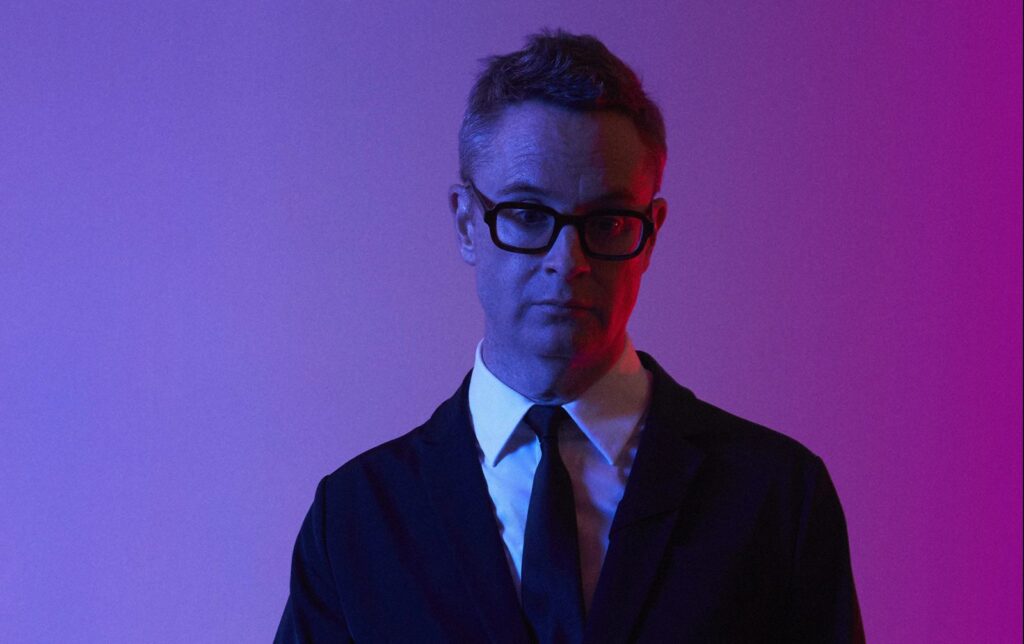

Refn discusses his love of fairy tales, falling through the rabbit hole of streaming, and more.

The broad strokes of the performances make the film’s occasional lurches into sentimentality seem especially jarring.

Like the film’s multilayered, symbolic cakes, Tim Kalkhof’s performance avoids over-simplification.
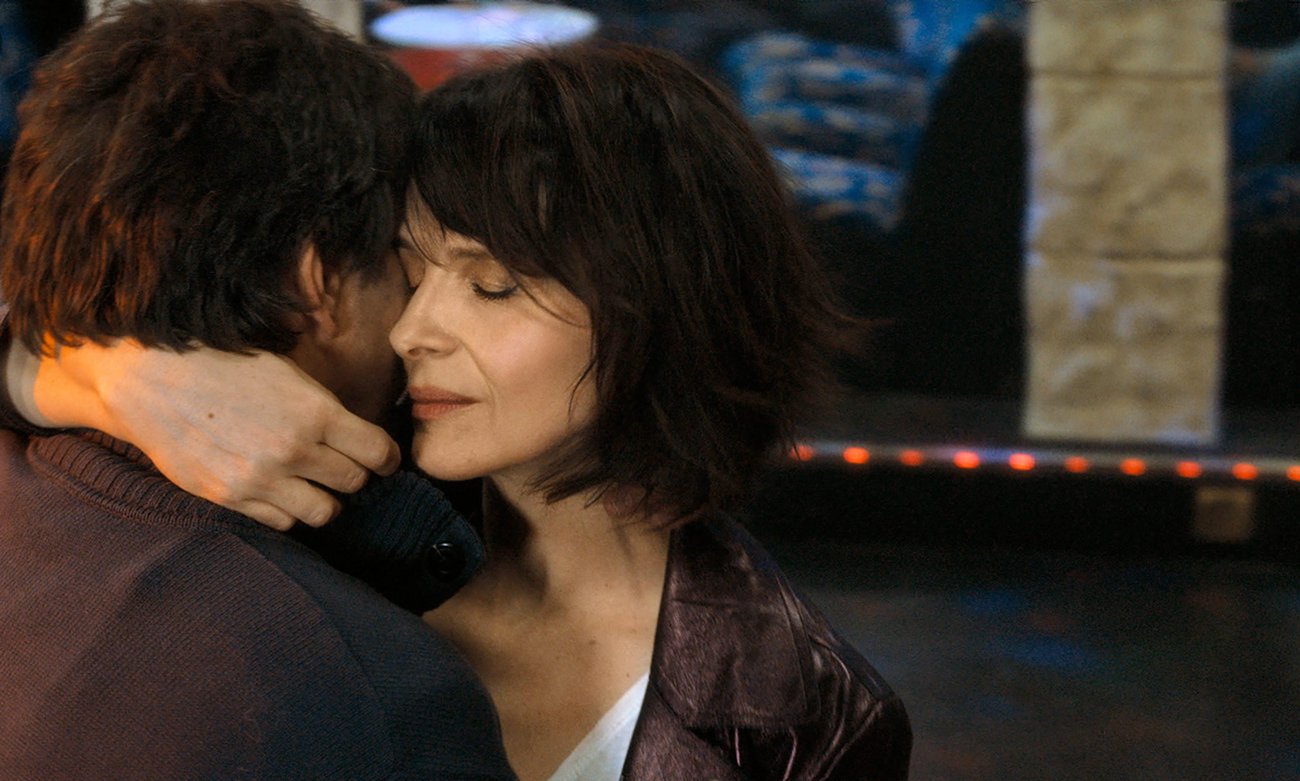
These films are united not only by their greatness but, with one exception, by their relative obscurity in the pop-art landscape.

Susanna White and screenwriter Steven Knight’s white patriarchal guilt is the film’s driving energy and motivation.

The brother-sister drama at the center of writer-director Clio Barnard’s film remains frustratingly hazy.

Legrand discusses how his filmmaking connects to pressing social issues off screen.

Custody captures the innate perversion of violence, dramatizing an annihilation of social stability.
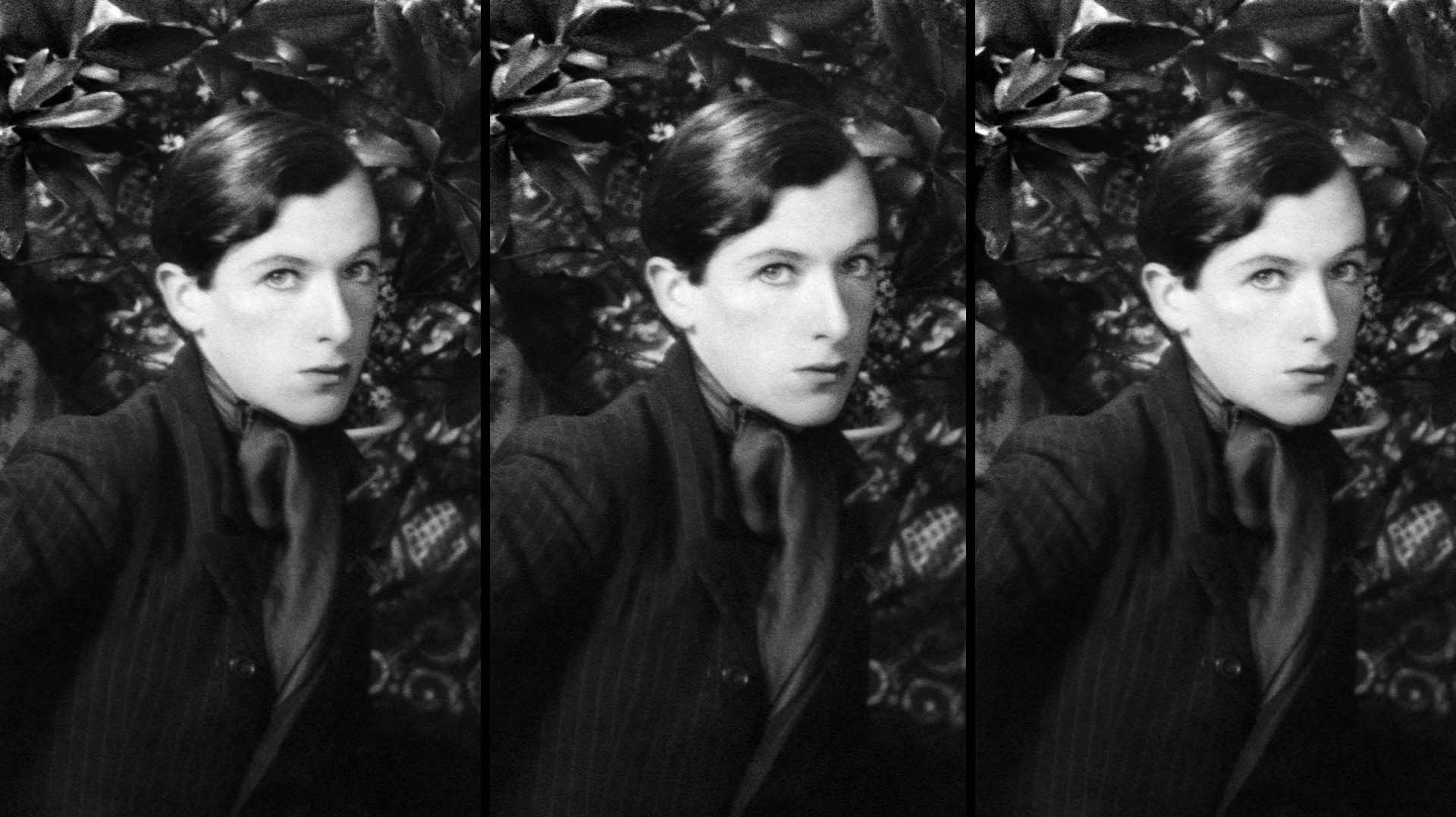
Director Lisa Immordino Vreeland’s avoidance of a serious analytical bent ends up stifling the documentary.

The film is unmistakably alive to the humiliations of the social systems that keep the lower classes in their place.

Schimberg’s film isn’t much of an argument, just a provocative discussion.
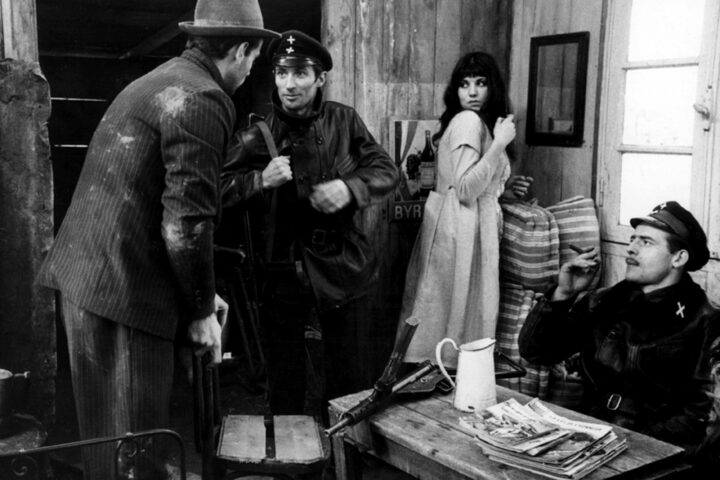
Jean-Luc Godard’s conviction that action, and not idle thought, is the lifeblood of social progress is palpable.

This bloody neo-western is enlivened by an acute grasp of the impossibilities that abused Indonesian women face.
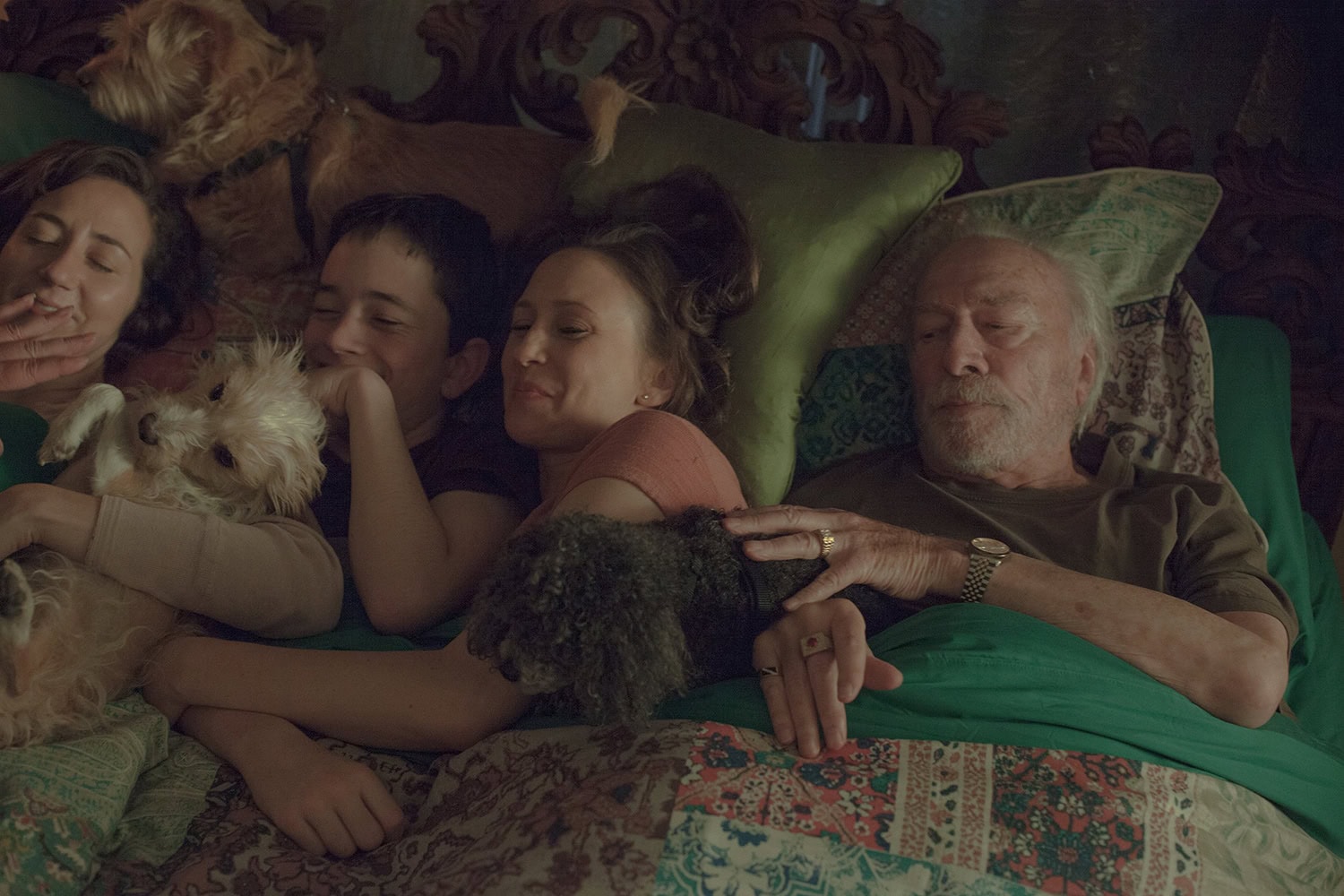
Writer-director Shana Feste’s film alternates between cutesy comedy and undercooked emotional drama.
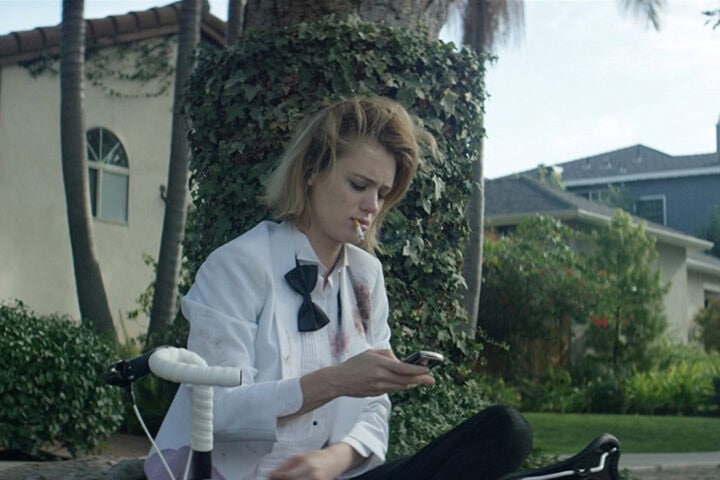
The film renders a vivid world of drunks and schemers who live marginally on the outskirts of Los Angeles.

As it proceeds, the appeal of its nostalgia wears thin and you may notice that there isn’t much beyond the window dressing.

Director Jeff Tomsic’s debut feature film, Tag, is exactly the Terms of Endearment our era deserves.

Its scattershot structure gets at the truth of pop culture as an ineffable chimera that defines much of the world.

Though the film is ostensibly a political thriller, it more often plays like an adaptation of a trashy romance novel.

Incredibles 2 primarily concerns male anxiety about women taking over traditionally masculine roles.
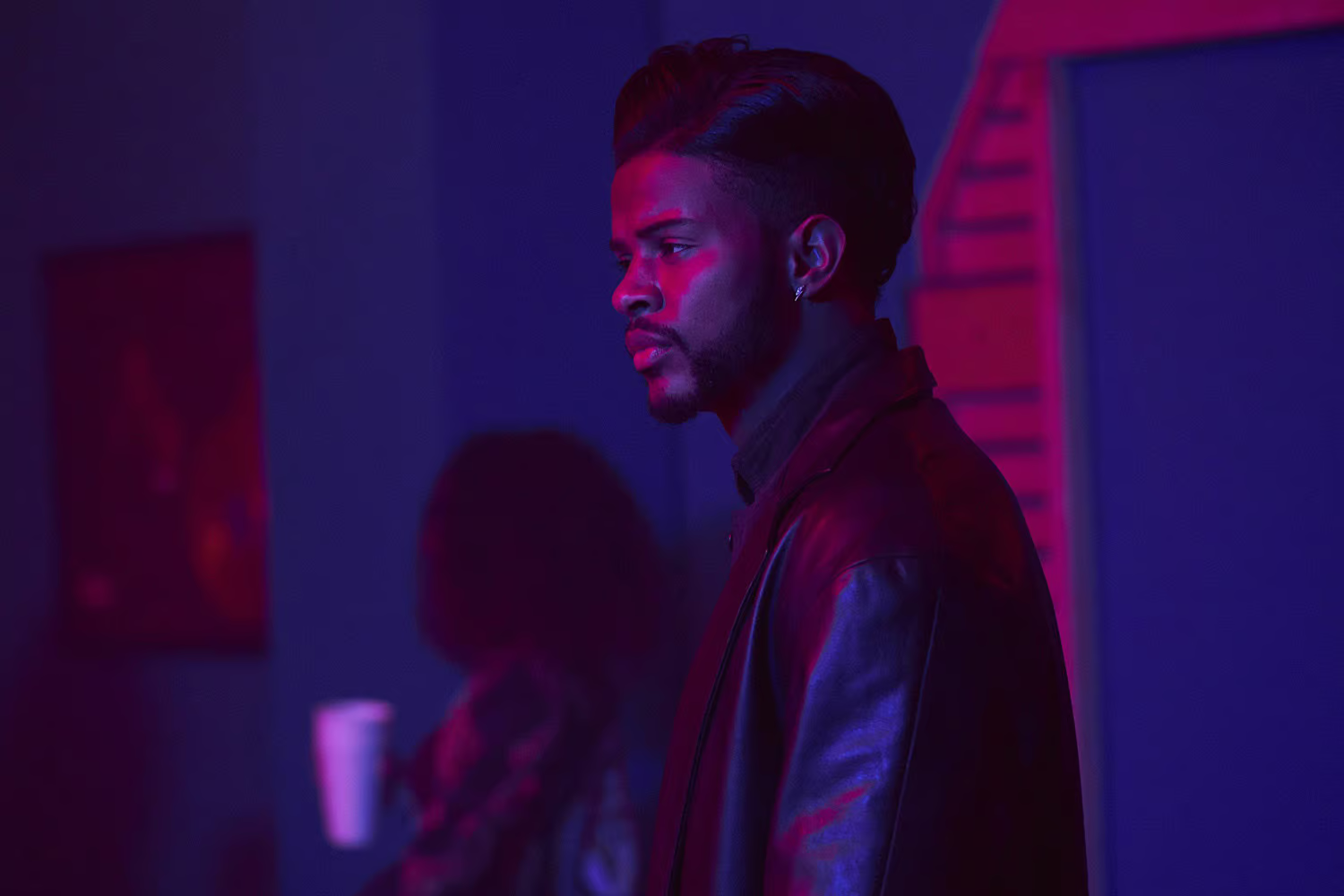
It only hits its stride when its hedonistic images are paired with the stoned-out grooves of Future’s original songs.