This year brought 18 features and seven shorts, all presented with live musical accompaniment.
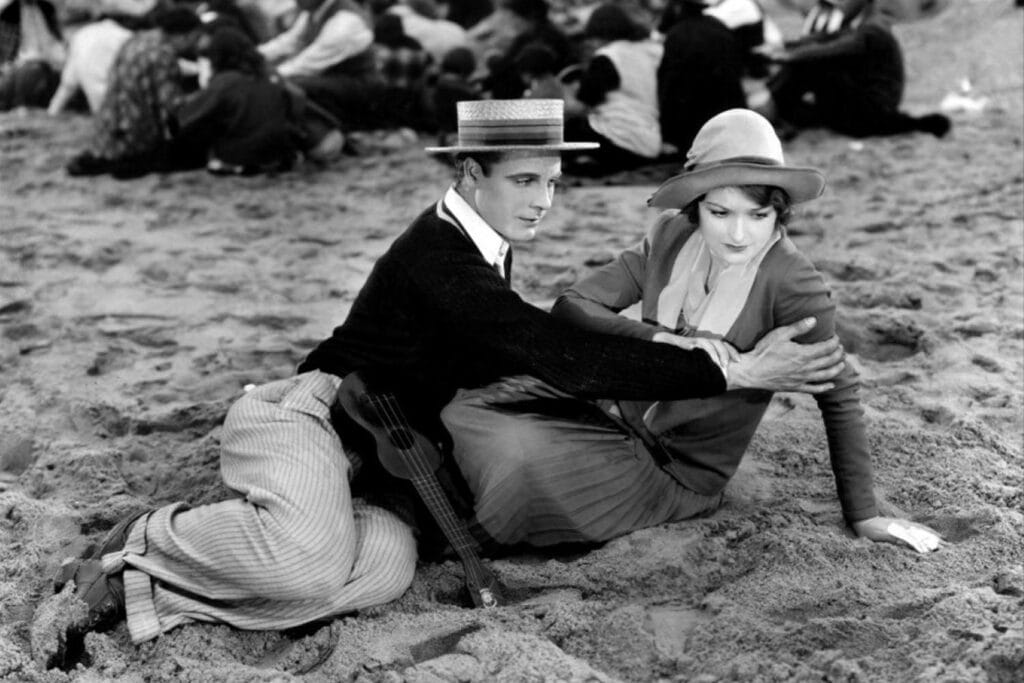

This year brought 18 features and seven shorts, all presented with live musical accompaniment.
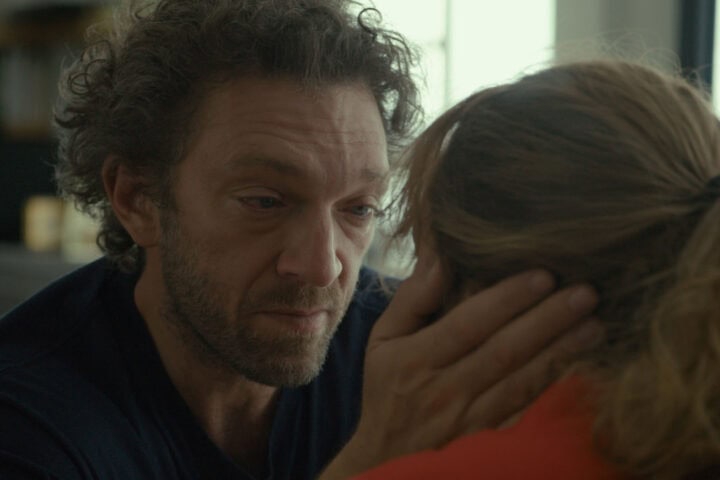
My King might have been more resonant had Maïwenn allowed more time and space for her characterizations to organically develop.
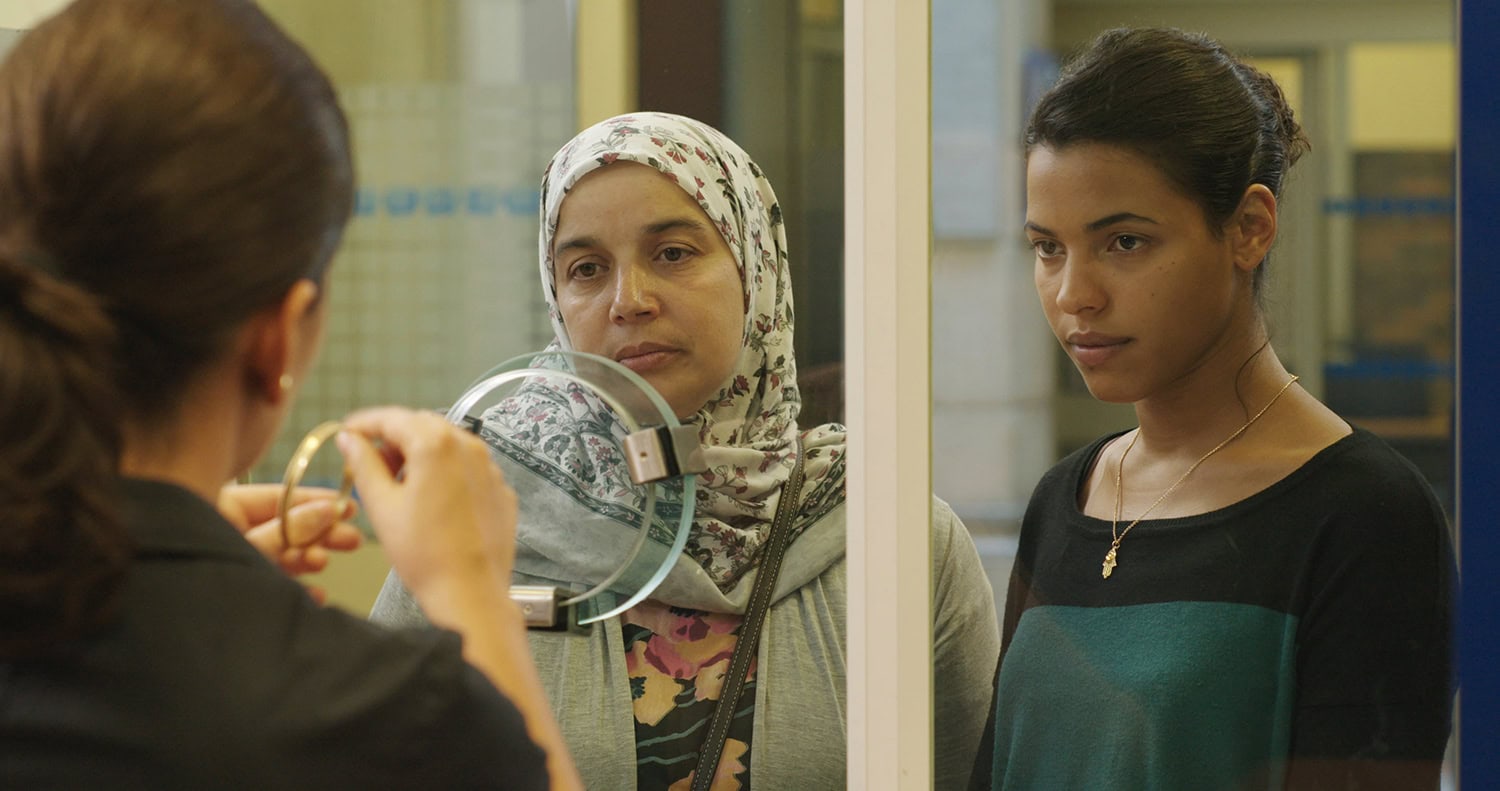
These films present very different versions of motherhood in France, both of which emerge out of social precarity.

More than a great queer film, Don’t Call Me Son is a great career move for Anna Muylaert.
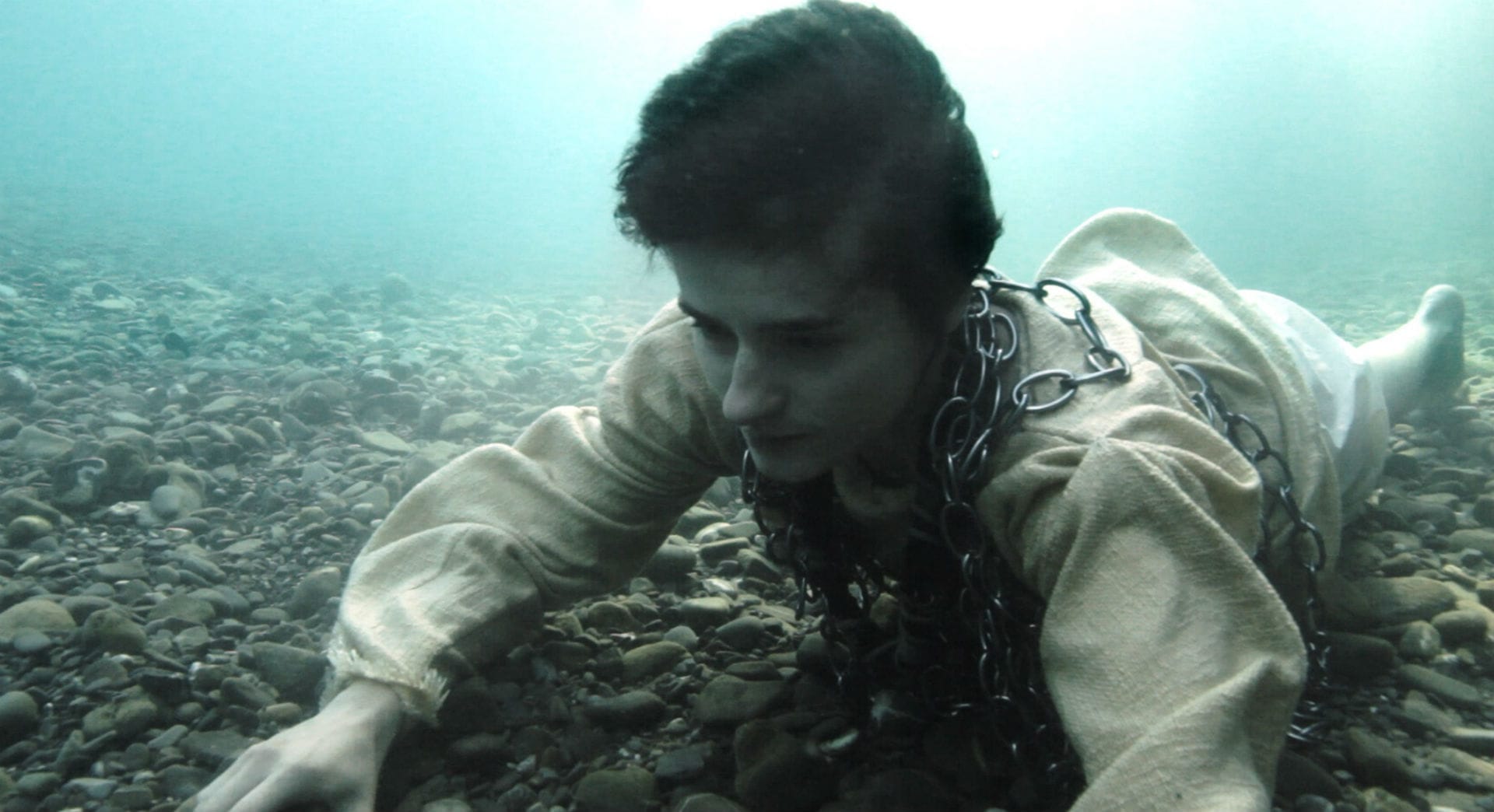
Bellocchio’s aesthetics reflect the conversation between past and present in imaginative ways.
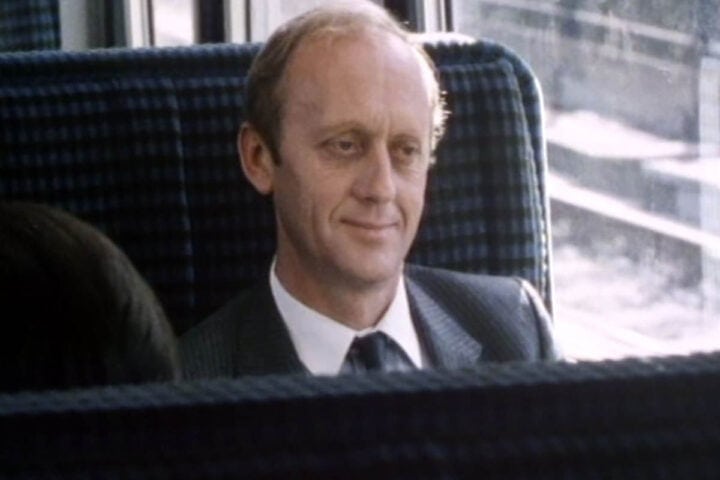
Ray Davies seamlessly transitions to the role of director and shapes his artistry for a new format.

The film is a refreshing and overdue exposure of the violence that white male privilege breeds and needs to reassert itself.

Celestine’s submission to an evil and violent man becomes an eloquent indictment of a nation’s anti-Semitism.

Despair and ecstasy erupt from the fabric of the film with a blistering, almost physical intensity.

Mia Hansen-Løve suggests that the desire for fulfillment—of ideology through revolution, of true love through coupledom—is a cute illusion wasted on the young.

It never breathes, never looks away, never digresses. Every single scene is a confrontation of its one and only theme.
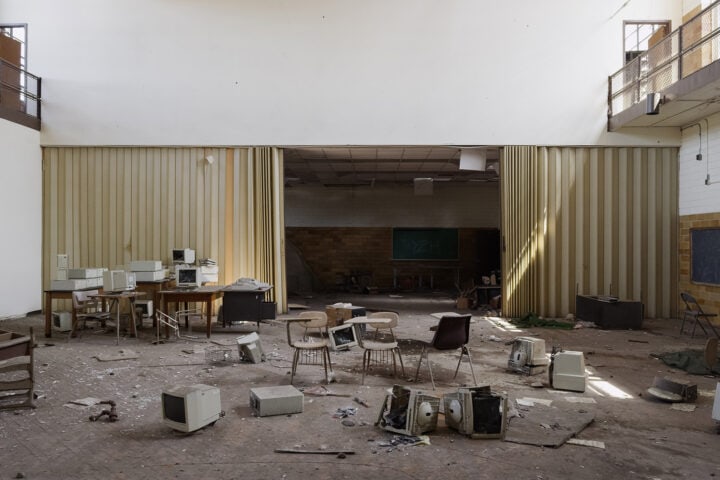
Geyrhalter seems to treat a decomposed space as a form of letter for some kind of alphabet to emerge.

The film is about how the stories we tell children, as well as the ones they witness for themselves, attach themselves to their little bodies like bee stings.

25 April captures the participants’ experience of the Gallipoli Campaign as it shifts from being a kind of game or sport to an increasing nightmarish vision of hell on Earth.

Terrence Malick’s juxtaposition of the beautiful and grotesque captures life as a Felliniesque carnival, at once sad and life-affirming.

Mir-Jean Bou Chaaya’s Very Big Shot remains skeptical about the transformative power of cinema, since it operates by the whims and capital of a select few.

In one ill-conceived decree, Coppola transformed himself from cinema’s godfather into cinema’s helicopter parent.

While female filmmakers might be in short supply at the festival, female subjects initially seem common.

The festival provided an opportunity to compare these modern works to epochal, recently restored Argentine documentaries from the 1960s.
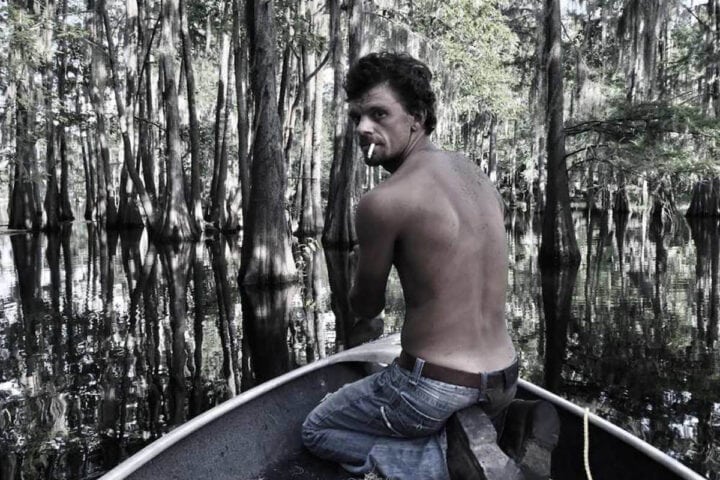
The Seville European Film Festival has no qualms with including international co-productions in its regular lineup.
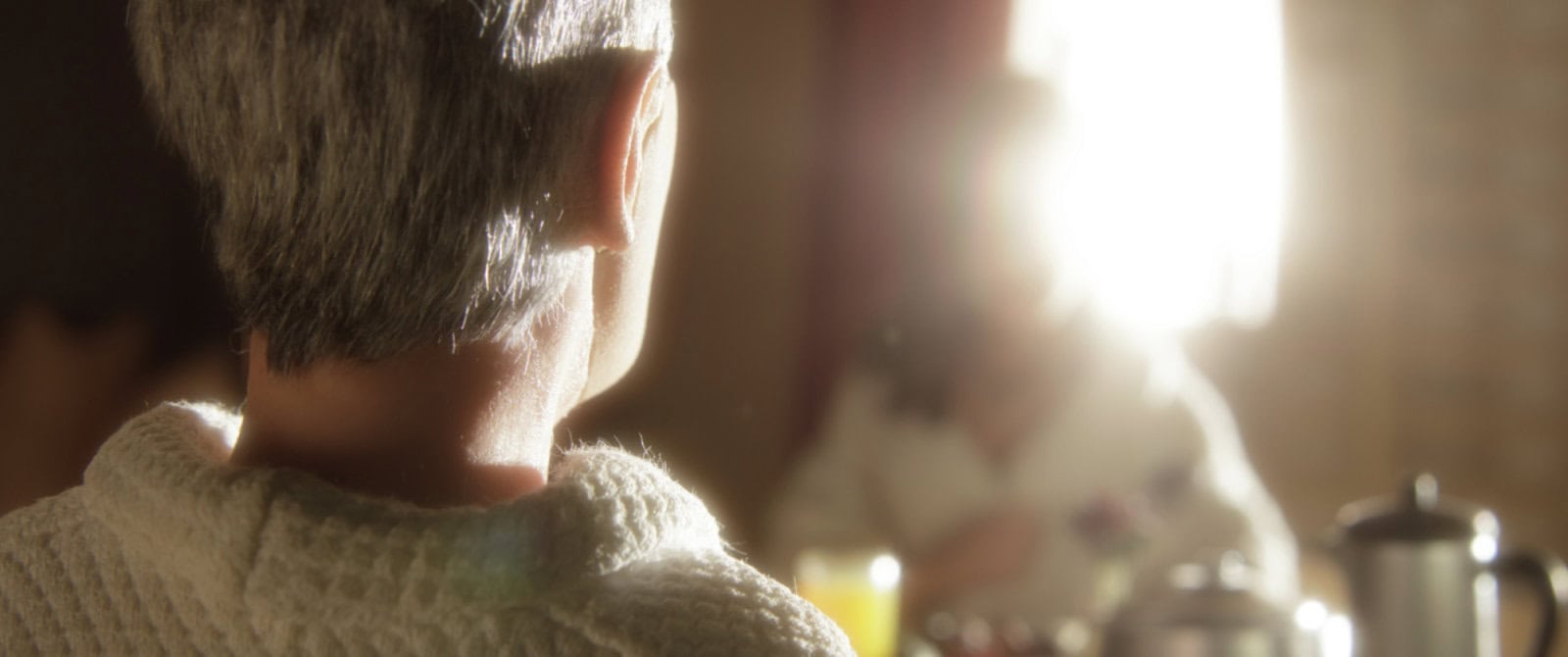
Anomalisa exhibits Charlie Kaufman’s patented mix of tender melancholy and dark, absurdist comedy.