There’s an enigmatic quality to the role of Nolan in the current filmmaking landscape.

There’s an enigmatic quality to the role of Nolan in the current filmmaking landscape.
The films on our list prove that modern culture is currently obsessed with nostalgia, the very lifeblood of cinema.

Size isn’t just a matter of square footage when it comes to the games that have awed us this year.

Let’s hope Broadway’s most racially diverse season will be capped by a ceremony that fully celebrates that sea change.
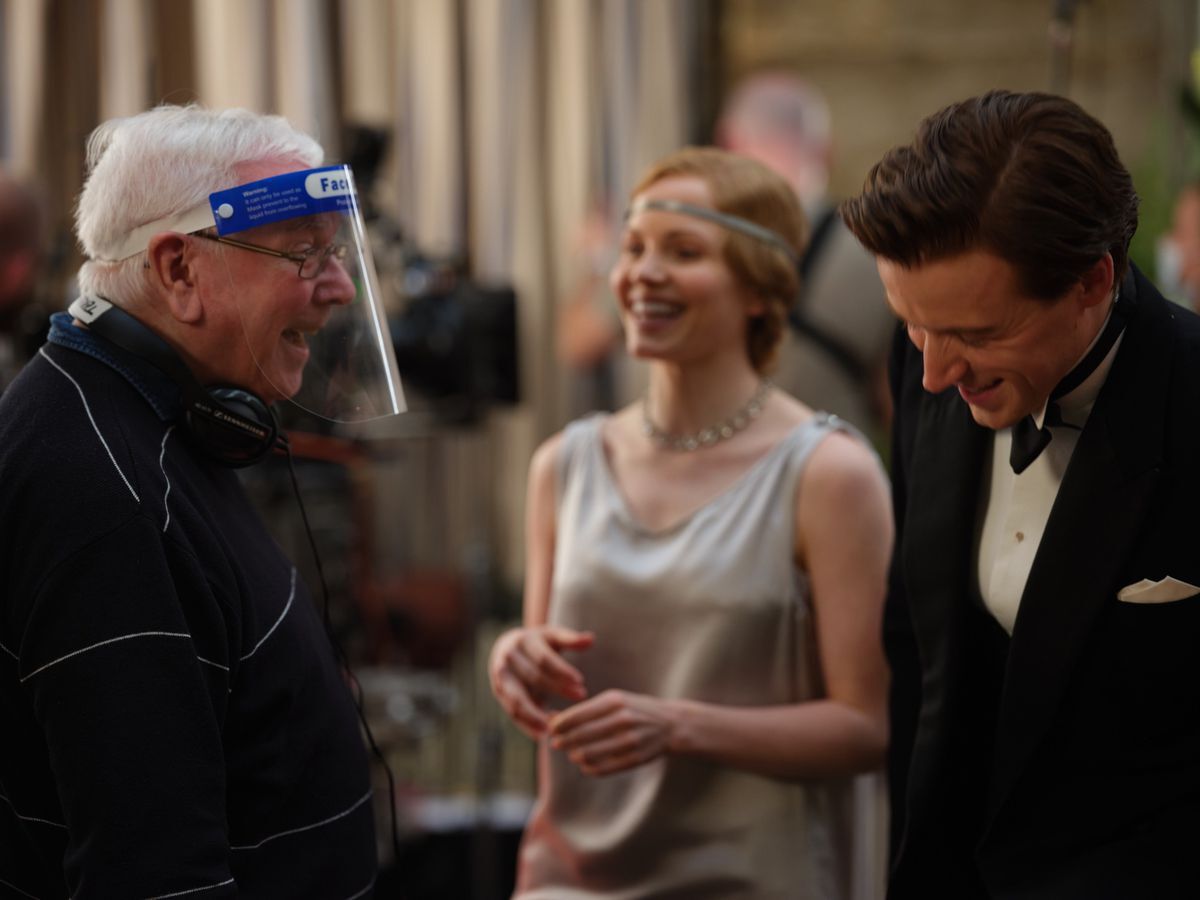
Davies discusses the autobiographical elements of Benediction, and Lowden his charge to feel every moment rather than act it.

Paula Vogel discusses why she thinks her play has remained sadly pertinent over the past two and a half decades.

Gaspar Noé discusses his use of split-screen, and what he thinks about death after grappling with it so directly across his work.

These 12 incredible films show us utopias, dystopias, distant planets, and our own Earth destroyed.
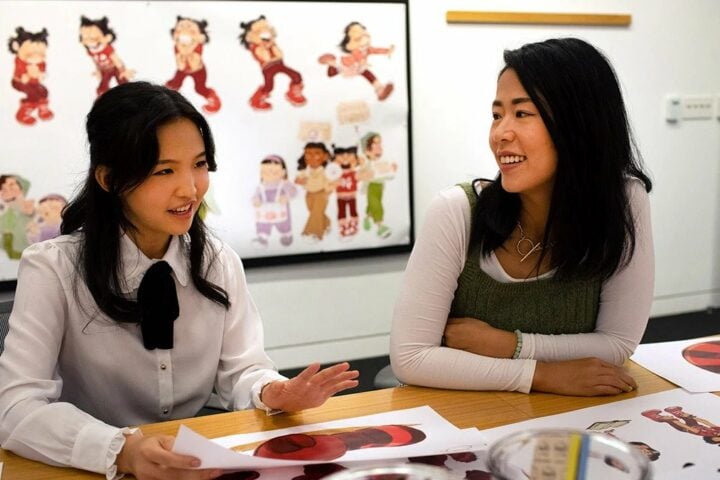
Director Domee Shi and producer Lindsey Collins discuss what the role of storytelling can be in creating change.

For all his density and heady conceptualism, Klaus Schulze remained a playful, earnest maker of music all his life.

Don Winslow discusses how he’s seeking to establish crime fiction as another grand thread in the canvas of the entire storytelling tradition.

Here’s hoping that TCMFF marches forward and continues to remind us of every reason why the movies are so essential.

Pamela Adlon discusses the pitch for Better Things, the evolution of her TV kids, and the supernatural sinew that holds it all together.
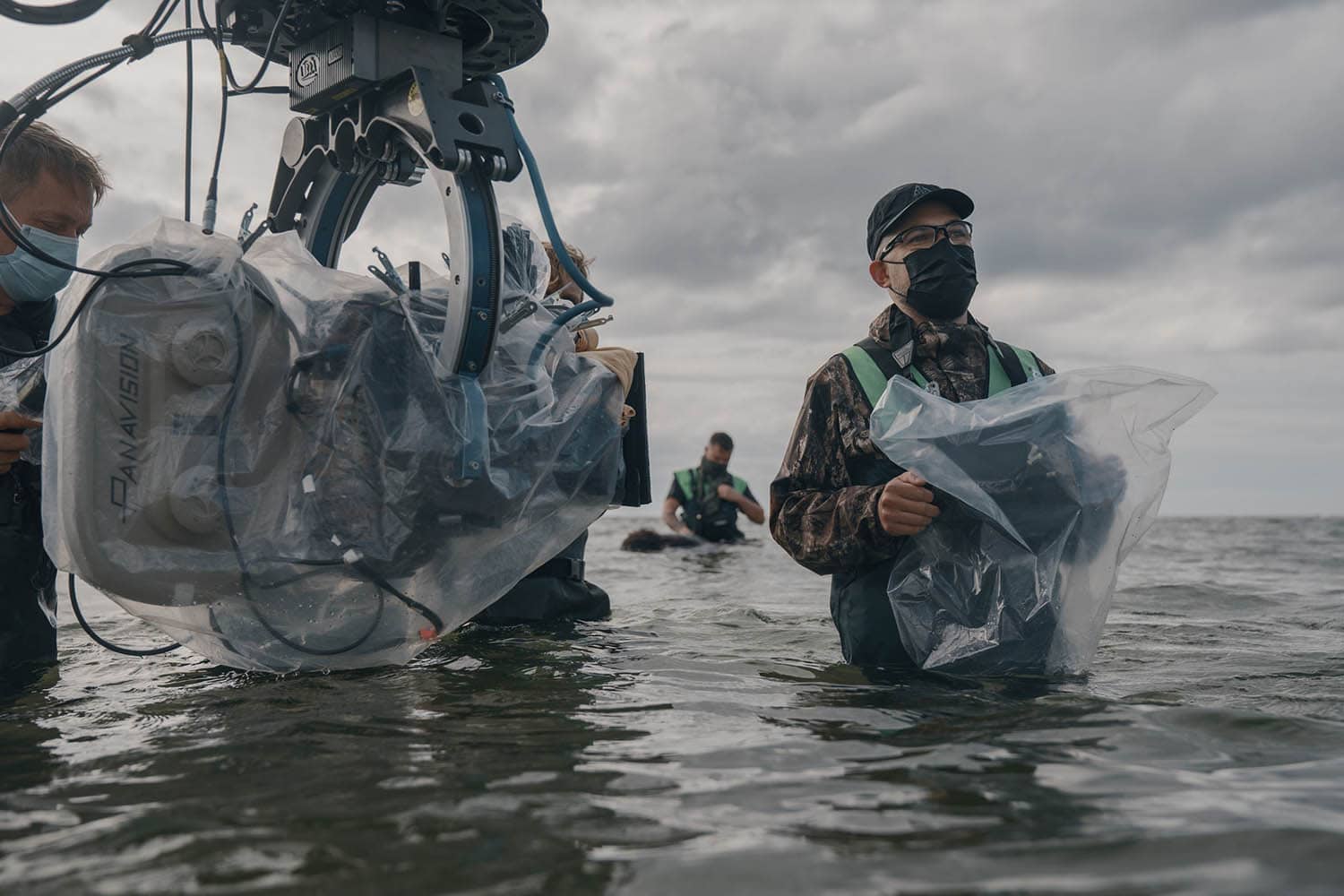
Eggers discusses how he came to comprehend Viking mentality and morality, as well as how he executes his meticulous method on set.

Laurie Anderson’s Big Science is an immense structure, generously democratic, as approachable as it is enigmatic.

The slipperiness of that word, “reel,” points to cinema’s complicated relationship to the reality of what it shows the audience.
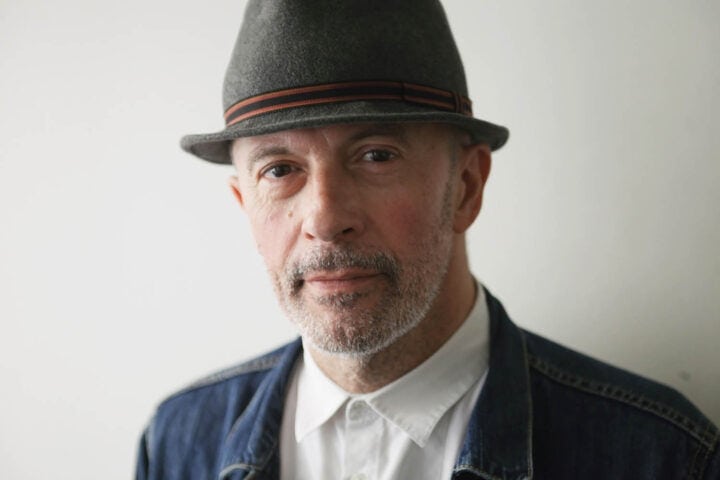
Jacques Audiard discusses how he avoided packaging Paris in nostalgic trappings, and what motivated his stylistic choices.

Daniel Kwan and Daniel Scheinert discuss why they think the world has caught up to their style of storytelling.
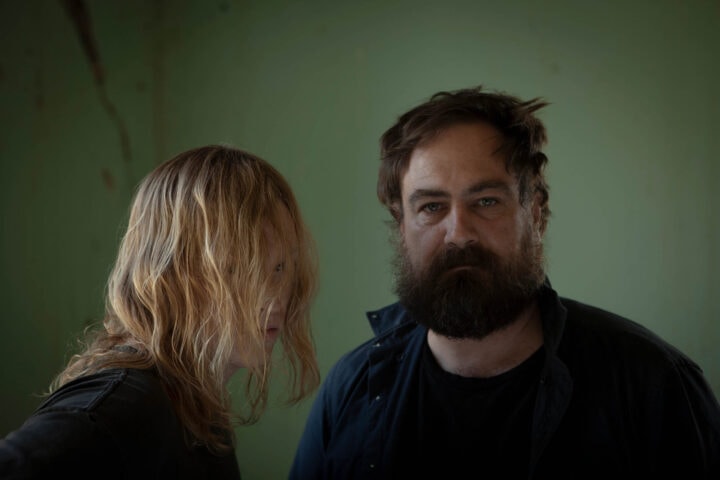
Jones and Kurzel discuss Nitram’s cultural and emotional specificity, and why some Australians wish that it had never been made.
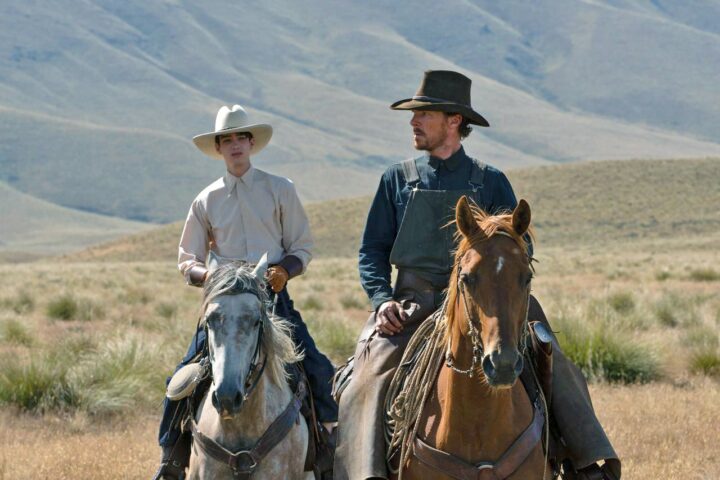
Even if this isn’t actually The End of Movies As We Know It, it’s unmistakably The End of Peak Oscar.

Kristen Stewart discusses Spencer’s depiction of Princess Diana, the idea of personal sacrifice for one’s country, and more.