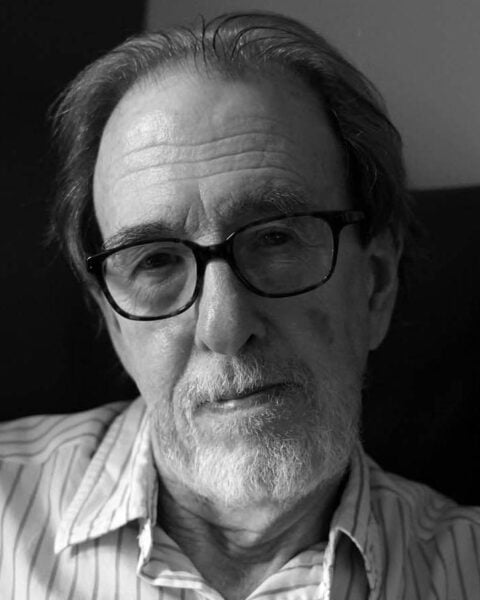
There’s an enigmatic quality to the role of Nolan in the current filmmaking landscape.
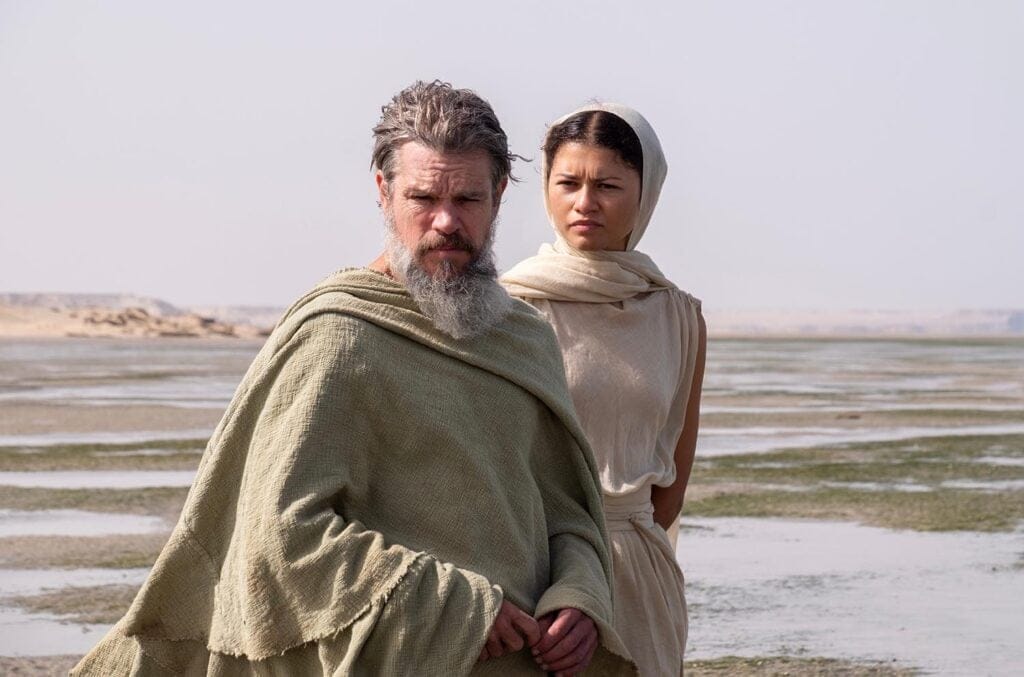

There’s an enigmatic quality to the role of Nolan in the current filmmaking landscape.

Nair discusses the importance of bringing her most popular movie to the stage and more.

The festival survived the trauma of lockdown to demonstrate impressive potential this year.
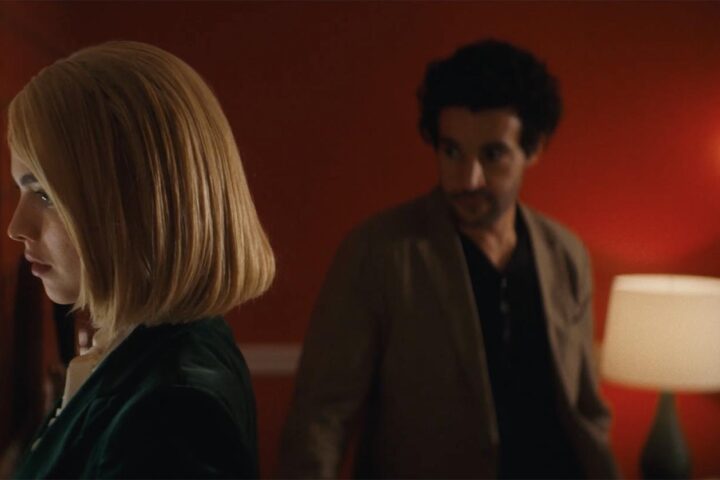
Wigon discusses the challenge of keeping a film interesting while confined to one location.

Baruchel and Howerton discuss how they worked within Matt Johnson’s unconventional style.

Sher discusses how Camelot speaks to our current turbulent era of national politics.

The film industry’s tribulations were the focus of some of the Korean competition’s best entries.

All three films are highlights of the festival’s the international competition

Released in 1998, Amos’s fourth studio album found the singer-songwriter dabbling in rock and electronic sounds.

The Belgian directing duo discuss how how they translated Paolo Coginetti’s novel into cinematic terms, their approach to music, and more.
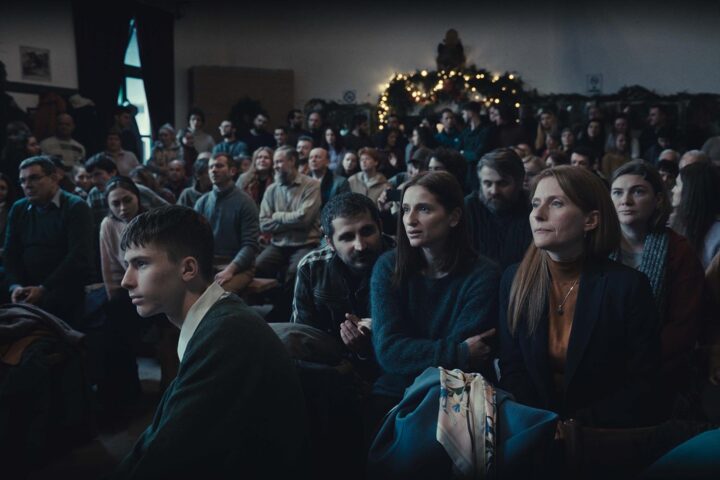
Mungiu discusses how he executed R.M.N.’s centerpiece sequence and more.
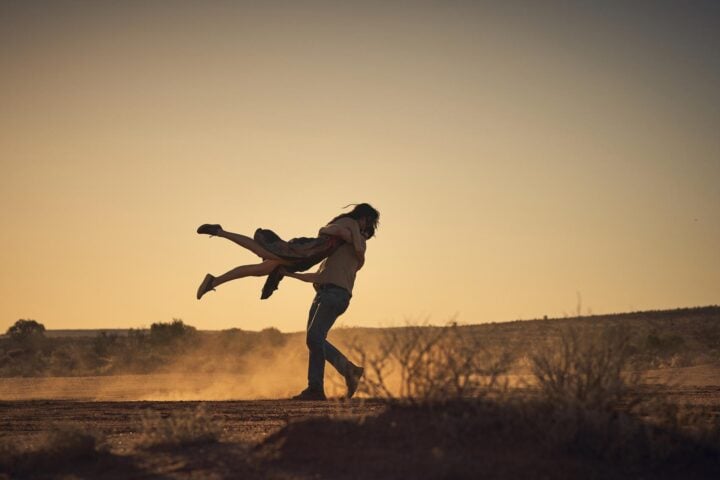
Britell discusses the connection between music and movement in Benjamin Millepied’s film.

This year, a theme emerged centered upon reflections of worlds ending, worlds forever changed.
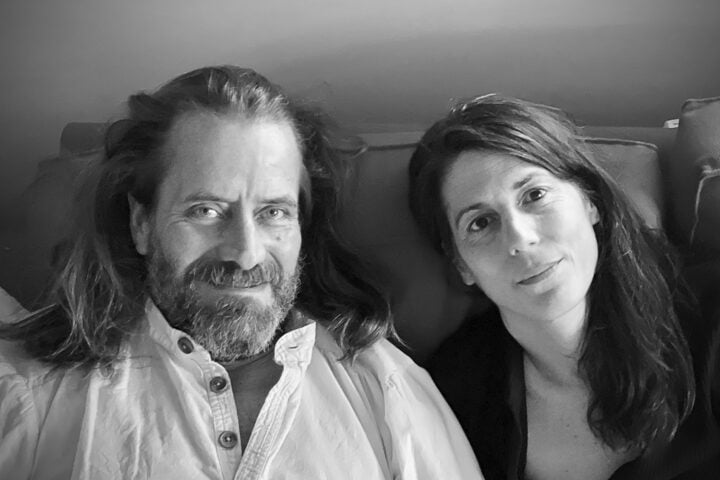
Paravel and Castaing-Taylor discuss how gut instincts guide their editing process.
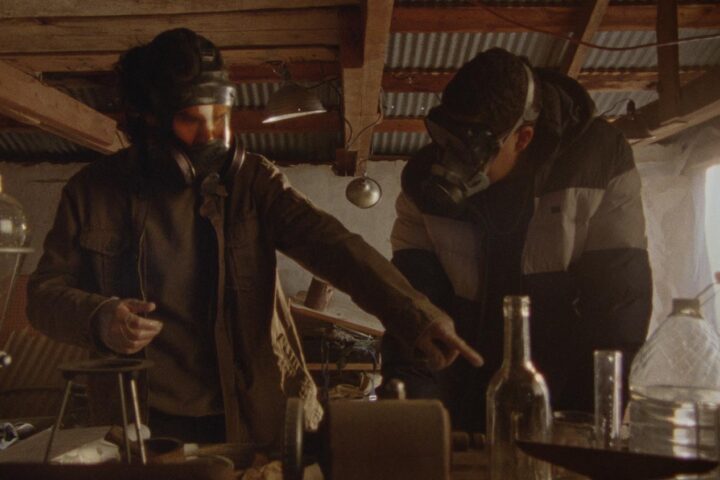
Goldhaber and Barer discuss their hopes for how audiences will respond to the film’s radicalism.
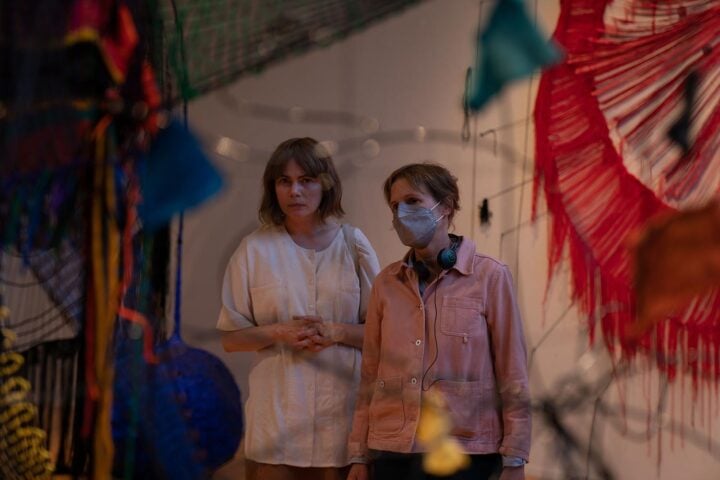
Kelly Reichardt conceives of the scale needed to make and enjoy meaningful art.
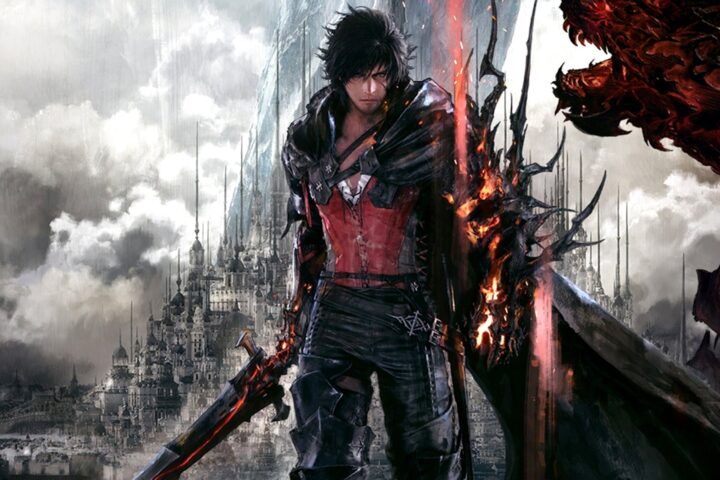
It turned out that the absence of so many major publishers from the convention was a blessing.

Rockwell and Taylor discuss what constitutes good change in New York City and more.
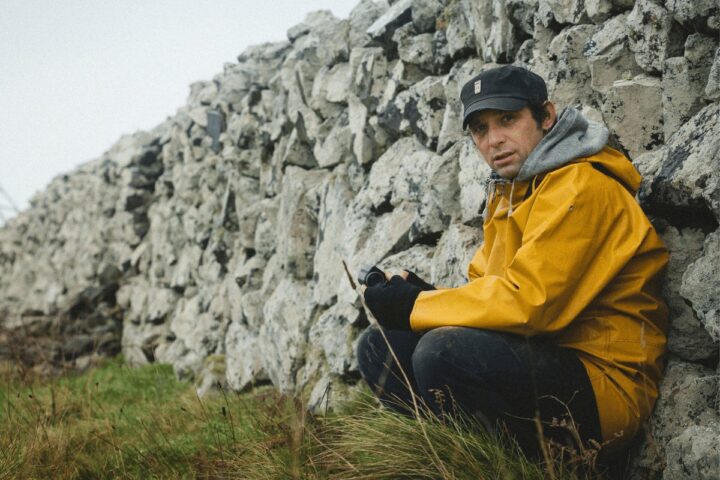
Mark Jenkin discusses the geographic and philosophical underpinnings of his work.
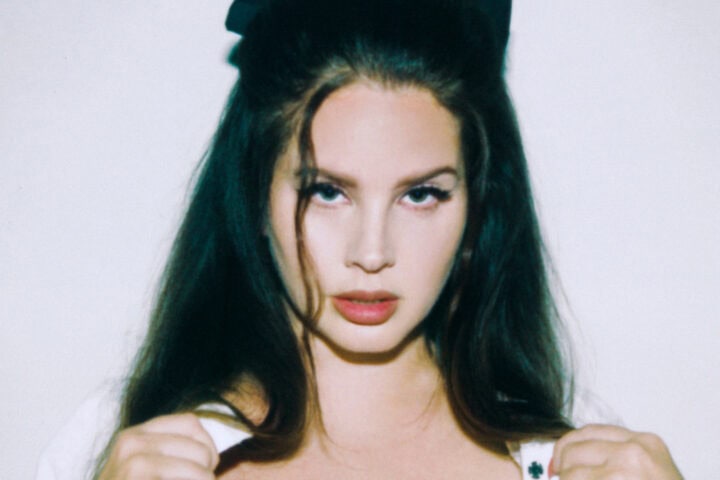
We’ve ranked all nine of the singer’s albums, including her latest, Did You Know That There’s a Tunnel Under Ocean Blvd.
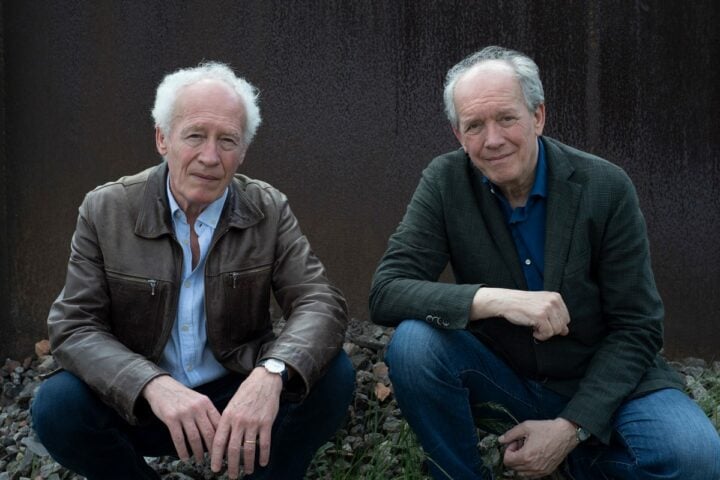
The Dardennes discuss where the film fits in with their work at large.