Mostly remembered for its plot twist, Jordan’s film is marked by a deep sense of empathy.

Mostly remembered for its plot twist, Jordan’s film is marked by a deep sense of empathy.

Criterion’s Blu-ray upgrade of An Autumn Afternoon strikingly renders Ozu’s most direct critique of the Westernization of modernized Japan.

Criminally unavailable until now, Jacques Rivette’s gleefully distracted tour of Paris marks an early Blu-ray highlight for 2015.

Criterion offers this abandoned short feature with an illuminating assortment of supplements that are essential for all Renoir completists.
One of the greatest and most devastating of all romantic mysteries arrives just in time for Valentine’s Day.
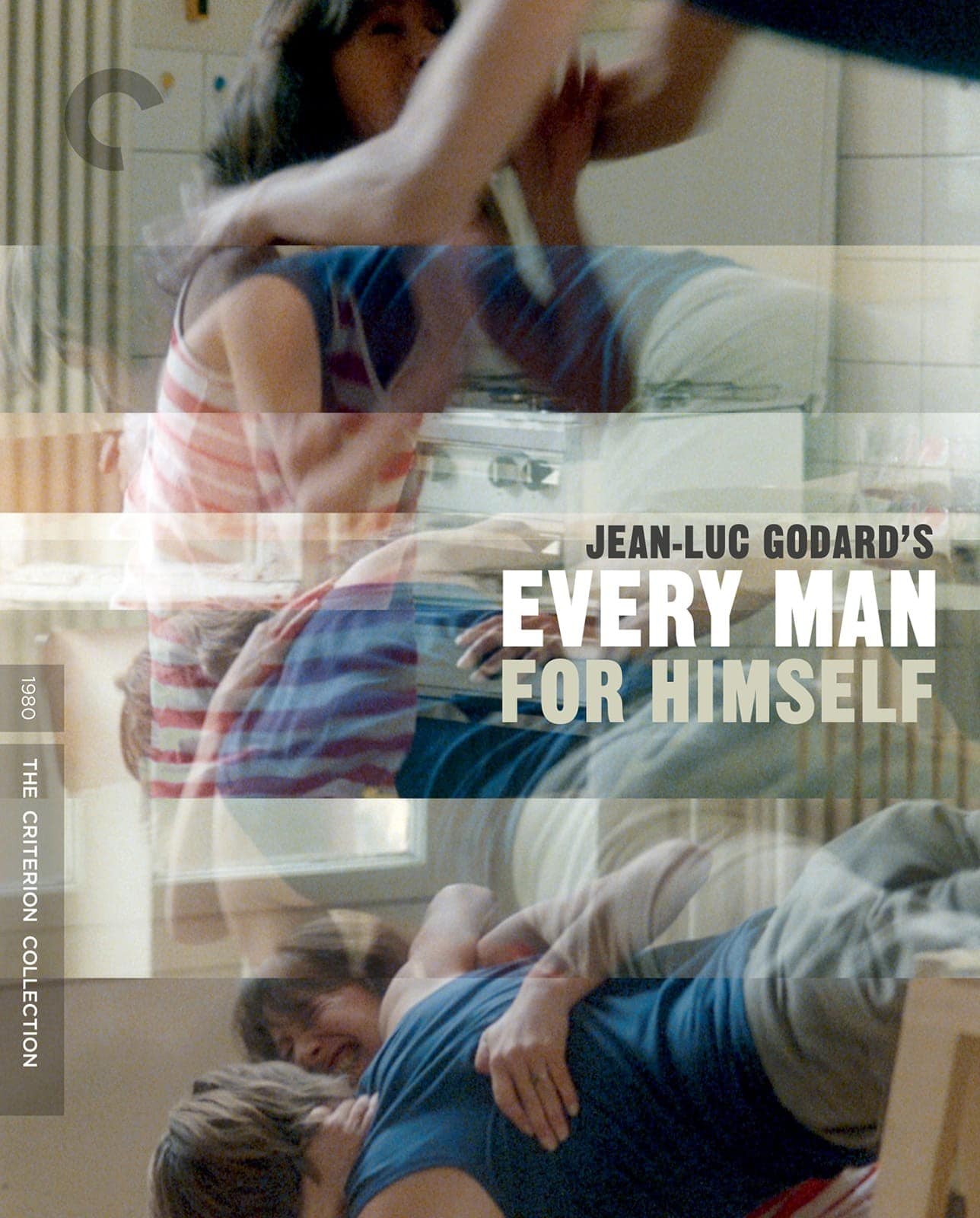
Criterion offers the film in an immaculate Blu-ray packaging that’s as impressive as any of the company’s releases in recent memory.

Kinoshita’s first five films are a bastion of cinematic grace and gentility.
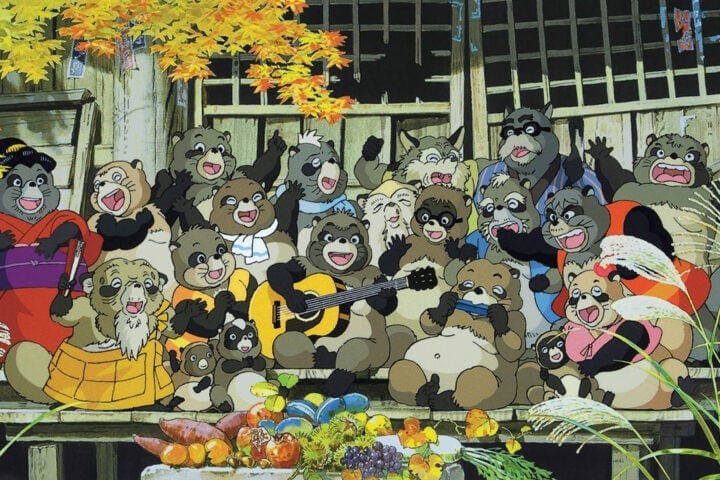
Disney crowns the film with a lovely A/V transfer that highlights its beautiful animation style.
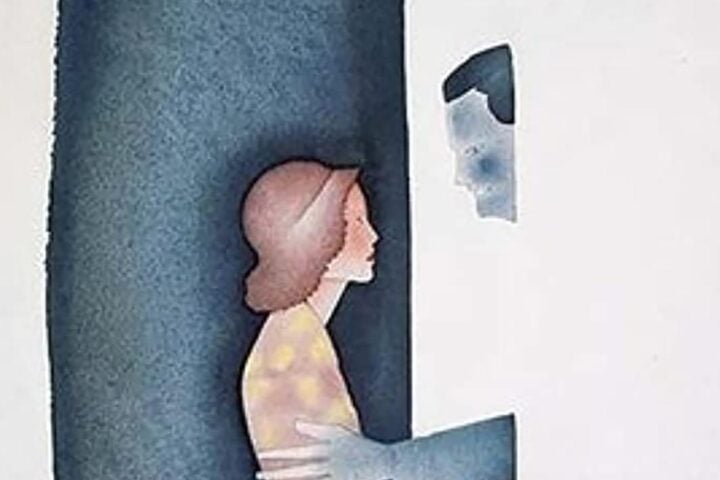
Allen’s most charming feature gets a fine, if unremarkable, Blu-ray from Twilight Time.

Martel’s aesthetically and thematically intricate debut is one of the most energizing additions to Criterion’s roster in some time.
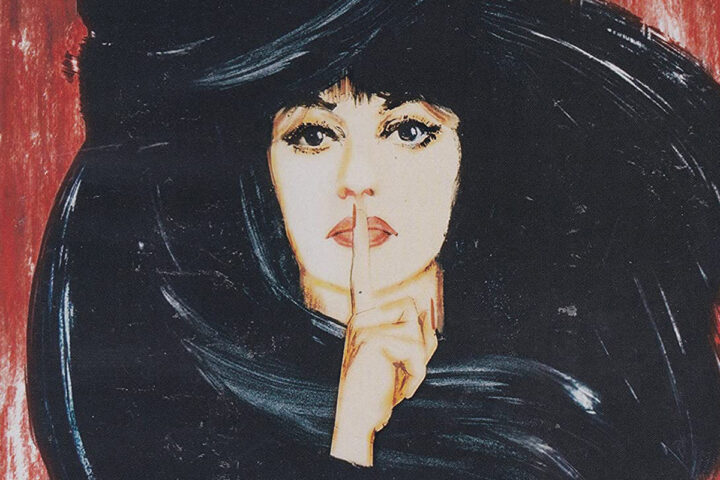
As a snapshot of a dialogue between two iconic filmmakers, The Bride Wore Black is fascinating.
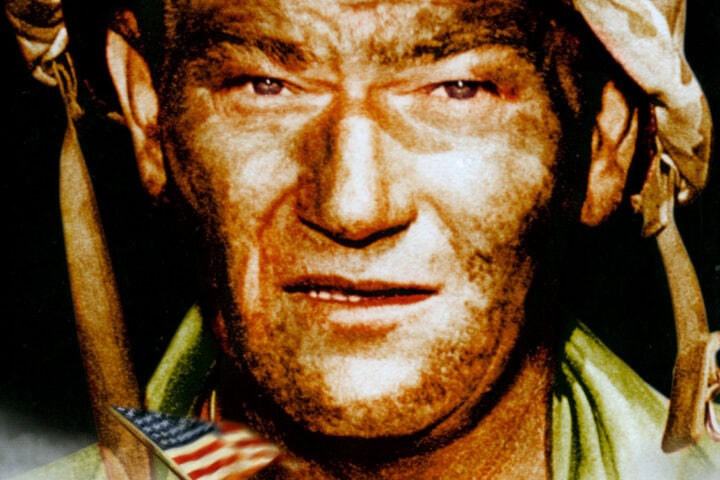
Dwan’s film is an intimate rendering of a monumental event, featuring John Wayne in one of his most emotionally complex roles.
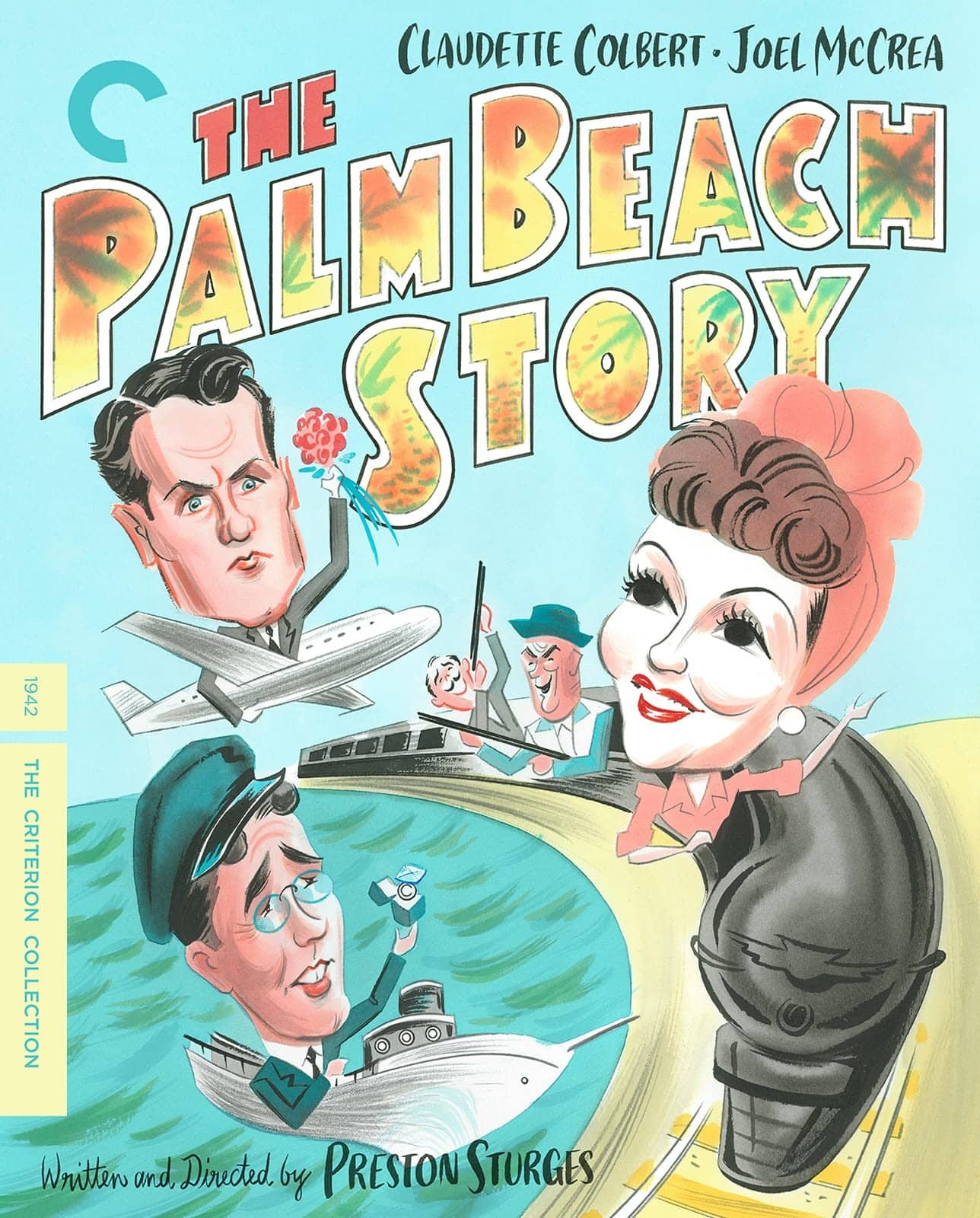
Criterion’s Blu-ray release goes lean on supplemental material, but rewards with stellar picture and sound presentation.
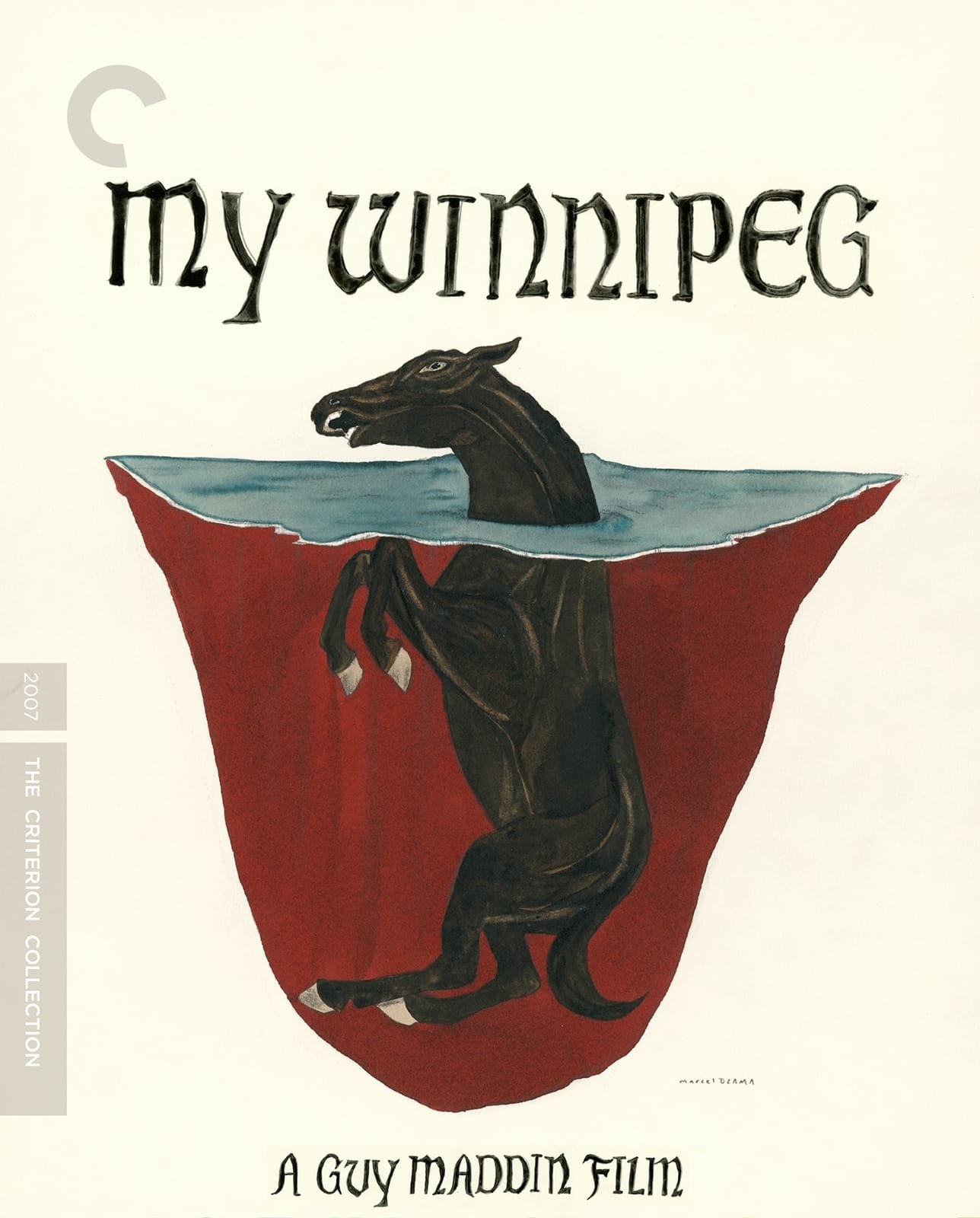
Thomas Wolfe once said “you can’t go home again,” but you’ll believe the contrary with Criterion’s beautiful new Blu-ray.

It typifies Fincher’s style while pushing him in new creative directions, and the minimally loaded BD wisely leaves the film open for spirited debate.
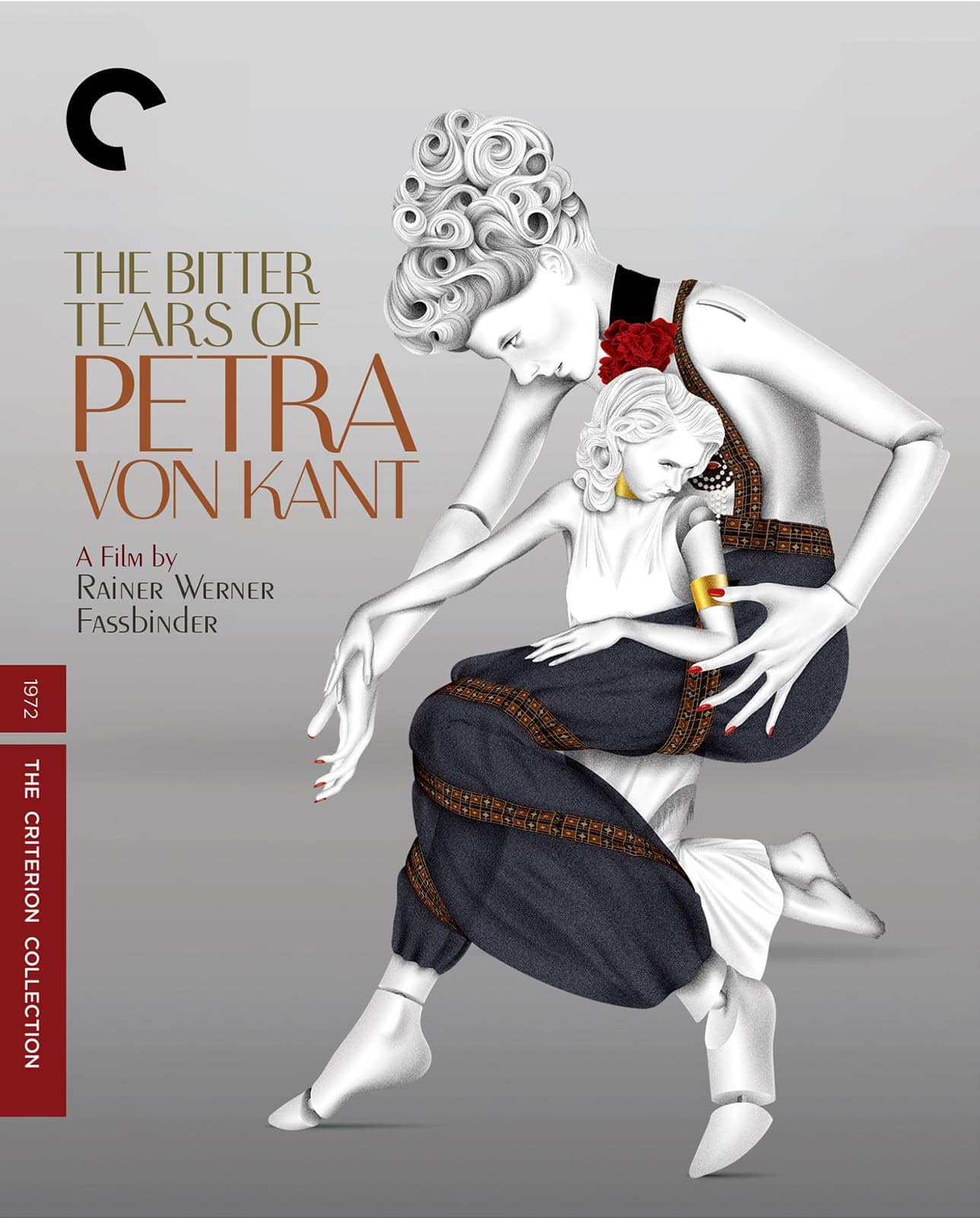
A gorgeous Fassbinder debauch that would prove to be a key work in his evolution as a purveyor of boldly symbolic class-conscious tragedies.
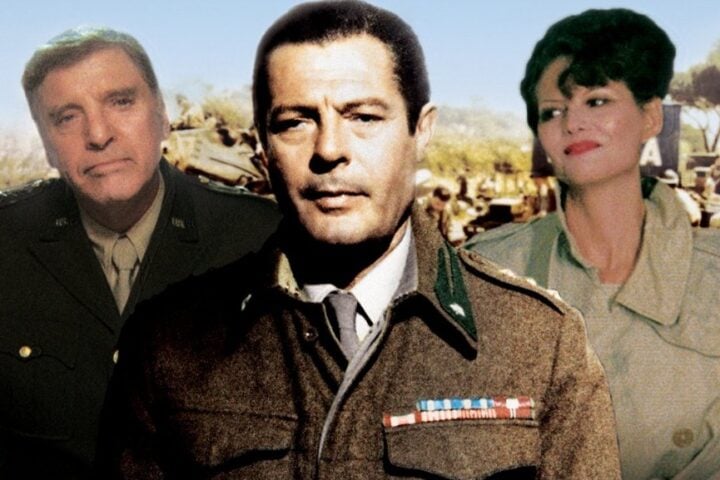
This is anything but a paint-by-numbers revisioning of the United States’s exploitation of Naples during post-WWII liberation efforts.
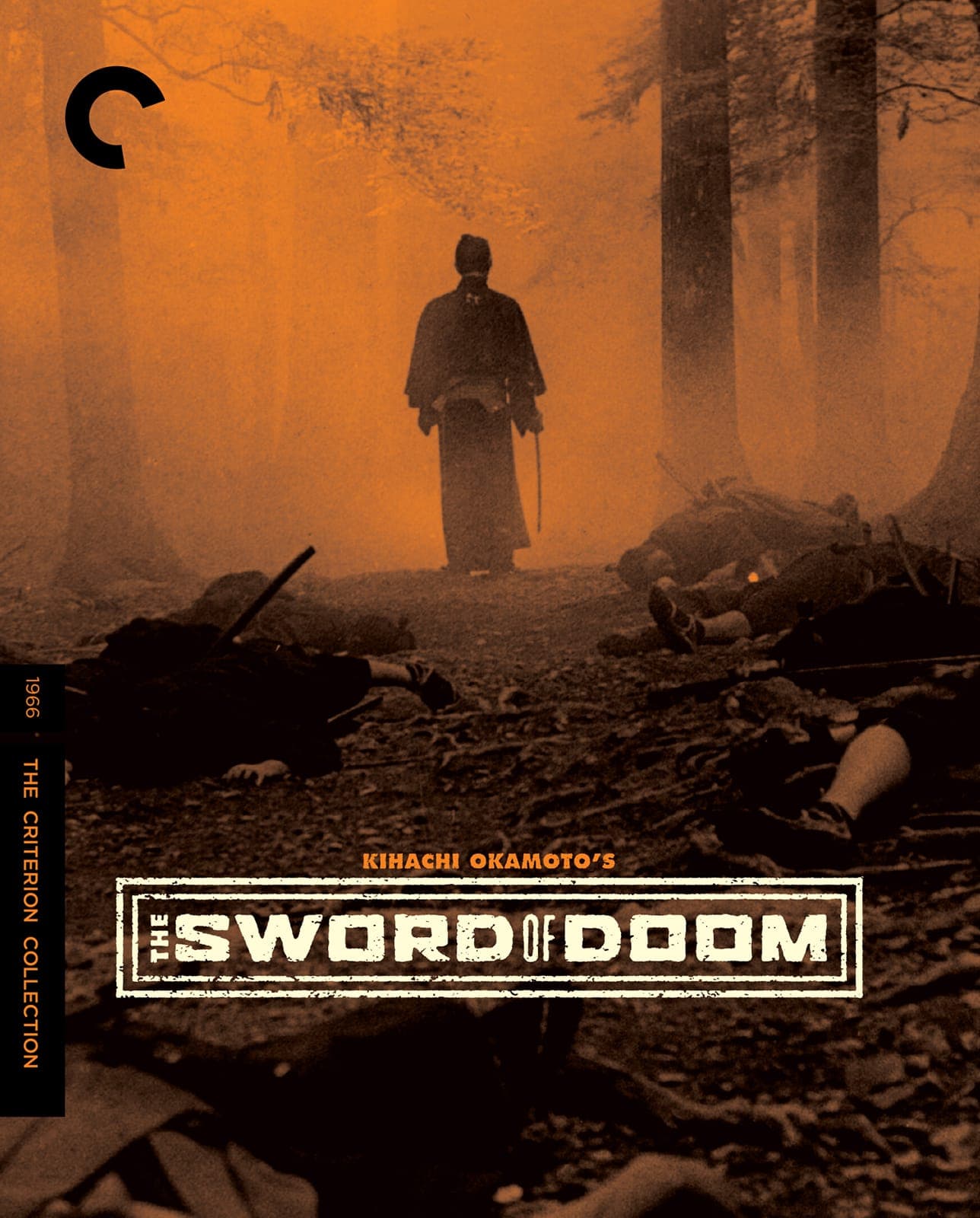
The wonderful new audio commentary nearly serves to distract from the image transfer, which is sporadically gorgeous, but inconsistent.
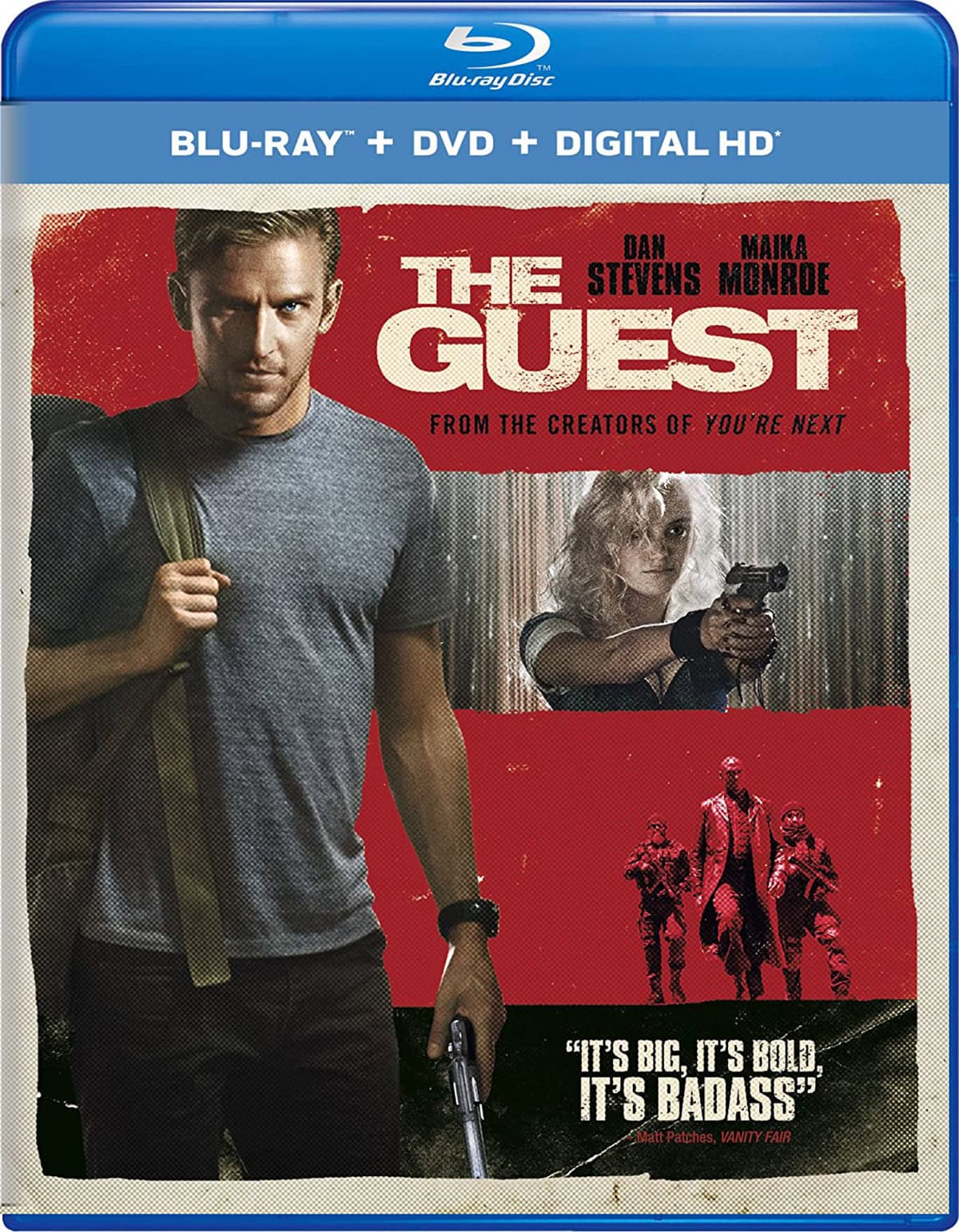
It connects 1980s horror-movie nostalgia cleverly and implicitly to the real fears that haunt contemporary American life.
William Dieterle’s forgettable, generically stylish attempt at cashing in on the success of Casablanca nets a good transfer.
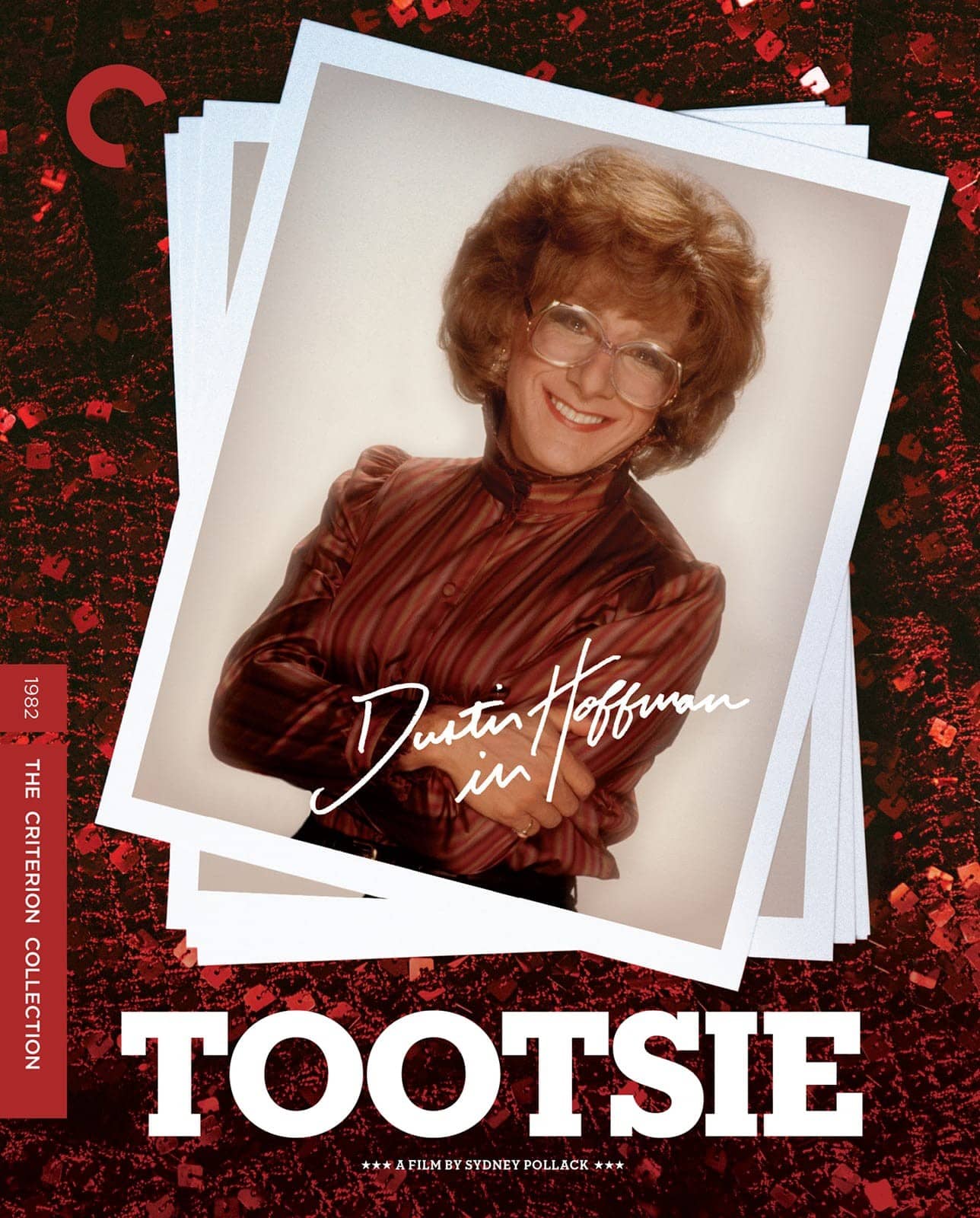
It serves as one of the definitive American explorations of the weird and precarious relationship that exists between actor and director.