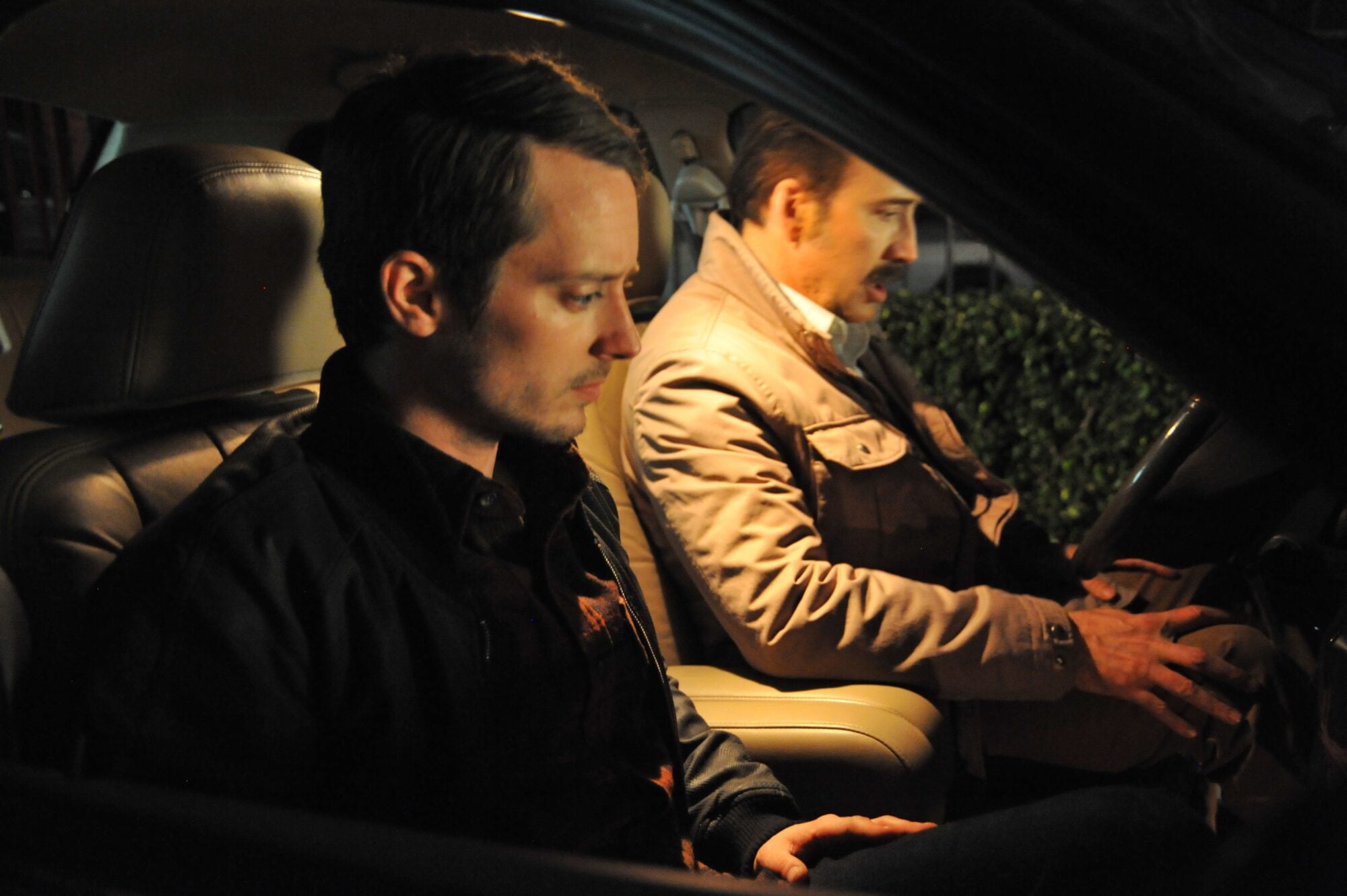
Throughout the film, Nicolas Cage holds the screen with his distinct timing and expressive force of being.


Chuck Bowen's writing has appeared in The Guardian, The Atlantic, The AV Club, Style Weekly, and other publications.
Throughout the film, Nicolas Cage holds the screen with his distinct timing and expressive force of being.
This tale of a motorcycle odyssey gone wrong remains timeless for its diagnosing of the early stages of a social ennui that’s now fully bloomed.

When the traditional yet cathartic climax is sprung, it’s earned because the violence matters truly as violation.

It doesn’t land the transition over from claustrophobic character study into full-blown monster movie.

It inspires retrospective gratitude for the empty yet slick craftsmanship of someone like James Wan.
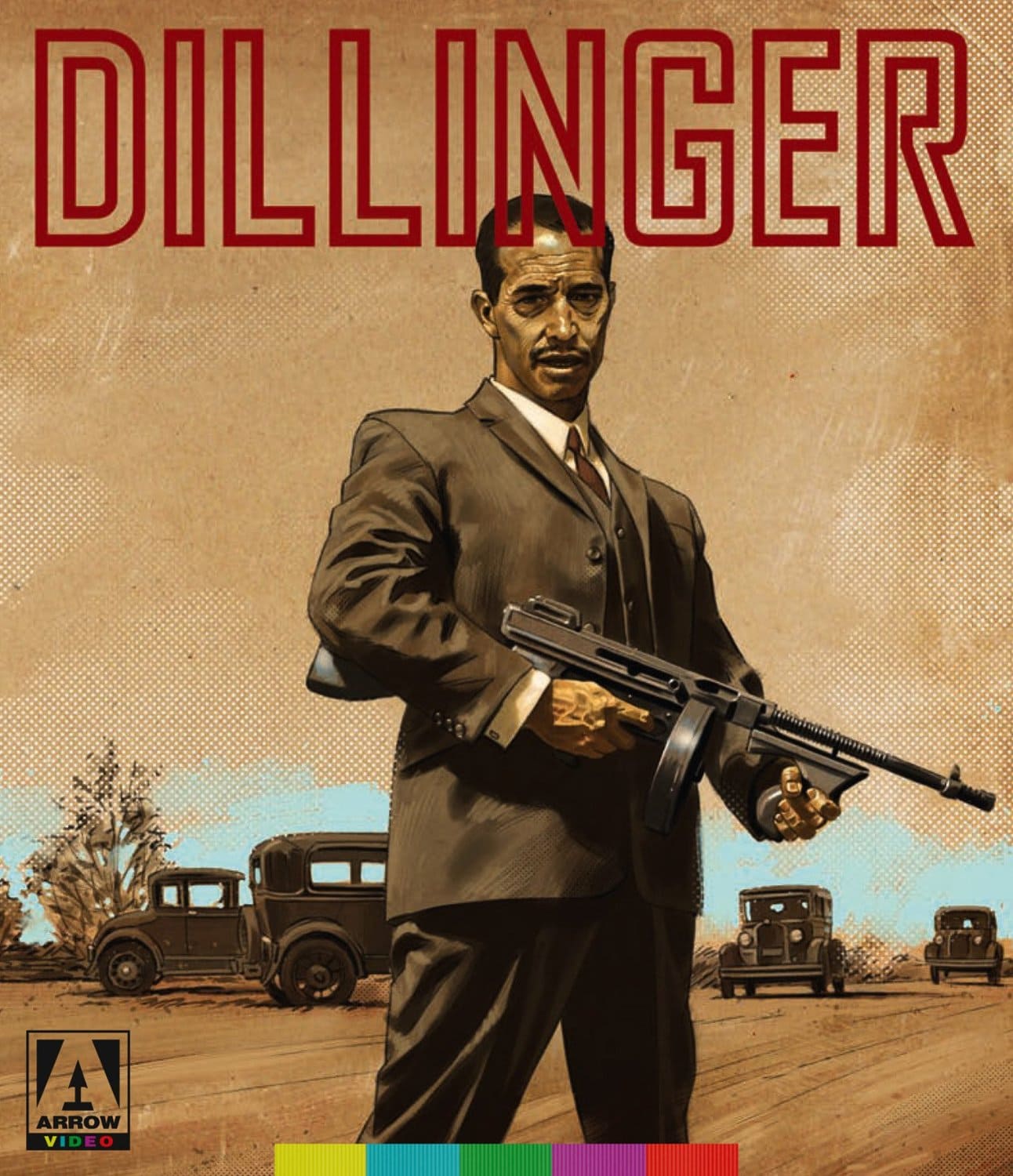
This rough, lurid, pointedly un-preachy work of macho outlaw cinema, one of the best of the many John Dillinger movies, deserves to be better known.

Maron is one of the few celebrities who successfully scans as an every-person.

Ricky Gervais’s film hopscotches through a variety of premises, looking for jokes that never arrive.

The disconnection between the various characters is so immediately accepted as such a foregone conclusion that nothing ever seems to be at stake.

The film’s notion of a caste system is crudely reductive in the manner of a routine future-shock thriller.

It feels like a catharsis for Louis C.K., an announcement of some yet-to-be-defined transition in his art-making.
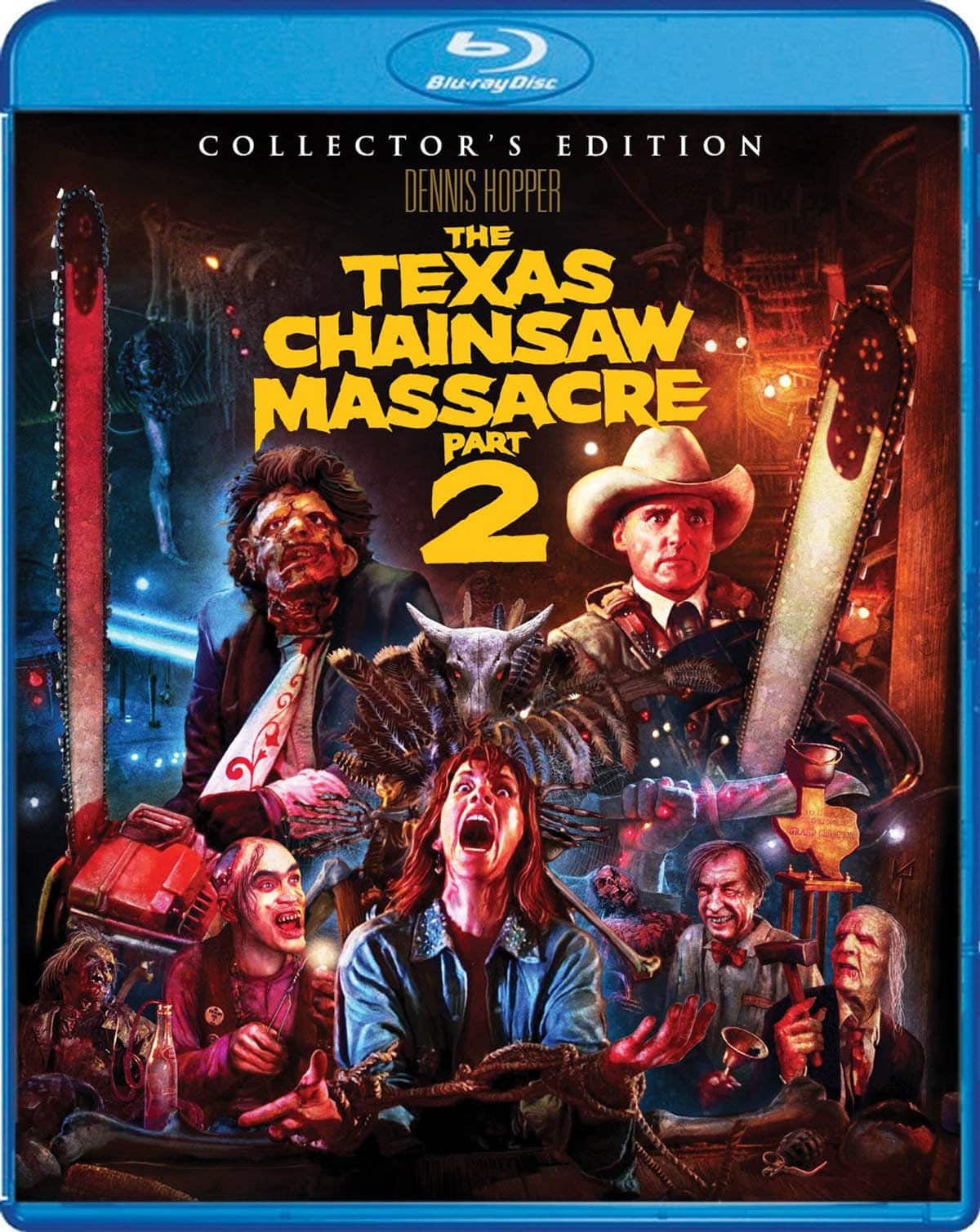
Shout! has refurbished this camp dud with a beautiful and informative new home-video release.
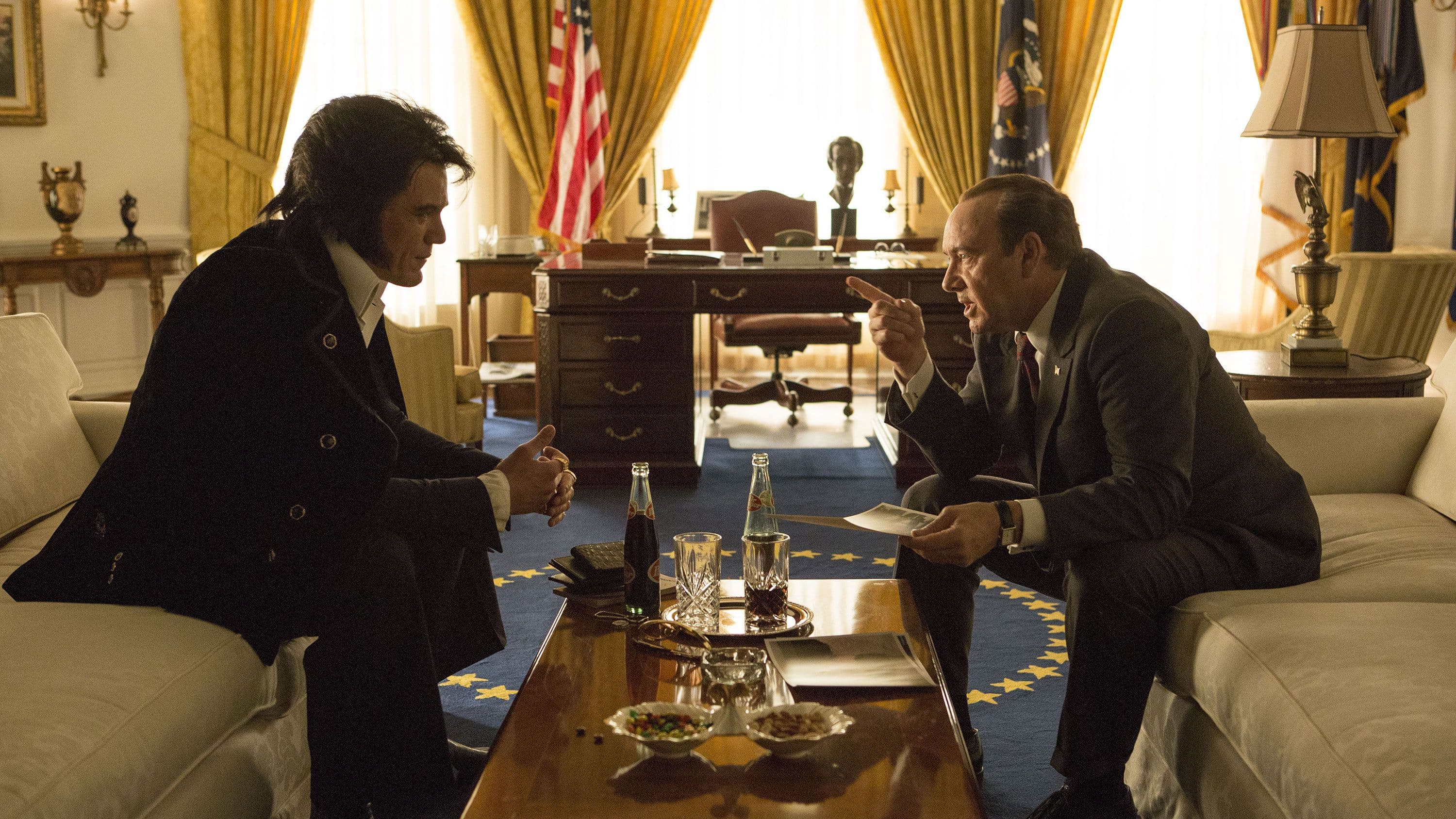
Liza Johnson’s film is generally taken with comfy gags that celebrate these men’s ownership of pop culture.

Director Anders Thomas Jensen’s empathy for his characters gradually impedes his imagination.

Mueller convincingly posits freedom as being elusive because it’s essentially a violation of human nature.

Bilal Chatman and Kenneth Anderson’s stories both illustrate the injustices of the three-strikes law.

Eventually, director Matteo Garrone’s self-consciously patchwork, one-thing-after-another structure wears thin.

Joseph Martin and Sam Blair’s Keep Quiet wrestles with the irresolvable dimensions of its subject matter.

The miniseries sells a romantic view of comeuppance, draining John le Carré’s writing of its wryness and bureaucratic specificity.

The series dares to locate Steven Soderbergh’s capitalist themes between the sheets.