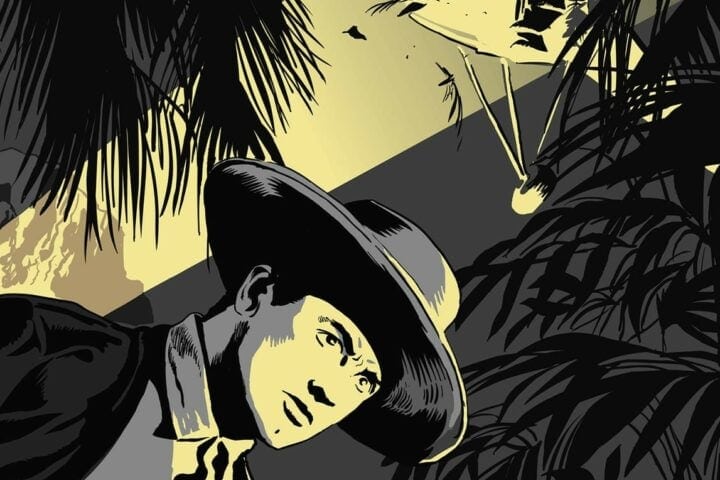
Hawks’s resonant, prescient, entertaining, enormously influential pre-war adventure receives the A/V refurbishing it richly deserves.


Chuck Bowen's writing has appeared in The Guardian, The Atlantic, The AV Club, Style Weekly, and other publications.
Hawks’s resonant, prescient, entertaining, enormously influential pre-war adventure receives the A/V refurbishing it richly deserves.
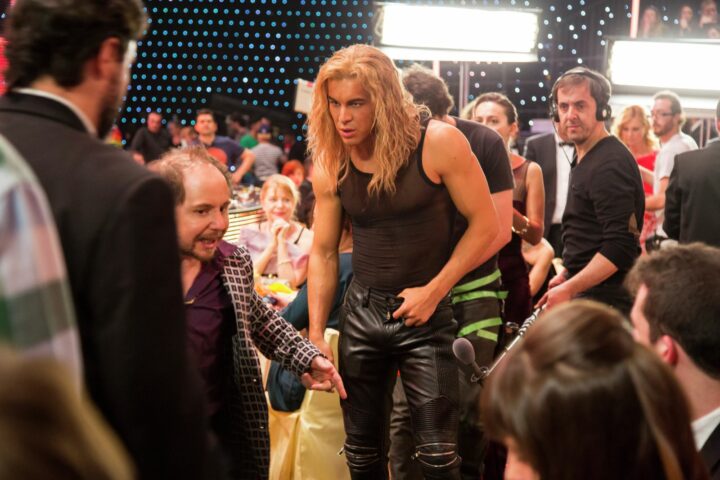
Álex de la Iglesia’s film is an intensely formalized mixture of farce and tragedy.
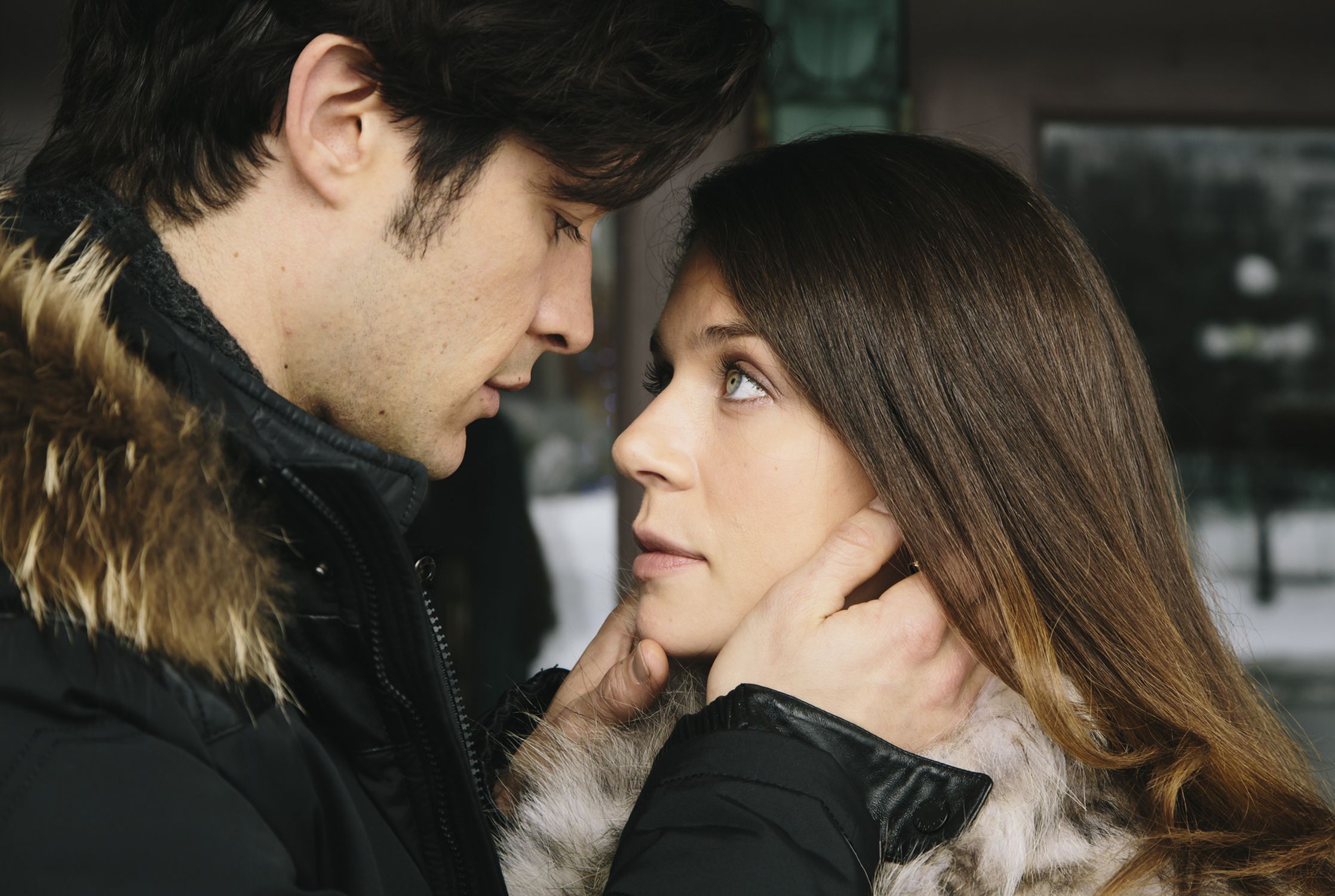
Denys Arcand fashions a commandingly leisurely pace that allows us to follow these people who walk a tightrope separating ecstasy from misery.

The Last Panthers pressures one to like it with its power of prestige.

Jerzy Skolimowski fetishizes objects, imbuing them with a kind of debauchedly contemporary totemic power.
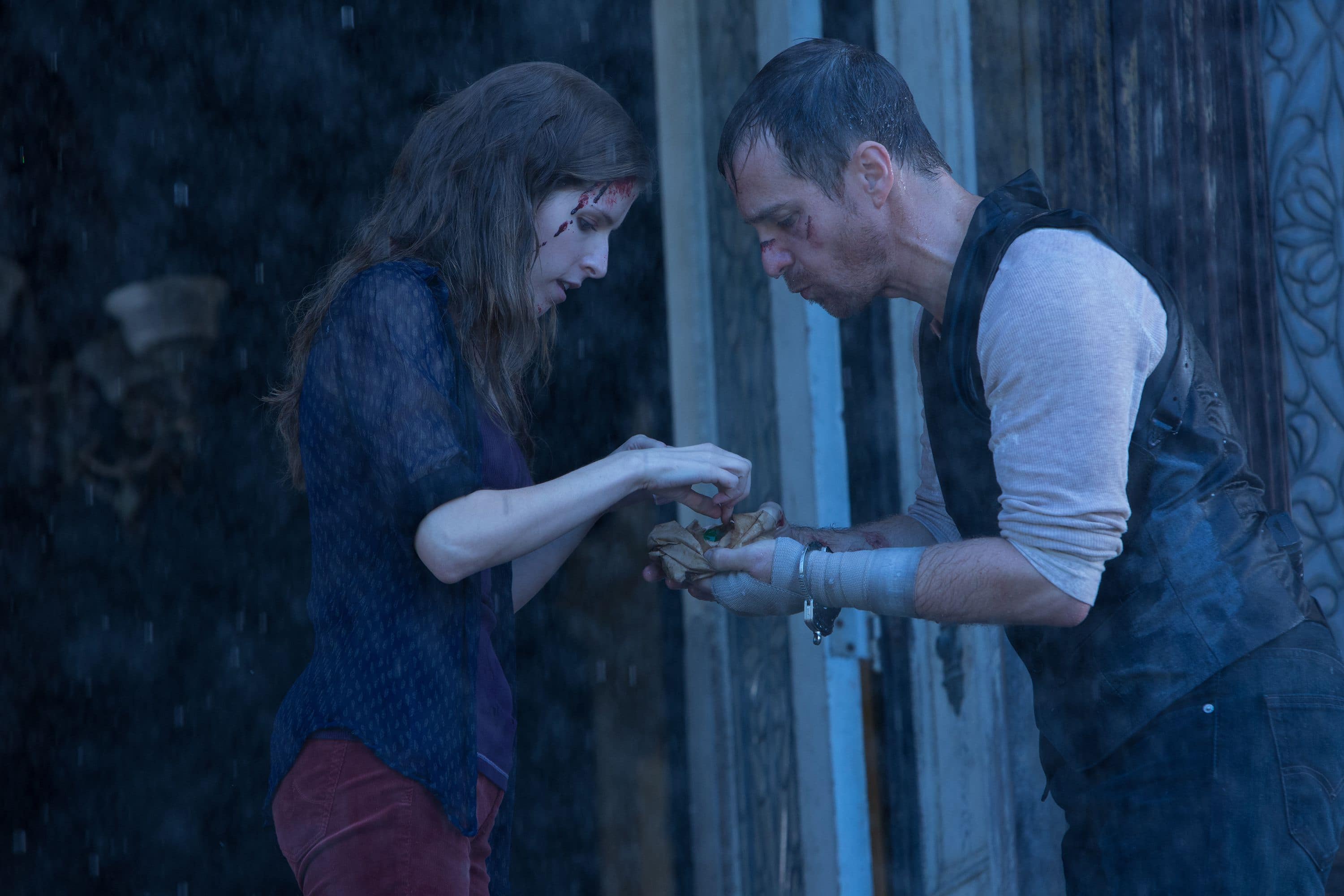
The film wears its derivative junkiness on its sleeve with surprising lightness of authority.
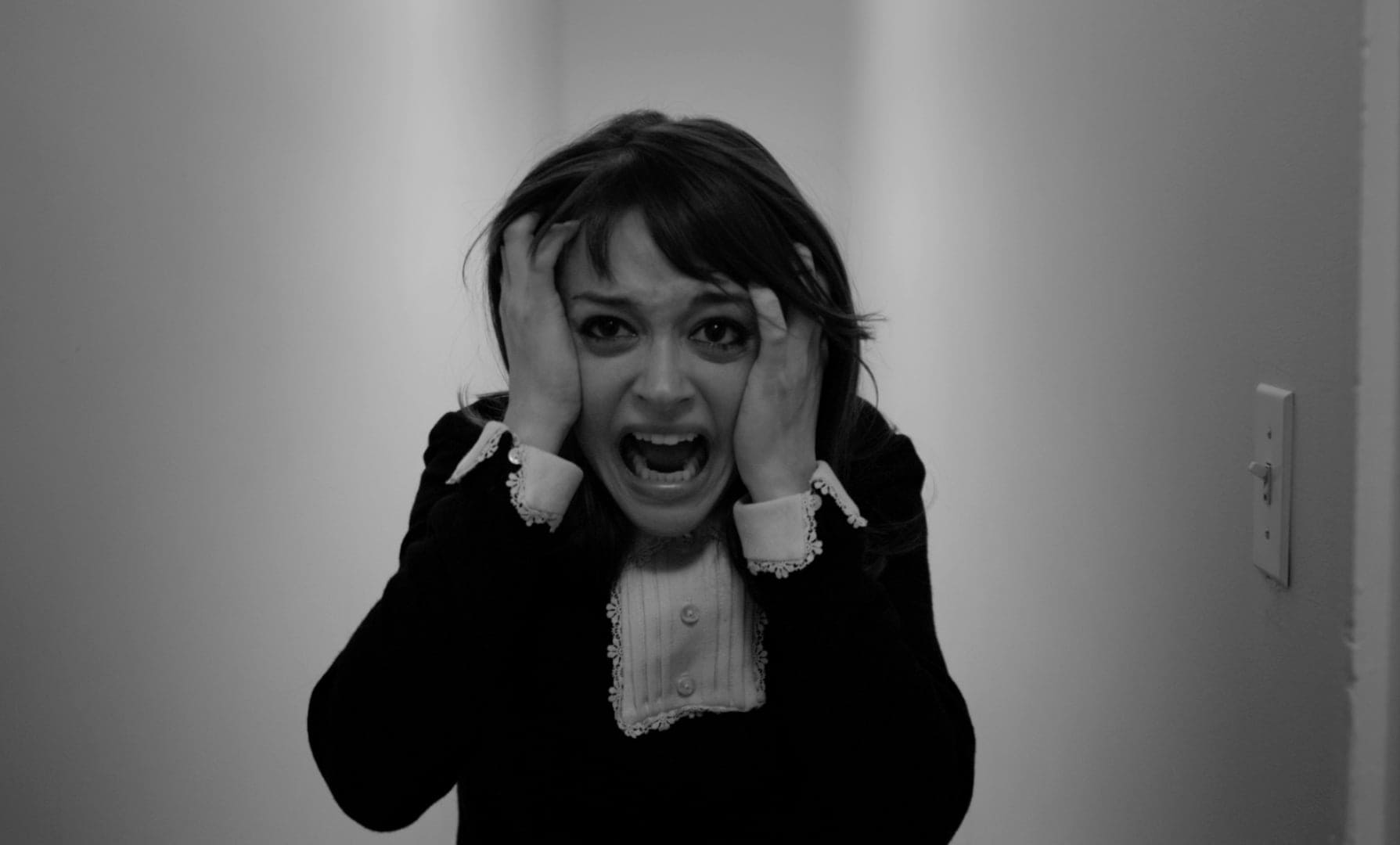
Its aesthetic is striking, but feels intangibly derivative, most obviously suggesting an austere cover of Repulsion.

The film is clearly influenced by Wes Craven’s shrill, violent, and weirdly erotic Scream series.
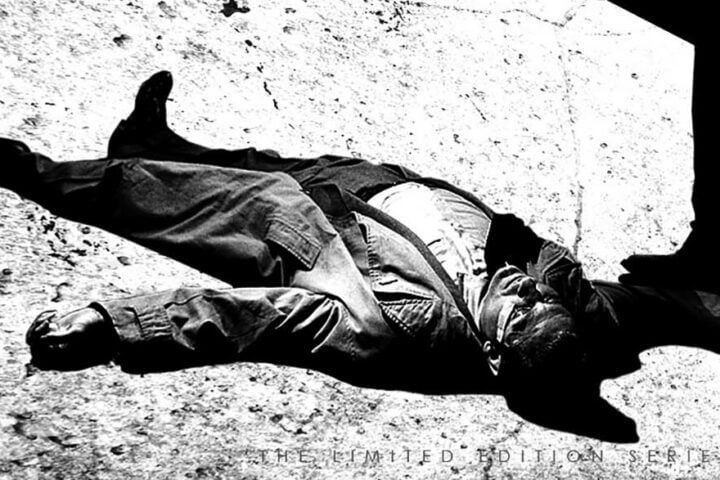
Twilight Time honors another key American noir with a beautiful transfer that’s complemented by an affectionate and informed commentary.

Robert Budreau strip-mines the life of an amazing musician for the purpose of mounting yet another comeback story.

Twilight Time honors the film with pristine preservation and a series of rich extras.
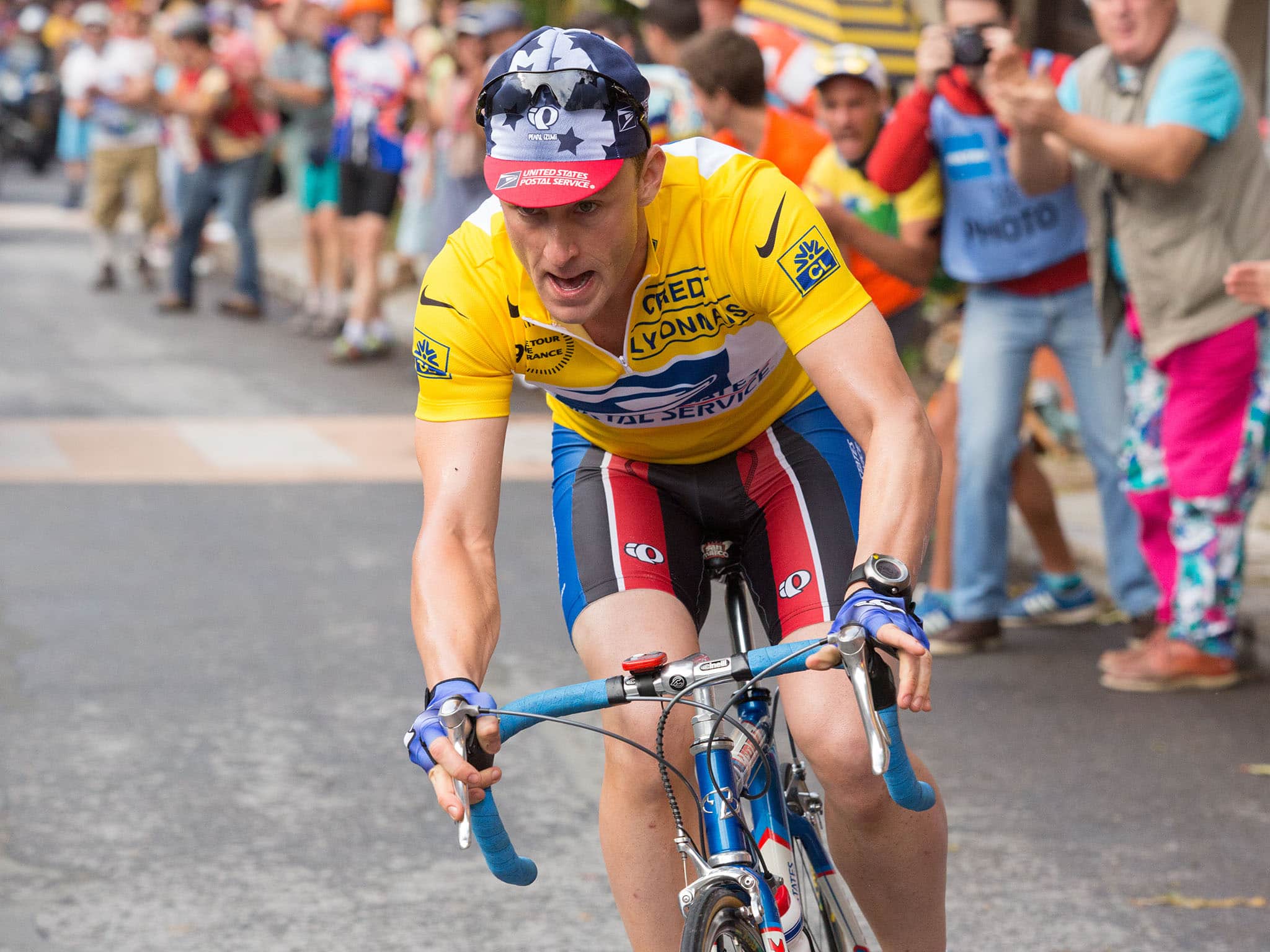
The Program is flashier and more self-conscious than many biopics, but it’s ultimately just as hollow.
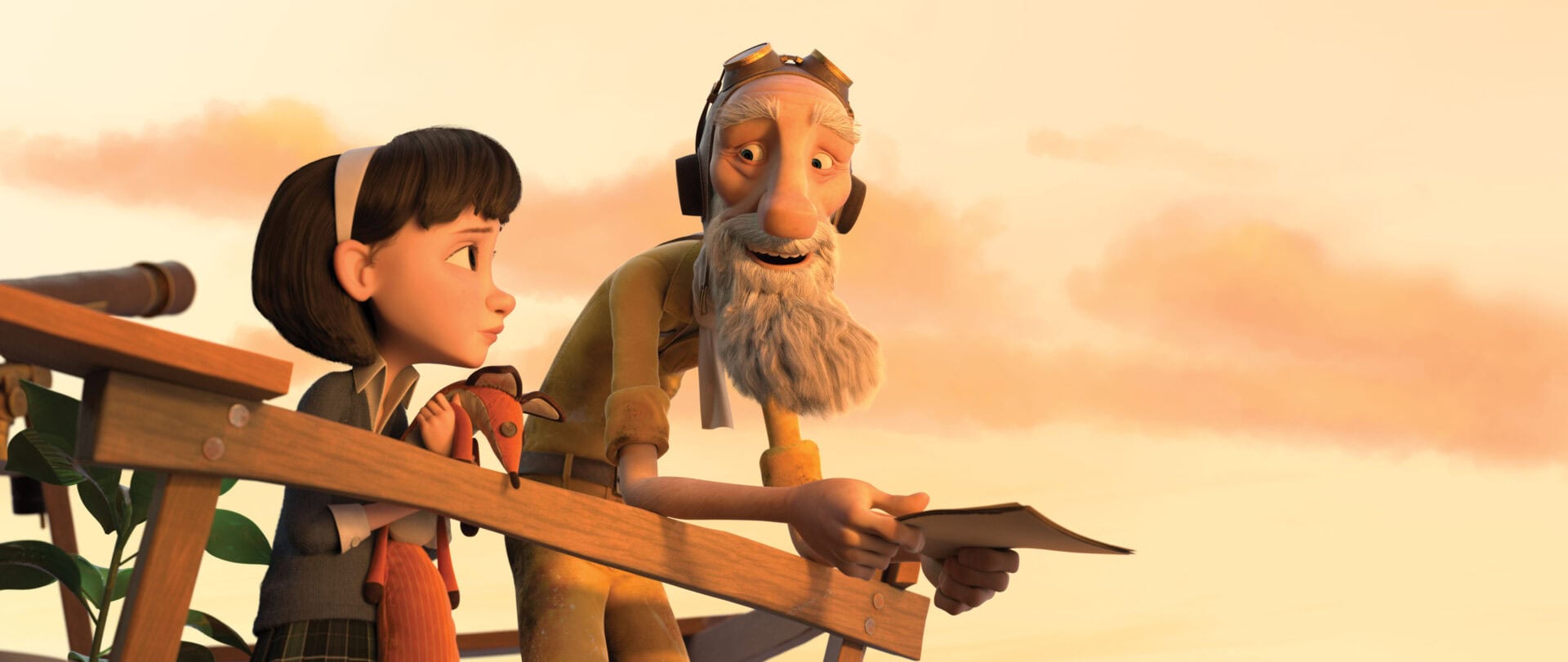
Mark Osborne’s The Little Prince reveals itself to be concerned with the blossoming of qualified idealism.
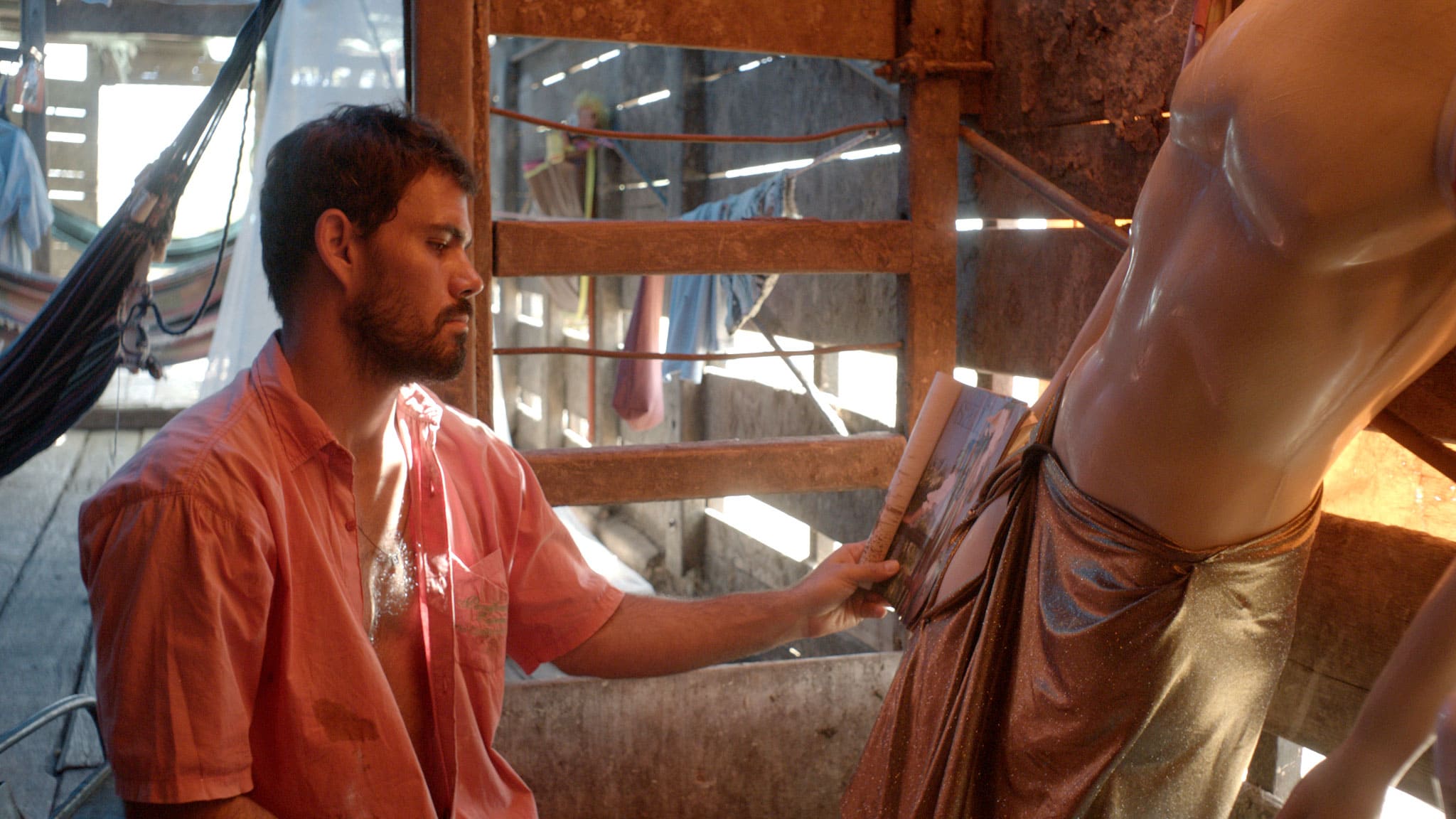
Everything in the film is understood to be a subsumed sex act, with actual sex serving as a contextualizing catharsis.

The film offers an essay on rape and gender fluidity that locks us out of the cognitive process of digesting it.
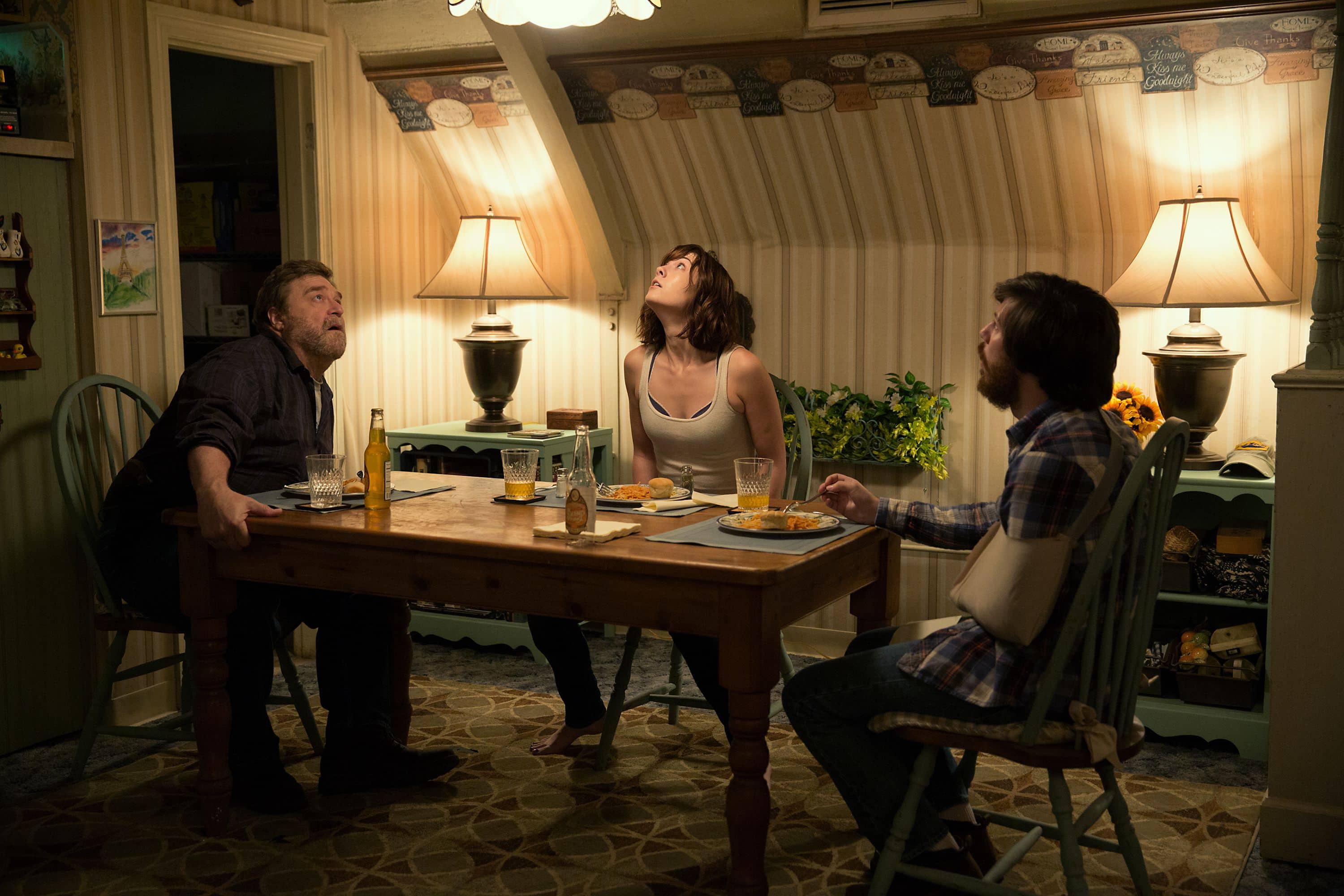
The legacy of Syd Field’s screenwriting manual hangs over the film, which never even accidentally casts a whiff of subtext or authorial personality.

Marcin Wrona springs a dazzling variety of set pieces of exponentially intensifying strangeness and sadness.

A formally audacious genre experiment that’s somewhat lacking in empathy for the culture that provides its pretense for boundary-pushing.

The imagery fails to express either the characters’ or the filmmakers’ obsessions or synchronicities.

A curiously unsentimental director of romantic comedies, Julie Delpy sees romance for the work that it primarily is.