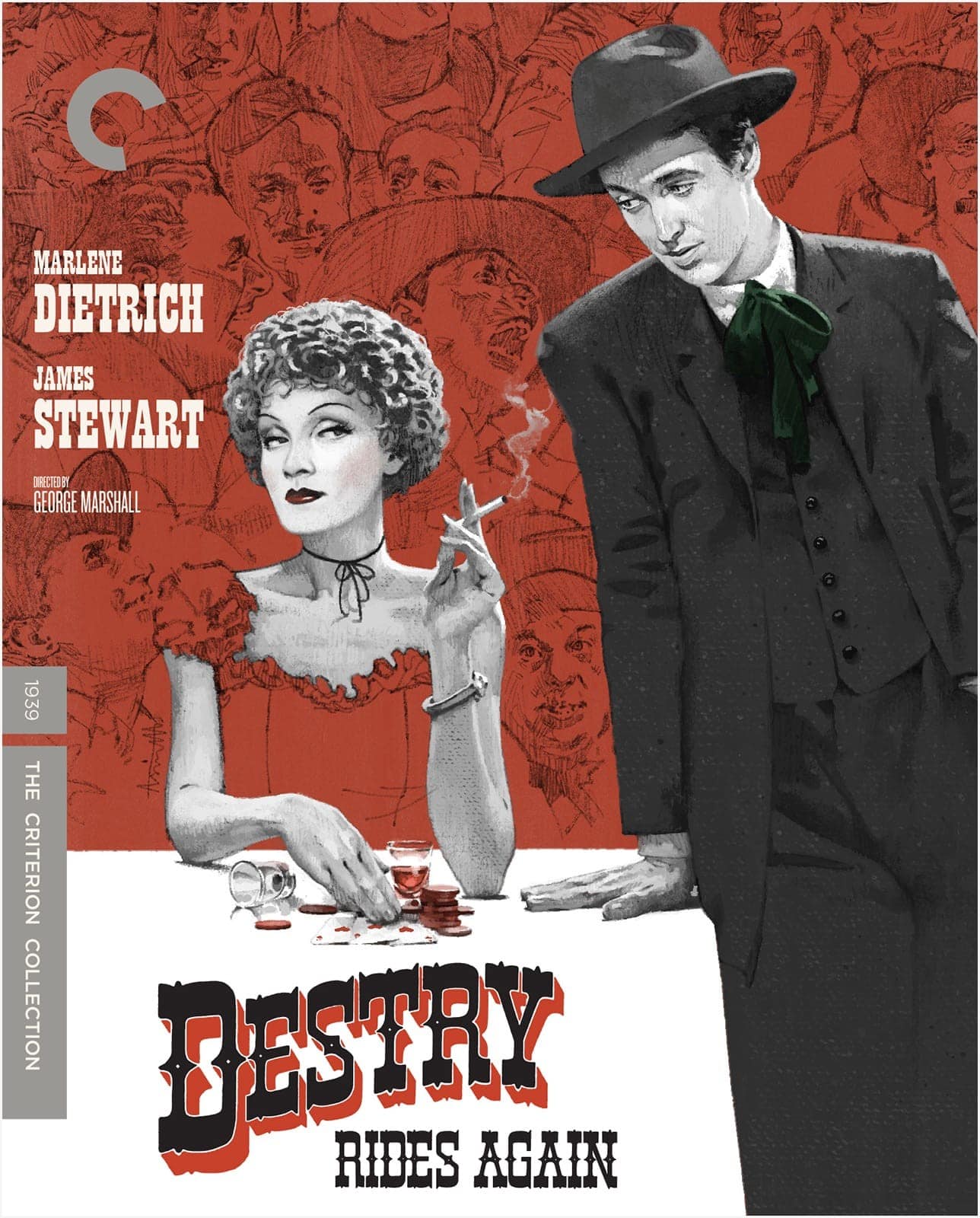
The film is less a parody than a surprisingly beautiful and somber precursor to many autumnal “late” westerns.


Chuck Bowen's writing has appeared in The Guardian, The Atlantic, The AV Club, Style Weekly, and other publications.
The film is less a parody than a surprisingly beautiful and somber precursor to many autumnal “late” westerns.

Only Michel Shannon’s off-kilter timing brings The Quarry to sporadic life.

For Allen, his new memoir is a form of retreat-as-attack, or perhaps vice versa.

The acclaimed crime novelist discusses his new collection of novellas, his influences, and more.
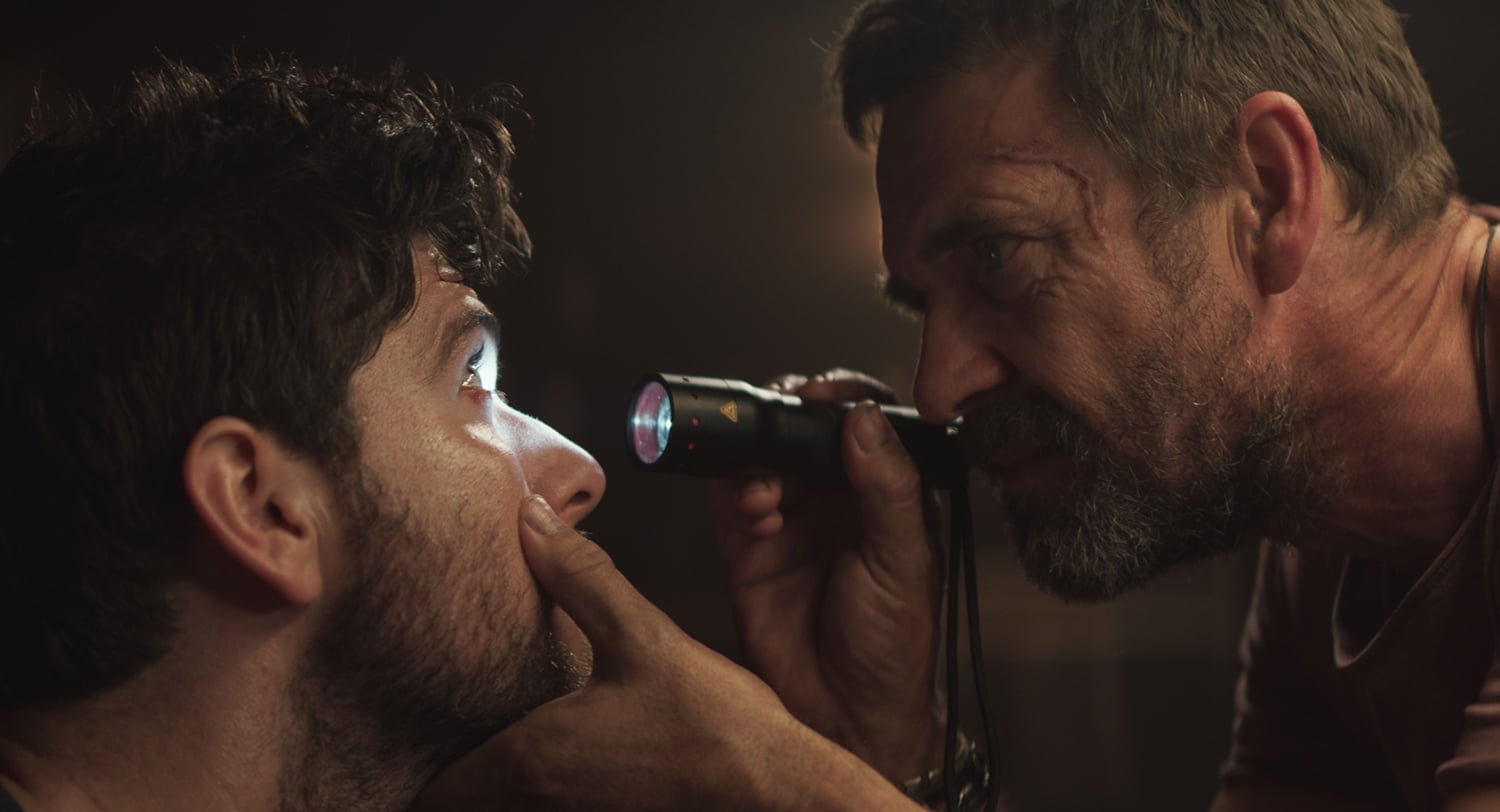
Writer-director Neasa Hardiman’s film is undone by earnestness.
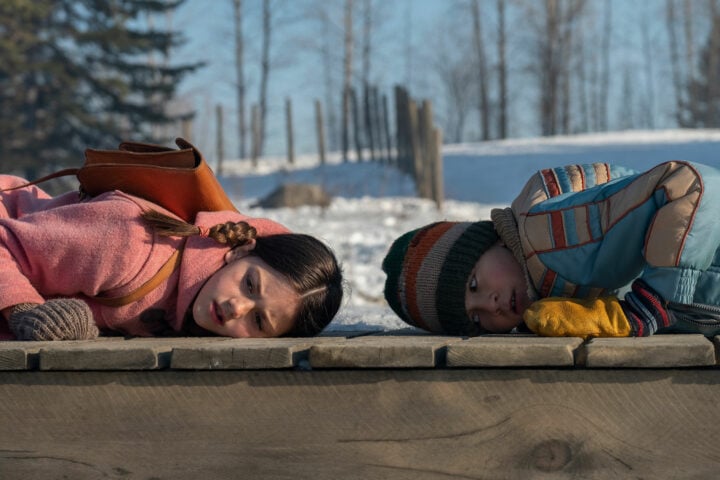
The series is a character study in which wounded introverts wrestle with their inability to connect with others.

Criterion’s new transfer brings out the unruly beauty of Spike Lee’s lurid, violent, daring political satire.

One of the great and influential American films receives a notable visual upgrade.
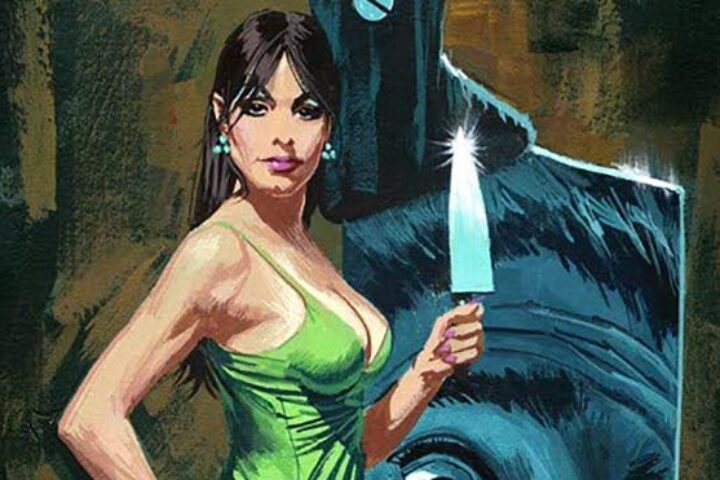
Though there’s a consistent amount of sex here, the book still feels like an act of extended foreplay.

In Deerskin, Quentin Dupieux mines the absurdism that is his signature with newfound forcefulness.
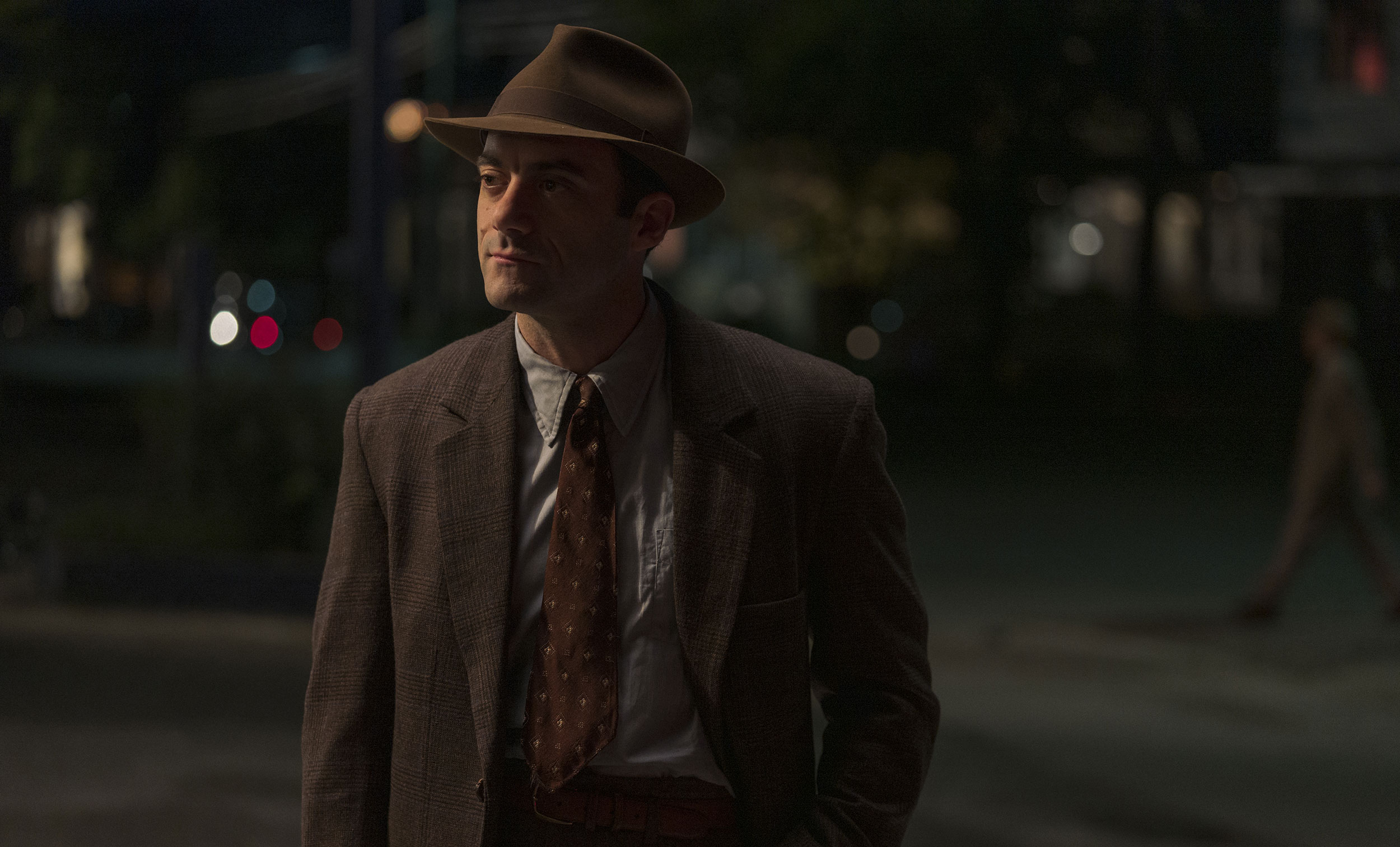
The series feels ordinary, so of a piece with other politically engaged prestige television.

The film allows that we are complicit in privilege for our fascination and envy.
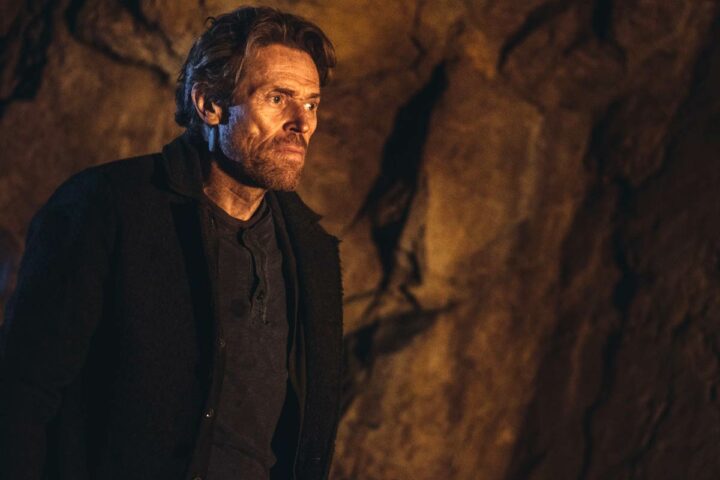
Abel Ferrara doesn’t require traditional dream logic, as his grasp of the nitty-gritty quotidian of longing is inherently uncanny.

Fortunately for the film, Carlo Mirabella-Davis continually springs scenes that either transcend or justify his preaching.

The film is designed so that we feel as starved for rudimentary human emotion as its main character.
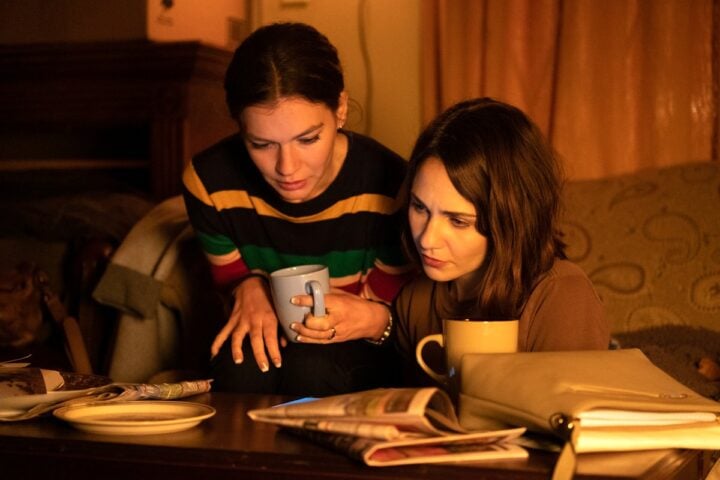
What distinguishes the film from much of its ilk is Albert Shin’s ongoing taste for peculiar and unsettling details.

Robertson’s sadness was more fulsomely evoked by Martin Scorsese in The Last Waltz.

Sony has outfitted Almodóvar’s newest memory play with a transfer that fully preserves the film’s painstaking gorgeousness.
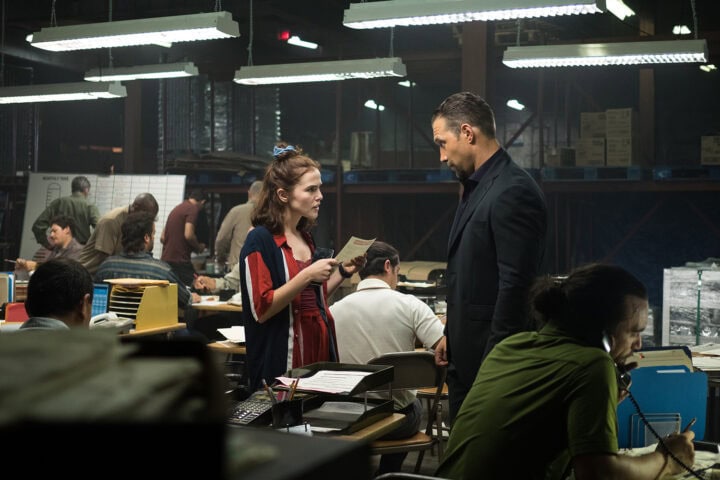
The filmmakers allow their characters to learn the usual humanist lessons, in the process eliding the ramifications of their scenario.

Aldrich’s underrated, challenging, and brutally violent 1972 western has been outfitted with a superb audio commentary.