The Covid-19 pandemic hit the live music market especially hard last year. Unlike film and TV, however, digital technology has made it easier than ever to create and distribute music—often from the privacy of one’s bedroom. Though not all of it can be categorized as “bedroom pop,” indie genres have thrived in insolation. Our list of the best albums of 2021 so far is a testament to that independent spirit, from indie-pop act Japanese Breakfast’s surprisingly exuberant Jubilee, to Saharan-rock artist Mdou Moctar’s captivating Afrique Victime, to Boygenius pals Julien Baker and Lucy Dacus’s confessional solo ventures. Even major label darlings like Lana Del Rey, who have built loyal fanbases but don’t fit easily into mainstream radio playlists, have thrown out the rulebook for releasing new content (next week the already-prolific Del Rey will drop her second album in less than four months). Of course, it wouldn’t be a Slant list without at least a little bit of pop (Olivia Rodrigo’s eclectic Sour), hip-hop (Young Thug and company’s Slime Language 2 compilation), and soul (Valerie June’s ambitious The Moon and Stars). Alexa Camp

Armand Hammer & The Alchemist, Haram
The nature of repurposing found recordings means that sampling is a medium that can provoke both life-affirming nostalgia and death-embracing doom. The grisly Haram, a collaboration between New York City underground hip-hop duo Armand Hammer and producer the Alchemist, decidedly elicits the latter. In many ways a critique of the legacy of slavery and colonialism, Haram possesses a manic, catastrophic atmosphere, almost as if the Alchemist were attempting to distill those crimes against humanity into sound. Throughout, the album’s 14 tracks unravel into convoluted tangles of disembodied voices, discordant jazz piano, and droning synths. Rappers Billy Woods and Elucid have mastered a stream-of-consciousness lyrical delivery that often prioritizes images, sensation, and rhythmic tension above easy comprehension. The group also turns their attention to the taboo, the immoral, and the inhumane: Where one’s first instinct might be to look away in disgust or horror, they would rather scrutinize, poke, and prod, and exaggerate the taboo. On “Indian Summer,” Woods recalls moving back to the U.S. from Africa, painting a hellish landscape out of the racism encountered in American suburbia and declaring, without the slightest hesitation, “I swore vengeance in the seventh grade/Not on one man, the whole human race/I’m almost done, God be praised.” Sophia Ordaz
Julien Baker, Little Oblivions
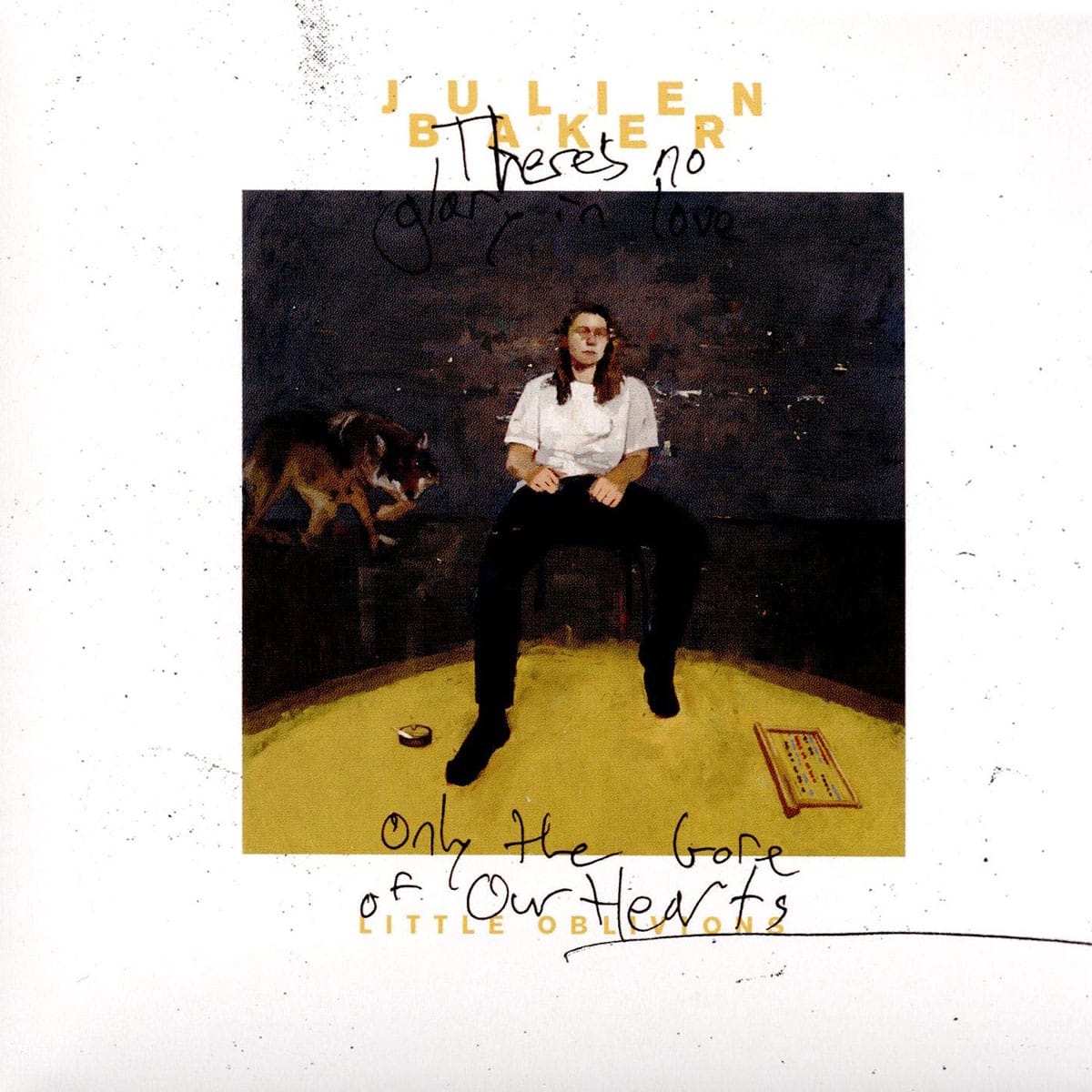
Julien Baker’s first two studio albums, Sprained Ankle and Turn Out the Lights, found the singer-songwriter and multi-instrumentalist pairing her tremulous voice, gossamer instrumentation, and stark lyrical approach with themes of self-loathing, interpersonal dysfunction, and profound loneliness. On her latest, Little Oblivions, she broaches similar topics but with even more confidence, embracing harder-edged indie-rock textures to broaden her brand of “thanatoid pop,” a subgenre characterized by pained vocals, haunting melodies, and lyrics that alternate between auto-criticality and auto-apotheosis. With Little Oblivions, Baker upgrades her erstwhile folk style to accommodate a harder rock approach, though lyrically she’s as vulnerable as ever. Like A.A. Williams, Snail Mail, and Soccer Mommy, she successfully translates her confessional tone and subject matter into melodically and atmospherically engaging songs, resulting in an album that represents a significant step for one of contemporary music’s most eloquent artists. John Amen

Nick Cave & Warren Ellis, Carnage
As a duo, Nick Cave and Warren Ellis have already built up a formidable discography that, until now, has been composed entirely of film scores. Their work in that arena clearly informed parts of Carnage, like the atmospheric mix of low-key Reznor-esque electronics and sinewy strings on “Hand of God” and the swooning, orchestral “Lavender Fields.” You can just picture the heartsick cowboy riding out across the plains in one of the westerns scored by Cave and Ellis. But even as the album finds Cave continuing to veer away from traditional pop song structure, the singer is as himself as ever, reeling off passages of alternating deep terror and profound beauty in his indomitable baritone. He shows his full range on the spectacular “White Elephant,” starting at a low, wrathful grumble (“I’ll shoot you in the fucking facе/If you think of coming around here,” he growls) before suddenly breaking into a fit of religious euphoria for one of his more buoyant choruses to date. Jeremy Winograd
Lucy Dacus, Home Video
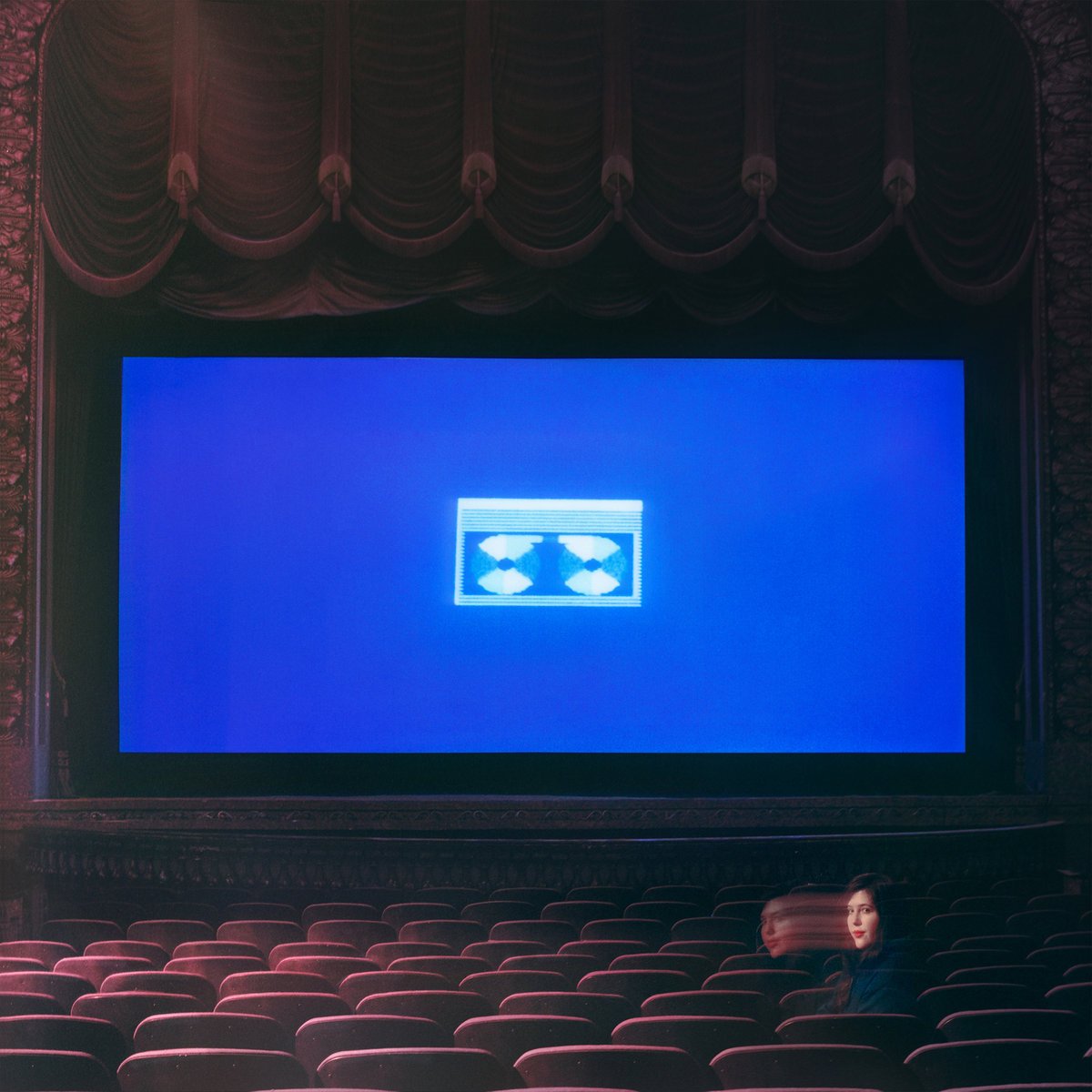
Across Home Video’s 11 tracks, singer-songwriter Lucy Dacus doesn’t view the past through rose-colored glasses or much of a filter beyond whatever measure of clarity she’s attained with time and age. The album’s tales of adolescence and young adulthood seemingly tell it how it really was and how it really felt to her: It can feel comforting to return to the past, but as Dacus reminds us, it can also be full of pain, messiness, confusion, and still-unresolved conflict. Like her Boygenius bandmates Phoebe Bridgers and Julien Baker, who sing backup on two songs here, Dacus has established a track record of transcending moody-girl-with-a-guitar stereotypes with an ear for dramatic arrangement and a knack for sharp, pop-leaning songcraft. But on Home Video, her songwriting has taken leaps in sophistication and immediacy, beyond even what Bridgers and Baker displayed on their most recent solo efforts. Winograd

Lana Del Rey, Chemtrails Over the Country Club
The way Lana Del Rey connects different songs to one another, even across different albums (like Lust for Life’s “Cherry” and Norman Fucking Rockwell’s “Venice Bitch”), is peerless—perhaps rivaled only by Taylor Swift—and partly what makes her work so enveloping. On Chemtrails Over the Country Club, Del Rey delights in dropping breadcrumbs: Her discussions of jewels on the title track links with mentions of the same on a cover of Joni Mitchell’s “For Free,” and she sings fondly of her ranch near Coldwater Canyon, which “sometimes…feels like [her] only friend,” on “Tulsa Jesus Freak” and “Dance Till We Die.” These thoughtfully connected threads make the album feel as if it’s in dialogue with itself and the rest of Del Rey’s catalog. And while it doesn’t engage with our current moment or hot-button issues as urgently as Norman Fucking Rockwell does, it’s also part of a larger pop-cultural conversation—or at least, it has some hilarious and apt references to astrology, Kings of Leon, and How Green Was My Valley. Charles Lyons-Burt

Dry Cleaning, New Long Leg
A quirky visual artist with no performing experience fronting a post-punk band is a wacky idea straight out of 1979, and with its spiky guitar lines, thudding bass, and stiff-as-a-whiskey-shot drumming, the music on the London-based Dry Cleaning’s debut, New Long Leg, sometimes does too. But frontwoman Florence Shaw doesn’t sound like anyone else in rock ‘n’ roll, past or present. Unlike her talk-singing forbearers, such as the Fall’s Mark E. Smith and Joy Division’s Ian Curtis, Shaw makes almost no attempt at any sort of emoting, much less actual singing. Instead, with Tom Dowse’s busy, multi-tonal guitar work providing the requisite dynamics and melodicism, she narrates the songs on New Long Leg in a dry, phlegmatic tone that only ups the bemusement factor of her postmodern, observational ramblings about, well, seemingly anything and everything. “Just an emo dead stuff collector, things come to the brain,” she declares of herself on “Strong Feelings,” and do they ever. It’s all delightfully weird and frequently, amusingly gastric-minded. Later in the same song, she muses: “I’ve been thinking about eating that hot dog for hours.” Mmmm. Winograd

For Those I Love, For Those I Love
On his debut album, Dublin’s David Balfe confronts life head-on in a full, dazzling range of emotions from grief to love. Inspired in part by the loss of his lifelong best friend, For Those I Love is house music rendered with cinematic clarity, its entrancing dance beats undergirding impassioned spoken-word stories. The album is rich in detail, its collage of samples, voice memos, and touching anecdotes creating not only a summation of a life, but a celebration of it. While a number of artists this year have employed spoken word to great effect, few have dedicated an entire album to the medium in such an inspired and innovative way. Like fellow spoken-word artist Kae Tempest, Balfe pays meticulous attention to the links between the individual and the collective, making For Those I Love a unifying and life-affirming experience. Eric Mason
Japanese Breakfast, Jubilee
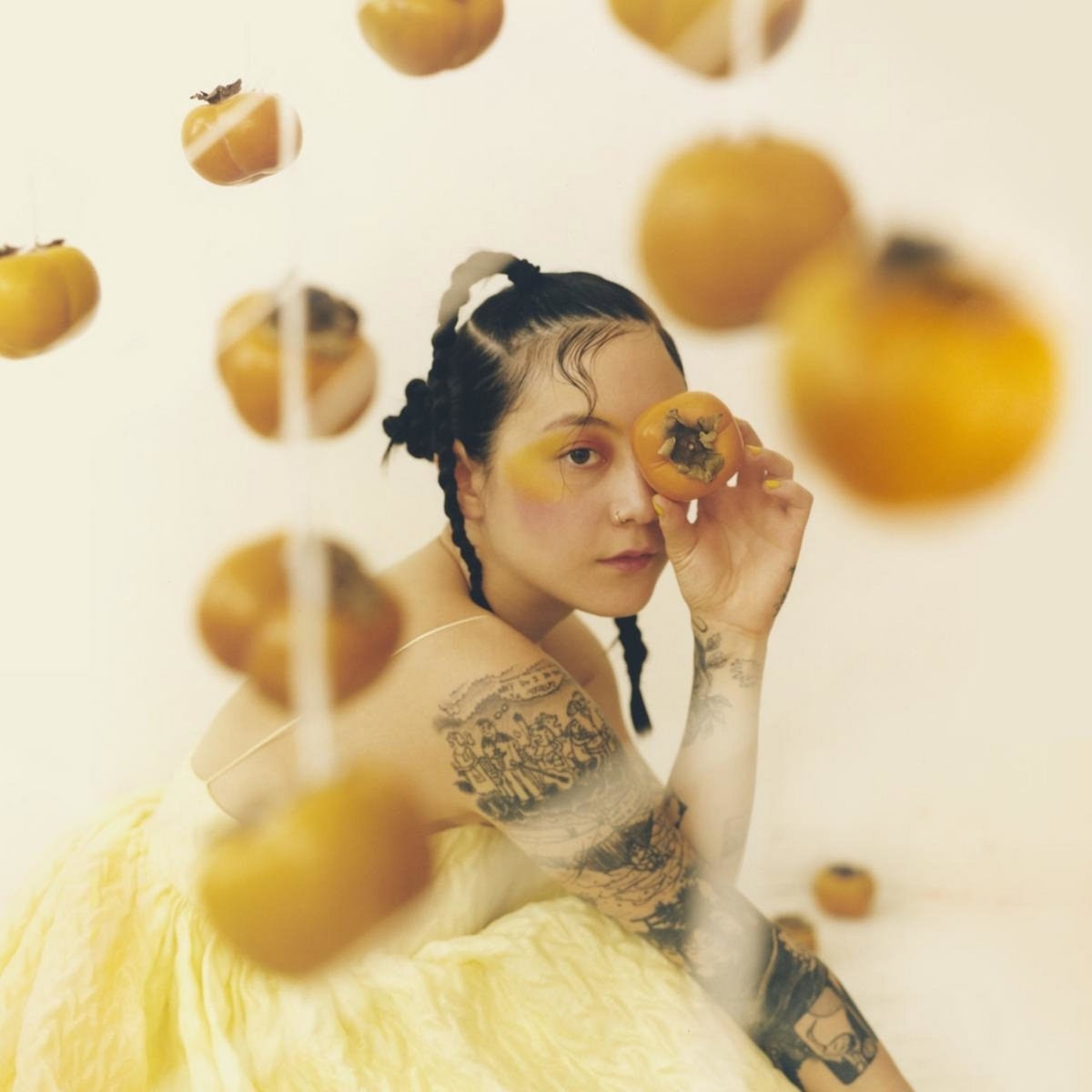
Japanese Breakfast’s Michelle Zauner can make a word last a lifetime, or at least several seconds. She sings in a breathy register, as if caught in a reverie, painstakingly extending notes or running two or more lines together in a burst of feeling. While the emotions Zauner is sifting through across Jubilee’s 10 tracks are at once recognizable and powerfully vulnerable, they aren’t always easy to pin down. Zauner frequently crafts metaphors and imagines situations that are at times compellingly contradictory or unclear. On “Paprika,” for instance, after declaring that she finds “no rush,” she proclaims, “It’s a rush!” Is she being sarcastic, or just making space for multiple truths? The ambiguity gives the music a tantalizing quality, insistently throwing us off her trail. The juggling of conflicting perspectives is also on fine display across Zauner’s depictions of love, as she insightfully explores the dangers of buying into agreed-upon fantasies with a romantic partner. For this singular artist, music is the chance to conceive of the exuberant possibilities of life and love while teasing out their more bracing realities. Lyons-Burt

Cassandra Jenkins, An Overview on Phenomenal Nature
The serene atmosphere and delicate textures of Cassandra Jenkins’s sophomore album, An Overview on Phenomenal Nature, are as enchanting as they are a challenge to classify. Jenkins’s singular vision of music as a conduit to universal truths falls at the intersection of the surreal, the whimsical, and the philosophical. The pensive spoken-word passages and gentle brass of “Hard Drive” give way beautifully to the country-inflected guitars and watercolor-translucent strings of the stunning “Crosshairs.” Likewise, Jenkins’s lyrics, distinctive in their broad vocabulary and vivid imagination, evoke both dreamlike free association and lucid, real-time journaling as she closely inspects strangers’ beliefs, words, and ephemera from all angles. “The poetry/It’s not lost on me/I walk around alone/Laughing in the street,” she sings on “Ambiguous Norway,” and it’s tempting to imagine these lines as a record of how An Overview on Phenomenal Nature came into being: an inquisitive singer-songwriter observing the world from the outside, quietly remarking to herself on its strangeness and its wonder. Mason
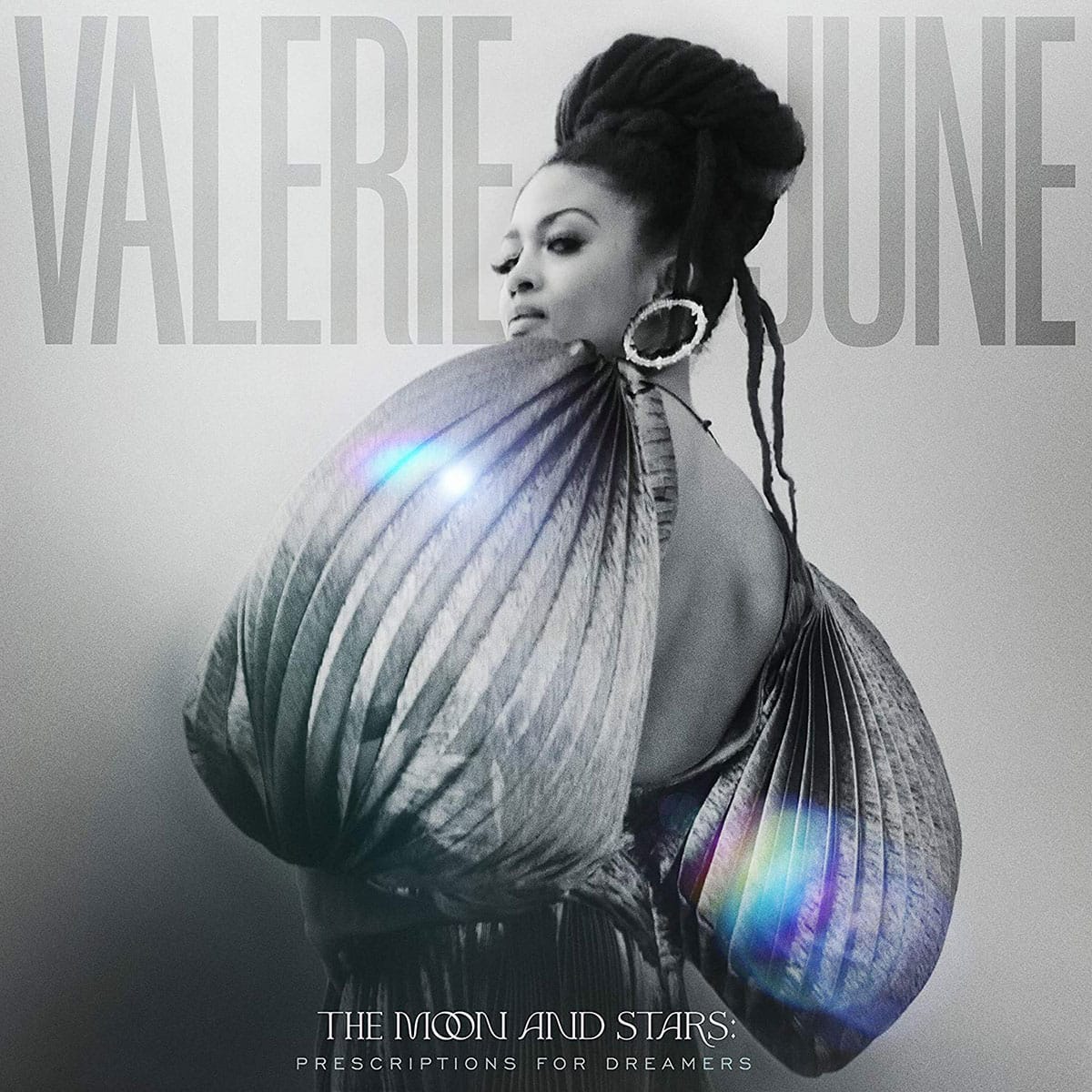
Valerie June, The Moon and Stars: Prescription for Dreamers
Valerie June’s The Moon and Stars: Prescription for Dreamers is an ambitious, dizzying jumble of genres and tones, and the singer manages to hold everything together on the power of her beguiling voice and charisma. The album’s two best songs epitomize June’s emotional and musical multitudes. “Two Roads” begins as a soul pastiche but quickly morphs into a gorgeous country song, drenched in honey-sweet pedal steel. “Call Me a Fool,” by contrast, is immediate, focused, and raw, featuring a powerhouse performance whose classic soul lineage is underscored by the presence of legendary Memphis singer Carla Thomas on backing vocals. New sensations seem to be exploding out of June almost as fast as she can process them, and The Moon and Stars is the controlled chaos that results. Winograd

Lost Girls, Menneskekollektivet
Singer-songwriter Jenny Hval’s music, whether it’s the post-rock of her earlier work or her more recent electronic-leaning fare, is distinguished by stream-of-consciousness lyrical explorations of the body and mind. The blunt, wryly funny songs on Menneskekollektivet, a collaboration with fellow Norwegian artist Havård Volden, weave skeletal dance beats with Hval’s matter-of-fact, observational musings. Throughout, she explores death and finality and the brief impermanence of time on Earth, as well as intimacy, touching, and what makes something exist or be classified as real. It sounds esoteric, and it can be quite heady, but there’s a transparency and an acceptance of human error to her prodding inquiries. Befitting the album’s focus on flesh and contact, there’s also a corporeal tactility to the mesmerizing grooves, with plentiful drum patter, chiming bells and synths, and outbursts from Volden’s guitar. Lyons-Burt

LSDXOXO, Dedicated 2 Disrespect
LSDXOXO’s Dedicated 2 Disrespect is a bracing EP of techno and house whose pulverizing four songs hammer you from every conceivable angle. There’s a sense of play to the subject matter: Raushaan Glasgow has a blast with themes revolving around sexual kinks and transgressions, especially on “The Devil” and “Sick Bitch,” where he deadpans about fucking the devil and “the limits of [his] gag reflex.” With this in mind, the mounting tensions and explosive releases of energy feel like they’re channeling Glasgow’s irrepressible desires. The songs’ taboo declarations are brought to life with beats that quiver with momentum. “You gotta make it hurt/if you wanna make it squirt,” Glasgow quips on “Sick Bitch,” and the hard-hitting sting is indeed is as potent as the rush. Lyons-Burt

Marina, Ancient Dreams in a Modern Land
Marina Diamandis’s fifth album, Ancient Dreams in a Modern Land, is as much a return to form as her most overt foray into the political pop fray. As on her debut, 2010’s The Family Jewels, Marina places not only her theatrical extroversion but also her femininity at the center of her persona. But over a decade later, her point of view is broader and more intersectional. The title track is an invigorating, high-drama callback to Marina’s boisterous early work and to the message she’s sought to send since she began making music: “You don’t have to be like everybody else/You don’t have to fit into the norm/You are not here to conform.” “Purge the Poison,” a likely answer to “drain the swamp,” is especially explicit, with Marina firing off indignant references to climate change, the Me Too movement, and conspiracy theories. But even in her moments of heartbreak, Marina doesn’t sacrifice her self-worth. “Highly Emotional People” seeks to teach self-awareness to a partner whose masculinity isolates him, just as “Goodbye” skips defeatism for a commitment to renewal, promoting healing as a process that is both personal and political. Mason

Mdou Moctar, Afrique Victime
Most new releases within the desert blues genre, which originated in late-20th century Saharan Africa, don’t register as even a blip on the radar of the vast majority of chronically Western-centric Americans. Then again, most Tuarag guitarists don’t play like Jimi Hendrix in the throes of a desert-vision quest. Mdou Moctar’s Afrique Victime is a dazzling feat of cultural transcendence that electrifies the traditional form, playing up familiar American blues and psych-rock influences. When Moctar and his band work up to a fever pitch on “Chismiten” and the jammed-out title track, the results are explosive, with Moctar conjuring fireballs from his lefty Stratocaster. But the acoustic material is just as captivating. Moctar sings mostly in Tamasheq, but the emotion in the pleading melody of “Tala Tannam” runs deep in any language. Winograd

Olivia Rodrigo, Sour
Despite having so much of human history literally in the palm of their hands, Gen Z seems almost exclusively interested in post-20th-century pop culture. Eighteen-year-old Olivia Rodrigo, though, is an apparent exception to the rule: She name-checks Billy Joel’s “Uptown Girl” on Sour’s “Deja Vu,” and credits her mom’s record collection for her enthusiasm for ’90s-era alternative rock. But Rodrigo isn’t a nostalgia act, as she’s clearly plugged in to her generation’s insecurities and preoccupations, and she effortlessly alternates between a disaffected vocal style similar to that of Billie Eilish and distorted yelps reminiscent of a young Kim Deal. Even when her lyrics venture beyond the purview of her own adolescent anxieties, as on the shoegaze-y closing song, “Hope Ur Ok,” they’re thematically limited in scope, revolving around heartbreak and, to quote the title of one searing track, “jealousy, jealousy.” Like Eilish and Lorde before her, Rodrigo possesses both a knack for stealthy pop hooks and a vocal control beyond her years. And even if Sour doesn’t quite transcend its myriad influences, it might at least inspire her fans to Google the Piano Man. Sal Cinquemani
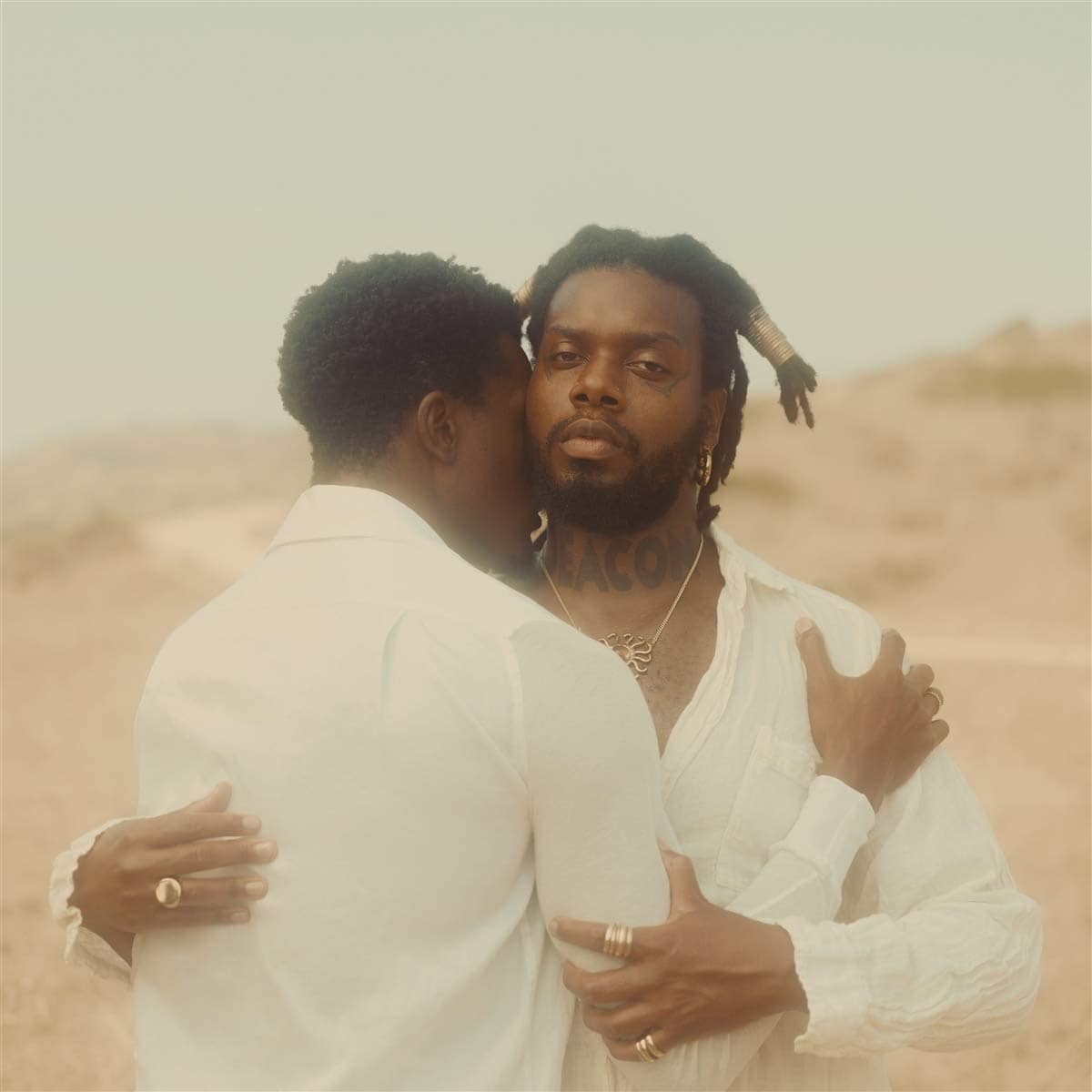
serpentwithfeet, Deacon
Josiah Wise’s second full-length album, Deacon, scales back the divine aspirations and melodramatic tendencies of his 2018 debut, Soil, for a more intimate approach. When Wise observes, “I began to believe nature’s magic was reserved for bees/Not for the men I meet” on “Hyacinth,” it becomes clear that Deacon is predicated on a newfound realization that perhaps the universe, and even the singer’s own world, doesn’t revolve around his love life. At times looking beyond both a higher power and a quest for partnership, the album further expands the artist’s purview: “Fellowship” forgoes romance altogether and celebrates the comforts of platonic companionship. Still, Wise’s exploration of queer sexual roles is welcome in a culture that’s noticeably short on such depictions, and all the more fascinating for how he ties these themes to traditional gospel and R&B frameworks. On Deacon, Wise continues to prove how insightful he is at weaving his romantic obsessions with painfully honest, emotional expressions of his personal fuck-ups. Lyons-Burt

Squid, Bright Green Field
Brighton’s Squid excels in balancing playfulness and drama, landing somewhere at the crossroads of Dry Cleaning’s cut-and-dry drollness and Black Midi’s noise-rock maximalism. Expanding on the post-Brexit disillusionment of their Krautrock-indebted hit “Houseplants,” Squid’s debut album, Bright Green Field, contrasts Wordsworthian pastoralism the political realities of today’s England, that dystopic island in the grips of right-wing populism, class disparity, environmental degradation, and the Covid-19 pandemic. Against this chaotic backdrop, lead vocalist and percussionist Ollie Judge channels the soul-crushing mundanity of a 9-to-5 job in the spirit of absurdist pencil pushers like Franz Kafka and Fernando Pessoa. For all its significations and referents, Bright Green Field never feels overburdened or contrived. Judge delivers his revelations with a frantic, improvisatory air, almost as if he’s speaking in tongues, and the band’s arrangements, unbeholden to any sort of traditional structure, churn and rattle like a train going off its tracks. Squid is leery of conventional song structures: “Boy Racers” melts into an otherworldly passage played on a rackett, a Medieval wind instrument, and “Resolution Square” was recorded by hanging a microphone from the ceiling and spinning it round a ring of guitar amps playing sounds from nature. Originating as a quintet schooled in modal jazz, Squid’s transformation into post-punk disruptors is indicative of a band that relentlessly bucks against their limits. Ordaz

St. Vincent, Daddy’s Home
It’s always been easy to imagine Clark as an artist transported from the ’70s, cutting a lithe, androgynous figure on a concert stage right alongside Lou Reed, Marc Bolan, or the Spiders from Mars. The strutting “Pay Your Way in Pain,” the opening track of Daddy’s Home, will certainly do nothing to quell the Bowie comparisons, as the track is clearly indebted to the late icon’s classic “Fame,” down to the way Clark pleadingly elongates the vowel in “paaaiiin.” But the rest of the album doesn’t hit any of the obvious glam notes, as producer Jack Antonoff and Clark ensconce these songs in clavichord, Wurlitzer, electric sitar, and a dampened heartbeat drum sound that, in toto, perfectly capture the style and vibe of classic ’70s funk, soul, and folk-rock. Winograd
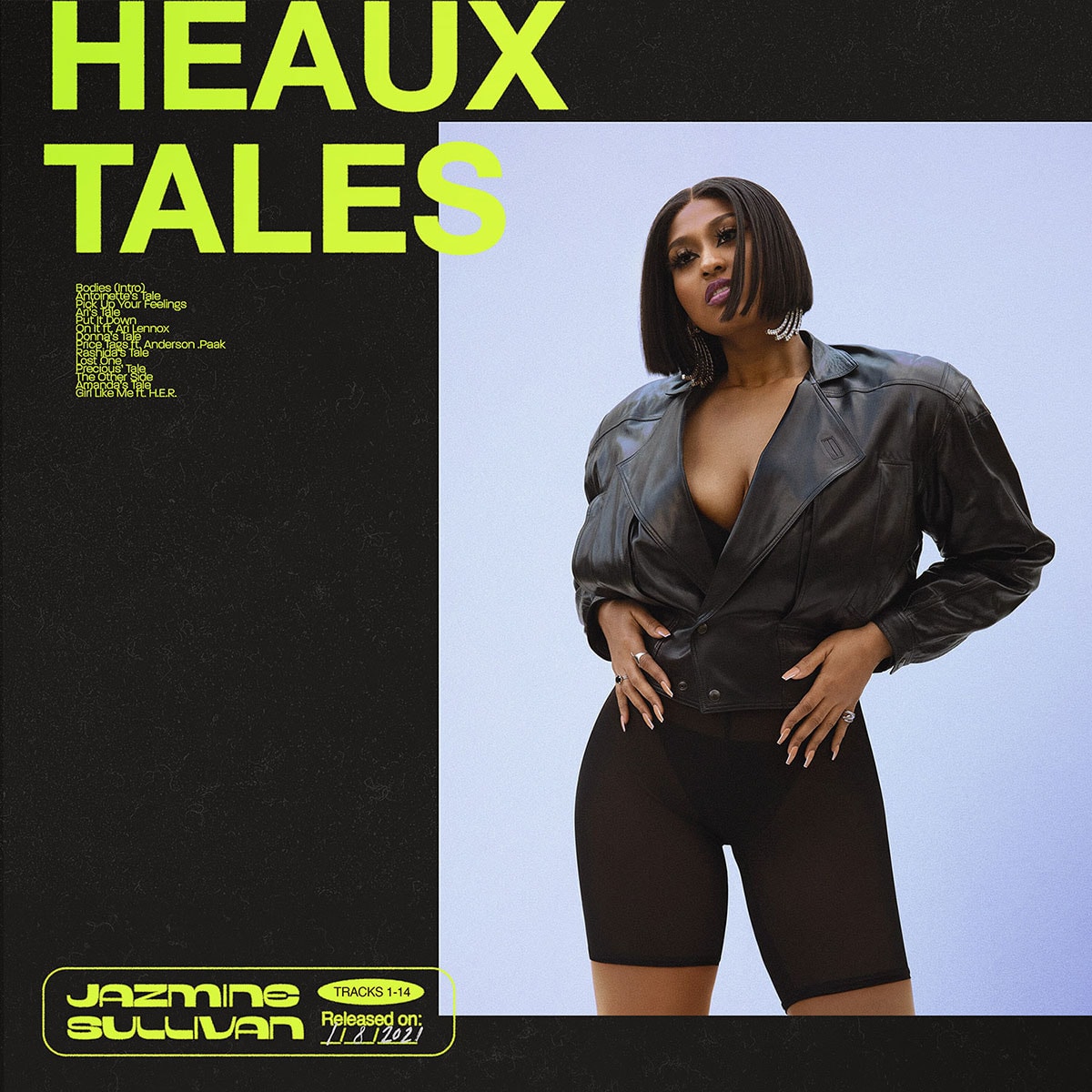
Jazmine Sullivan, Heaux Tales
Destiny’s Child’s docile “Cater 2 You” is part of an R&B tradition that enshrines serving a man as the highest realization of a woman’s love. At first glance, “Put It Down,” a highlight from Jazmine Sullivan’s Heaux Tales, would seem to echo Beyoncé’s croons of wanting to dress and groom her partner, with Sullivan breathlessly promising to cook and even pay rent for a man. But the Philadelphia singer-songwriter decidedly spurns that sort of selfless, self-sacrificing affection throughout Heaux Tales, asserting that love must be rightfully earned, usually either through sexual prowess or deep pockets and especially since the supply of sexual partners is plentiful. Confessional monologues honoring sexual autonomy, economic independence, and sisterhood are interspersed throughout the album in the style of the skits on The Miseducation of Lauryn Hill. In fact, you could say that Sullivan addresses these songs to the women raised by Hill’s morals, correcting the hip-hop icon’s more sanctimonious leanings. Sullivan revels in messy drunk nights out, all-consuming lust, and the thrill of giving herself over to a partner, always on her own terms. Her gospel-colored ad-libs add soulful dimension and sanctity to subjects that hardly see the light of day, or at least the world outside the tell-all group chat. Ordaz

Young Stoner Life, Young Thug & Gunna, Slime Language 2 (Deluxe)
Seemingly everyone in Young Thug’s orbit features in some way on the 31-song, 98-minute deluxe edition of Slime Language 2, including friends-in-high-places Drake and Travis Scott, longtime right-hand man Lil Duke, up-and-comers Lil Keed and Yak Gotti, even his eight-year-old daughter, billed as MEGO. But the album’s prime attractions are Thug and Gunna, a star fashioned in the former’s image who might now be more famous than his mentor. The two exercise a fantastic interplay on standouts like “Slam the Door” and “Diamonds Dancing,” with Gunna taking over the chorus from Thug at the end of the latter track before the two joyfully harmonize in unison. Despite its length, the album is well-paced and sequenced, breaking up the high-profile, high-energy cuts with measured, low-key material like “Real” and “Trance.” Slime Language 2 employs the crew’s go-to producers Wheezy, Turbo, and London on da Track to cook up ornate, brassy beats for “Pots N Pans” and “Warrior” so that even the lesser talents featured on the album have superior tools to work with. Slime Language 2 doesn’t reinvent Atlanta trap music, but it’s a good reminder of Young Thug and company’s continued dominance and vitality in the genre. Lyons-Burt
Since 2001, we've brought you uncompromising, candid takes on the world of film, music, television, video games, theater, and more. Independently owned and operated publications like Slant have been hit hard in recent years, but we’re committed to keeping our content free and accessible—meaning no paywalls or fees.
If you like what we do, please consider subscribing to our Patreon or making a donation.