In my introduction to Slant’s list of the 100 Best Albums of the 1990s, I described nostalgia for the decade as “an idealized vision of a time when Bill Clinton was the fresh, young Democrat on the block, beepers were the hottest new tech items, and every major record label and Top 40 radio station was scrambling to discover the next big alternative to run-of-the-mill pop.” I went on to lament: “It’s human nature to look back on things with irrational fondness and nostalgia, overlooking the bad and romanticizing the good. But while the ’90s had its fair share of ‘crap,’ it’s hard to deny that the ‘good’ was exceptionally good.” So good, in fact, that we decided to dust off our lovingly curated list of over 400 albums to compile individual Top 10s for each year of the ’90s. Many of these titles are already widely—and rightfully—celebrated, but these lists also give us the opportunity to honor some typically overlooked gems. Sal Cinquemani
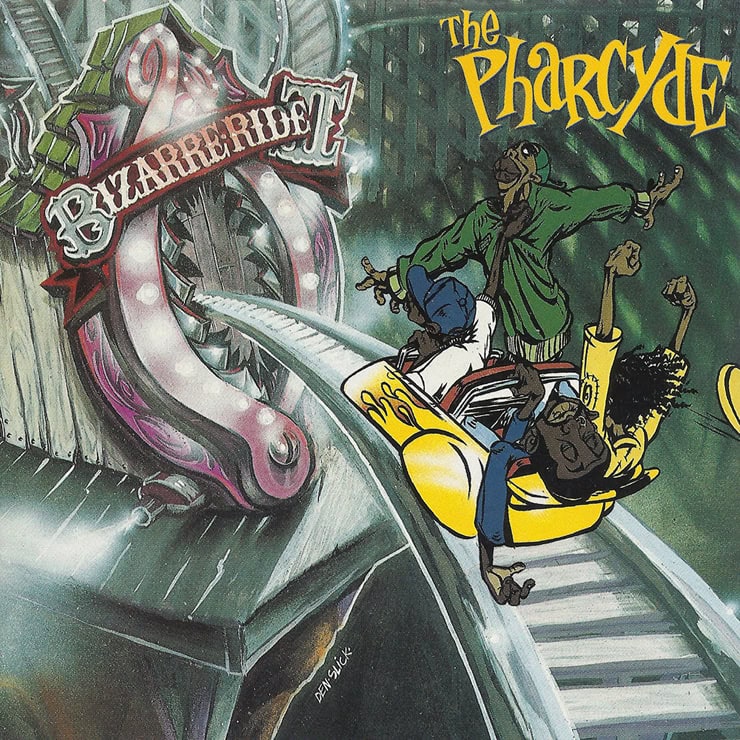
10. The Pharcyde, Bizarre Ride II the Pharcyde
“Too black, too strong.” The Malcolm X mantra opens Public Enemy’s “Bring the Noise,” but it applies in spades—as Maude Findley said, no racial connotation intended—to the Pharcyde’s debut album, a raucous house party with enough lyrical verve and scruffy jazz sampling to match the South Central posse’s straight-outta-the-gate flair for boastful good times (“Niggas on my Snoopy like the bird Woodstock/Getcha hands off my dick because I hold this cock”) and heartrending pathos (the tearjerker “Passin’ Me By,” a threnody for a childhood love evaporated which reveals the likes of Arrested Development’s “Mr. Wendel” for the clumsy Sunday-school parable it is). Eric Henderson
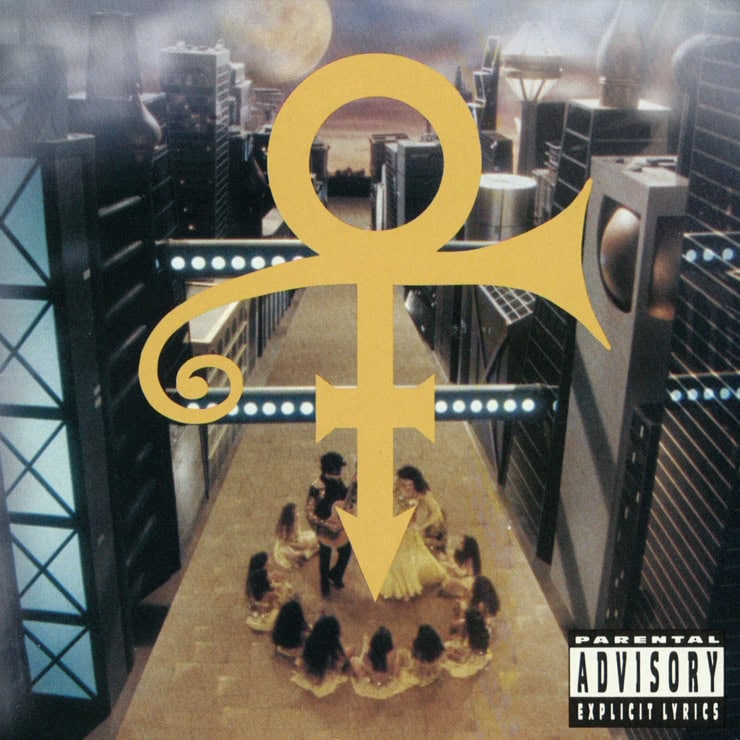
9. Prince and the New Power Generation, Love Symbol
He may have been a tiny man, but Prince had the biggest balls in pop music. Consider the unpronounceable symbol he used to title his “Love Symbol” album, the fact that he later changed his name to said symbol, that he declared the album to be a “rock soap opera,” and that it includes spoken-word interludes from Kirstie Alley. Putting every bit of that business aside, it’s still damn near impossible to believe that Prince and the New Power Generation, easily the finest of his backing bands, were able to get away with an album of such deep funk and such a filthy take on contemporary pop and R&B. The Love Symbol album was the decade’s most unabashedly slutty-sounding record. Jonathan Keefe
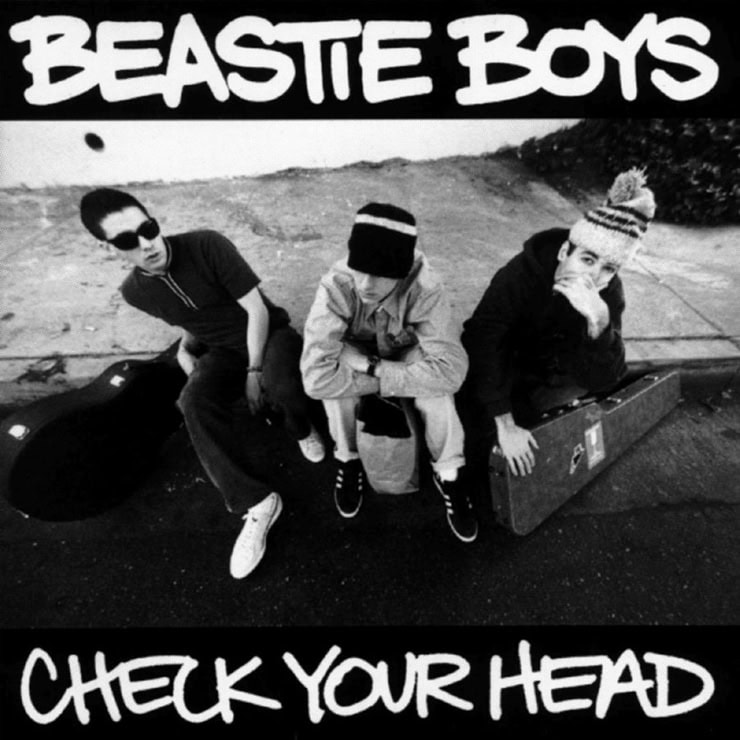
8. Beastie Boys, Check Your Head
Having already released one of hip-hop’s greatest party records with Licensed to Ill, revolutionized the art of sample-based hip-hop with Paul’s Boutique, and, in doing so, seamlessly introduced the white Jewish MC into the cultural lexicon of East Coast rap, it would have made sense for the Beastie Boys to take a breather. Instead, the clown-princes of New York City went lo-fi, infusing and sometimes overpowering their rap roots with barreling post-punk drums, metal riffs, and sweaty funk grooves. At that, it’s tempting to lay blame for the endless cultural embarrassment of rap-metal at their feet. I’d ask that we give props instead, because contained in that accusation is an acknowledgment that the Beastie Boys succeeded where pretty much every imitator has failed. Matthew Cole
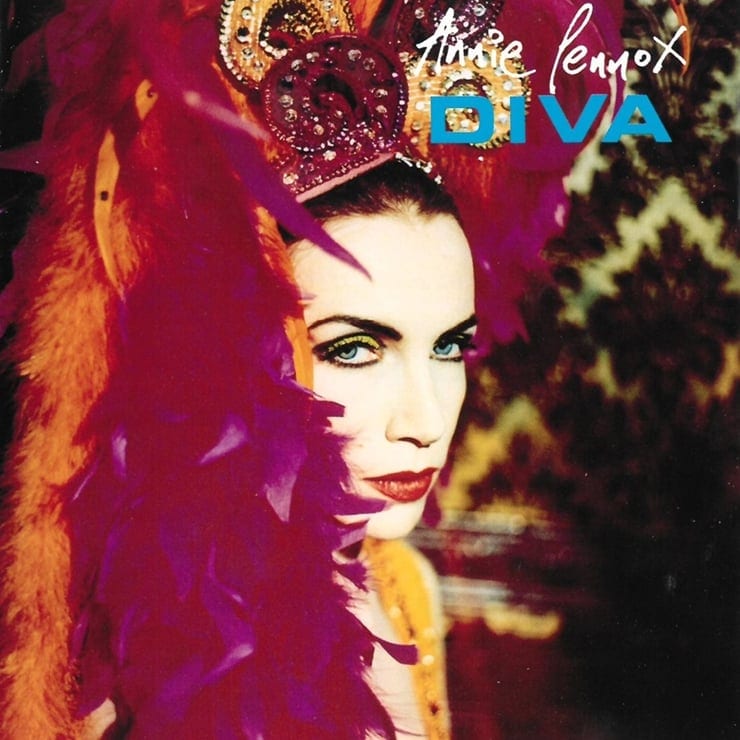
7. Annie Lennox, Diva
With her debut solo album, Annie Lennox placed all of her insecurities, pretentions, frustrations, and triumphs on display like finely polished diamonds, at once haughty and stubborn but equally delicate and transcendent. The Eurythmics singer is in total command of her craft here, using her strikingly contralto voice to lead the record through plush, penetrating pieces like “Why” with the same amount of sensual power that graces playful pop songs like “Walking on Broken Glass.” Diva is ultimately Lennox’s greatest work: a warm, soulful, rhythm-fueled pop masterpiece that established her as not only one of the best female vocalists of the ’90s, but of any age. Kevin Liedel

6. Tori Amos, Little Earthquakes
Blurring the line between artist and cult leader, Tori Amos’s epistles are intimate and seductive, allowing anyone who’s ever been a victim or who’s ever struggled to find his or her own voice to derive deeply personal meanings from her mishmash of religious iconography, pop-cultural non sequiturs, and harrowing first-person details. Her mythology has become more convoluted and frankly insufferable over the years, but Amos’s Little Earthquakes still plays like a revelation, with its cutting turns of phrase (“Boy, you’d best pray that I bleed real soon” remains perhaps the most loaded line in her catalogue) and simply masterful piano work causing seismic upheavals that are anything but little. Keefe

5. Tom Waits, Bone Machine
Tom Waits albums always carry a certain stink of vaudevillian excess, seemingly conceived more for a broad stage performance than intimate listening. Only Bone Machine remains so staunchly dedicated to its themes, uniform in both message and tone, creating a consistently entrancing experience. A pitch-black mediation on death, racking up the highest body count this side of a Nick Cave album, the album sees Waits tilting his gruesome instrument toward sinister ends, from wholesale slaughter for sport to invocations of end-times austerity. Many artists have plumbed this kind of dark territory, but who else has contemplated mortality on songs that sound like they were played on actual bones? Jesse Cataldo
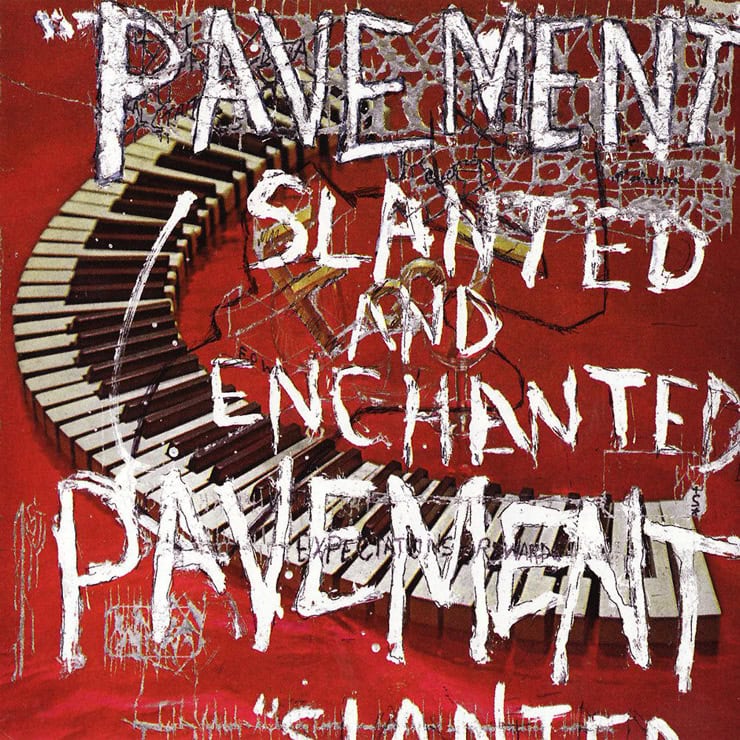
4. Pavement, Slanted and Enchanted
The coarse and fuzzy sound of Slanted and Enchanted resonated with every teenager furiously strumming power-chord combinations in their parents’ garage, because it seemed as if Pavement was, like them, reveling in the stripped-down, lo-fi aesthetic like pigs in shit. Now, rather than emulating the über-polished rock of the 1980s, teenagers could shoot for a sound that wasn’t too dissimilar to what was blaring from their own hand-me-down amplifiers. Slanted and Enchanted brought music fans closer to their idols through its grainy production and illusion of amateurism, but was stuffed with enough expert lessons in treble-heavy rock to maintain the necessary distance. Huw Jones

3. Dr. Dre, The Chronic
Less the seminal weed-fetish album or a direct call for Eazy-E’s head than a compulsive, fevered exploration of deez nuts, The Chronic cut to the core of hip-hop’s male-genital obsession, with Dr. Dre at least having the pluck to admit it was all about his junk. Favoring languid atmosphere over lyrical dexterity and a devotion to ribald silliness over actual content, the album, aided by a constantly hanging-around Snoop Dogg, is nasty, brutish, and warm. It’s a watershed moment and a clear dividing line in hip-hop history, separating the ruthless belligerence of NWA from a generation of MCs more fixated on their own dicks than the state of the world around them. Cataldo
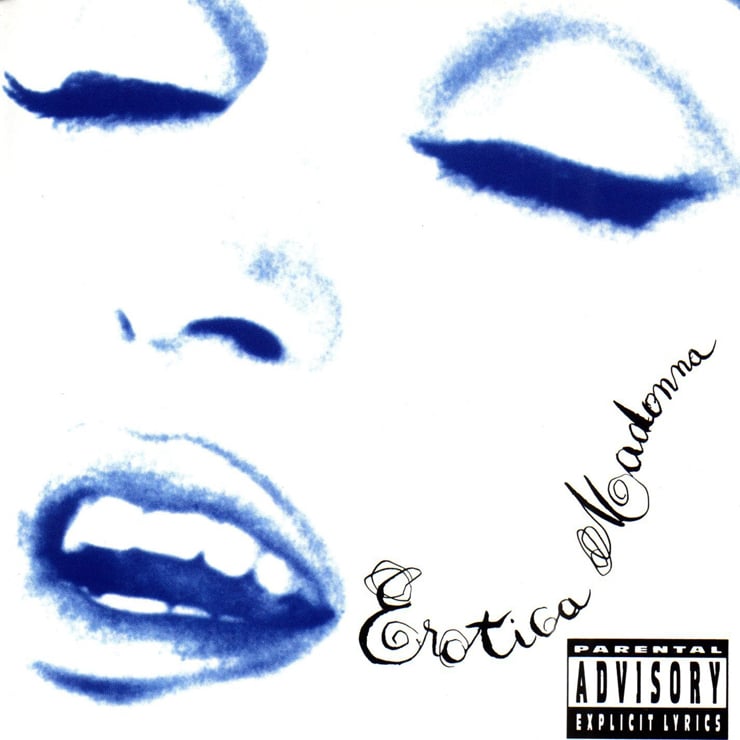
2. Madonna, Erotica
No Madonna album was ever met with a louder backlash or was more rampantly misrepresented than this dark masterpiece, so you know it was doing something right. Released on the tail end of AIDS hysteria, Erotica is far from the opus to guiltless sexual fulfillment it—and its even more ridiculed accompanying tome Sex—was made out to be. Though there’s no doubt it espouses taking joy in physical pleasure (“Let me remind you in case you don’t already know/Dining out can happen down below”), no album seems more empathetically haunted by the act’s countless side effects (i.e. “Bad Girl,” “Thief of Hearts,” a purposefully monotonous house cover of Peggy Lee’s “Fever”). Underneath Madonna’s bondage getup and Shep Pettibone’s oversized drum tracks beats a truly pained heart. Henderson

1. R.E.M., Automatic for the People
By 1992, R.E.M. had transformed from one of the originators of the alternative rock tag into one of the biggest mainstream rock acts in the world, and Automatic for the People confronted the band’s uneasy relationship with that metamorphosis head-on. Michael Stipe’s imagist poetry is at its most reflective and intuitive, as songs like “Try Not to Breathe,” “Find the River,” and the extraordinary opening cut, “Drive,” all lay bare deeply personal insecurities about becoming one of rock music’s elder statesmen. However twitchy R.E.M. may have felt about their massive commercial presence, Automatic for the People emerges as the band’s most timeless recording for the way in which Stipe’s lyrics and especially Peter Buck’s guitar work translate their personal anxieties into meditations that resonated on a broad, populist level. Keefe
Since 2001, we've brought you uncompromising, candid takes on the world of film, music, television, video games, theater, and more. Independently owned and operated publications like Slant have been hit hard in recent years, but we’re committed to keeping our content free and accessible—meaning no paywalls or fees.
If you like what we do, please consider subscribing to our Patreon or making a donation.
Honorable Mention: Pearl Jam, Ten; The KLF, The White Room; Slint, Spiderland; Michael Jackson, Dangerous; Metallica, Metallica; Swans, White Light from the Mouth of Infinity; Matthew Sweet, Girlfriend; Paula Abdul, Spellbound; Red Hot Chili Peppers, Blood Sugar Sex Magik; Guns N’ Roses, Use Your Illusion II
Editor’s Note: Check out more of Kirk Weddle’s Nirvana outtakes here.
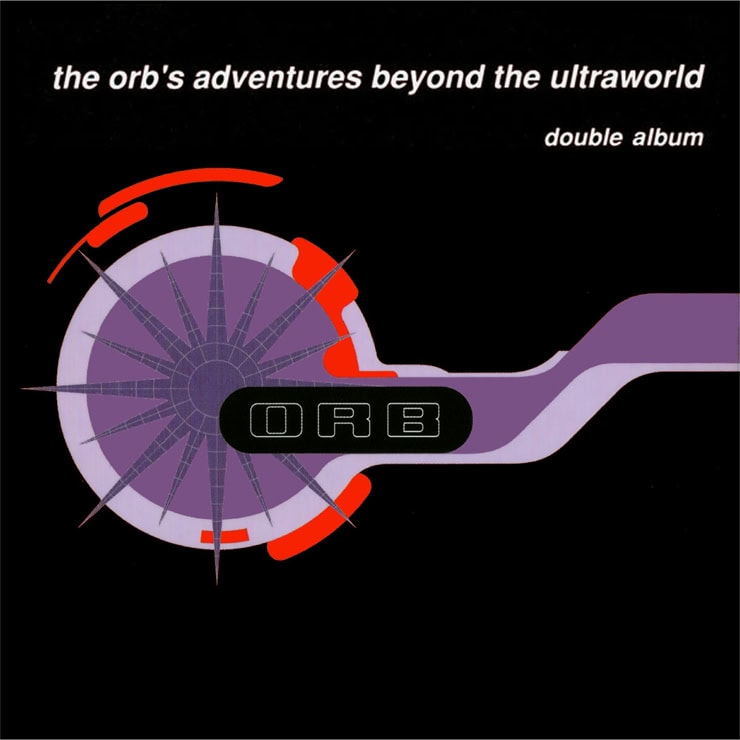
10. The Orb, Adventures Beyond the Ultraworld
What a wonderful world, but what kind of world is it? It begins in what really could pass for the English countryside, with a rooster crowing at the break of dawn, before the Orb proceeds upward, into the sky and beyond, on a space odyssey of sorts. Gods, or aliens, contemplate vineyards and Minnie Riperton gets her mousey voice pulverized to a point that it suggests a ghost in a machine, and then the rooster crows again, as if to remind us that there’s a way out of this sonic mind-melt. And just as you think you’ve landed back on Earth (the awesome warbling sound on “Perpetual Dawn” suggests someone jiggling their cheeks as if to stay awake), you’re drawn into a fourth dimension. Where other groups jump across continents, the Orb bops across galaxies, creating supernovas of dubby, sometimes trip-hoppy ambient techno loaded with nooks and crannies from which heretofore unidentified surprises continue to emerge. Ed Gonzalez
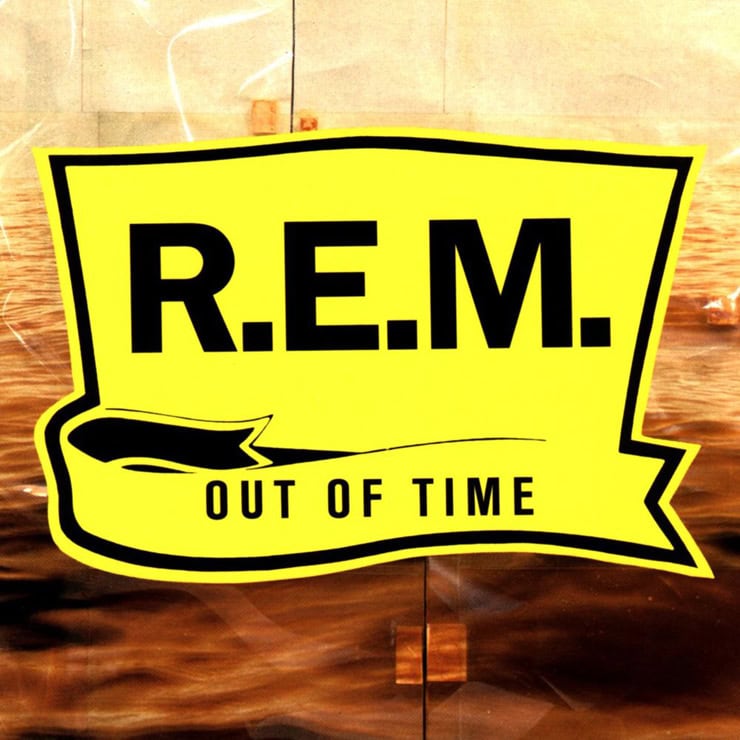
9. R.E.M., Out of Time
What would teenagers make of this album if it came out today, when radios are as obsolete as dodos? Hell, what did we make of it when it came out yesterday, when people still bought CDs? Yes, even in 1991, when this blissed-out masterwork was released by what used to be the greatest band in the world, it also felt a little out of time. A queer street preacher whose earnestness and fierce conviction to his belief system recalls that of a Flannery O’Connor cook, Michael Stipe hurts his way through 11 sterling tracks—two with an angel (Kate Pierson) sitting on his shoulder—that represent the band’s most eloquent and poignant reckoning of life, love, and the purpose of their music. The observations are sad, sometimes bitter and self-doubting, but the mood remains strangely, jarringly, beautifully happy. Gonzalez
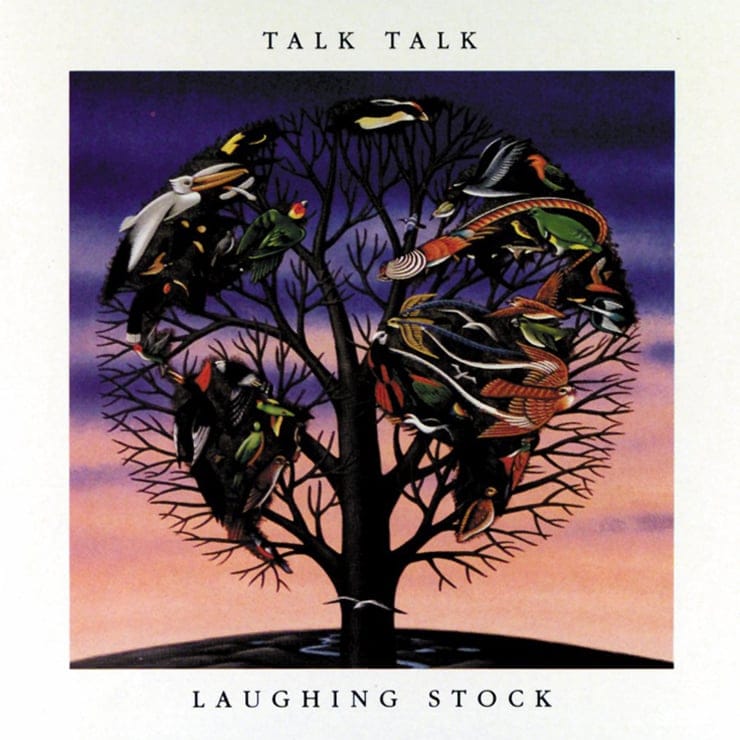
8. Talk Talk, Laughing Stock
Talk Talk’s late albums, with their hushed tones and mystical tree covers, invoke a kind of quiet devoutness, an atmosphere that by their last album had reached a level of near-saintly purity. The songs are so quiet it’s easy to miss their bountiful movement, pieces slowly locking and unlocking, forming elaborate structures with organic precision. Laughing Stock stands as their finest work both because of the enormous variety it contains, moving from strict ambient minimalism to spooky jazz to bursts of lacerating noise, and its sense of a private sonic world springing up out of primordial nothingness. Jesse Cataldo
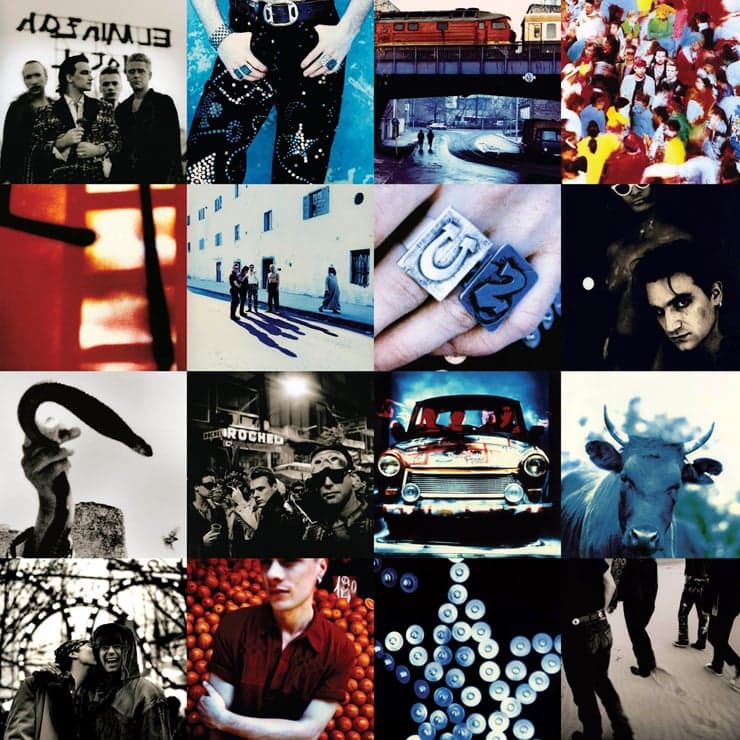
7. U2, Achtung Baby
U2 greeted the 1990s by casting off the proselytizing cocoon of their Reagan-era music and delivering the transformative Achtung Baby, the first and greatest of their ’90s offerings. Here is where Bono ceased being the scruffy Irish chap singing about war-torn vistas and instead adopted the seductive rock-star persona of “the Fly,” a brilliant composite of Jim Morrison and Michael Hutchence, and an undeniable poke at bombastic pop theatricality. So, too, does U2 become models of efficiency, not wasting one second of their blitz into globe-conquering arena rock: Every track is a gem, from well-known anthems like “One” and “Mysterious Ways” to lesser-known treasures like “Ultraviolet (Light My Way)” and “Acrobat.” Rarely does a musical metamorphosis sound this instinctual. Kevin Liedel
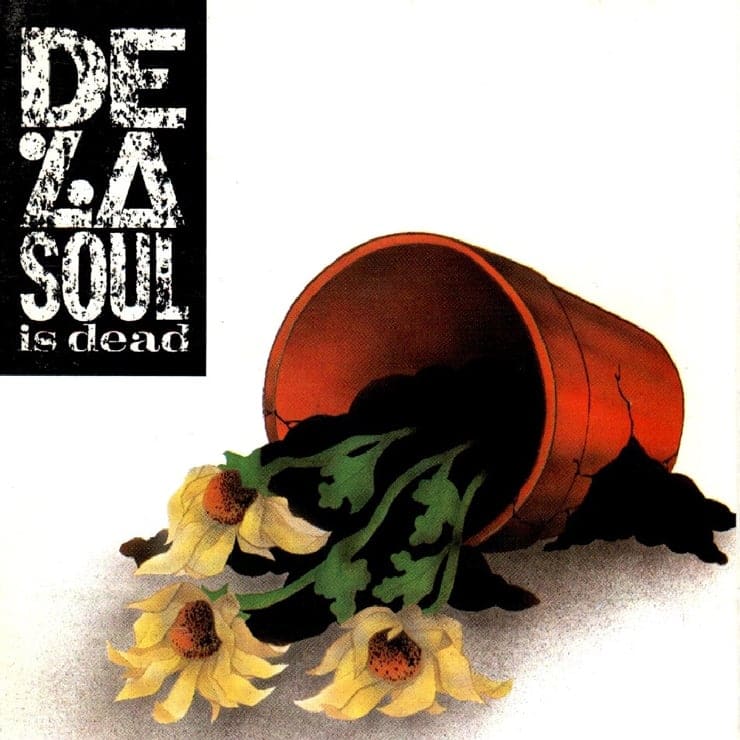
6. De La Soul, De La Soul Is Dead
Surreal and witty founders of what would eventually be called “alternative rap,” De La Soul always insisted that they weren’t hippies and that, for all their good humor, they weren’t to be dismissed. I’m glad no one listened, because it wasn’t until they set out to prove exactly how serious they were that De La Soul created their wickedly funny masterpiece, De La Soul Is Dead. They mock hip-hop’s gangsta contingent on “Pease Porridge,” take on the rap-radio establishment on “Rap de Rap Show,” and reserve plenty of ammunition for their fans and even themselves. But the album’s best pop songs, “A Rollerskating Jam Named ‘Saturdays’” and “Talkin’ Bout Hey Love,” are genuinely endearing, demonstrating that De La Soul were masters of songcraft as well as satire. Matthew Cole
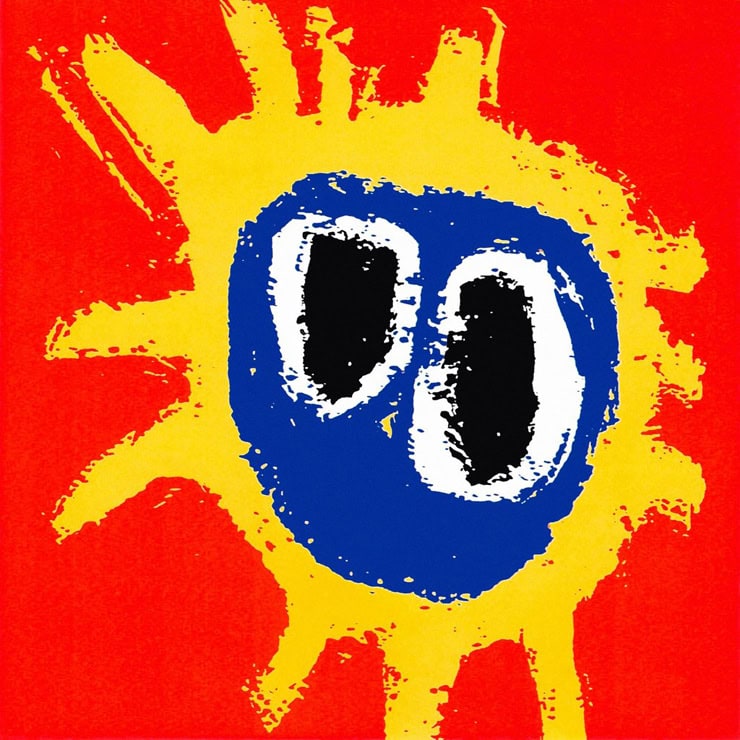
5. Primal Scream, Screamadelica
“Tomorrow Never Knows” was the big bang that opened up the rock universe to the quasars of electronic dance music, but for decades rock resisted its gravitational pull. By the time proto-Britpoppers Primal Scream dipped their toes into the sampleslaya asteroid belt with their third album, Screamadelica, the evolutionary process had clearly run its course. A massive, dubby, sunny, downtempo masterpiece, Screamadelica’s elasticity is formidable and forms its own solar system where Mars the Bringer of War (“Loaded,” a twangy spin on Soul II Soul’s steeze) knocks boots with Venus the Bringer of Peace (“Don’t Fight It, Feel It”) and the spirit of Neptune the Mystic hangs over all. Eric Henderson
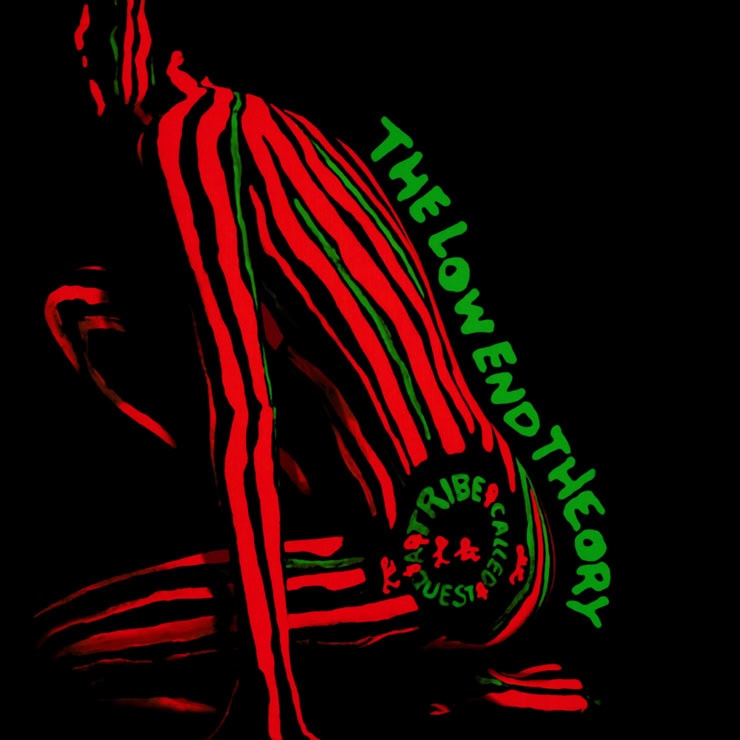
4. A Tribe Called Quest, The Low End Theory
Heralded as the album which first forged a conscious link between jazz and hip-hop (both musically and culturally), The Low End Theory also stands as the decade’s very best exercise in breezy, debonair rap music. With Q-Tip and Phife Dawg in staggering form throughout, each track is crammed with a hatful of sassy rhymes and sharp observations. Rap’s descent into soulless bravado is addressed on both “Rap Promoter” and “Show Business,” suggesting that the duo was aware of the impending G-Funk explosion, and The Low End Theory is a glorious salute to the virtues of socially conscious hip-hop. There’s a reason that streets across the world were grooving to “Check the Rhime” and “Excursions,” and there’s no reason they shouldn’t continue to do so. Huw Jones
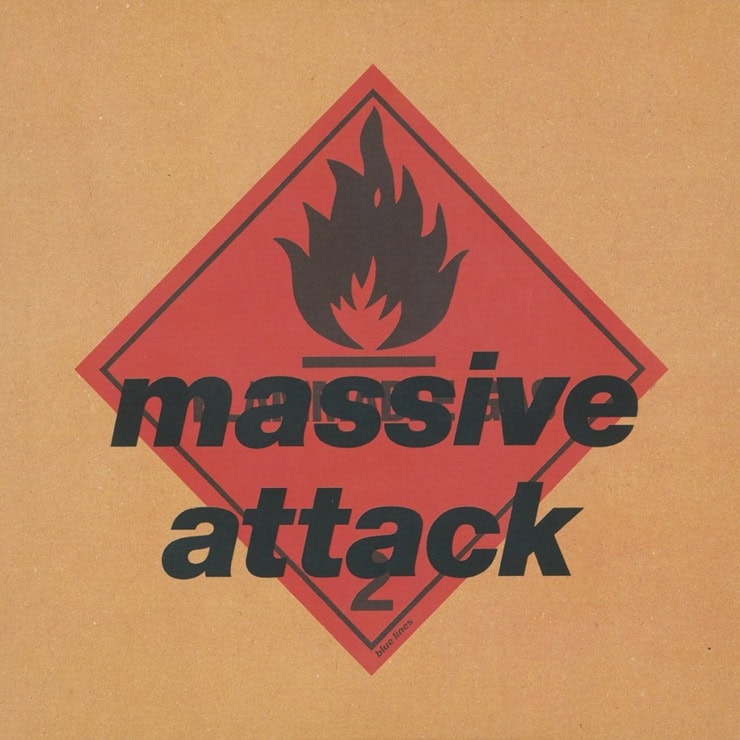
3. Massive Attack, Blue Lines
Before trip-hop became trip-hop, it was Bristol hip-hop, forefronted by the English town’s most famous collective, Massive Attack, and their debut, Blue Lines. The album took American soul music and filtered it through a patently European dance perspective, infusing James Brown samples and singer Shara Nelson’s cool yet soulful vocals with languid reggae and dub rhythms. With its double-digit BPMs, Blue Lines proved that dance music didn’t have to pound you into submission. More importantly, it offered an alternative to American hip-hop, with Horace Andy, Tony Bryan, and an artist then known as Tricky Kid commenting on the universal trifecta of love, drugs, and…encroaching corporatism. Cinquemani

2. My Bloody Valentine, Loveless
Loveless is one of the quintessential headphones albums. Its dense sound collages do their most powerful work when heard in full detail, which is why I was recently surprised to read that My Bloody Valentine had a reputation for being one of the loudest live acts in rock history, to the point of inflicting real pain on their audiences. Naturally, I rigged up my sound system as loud as I could without risking eviction, and proceeded to reinterpret Loveless. And sure enough, the record is as physical as it is cerebral: You can feel the terrifying density of the loud songs and the sexual pulse of the relatively tranquil ones. Loveless ranks with the best work of Hendrix, Zeppelin, and Sonic Youth as a testament to the elemental power that a human being can wrest from a guitar. Cole
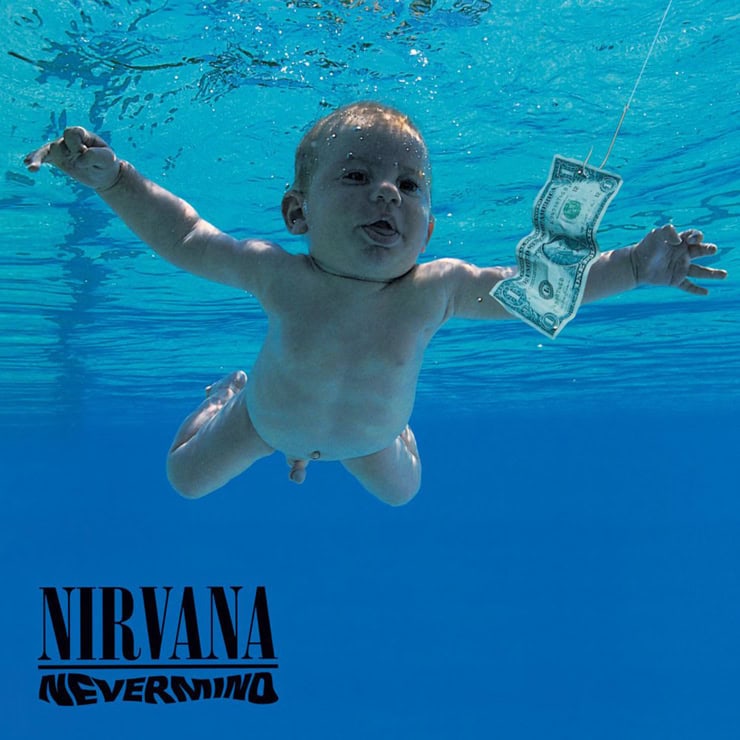
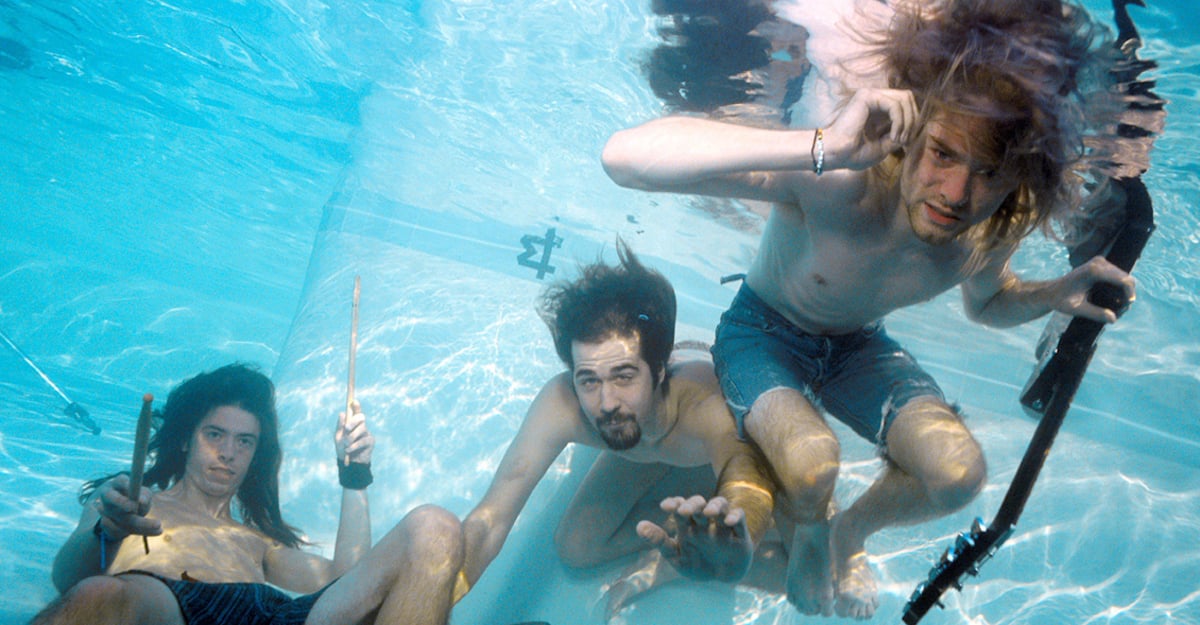
1. Nirvana, Nevermind
Just as Kurt Cobain’s supposed dread of fame turned out to be a more complicated love-hate dynamic, Nevermind’s confrontational pose is also a calculated bid for acceptance. Never as hard or as dangerous as the brutal bands from which Nirvana drew their inspiration, they nonetheless synthesized one of the best examples of hard influence softened into digestible material. The progression from raw to radio-friendly is often equated with dumbing-down, but here it was a twofold boon: creating great songs and opening, through Cobain’s unabashed love for the bands he was weaned on, a gateway to a hidden world of fantastic music. Cataldo
Since 2001, we've brought you uncompromising, candid takes on the world of film, music, television, video games, theater, and more. Independently owned and operated publications like Slant have been hit hard in recent years, but we’re committed to keeping our content free and accessible—meaning no paywalls or fees.
If you like what we do, please consider subscribing to our Patreon or making a donation.