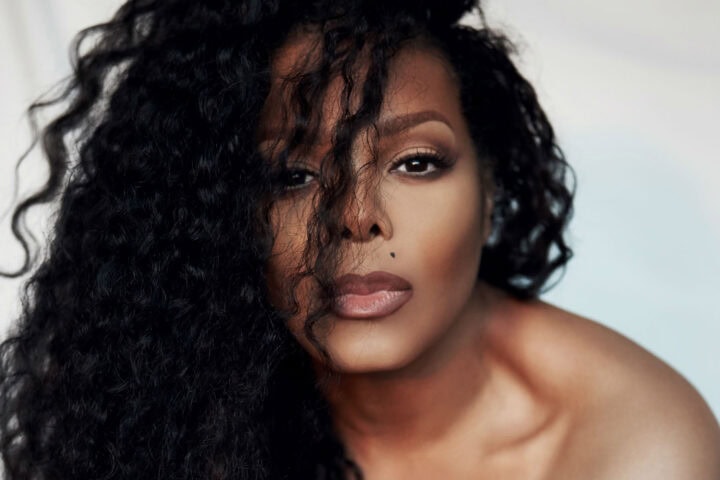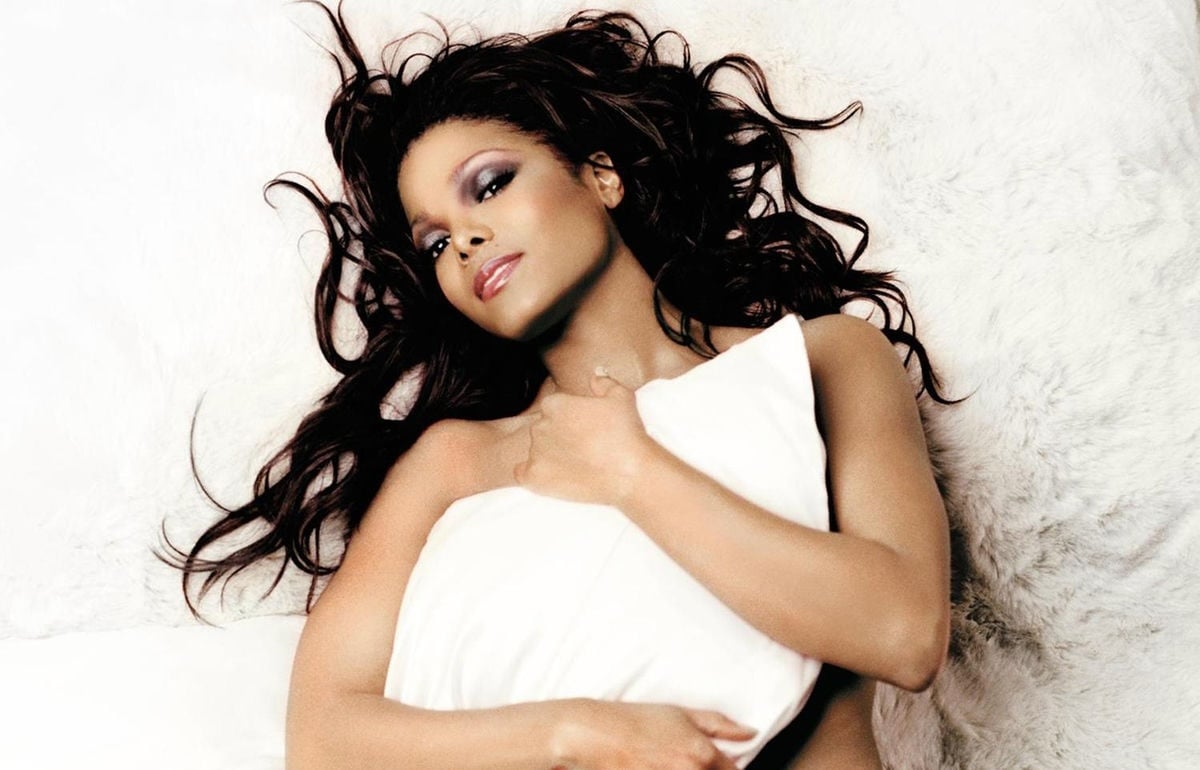
At the peak of her career, Janet Jackson maintained careful control over the media’s narrative about her private life—until suddenly, she didn’t. In 2000, the news of Janet’s secret marriage to (and divorce from) dancer, director, and creative collaborator René Elizondo Jr. became tabloid fodder. Then in her 30s and single for the first time in over a decade, Janet found herself starting over in full public view.
Channeling the highs and lows of heartbreak and personal rediscovery, Janet began work on her seventh studio album. While this period could have led to another collection of songs that leaned heavily on personal examination and introspection, à la 1997’s The Velvet Rope, the singer took a more light-hearted tack, inspired by her newfound freedom. As she told Essence magazine at the time: “All for You has brought me outside, happy on a natural high.”
Indeed, from her smile on the album’s cover to the laughter that opens the album, Janet is completely at ease on All for You. It feels like a girls’ night out: You can hear the exuberance in the flirty, disco-infused title track, in her bubbly performance on “Someone to Call My Lover,” and in the deep-in-the-pocket rhythms of “Doesn’t Really Matter” (initially released on the Nutty Professor II soundtrack a year earlier). The album plays like a victory lap of sound and emotion, exploring liberation not just in terms of Janet’s personal life, but also in its loose, fluid approach to genre, which artists like Rihanna and SZA have gone on to emulate.
But while it sits more comfortably within a pop framework than the dark and moody Velvet Rope, All for You is experimental in quieter, subtler ways. The album’s ambition is masked by its apparent effortlessness and embrace of pleasure. Produced by Rockwilder, one of the few instances up to this point that Janet strayed from her longtime collaborators Jimmy Jam and Terry Lewis, “Trust a Try” is a pop-metal symphony that predates similar genre mashups by the likes of Poppy and Rina Sawayama.
Janet’s embrace of optimism doesn’t mean she always takes the high road. The sharp but playful opener “You Ain’t Right” is a diss track—perhaps addressed to herself—that’s dressed up in space-age attire, full of sci-fi synths and chirping, drum-major whistles. The single “Son of a Gun” operates in a similarly confrontational lane, but where the Joni Mitchell interpolation of The Velvet Rope’s “Got ’Til It’s Gone” is seamless and reverent, the references to Carly Simon’s “You’re So Vain” here feel a bit half-baked.
Still, it’s in this push and pull between playful and pointed, that makes All for You more than just your average break-up album. On “Better Days,” Janet threads all of the songs’ themes together. It’s simultaneously heartbroken but rosy-eyed—“Leaving old shit behind/And move on with my life/The blindfold’s off my eyes”—with a heavenly bed of strings, Janet’s signature stacked background vocals, and a serene, almost surfy guitar solo.
Janet’s joy, it turned out, was contagious. All for You remains the biggest first-week seller of her career, and it drew a blueprint for the fusion of pop, dance, and R&B that would define some the decade’s biggest releases. The album is often overshadowed by Janet’s previous efforts, but as a follow-up to the creative apex of The Velvet Rope, it offers a different sort of mastery—one that understands lightness as its own kind of strength.
Since 2001, we've brought you uncompromising, candid takes on the world of film, music, television, video games, theater, and more. Independently owned and operated publications like Slant have been hit hard in recent years, but we’re committed to keeping our content free and accessible—meaning no paywalls or fees.
If you like what we do, please consider subscribing to our Patreon or making a donation.