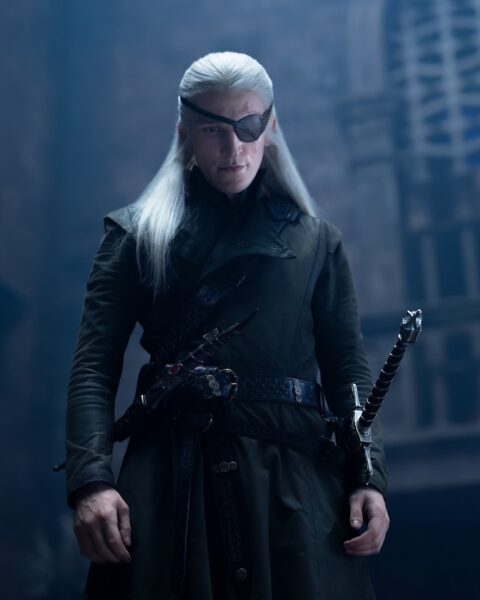
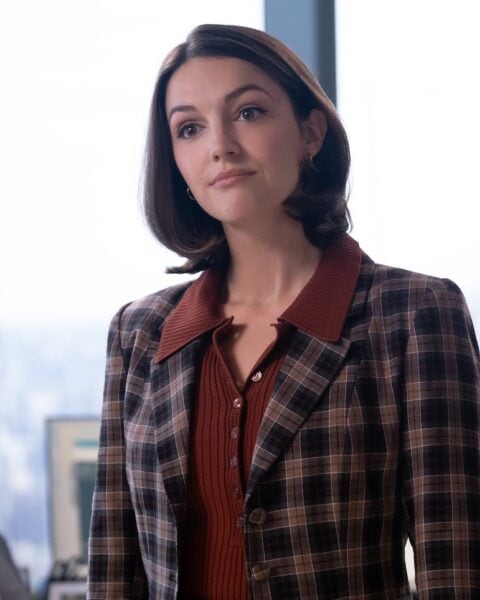
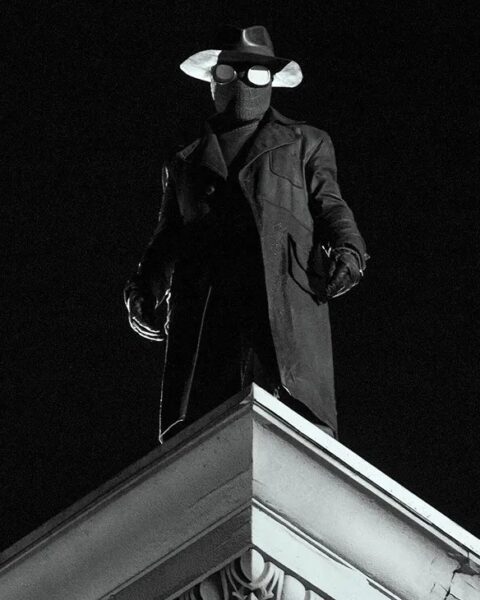
In its final season, the series struggles to cook up something fresh, but it’s still hard to resist.


In its final season, the series struggles to cook up something fresh, but it’s still hard to resist.

The series works best when it takes the time to observe humanity as much as its monsters.

Co-created by Nathan Fielder and Ben Safdie, the series asks us to get philosophical.

The series is less about whodunit than about the role that technology increasingly plays in our lives.

Based on Capcom’s video games, Netflix’s animated series mixes action with unexpected emotion.

The show’s second season plays with structure and tone to explore the violence that shapes its characters’ lives.

Even if the storytelling is a bit shallow, there’s enough pure spectacle to make the series fun to watch.

The show’s alien ecosystem is often far stranger than anything in its characters’ heads.

Mike Flanagan reimagines Poe’s oeuvre as a nimble, tonally capacious collection of fables.

Some familiar elements are missing from the series, but it can still deliver a distinct brand of wry humor.

Whether it’s delving into the mysteries of human DNA or those of the perfect lasagna, the series doesn’t fail to charm.

Threaded alongside the show’s meta commentary was a poignant look at loneliness and purpose.

The series serves up a raucous blend of humor, action, and emotional storytelling.

The show’s final season may leave viewers feeling nostalgic but, much like high school, ultimately ready to leave it behind.

The Peacock series is the equivalent of a budget hotel: cheap, charmless, and generic.

Despite solid performances, the series gets bogged down by turgid pacing and narrative ambiguity.

The series may not be great drama, but its fantastical blend of action and comedy is a great deal of fun.

The show’s fourth season is a mad blend of pop-cultural references and meta-gags, some of which land and some of which don’t.

As the series progresses toward its climax, its frequent tonal shifts distract from the substance of the story.

The series displays some of the inevitable wear of a concept that has already gotten more mileage than anticipated.

The series manages to make its 10 half-hour episodes feel much longer than they actually are.